

 プレビュー
プレビュー
 プリントを購入
 シェアする
シェアする シェアする
シェアする
 詳細を見る
詳細を見る

 ダウンロード
 似ている作品
 X線調査
X線調査 スライドショー
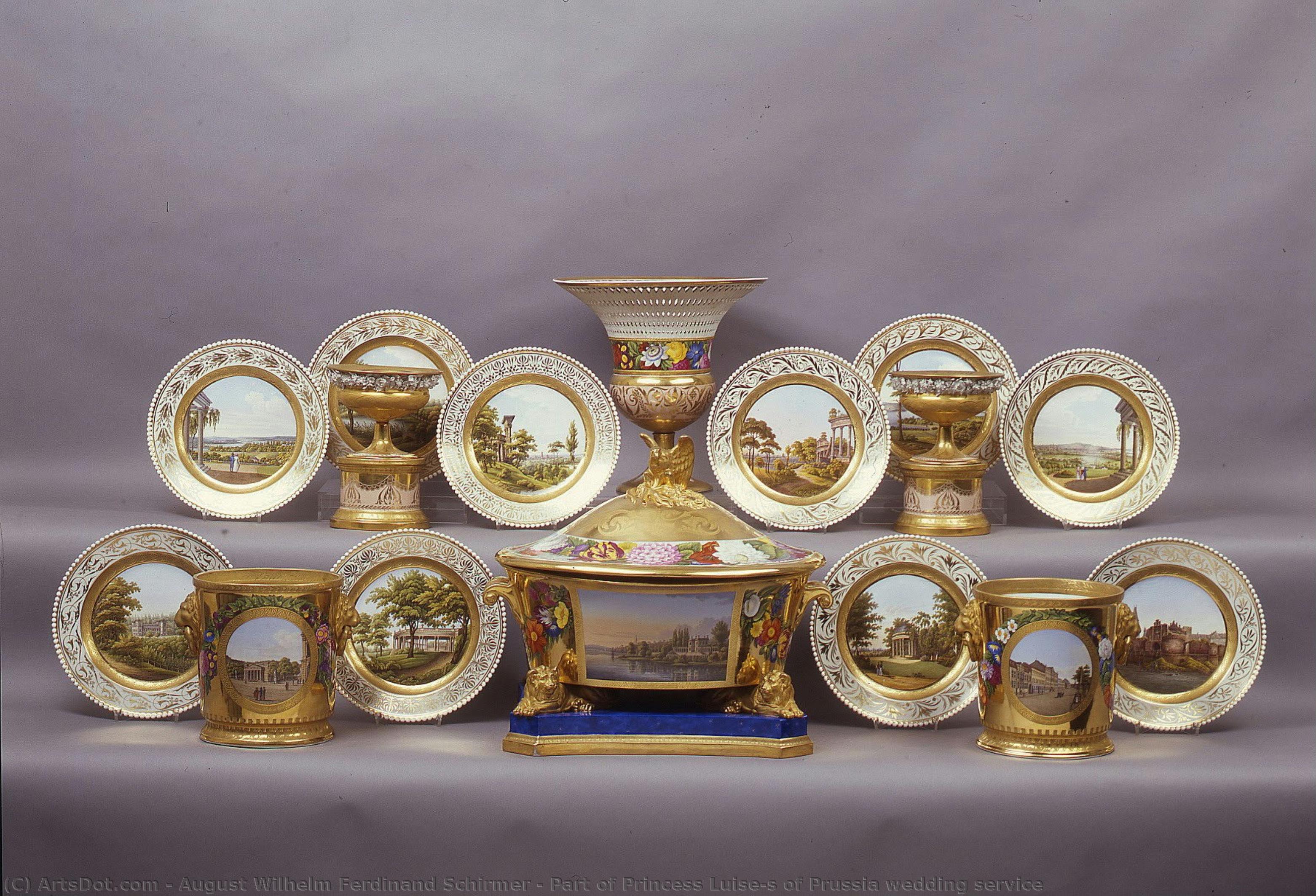
Part of Princess Luise’s of Prussia wedding service


 詳細を見る
詳細を見る




P118B $10

P118H $10

P118W $10

P438Z $10

P508JH $12

P508YH $12

P805H $10

P805Z $10

P919BZ $10

P919G $10

P919XJ $10

P959ZH $10

P968JZ $12

W106C $8

W218G $10

W218JH $8

W218Y $10

W307PJ $10

W316G $10

W316PJ $8

W316Y $10

W398PJ $8

W4111J $10

W500HY $15

W500JH $15

W692G $12

W849H $8

W940BG $15

W953PJ $8




作品のオリジナル比率に合わせた、当店の規定サイズからお選びください。

特定のフレームやスペースに合わせて、ご希望のサイズをご入力いただけます。選択されたサイズが元の画像の比率と異なる場合、アートワークをトリミングするか、手描きで要素を追加して絵画を拡張いたします。デジタルモックアップ を制作し、制作開始前にご確認(承認)をいただきます。
画面上のプレビューは、実際のトリミングや拡張を正確に反映しているものではありません。最終的な構図は、モックアップによってのみ正確にご確認いただけます。
カスタムサイズもご利用いただけますが、元の比率を維持するためには、あらかじめ用意されたリストからサイズを選択することをお勧めいたします。
ご注文後、ArtsDot.com チームより詳細な指示をお送りするとともに、仕上がりイメージ(モックアップ)をご提供いたします。


 ガラスオプションは、110cm未満のサイズでのみご利用いただけます。

Part of Princess Luise’s of Prussia wedding service
複製技法
複製画のサイズ
-


合計金額
$ 263
A Glimpse into Royal Life: The Porcelain Depiction of a Prussian Ceremony
August Wilhelm Ferdinand Schirmer's "Part of Princess Luise’s of Prussia wedding service" is more than just a still life; it’s a meticulously crafted window into the opulent world of 18th-century Prussian aristocracy. Painted in 1825, this work captures a pivotal moment – the presentation of porcelain services to the young princess as she prepared for her marriage to Prince Frederick of the Netherlands. The painting isn't merely decorative; it’s a carefully orchestrated tableau reflecting social status, familial bonds, and the burgeoning artistic sensibilities of the era.
Schirmer, a prominent figure in Berlin’s art scene, skillfully blends Neoclassical influences with Romantic elements. His meticulous attention to detail—the delicate curves of the porcelain, the subtle variations in glaze, the precise arrangement of each piece—demonstrates his technical mastery. Yet, beyond the surface realism lies an underlying sense of narrative and emotional resonance. The composition isn’t chaotic; instead, it exudes a quiet elegance, suggesting a scene of restrained formality and understated beauty.
The Porcelain Service: A Symbol of Status and Heritage
The significance of the porcelain service itself cannot be overstated. In 18th-century Prussia, such sets were not simply tableware; they represented a family’s wealth, lineage, and connection to the Royal manufactory at Meißen. Each piece was imbued with symbolic meaning – the delicate floral patterns referencing Prussian heraldry, the intricate designs reflecting the artistic traditions of the time. The inclusion of vases, salad bowls, baskets, and figurines within the service highlights its comprehensive nature and underscores the princess’s elevated position within society.
Crucially, this particular set was created specifically for Princess Louise, daughter of Queen Louise and King Frederick William III. The fact that it featured views of Potsdam—her childhood home—transforms the painting into a poignant reminder of her origins and a tangible link to her past. It’s a deliberate gesture of comfort and connection, offering a visual respite from the formality of court life.
Schirmer's Artistic Context: Bridging Neoclassicism and Romanticism
August Wilhelm Ferdinand Schirmer’s artistic development was shaped by his early work at the royal porcelain factory, where he honed his skills in detail and color. However, his formal training at the Berlin Academy of Arts under Friedrich Wilhelm Schadow exposed him to neoclassical principles, emphasizing clarity, order, and idealized forms. His subsequent travels to Italy proved transformative, introducing him to the vibrant colors and dramatic landscapes favored by J.M.W. Turner and fostering a more expressive approach to painting.
Schirmer’s ability to synthesize these diverse influences is evident in "Part of Princess Luise’s of Prussia wedding service." The work retains a sense of classical restraint while simultaneously embracing the Romantic emphasis on emotion, atmosphere, and the sublime beauty of nature. The soft lighting, the subtle gradations of color, and the carefully rendered details all contribute to a feeling of quiet contemplation and understated grandeur.
A Legacy in Porcelain: Reproduction and Artistic Appreciation
Today, "Part of Princess Luise’s of Prussia wedding service" stands as a testament to Schirmer's artistic skill and his ability to capture the essence of a bygone era. Reproductions offer an accessible way to experience this remarkable work, allowing art lovers to bring its beauty into their homes or offices. When selecting a reproduction, consider the level of detail and accuracy—a high-quality print will faithfully recreate Schirmer’s masterful rendering of porcelain and his evocative portrayal of Prussian aristocratic life.
関連作品


アーティストの略歴
Early Life and Education
- Born: Berlin, Germany, May 6, 1802
- Died: Nyon, Switzerland, June 8, 1866
- August Wilhelm Ferdinand Schirmer began his artistic journey early in life. He initially worked painting flowers at the royal porcelain factory, demonstrating an innate talent for detail and color.
- He later became a student of Friedrich Wilhelm Schadow at the Berlin Academy of Arts, receiving formal training in art techniques and principles.
- While influenced by Schadow's teachings, Schirmer’s artistic development was significantly shaped by his travels to Italy.
Italian Sojourn and Artistic Development
- In 1827, Schirmer embarked on a pivotal journey to Italy, spending three years immersed in the Italian landscape and art scene.
- He studied under Joseph Koch, who encouraged him to interpret nature poetically and historically.
- Schirmer was influenced by both J.M.W. Turner's dramatic style and the neoclassical approach of his earlier tutors.
- During this period, he became involved in various artistic societies in Rome, including the Deutsche Künstlervereinigung and the Ponte Molle Society, fostering connections with other artists.
Style and Major Works
- Schirmer’s style is characterized by a blend of romanticism and historical awareness. He sought to depict landscapes not merely as scenic views but as settings imbued with history and poetic significance.
- He was known for his ability to integrate architectural elements, particularly Roman ruins and bridges, into his landscape compositions.
- Notable works include sketches made during his Italian sojourn, which served as the basis for larger-scale paintings commissioned by the Prussian royal family. One such work was a large-format painting titled *Landscape with Monte Soratte, viewed between Narni and Otricoli*, though it has not survived.
- He also created murals for the Berlin Museum of Antiquities depicting classical sites and temples to complement the museum's collections.
Later Career and Legacy
- In 1835, Schirmer became a member of the Berlin Academy and later served as professor of landscape from 1839 to 1865.
- He was court painter to Crown Prince Friedrich Wilhelm, who would become King of Prussia.
- Schirmer’s influence extended beyond his direct students; he helped shape the development of landscape painting in Berlin and contributed significantly to the revival of historical landscape art.
- His emphasis on integrating history and poetry into landscapes set him apart from many of his contemporaries, establishing a unique artistic vision.
Historical Significance
- Schirmer is recognized as one of the most important and influential Berlin landscape painters of his time.
- He bridged the gap between Neoclassicism and Romanticism in German art, incorporating elements of both styles into his work.
- His murals for the Berlin Museum of Antiquities demonstrated his ability to combine artistic skill with historical understanding.
- Schirmer’s legacy lies in his contribution to the development of a distinctly German approach to landscape painting that valued both aesthetic beauty and historical context.
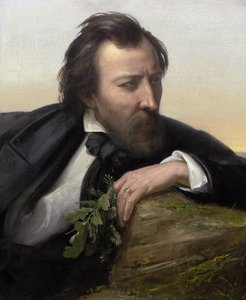
august wilhelm ferdinand schirmer
1802 - 1866 , Germany
基本情報
- Artistic Movement Or Style: Nazarene movement
- Artists Who Influenced This Artist:
- Joseph Anton Koch
- Johann Christian Reinhart
- J. M. W. Turner
- Date Of Birth: May 6, 1802
- Date Of Death: June 8, 1866
- Full Name: August Wilhelm Ferdinand Schirmer
- Nationality: German
- Notable Artworks:
- Part of Princess Luise’s wedding service
- The Coronation of the Emperor and Empress
- Place Of Birth: Berlin, Germany
関連記事

Beyond the Guest Book: Unique Wedding Keepsakes Through Custom Artwork
Elevate your wedding memories with unique custom artwork! Discover personalized paintings & prints that capture the magic of your special day. Expert guidance, premium quality, lasting keepsakes.

愛のキャンバス:結婚肖像画におけるロマンティック様式の選択と表現
ロマンティック様式の結婚肖像画で、二人の愛を永遠に。手描き複製画からカスタムメイドまで、高品質なアート作品をご提供。制作プロセスやインテリアコーディネート術もご紹介します。信頼のArtsDot.com。
Beyond Photographs: Commissioning Bespoke Paintings of Wedding Venues for Unforgettable Keepsakes
Transform your wedding venue into timeless art! Discover the beauty of bespoke paintings & commissions with 's expert artists. Create a unique, luxurious keepsake.

From Snapshot to Masterpiece: Transforming Wedding Photos into Timeless Oil Paintings
Transform cherished wedding photos into timeless oil paintings! Expert artists at create bespoke portraits & heirloom art. Discover the process, styles & lasting value.

結婚の記憶を彩る:伝統を超えたユニークなアート作品アイデア – 個性と愛の表現
結婚式を彩るアート作品選びはArtsDot.comへ。手描きの油絵、ユニークなウェディング証明書、オリジナルペーパーアイテムをご提案。専門家が二人の愛の物語を形にします。高品質・安心保証。

