

 プリントを購入
 シェアする
シェアする シェアする
シェアする
 詳細を見る
詳細を見る

 ダウンロード
 似ている作品
 スライドショー
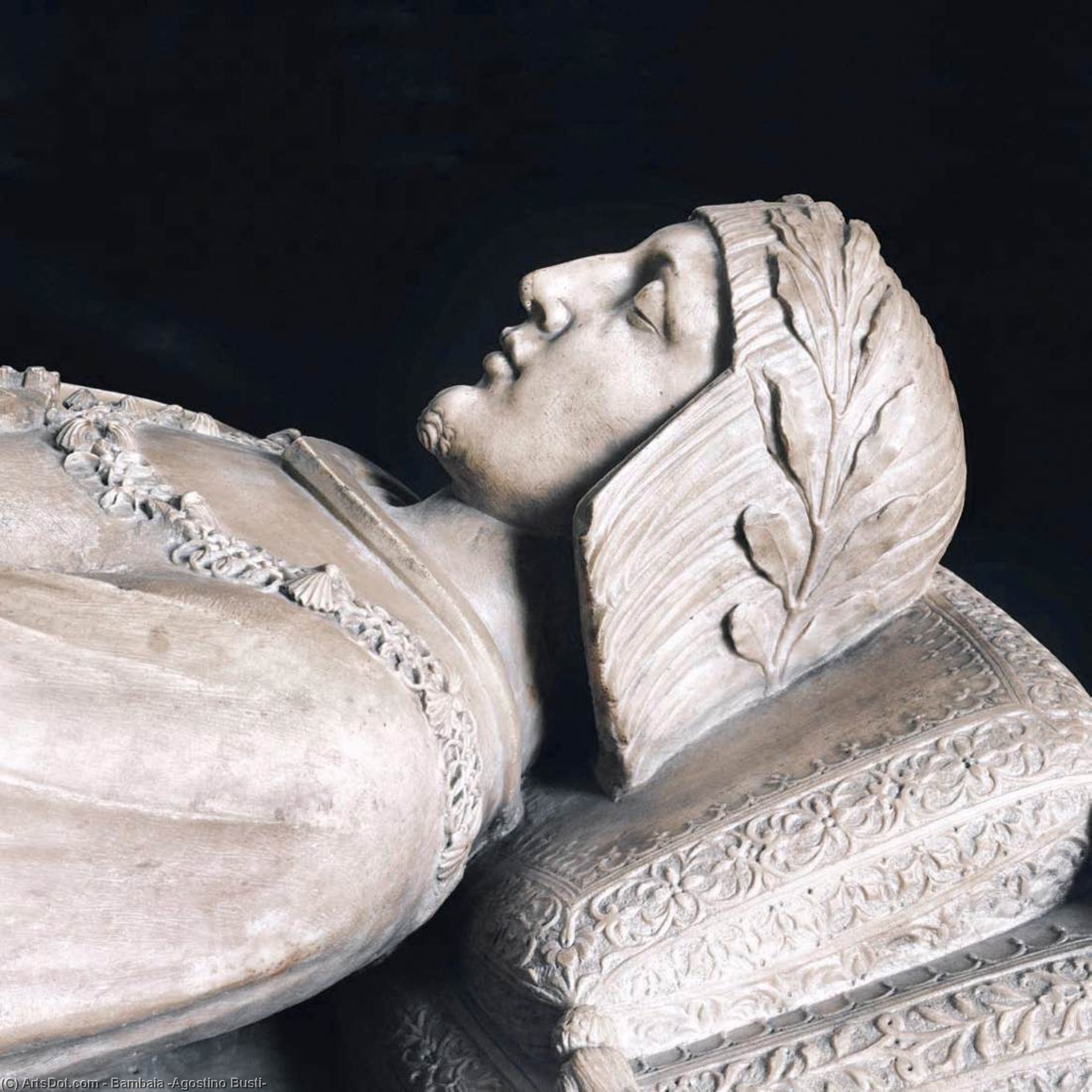
Effigy of Gaston de Foix (detail)


 詳細を見る
詳細を見る
オンラインプレビューをはるかに凌ぐ、高解像度で鮮明なデジタル画像をご購入いただけます。
各ファイルは、社内の専門家が高度なツールと熟練した手作業によるレタッチを用いて、細心の注意を払って準備されています。すべての画像において、卓越した鮮明度、正確な色彩再現性、そして繊細なディテールを保証いたします。
最終ファイルは、プロフェッショナルな編集・印刷環境ですぐにご利用いただけるよう最適化された状態で、72時間以内にメールにてお届けいたします。これは、一流のデザインスタジオ、出版社、ギャラリーから信頼されているものと同等の品質です。
デジタル画像のご注文に付随する特典
高品質なデジタル画像配信を、確かな品質で。
ArtsDot.com を選ぶことは、単に画像を手に入れることではありません。それは、プロの手によって精密に仕上げられ、満足保証が付いた高品質なデジタルアートワークを受け取ることを意味します。ご注文いただいた際に自動的に付随する内容は、以下の通りです:

メールですぐにお届け
ご注文から72時間以内に、高解像度のデジタル画像ファイルがメールでお手元に届きます。すぐにそのままご利用いただけます。

AI技術で最適化されたデジタルファイル
お客様の作品は、高度なAIツールと専門家による手作業の編集を組み合わせてプロフェッショナルに最適化されており、細部のディテール、鮮明さ、そして正確な色再現性を最大限に引き出しています。

一生涯無料の再送サービス
ファイルを誤って削除したり、紛失してしまったりしましたか?ご安心ください。いつでも無料で再送いたします。

輸入手数料は一切かかりません
関税や手数料、配送料を気にすることなく、お気に入りのアートワークをすぐにお楽しみいただけます。デジタルダウンロードは常に免税です。

色彩再現の保証
プロ仕様のツールとカラーマネジメント技術を用いることで、デジタル画像が元の色を最大限に忠実に再現することを保証いたします。

100日間満足保証
ご購入いただいたデジタル画像にご満足いただけない場合は、100日以内であれば、修正または100%の返金(理由を問う必要はありません)をさせていただきます。

100% 返金保証
ご満足いただけない場合は、デジタルファイルを受け取ってから100日以内であれば、理由を問わず全額返金いたします。

まとめ買い割引
3枚購入で10%OFF - 5枚購入で15%OFF - 10枚以上購入で20%OFF。クリエイティブなプロジェクト、ギャラリー、エージェンシーに最適です。
Effigy of Gaston de Foix (detail) – A Renaissance Reverie
- This exquisite detail captures a poignant moment in history through the masterful sculpting of Agostino Busti, known as Bambaia. Executed in 1515, this marble effigy represents Gaston de Foix, a figure steeped in symbolism and rendered with the meticulous realism characteristic of the High Renaissance. The photograph itself offers a compelling glimpse into the sculpture’s surface – a study in subtle gradations of white and grey, meticulously carved to evoke the smooth, cool texture of polished marble.
- Bambaia's skill is immediately apparent in the rendering of the figure’s anatomy, reflecting his training under Giovanni Battista Falcone. The pose, with the head resting peacefully on a closed hand, suggests either slumber or death – themes frequently explored in Renaissance art as meditations on mortality and the afterlife. The delicate folds of the bedding beneath the figure are rendered with remarkable precision, adding to the overall sense of quiet contemplation.
A Master’s Technique: Subtractive Sculpture
- Bambaia's technique exemplifies the subtractive process inherent in marble carving. Starting with a solid block of stone, he painstakingly removed material – chip by chip – to reveal the form within. This demanding craft required not only technical skill but also an acute understanding of anatomy and perspective. The shallow depth of field in the photograph emphasizes this three-dimensional quality, inviting the viewer to appreciate the sculptor’s dedication to capturing the nuances of human form.
- The use of line is integral to the sculpture's design; it defines every contour – from the delicate curve of the face and neck to the intricate patterns within the crown. The geometric elements within the foliage, a recurring motif in Renaissance art, likely symbolize victory or divine authority, further enriching the effigy’s symbolic meaning.
Historical Context & Symbolism
- Created during the early 16th century, this effigy reflects the artistic and intellectual currents of the Italian Renaissance. Bambaia's work aligns with the humanist movement, which emphasized human potential and celebrated classical ideals. The inclusion of a crown adorned with foliage speaks to the importance of heraldry and lineage in the era – Gaston de Foix was a prominent figure within the French nobility.
- The closed eyes evoke powerful themes of rest, death, and eternal sleep, common subjects in Renaissance art that sought to explore the human condition. The overall composition suggests a deliberate attempt to create a timeless portrait, one that transcends its specific historical context and speaks to universal concerns about mortality and legacy.
Emotional Impact & Artistic Significance
- This detailed reproduction offers more than just an image; it provides a window into the artistic sensibilities of a master sculptor. The serene expression, the smooth texture of the marble, and the subtle play of light and shadow combine to create a powerfully evocative piece. It’s a testament to Bambaia's skill and vision – a work that continues to resonate with viewers centuries later.
- Whether displayed in a private collection or incorporated into an interior design scheme, this effigy offers a touch of timeless elegance and historical significance. Its classical style and meticulous craftsmanship make it a valuable addition to any discerning art lover’s portfolio.
関連作品
作家の略歴
Agostino Busti (1483 – 1548): Sculptor of Milanese Splendor
Agostino Busti, often referred to as Bambaia, stands as a pivotal figure in the artistic landscape of Renaissance Lombardy. Born around 1483 in Busto Arsizio, nestled within Northern Italy, he emerged from humble beginnings to become arguably the most celebrated sculptor of his era – a testament to talent nurtured by circumstance and propelled forward by unwavering dedication. While biographical details remain somewhat sparse compared to contemporaries like Michelangelo or Leonardo da Vinci, surviving documentation paints a portrait of an artist deeply rooted in Milanese civic pride and profoundly impacted by humanist ideals circulating throughout Europe.- Early Life & Training: Busti’s formative years were spent honing his craft under the tutelage of Giovanni Battista Falcone, a prominent sculptor whose workshop served as a crucible for artistic innovation. This mentorship instilled in Busti a mastery of marble carving and a sensitivity to classical forms – influences that would permeate his subsequent oeuvre.
- Milanese Patronage & Artistic Flourishing: Busti’s career ascended rapidly thanks to the patronage of influential Milanese families, notably Ludovico Sforza. During Sforza's reign, Busti achieved unparalleled renown for executing monumental sculptures and architectural embellishments that solidified Milan’s reputation as a cultural powerhouse.
Sculptural Achievements: Epitaphs & Monumental Sculpture
Busti’s fame rests primarily on his extraordinary funerary effigies – intricately sculpted portraits commemorating deceased dignitaries and nobility. These works exemplify the humanist preoccupation with capturing the essence of human individuality, skillfully conveying emotion and psychological depth through nuanced anatomical detail and expressive drapery. Perhaps his most enduring legacy resides in the magnificent tomb of Gaston de Foix, Count Palatine of Toulouse—a collaborative effort with Giovanni Battista Falcone—which remains a breathtaking exemplar of Renaissance sculptural technique and artistic ambition. The effigy itself is considered one of the finest representations of human anatomy achieved during the period.Religious Frescoes: A Synthesis of Style
Beyond monumental sculpture, Busti demonstrated considerable versatility as a painter, producing frescoes that showcased his stylistic prowess. His contribution to San Gimignano’s Collegiata exemplifies the Florentine Renaissance's influence on Lombard art—characterized by vibrant color palettes and dynamic compositions infused with classical ideals. The frescoes depict scenes from biblical narratives with remarkable clarity and emotional resonance, reflecting Busti’s commitment to conveying spiritual truths through artistic excellence.Influence & Legacy
Busti's sculptural innovations profoundly impacted subsequent generations of artists in Lombardy and beyond. His meticulous attention to anatomical accuracy and his masterful manipulation of marble—particularly the use of veining and polishing techniques—established new standards for sculptural realism. Furthermore, Busti’s humanist sensibilities resonated with the broader intellectual currents of his time, shaping artistic representations of human experience and elevating sculpture as a medium for conveying profound psychological insight. Although he died in 1548, Agostino Busti's influence continues to inspire artists today—a testament to his enduring contribution to the history of art.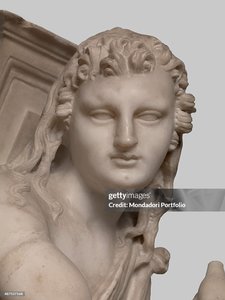
bambaia (agostino busti)
1483 - 1548 , Italy
プロフィール概要
- Artistic Movement Or Style: Renaissance Painting
- Artists Or Movements Influenced By This Artist: ['Early Renaissance']
- Artists Who Influenced This Artist: ['Leonardo da Vinci']
- Date Of Birth: c. 1483
- Date Of Death: 1548
- Full Name: Agostino Busti
- Nationality: Italian
- Notable Artworks:
- The Flagellation of Christ
- St Catherine of Alexandria
- Effigy of Gaston de Foix
- Place Of Birth: Milan, Italy