

 プレビュー
プレビュー
 プリントを購入
 シェアする
シェアする シェアする
シェアする
 詳細を見る
詳細を見る

 ダウンロード
 似ている作品
 X線調査
X線調査 スライドショー
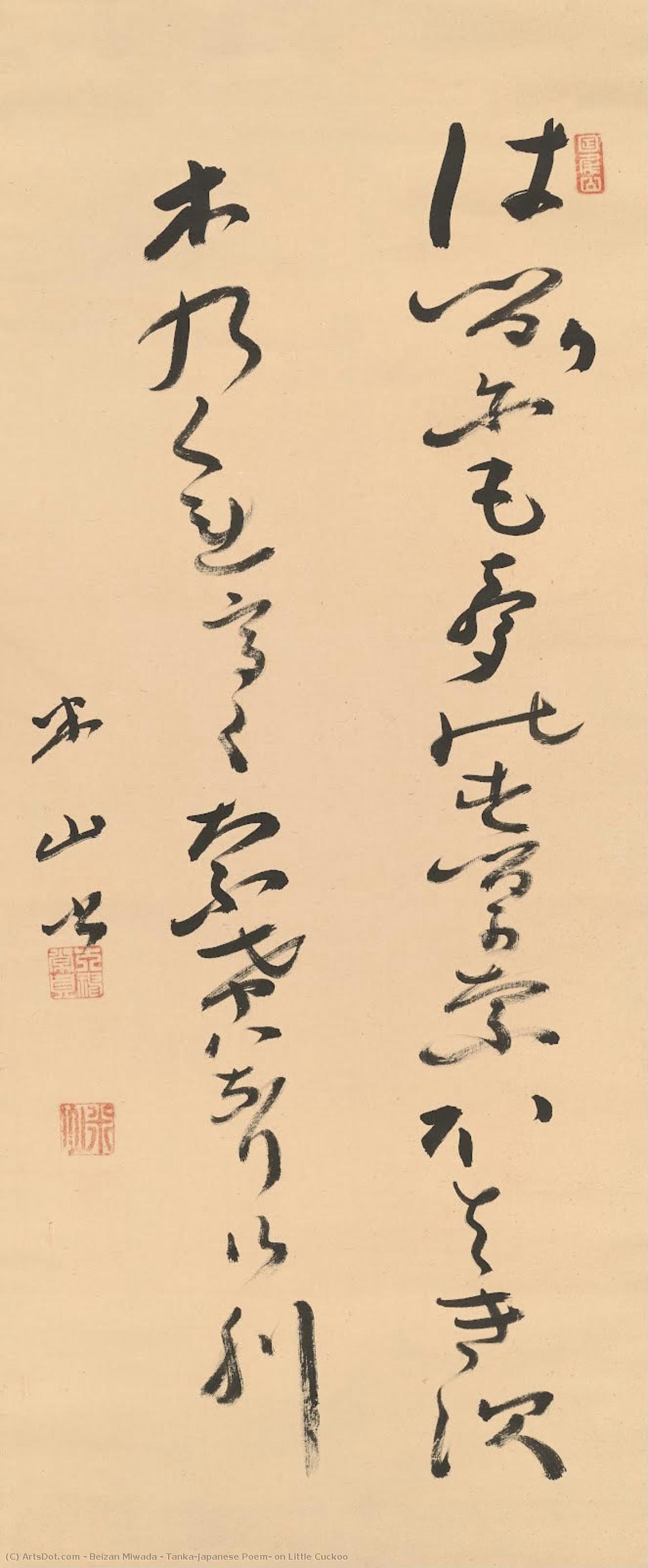
Tanka(Japanese Poem) on Little Cuckoo
 Other
Other 121.0 x 51.0 cm
 詳細を見る
詳細を見る
オンラインプレビューをはるかに凌ぐ、高解像度で鮮明なデジタル画像をご購入いただけます。
各ファイルは、社内の専門家が高度なツールと熟練した手作業によるレタッチを用いて、細心の注意を払って準備されています。すべての画像において、卓越した鮮明度、正確な色彩再現性、そして繊細なディテールを保証いたします。
最終ファイルは、プロフェッショナルな編集・印刷環境ですぐにご利用いただけるよう最適化された状態で、72時間以内にメールにてお届けいたします。これは、一流のデザインスタジオ、出版社、ギャラリーから信頼されているものと同等の品質です。
デジタル画像のご注文に付随する特典
高品質なデジタル画像配信を、確かな品質で。
ArtsDot.com を選ぶことは、単に画像を手に入れることではありません。それは、プロの手によって精密に仕上げられ、満足保証が付いた高品質なデジタルアートワークを受け取ることを意味します。ご注文いただいた際に自動的に付随する内容は、以下の通りです:

メールですぐにお届け
ご注文から72時間以内に、高解像度のデジタル画像ファイルがメールでお手元に届きます。すぐにそのままご利用いただけます。

AI技術で最適化されたデジタルファイル
お客様の作品は、高度なAIツールと専門家による手作業の編集を組み合わせてプロフェッショナルに最適化されており、細部のディテール、鮮明さ、そして正確な色再現性を最大限に引き出しています。

一生涯無料の再送サービス
ファイルを誤って削除したり、紛失してしまったりしましたか?ご安心ください。いつでも無料で再送いたします。

輸入手数料は一切かかりません
関税や手数料、配送料を気にすることなく、お気に入りのアートワークをすぐにお楽しみいただけます。デジタルダウンロードは常に免税です。

色彩再現の保証
プロ仕様のツールとカラーマネジメント技術を用いることで、デジタル画像が元の色を最大限に忠実に再現することを保証いたします。

60日間満足保証
ご購入いただいたデジタル画像にご満足いただけない場合は、60日以内であれば、修正または100%の返金(理由を問う必要はありません)をさせていただきます。

100% 返金保証
ご満足いただけない場合は、デジタルファイルを受け取ってから60日以内であれば、理由を問わず全額返金いたします。

まとめ買い割引
3枚購入で10%OFF - 5枚購入で15%OFF - 10枚以上購入で20%OFF。クリエイティブなプロジェクト、ギャラリー、エージェンシーに最適です。
関連作品
作家の略歴
Beizan Miwada: A Legacy of Calligraphy and Shinto Spirit
Beizan Miwada (born unknown, Japan) stands as a singular figure in late 19th and early 20th century Japanese art, primarily recognized for his masterful calligraphy and profound engagement with Shinto beliefs. Though biographical details remain scarce—his birthdate and family history are largely undocumented—his artistic output speaks volumes about the aesthetic sensibilities of his era and continues to resonate with collectors and scholars alike. Miwada’s contribution extends beyond mere artistic creation; he played a pivotal role in shaping the visual identity of Tsukushima Shrine, arguably Japan's most iconic pilgrimage site.Early Life and Artistic Training
Information regarding Miwada’s formative years is fragmentary. He emerged from obscurity to become a respected Shinto priest and calligrapher, suggesting a disciplined upbringing steeped in traditional Japanese culture. Precise details about his formal education are elusive, but it's understood that he honed his skills under the tutelage of prominent masters—a common practice during this period—absorbing techniques and philosophies that would inform his subsequent artistic endeavors. This dedication to craftsmanship underscores the importance of lineage and apprenticeship within Japanese artistic traditions.The ‘Fukurokujyu’ Scrolls: A Symbol of Prosperity
Miwada's fame rests principally upon his creation of “Fuku, from a set of three hanging scrolls ‘Fukurokujyu(Happiness, Salary and Longevity),’” a monumental work embodying the core tenets of Shinto cosmology. These scrolls—measuring 121x51 cm—represent more than just aesthetically pleasing compositions; they are imbued with symbolic significance designed to invoke blessings for good fortune, financial stability, and extended life – aspirations deeply rooted in Japanese cultural values. The meticulous brushstrokes and careful arrangement of characters reflect a profound understanding of calligraphy’s ability to communicate spiritual essence.Inscription on Tsukushima Shrine Pillars: A Momentary Reflection
Perhaps Miwada's most enduring legacy lies in his involvement with Tsukushima Shrine, where he inscribed the characters “nenpojinraku”(人並みにして良長)—meaning "people delight in a rich harvest"—on the shrine’s pillars. This act solidified Miwada’s reputation as a cultural custodian and cemented his place within Japan's artistic canon. The inscription itself serves as a poignant reminder of humanity’s connection to nature and its pursuit of harmonious existence – themes central to Shinto spirituality and reflected in Miwada’s broader artistic vision.Auction Records and Artistic Style
Beizan Miwada’s works have achieved considerable recognition within the art market, garnering bids ranging from $462 to $774 at auction houses internationally. This demonstrates not only the enduring appeal of his calligraphy but also its ability to transcend geographical boundaries. His style is characterized by a serene elegance—a hallmark of Zen Buddhism and Shinto aesthetics—marked by balanced compositions and understated tonal variations. Miwada’s meticulous attention to detail speaks to an unwavering commitment to preserving traditional artistic conventions while simultaneously expressing profound spiritual contemplation.Conclusion: An Artist Embodied in Tradition
Beizan Miwada's contribution to Japanese art is undeniable, securing his place as a pivotal figure in the late nineteenth and early twentieth centuries. His calligraphy—particularly the ‘Fukurokujyu’ scrolls—continues to inspire admiration for its beauty and symbolic depth, while his involvement with Tsukushima Shrine underscores his role as a champion of Shinto beliefs. Miwada's legacy serves as an exemplar of artistic integrity and spiritual devotion—a testament to the transformative power of art to encapsulate cultural values and endure across generations.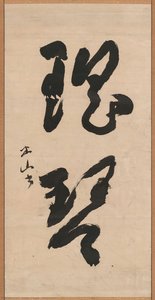
beizan miwada
Japan
プロフィール概要
- Artistic Movement Or Style: Calligraphy
- Date Of Death: Before 1905
- Full Name: Beizan Miwada
- Nationality: Japanese
- Notable Artworks: ['Fuku, from a set of three hanging scrolls ‘Fukurokujyu(Happiness, Salary and Longevity)’']
- Place Of Birth: Japan

