

 プレビュー
プレビュー
 プリントを購入
 シェアする
シェアする シェアする
シェアする
 詳細を見る
詳細を見る

 ダウンロード
 似ている作品
 X線調査
X線調査 スライドショー
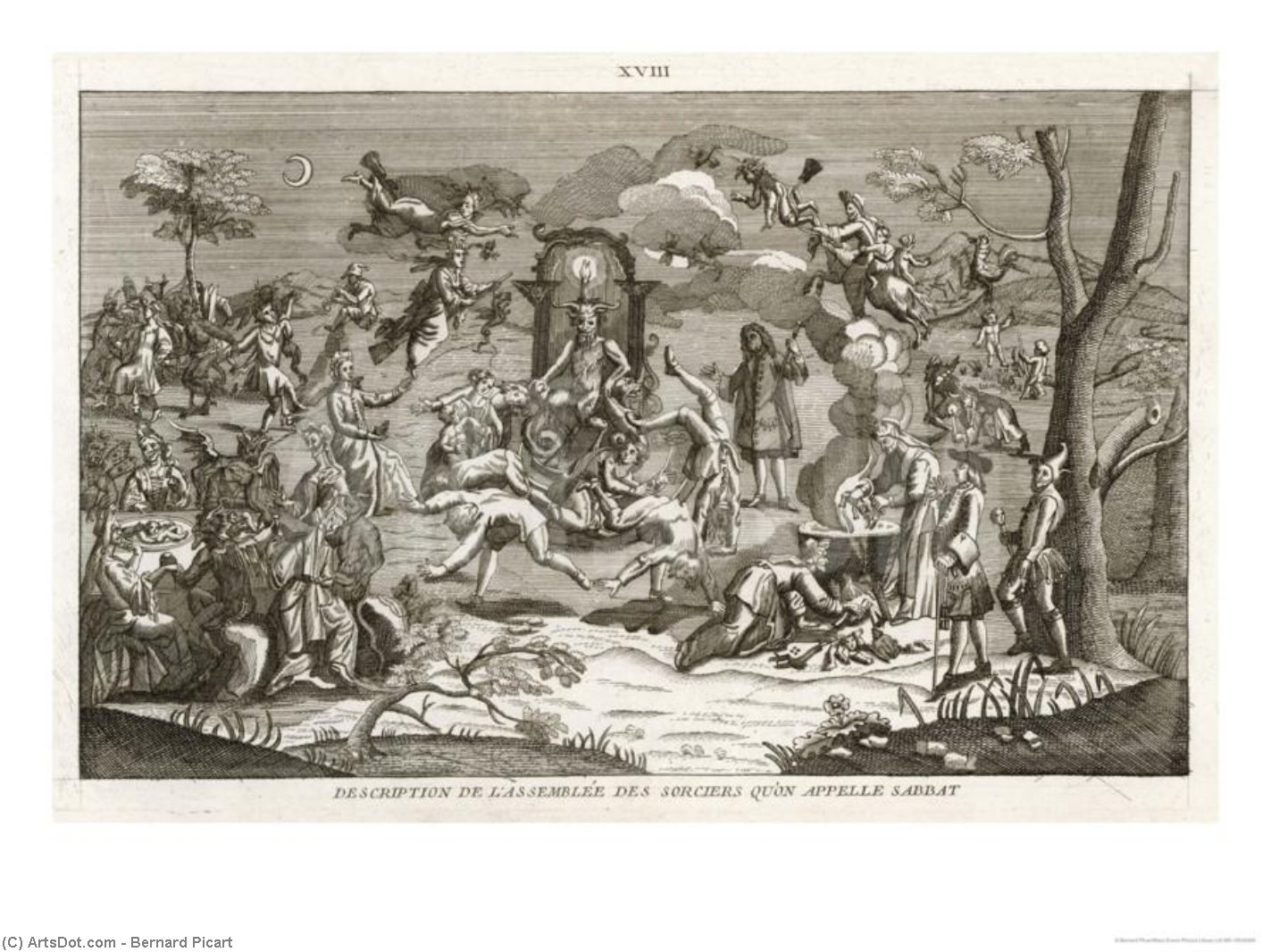
Picart Satan Presides While Dancers Cavort Before Him

 詳細を見る
詳細を見る




P118B $10

P118H $10

P118W $10

P438Z $10

P508JH $12

P508YH $12

P805H $10

P805Z $10

P919BZ $10

P919G $10

P919XJ $10

P959ZH $10

P968JZ $12

W106C $8

W218G $10

W218JH $8

W218Y $10

W307PJ $10

W316G $10

W316PJ $8

W316Y $10

W398PJ $8

W4111J $10

W500HY $15

W500JH $15

W692G $12

W849H $8

W940BG $15

W953PJ $8




作品のオリジナル比率に合わせた、当店の規定サイズからお選びください。

特定のフレームやスペースに合わせて、ご希望のサイズをご入力いただけます。選択されたサイズが元の画像の比率と異なる場合、アートワークをトリミングするか、手描きで要素を追加して絵画を拡張いたします。デジタルモックアップ を制作し、制作開始前にご確認(承認)をいただきます。
画面上のプレビューは、実際のトリミングや拡張を正確に反映しているものではありません。最終的な構図は、モックアップによってのみ正確にご確認いただけます。
カスタムサイズもご利用いただけますが、元の比率を維持するためには、あらかじめ用意されたリストからサイズを選択することをお勧めいたします。
ご注文後、ArtsDot.com チームより詳細な指示をお送りするとともに、仕上がりイメージ(モックアップ)をご提供いたします。


 ガラスオプションは、110cm未満のサイズでのみご利用いただけます。

Picart Satan Presides While Dancers Cavort Before Him
複製技法
複製画のサイズ
-


合計金額
$ 438
作品解説
A Night of Demonic Revelry: Decoding Picart’s “Satan Presides”
This captivating engraving by Bernard Picart plunges us into a fantastical and unsettling scene – a witches' sabbath presided over by Satan himself. Created in the 18th century, this work is a masterful example of detailed engraving, showcasing Picart’s skill in linework and meticulous rendering. The composition bursts with activity; figures dance, sacrifice animals, and engage in ritualistic practices before an arched gateway that seems to lead directly into the depths of hell. Scattered trees and foliage populate a hilly landscape, providing a stage for this chaotic gathering illuminated by a dramatic crescent moon. The overall effect is one of dynamic movement and unsettling energy.Style & Technique: The Legacy of Picart’s Engraving
Picart was renowned for his book illustrations, most notably his monumental *Cérémonies et coutumes religieuses de tous les peuples du monde*, a project dedicated to documenting global religious practices. This engraving reflects that same dedication to detail and observation, albeit applied to the realm of folklore and the macabre. The technique employed is classic engraving: lines are painstakingly cut into a metal plate, inked, and then pressed onto paper. This process allows for an incredible level of precision and tonal variation achieved through hatching and cross-hatching. These techniques create texture – suggesting fabric, skin, and foliage – and contribute to the dramatic interplay of light and shadow that defines the scene. The somewhat flattened perspective prioritizes clarity over realistic spatial representation, drawing our eye across the crowded composition.Symbolism & Historical Context: Witchcraft in the Enlightenment
The imagery within “Satan Presides” is deeply rooted in centuries-old beliefs surrounding witchcraft and demonic gatherings. The arched gateway functions as a symbolic portal to hell, while the crescent moon traditionally represents darkness, mystery, and the feminine divine – often associated with lunar deities and, in this context, potentially with the power of witches. The rituals depicted speak to anxieties about heresy and the perceived threat of occult practices during a period when Enlightenment rationalism was beginning to challenge traditional religious beliefs. Picart’s work doesn't necessarily endorse these beliefs but rather documents them as part of the broader spectrum of human customs and superstitions. His approach, as noted by scholar Jonathan Israel, aimed for objective documentation even when dealing with sensational or controversial subjects.Emotional Impact & Aesthetic Appeal
Despite its historical context, “Satan Presides” continues to resonate today due to its powerful emotional impact. The scene evokes a sense of unease, chaos, and perhaps even horror. The sheer number of figures engaged in disturbing activities creates a feeling of overwhelming dread. However, the artistry with which this scene is rendered elevates it beyond mere sensationalism. For collectors and interior designers, a high-quality reproduction of this engraving offers a striking focal point – a conversation starter that blends historical intrigue with artistic mastery. Its dramatic composition and intricate detail make it suitable for a variety of settings, from traditional studies to more contemporary spaces seeking a touch of the darkly romantic.関連作品
アーティストの略歴
Salvator Rosa: A Life Forged in Shadow and Light
Salvator Rosa (1615 – 15 March 1673) stands as a compelling figure within the turbulent landscape of 17th-century Italian art. More than simply a painter, he was a complex character—a soldier turned artist, a rebel against convention, and a master of dramatic realism. Born in Naples, his early life was steeped in military service, experiences that profoundly shaped his artistic vision and informed the gritty, often violent scenes that would become his hallmark. Rosa’s journey wasn't one of gentle refinement; it was a collision of experience and passion, resulting in an oeuvre characterized by raw emotion, unflinching honesty, and a deliberate rejection of idealized beauty. His work reflects not just the aesthetics of the Baroque period but also the tumultuous political and social realities of his time.Early Life and Military Service: Shaping a Rebel’s Eye
Salvator Rosa's early years were far removed from the tranquil world of artistic studios. Born into a family of soldiers, he spent much of his youth in service to the Papal army, witnessing firsthand the brutality and chaos of warfare. These experiences—the carnage of battle, the desperation of displaced populations, and the corruption within military ranks—left an indelible mark on his psyche and found their way into his art. He served with distinction during the Siege of Rome in 1647, a period marked by intense political upheaval and violence. This involvement instilled in him a deep skepticism towards authority and a fascination with the darker aspects of human nature. Rosa’s military background wasn't merely a backdrop to his artistic career; it actively informed his subject matter and stylistic choices, lending a sense of immediacy and authenticity to his paintings.The Rise of a Dramatic Realist: Style and Technique
Rosa’s artistic style is immediately recognizable for its dramatic intensity and unflinching realism. He rejected the polished elegance favored by many of his contemporaries, instead embracing a deliberately rough and expressive approach. His brushwork is often loose and energetic, conveying movement and emotion with remarkable force. He frequently employed *chiaroscuro* – the skillful manipulation of light and shadow – to heighten the drama of his scenes, creating a powerful sense of depth and volume. Unlike the idealized figures common in much Baroque art, Rosa’s subjects are often depicted as flawed and vulnerable, reflecting the harsh realities of life. His use of color is equally striking, favoring dark, earthy tones punctuated by bursts of vibrant red and gold to draw attention to key elements within the composition. He was particularly adept at capturing fleeting moments of action and intense emotion, imbuing his paintings with a palpable sense of immediacy.Subjects and Themes: From Battlefields to Biblical Scenes
Rosa’s artistic output spanned a remarkably diverse range of subjects. While he is best known for his landscapes—often dramatic depictions of rugged mountain ranges and stormy seas – he also produced portraits, allegorical scenes, and historical paintings. His military experiences are reflected in numerous works depicting battle scenes, often portraying the suffering and heroism of soldiers with brutal honesty. He frequently depicted figures engaged in violent conflict, exploring themes of revenge, justice, and mortality. However, Rosa’s subject matter wasn't limited to the realm of war; he also painted biblical scenes, mythological subjects, and portraits of prominent figures from his time. His approach to these diverse subjects was consistently characterized by a dramatic intensity and a willingness to confront uncomfortable truths.Legacy and Influence: A Lasting Impact on Baroque Art
Salvator Rosa’s influence extends far beyond his own lifetime. He is considered a pivotal figure in the development of Italian Baroque art, challenging the prevailing conventions of the time and paving the way for future generations of artists. His emphasis on realism, dramatic intensity, and emotional honesty resonated with audiences who were increasingly disillusioned with the idealized beauty of Mannerism and the rigid formality of the High Renaissance. Rosa’s work served as a powerful antidote to these trends, offering a more direct and visceral engagement with the complexities of human experience. His legacy continues to be felt today, inspiring artists who seek to capture the raw energy and emotional depth of life in all its forms. Rosalba Carriera, another significant artist of the era, shared some stylistic similarities with Rosa, demonstrating the broader artistic currents of the time. While Carriera focused primarily on portraiture, she also embraced dramatic lighting and a sense of immediacy that reflected the influence of artists like Rosa.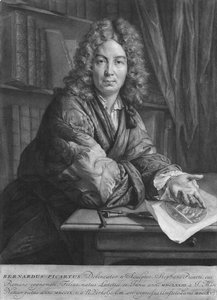
bernard picart
1673 - 1733 , France
基本情報
- Artistic Movement Or Style: Baroque
- Artists Or Movements Influenced By This Artist:
- Rosalba Carriera
- Rococo
- Artists Who Influenced This Artist:
- Caravaggio
- Rembrandt
- Date Of Birth: June 20, 1615
- Date Of Death: March 15, 1673
- Full Name: Salvator Rosa
- Nationality: Italian
- Notable Artworks:
- The Death of Galatea
- Battle of Roccamora
- Self-Portrait with a Dead Dog
- Place Of Birth: Naples, Italy
関連記事
Engraving's Golden Age: 10 Masterpieces That Redefined Art | ArtsDot
Journey through art history with our Top 10 Legendary Engravings! Explore masterpieces by Dürer, Rembrandt & Goya. Discover the stories behind these iconic prints and find museum-quality reproductions for your home at ArtsDot.com.
Engraving: A Historical Survey of Technique, Artistic Expression & Enduring Legacy
Explore the rich history of engraving with ArtsDot. Discover techniques, iconic artists like Dürer & Callot, collecting tips, and expert guidance for preserving your art investment. Learn about intaglio printing & more!
The Intricate World of Engraving: A Historical Survey of Technique, Artistic Expression & Enduring Legacy
Explore the rich history of engraving with ArtsDot. Discover techniques, iconic artists like Dürer & Callot, collecting tips, and expert guidance for preserving your art investment. Learn about intaglio printing & more!
18th Century Masters: 10 Artworks That Define an Era | ArtsDot
Journey through 18th century art! Explore 10 iconic paintings – from Rococo elegance to Neoclassical grandeur. Discover Fragonard, David & more. Find museum-quality reproductions and elevate your home decor on ArtsDot.com.
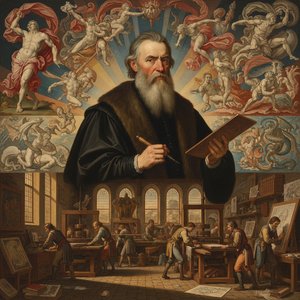
Hendrick Goltzius: Master Engraver & the Flourishing of Dutch Mannerism
Explore the life & art of Hendrick Goltzius, a master engraver of Dutch Mannerism. Discover his innovative techniques, iconic engravings like 'Jahel', and lasting influence on Baroque art. Learn about collecting Goltzius today.

