

 プレビュー
プレビュー
 プリントを購入
 シェアする
シェアする シェアする
シェアする
 詳細を見る
詳細を見る

 ダウンロード
 似ている作品
 X線調査
X線調査 スライドショー
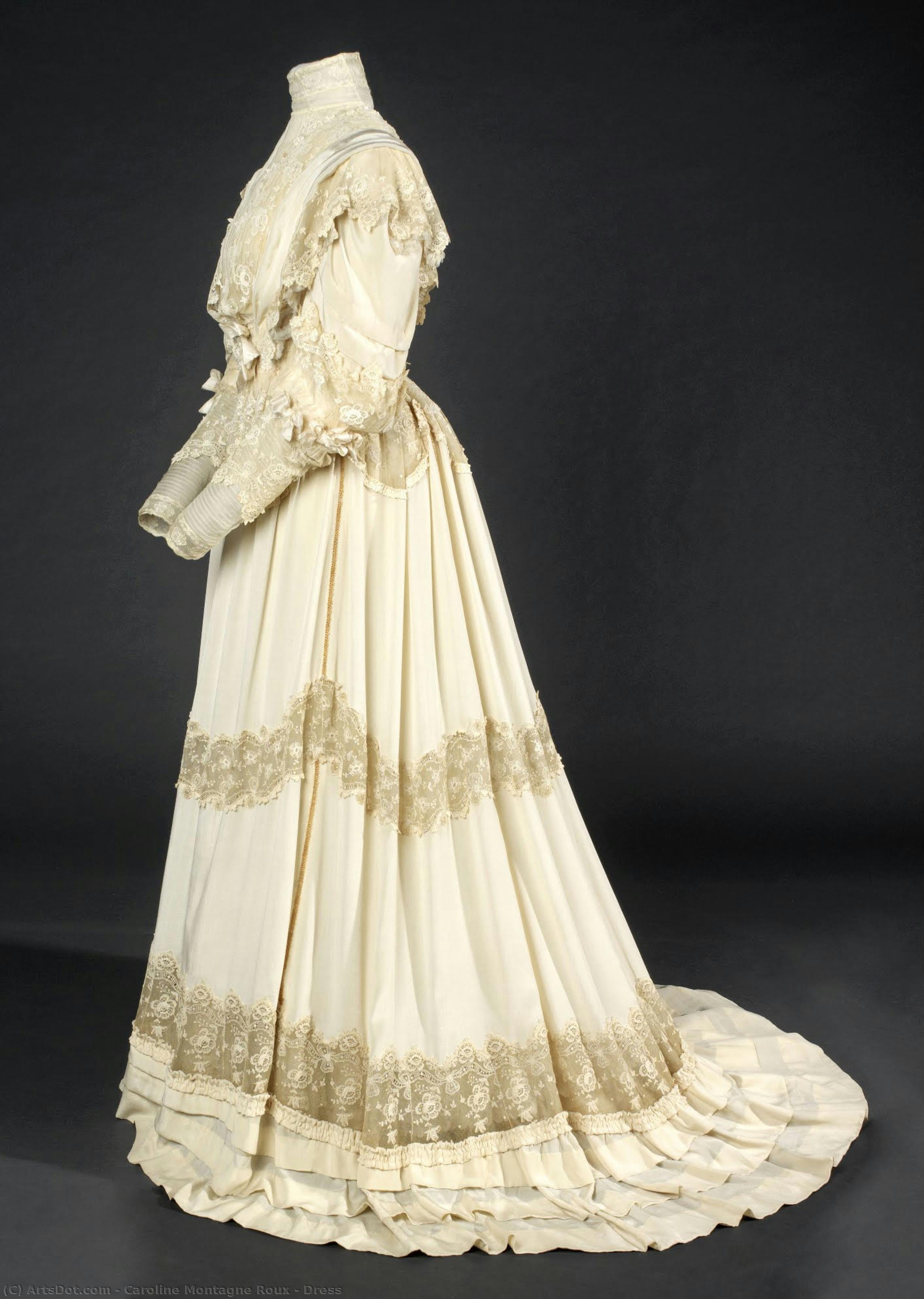
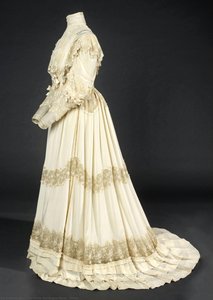
Dress


 詳細を見る
詳細を見る




































作品のオリジナル比率に合わせた、当店の規定サイズからお選びください。

特定のフレームやスペースに合わせて、ご希望のサイズをご入力いただけます。選択されたサイズが元の画像の比率と異なる場合、アートワークをトリミングするか、手描きで要素を追加して絵画を拡張いたします。デジタルモックアップ を制作し、制作開始前にご確認(承認)をいただきます。
画面上のプレビューは、実際のトリミングや拡張を正確に反映しているものではありません。最終的な構図は、モックアップによってのみ正確にご確認いただけます。
カスタムサイズもご利用いただけますが、元の比率を維持するためには、あらかじめ用意されたリストからサイズを選択することをお勧めいたします。
ご注文後、ArtsDot.com チームより詳細な指示をお送りするとともに、仕上がりイメージ(モックアップ)をご提供いたします。


 ガラスオプションは、110cm未満のサイズでのみご利用いただけます。

Dress
複製技法
複製画のサイズ
-


合計金額
$ 263
作品解説
関連作品







アーティストの略歴
The Parisian Soul in Catalonia: The Legacy of Caroline Montagne Roux
In the golden era of late 19th-century elegance, few figures bridged the gap between the refined ateliers of Paris and the burgeoning splendor of Barcelona as gracefully as Caroline Montagne Roux. Born in Paris in 1858, her life was a tapestry woven from two distinct yet complementary cultures. Alongside her sister Marie, Caroline carried the delicate traditions of French seamstressing across borders, settling in Spain as part of a family legacy established by their mother, Anne Roux. This migration was more than a mere change of scenery; it was an artistic transplanting of Parisian haute couture into the heart of the Catalan industrial bourgeoisie, creating a unique aesthetic dialogue that would define the fashion landscape of Barcelona for decades.
The artistry of Montagne Roux was rooted in a profound understanding of silhouette and the transformative power of fabric. Her workshop, famously situated on the prestigious Rambla de Catalunya, became a sanctuary of style where the sinuous lines of the Art Nouveau movement could find expression through garment construction. She possessed an innate ability to manipulate the "whiplash" curve—that iconic, flowing line characteristic of the era—translating it into the S-shaped silhouettes that defined the period's femininity. Through the strategic use of corsetry, high necks, and cascading trains, her designs captured a sense of movement and organic grace, making her work not merely clothing, but wearable sculpture.
A Master of Mentorship and the Lanvin Connection
Perhaps the most enduring chapter of Caroline’s professional life was her role as a mentor to one of fashion's greatest legends: Jeanne Lanvin. In a remarkable display of artistic foresight, Montagne Roux recruited the young Lanvin into her atelier, providing the foundational training that would later allow Lanvin to conquer the Parisian fashion world. This relationship was far more than a simple apprenticeship; it was a profound professional and personal bond that linked the two designers across borders. Under Caroline’s guidance, the principles of French elegance were refined and shared, ensuring that the sophisticated standards of Paris remained a guiding light for Spanish high society.
The influence of this mentorship created a fascinating historical loop. While Lanvin eventually returned to Paris to establish her eponymous empire, her roots in the Montagne workshop remained a vital part of her identity. This connection ensured that Barcelona remained a significant node in the global fashion network, with the Montagne boutique serving as one of the earliest and most prestigious outposts of the Lanvin aesthetic outside of France. Through this lineage, Caroline Montagne Roux did not just design dresses; she cultivated a movement of taste that transcended national boundaries.
Artistic Mastery and Historical Significance
The technical brilliance of Montagne Roux’s work is best observed in the intricate details of her creations. Her garments were masterclasses in texture and ornamentation, often featuring:
- Exquisite Embroidery: The use of vegetable motifs and floral patterns that echoed the naturalistic themes of the Art Nouveau style.
- Lace and Appliqué: A meticulous application of fine lace and ribbons to add depth and a sense of romanticism to even the simplest fabrics.
- Structural Innovation: The sophisticated use of undergarments, such as the frou-frou petticoats, to create the dramatic, undulating shapes required by the era's fashion.
Today, the historical significance of Caroline Montagne Roux is preserved not only in the memories of fashion historians but also in museum collections. Her work serves as a vital record of a period when fashion was an intersection of industrial wealth and artistic innovation. As her designs are showcased in institutions like the Design Museum of Barcelona, they continue to inspire contemporary designers with their timeless elegance and the sheer technical mastery required to turn fabric into poetry. She remains a symbol of how a single artistic vision, nurtured in Paris and blossomed in Spain, can leave an indelible mark on the history of human adornment.
caroline montagne roux
1858 - 1941 , France
基本情報
- Artistic Movement Or Style: Haute Couture Fashion Design
- Artists Or Movements Influenced By This Artist: ['Parisian Fashion']
- Artists Who Influenced This Artist: ['Jeanne Lanvin']
- Date Of Birth: 1858 Paris France
- Date Of Death: 1941 Barcelona Spain
- Full Name: Caroline Montagne Roux
- Nationality: French
- Notable Artworks: ['Dress']
- Place Of Birth: Paris France

