

 プレビュー
プレビュー
 プリントを購入
 シェアする
シェアする シェアする
シェアする
 詳細を見る
詳細を見る

 ダウンロード
 似ている作品
 X線調査
X線調査 スライドショー
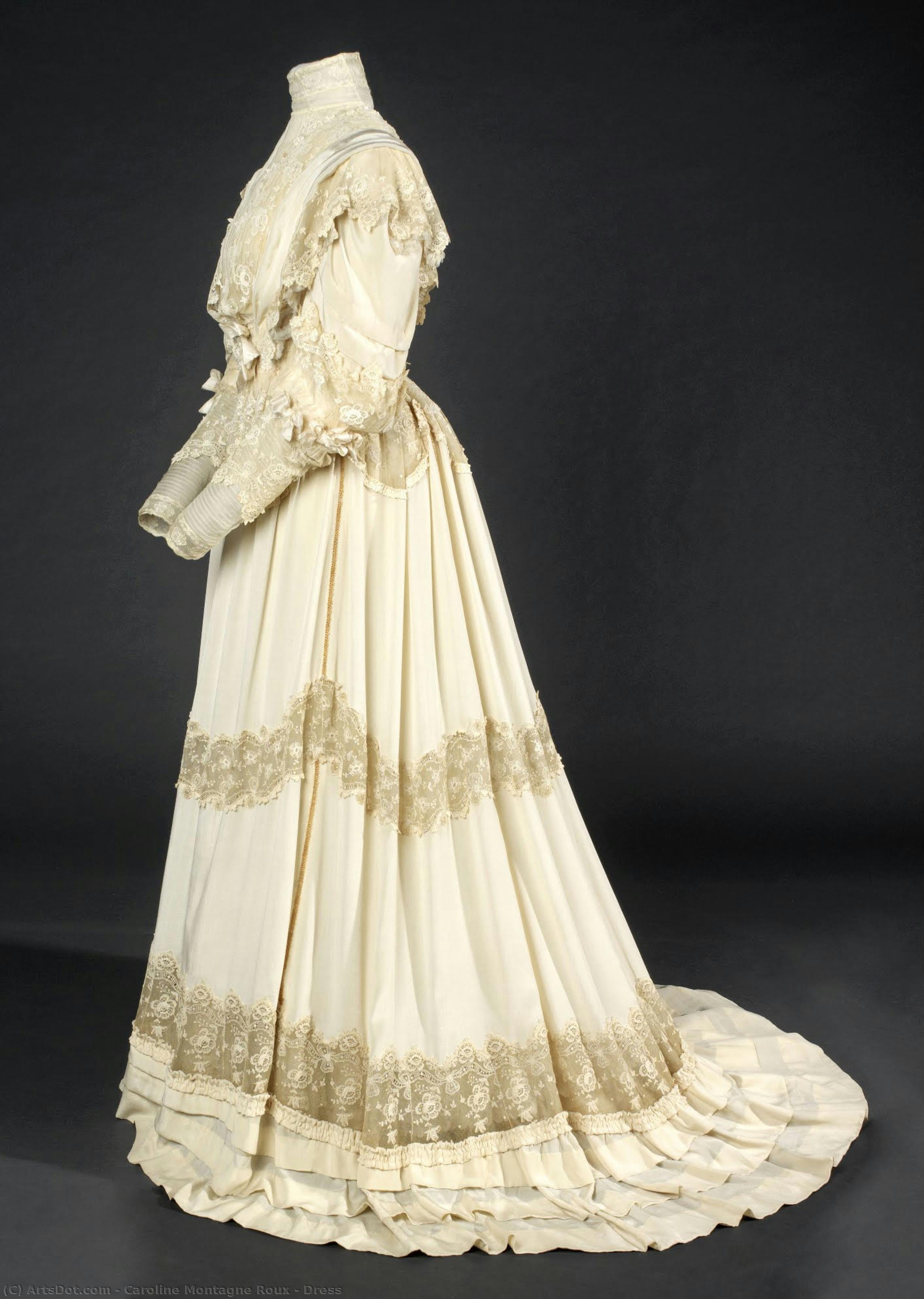
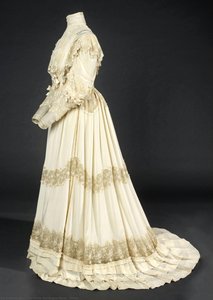
Dress


 詳細を見る
詳細を見る
オンラインプレビューをはるかに凌ぐ、高解像度で鮮明なデジタル画像をご購入いただけます。
各ファイルは、社内の専門家が高度なツールと熟練した手作業によるレタッチを用いて、細心の注意を払って準備されています。すべての画像において、卓越した鮮明度、正確な色彩再現性、そして繊細なディテールを保証いたします。
最終ファイルは、プロフェッショナルな編集・印刷環境ですぐにご利用いただけるよう最適化された状態で、72時間以内にメールにてお届けいたします。これは、一流のデザインスタジオ、出版社、ギャラリーから信頼されているものと同等の品質です。
デジタル画像のご注文に付随する特典
高品質なデジタル画像配信を、確かな品質で。
ArtsDot.com を選ぶことは、単に画像を手に入れることではありません。それは、プロの手によって精密に仕上げられ、満足保証が付いた高品質なデジタルアートワークを受け取ることを意味します。ご注文いただいた際に自動的に付随する内容は、以下の通りです:

メールですぐにお届け
ご注文から72時間以内に、高解像度のデジタル画像ファイルがメールでお手元に届きます。すぐにそのままご利用いただけます。

AI技術で最適化されたデジタルファイル
お客様の作品は、高度なAIツールと専門家による手作業の編集を組み合わせてプロフェッショナルに最適化されており、細部のディテール、鮮明さ、そして正確な色再現性を最大限に引き出しています。

一生涯無料の再送サービス
ファイルを誤って削除したり、紛失してしまったりしましたか?ご安心ください。いつでも無料で再送いたします。

輸入手数料は一切かかりません
関税や手数料、配送料を気にすることなく、お気に入りのアートワークをすぐにお楽しみいただけます。デジタルダウンロードは常に免税です。

色彩再現の保証
プロ仕様のツールとカラーマネジメント技術を用いることで、デジタル画像が元の色を最大限に忠実に再現することを保証いたします。

60日間満足保証
ご購入いただいたデジタル画像にご満足いただけない場合は、60日以内であれば、修正または100%の返金(理由を問う必要はありません)をさせていただきます。

100% 返金保証
ご満足いただけない場合は、デジタルファイルを受け取ってから60日以内であれば、理由を問わず全額返金いたします。

まとめ買い割引
3枚購入で10%OFF - 5枚購入で15%OFF - 10枚以上購入で20%OFF。クリエイティブなプロジェクト、ギャラリー、エージェンシーに最適です。
作品の詳細
関連作品







作家の略歴
The Parisian Soul in Catalonia: The Legacy of Caroline Montagne Roux
In the golden era of late 19th-century elegance, few figures bridged the gap between the refined ateliers of Paris and the burgeoning splendor of Barcelona as gracefully as Caroline Montagne Roux. Born in Paris in 1858, her life was a tapestry woven from two distinct yet complementary cultures. Alongside her sister Marie, Caroline carried the delicate traditions of French seamstressing across borders, settling in Spain as part of a family legacy established by their mother, Anne Roux. This migration was more than a mere change of scenery; it was an artistic transplanting of Parisian haute couture into the heart of the Catalan industrial bourgeoisie, creating a unique aesthetic dialogue that would define the fashion landscape of Barcelona for decades.
The artistry of Montagne Roux was rooted in a profound understanding of silhouette and the transformative power of fabric. Her workshop, famously situated on the prestigious Rambla de Catalunya, became a sanctuary of style where the sinuous lines of the Art Nouveau movement could find expression through garment construction. She possessed an innate ability to manipulate the "whiplash" curve—that iconic, flowing line characteristic of the era—translating it into the S-shaped silhouettes that defined the period's femininity. Through the strategic use of corsetry, high necks, and cascading trains, her designs captured a sense of movement and organic grace, making her work not merely clothing, but wearable sculpture.
A Master of Mentorship and the Lanvin Connection
Perhaps the most enduring chapter of Caroline’s professional life was her role as a mentor to one of fashion's greatest legends: Jeanne Lanvin. In a remarkable display of artistic foresight, Montagne Roux recruited the young Lanvin into her atelier, providing the foundational training that would later allow Lanvin to conquer the Parisian fashion world. This relationship was far more than a simple apprenticeship; it was a profound professional and personal bond that linked the two designers across borders. Under Caroline’s guidance, the principles of French elegance were refined and shared, ensuring that the sophisticated standards of Paris remained a guiding light for Spanish high society.
The influence of this mentorship created a fascinating historical loop. While Lanvin eventually returned to Paris to establish her eponymous empire, her roots in the Montagne workshop remained a vital part of her identity. This connection ensured that Barcelona remained a significant node in the global fashion network, with the Montagne boutique serving as one of the earliest and most prestigious outposts of the Lanvin aesthetic outside of France. Through this lineage, Caroline Montagne Roux did not just design dresses; she cultivated a movement of taste that transcended national boundaries.
Artistic Mastery and Historical Significance
The technical brilliance of Montagne Roux’s work is best observed in the intricate details of her creations. Her garments were masterclasses in texture and ornamentation, often featuring:
- Exquisite Embroidery: The use of vegetable motifs and floral patterns that echoed the naturalistic themes of the Art Nouveau style.
- Lace and Appliqué: A meticulous application of fine lace and ribbons to add depth and a sense of romanticism to even the simplest fabrics.
- Structural Innovation: The sophisticated use of undergarments, such as the frou-frou petticoats, to create the dramatic, undulating shapes required by the era's fashion.
Today, the historical significance of Caroline Montagne Roux is preserved not only in the memories of fashion historians but also in museum collections. Her work serves as a vital record of a period when fashion was an intersection of industrial wealth and artistic innovation. As her designs are showcased in institutions like the Design Museum of Barcelona, they continue to inspire contemporary designers with their timeless elegance and the sheer technical mastery required to turn fabric into poetry. She remains a symbol of how a single artistic vision, nurtured in Paris and blossomed in Spain, can leave an indelible mark on the history of human adornment.
caroline montagne roux
1858 - 1941 , France
プロフィール概要
- Artistic Movement Or Style: Haute Couture Fashion Design
- Artists Or Movements Influenced By This Artist: ['Parisian Fashion']
- Artists Who Influenced This Artist: ['Jeanne Lanvin']
- Date Of Birth: 1858 Paris France
- Date Of Death: 1941 Barcelona Spain
- Full Name: Caroline Montagne Roux
- Nationality: French
- Notable Artworks: ['Dress']
- Place Of Birth: Paris France

