

 プリントを購入
 シェアする
シェアする シェアする
シェアする
 詳細を見る
詳細を見る

 ダウンロード
 似ている作品
 スライドショー
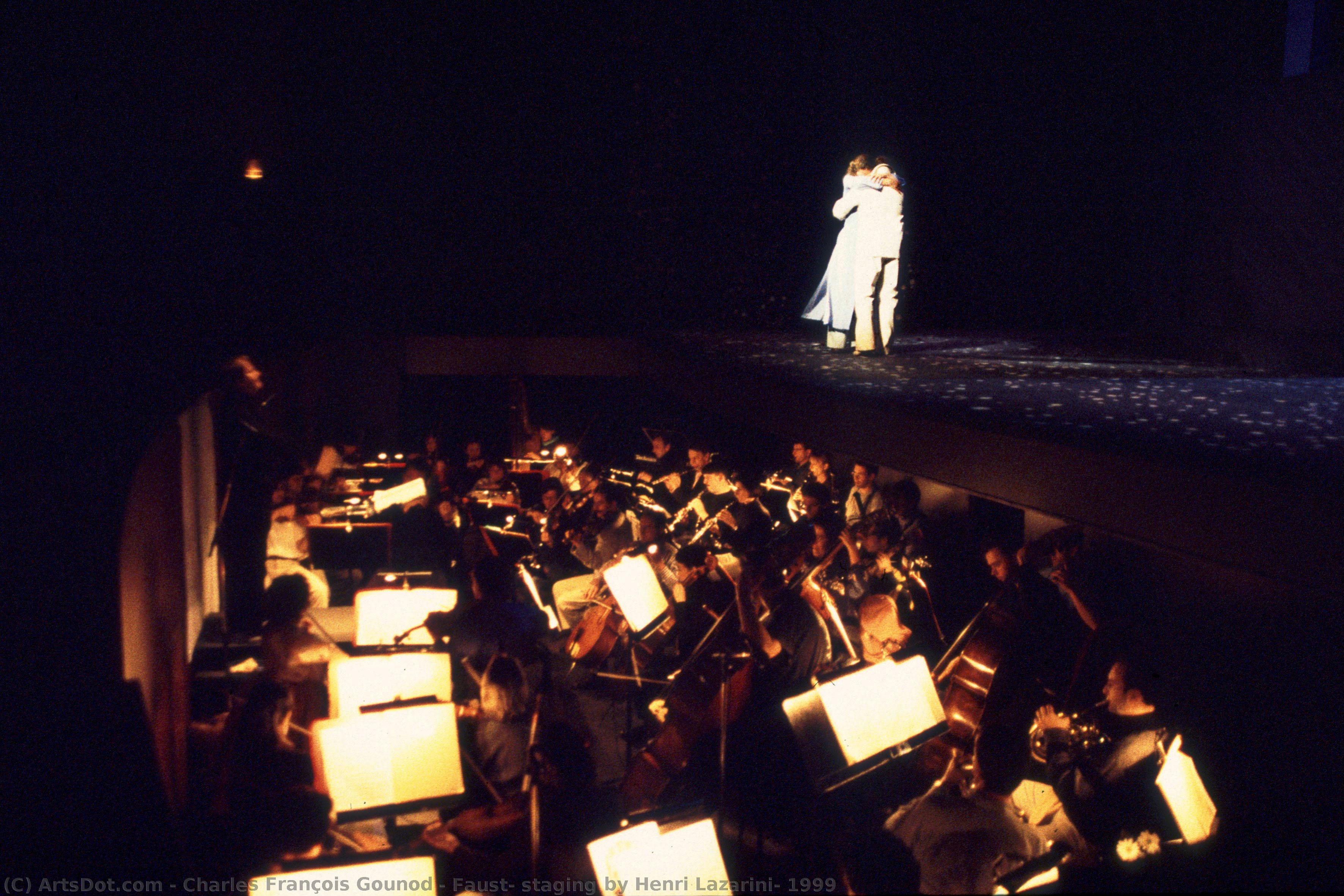
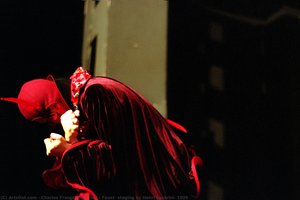
Faust, staging by Henri Lazarini, 1999


 詳細を見る
詳細を見る
オンラインプレビューをはるかに凌ぐ、高解像度で鮮明なデジタル画像をご購入いただけます。
各ファイルは、社内の専門家が高度なツールと熟練した手作業によるレタッチを用いて、細心の注意を払って準備されています。すべての画像において、卓越した鮮明度、正確な色彩再現性、そして繊細なディテールを保証いたします。
最終ファイルは、プロフェッショナルな編集・印刷環境ですぐにご利用いただけるよう最適化された状態で、72時間以内にメールにてお届けいたします。これは、一流のデザインスタジオ、出版社、ギャラリーから信頼されているものと同等の品質です。
デジタル画像のご注文に付随する特典
高品質なデジタル画像配信を、確かな品質で。
ArtsDot.com を選ぶことは、単に画像を手に入れることではありません。それは、プロの手によって精密に仕上げられ、満足保証が付いた高品質なデジタルアートワークを受け取ることを意味します。ご注文いただいた際に自動的に付随する内容は、以下の通りです:

メールですぐにお届け
ご注文から72時間以内に、高解像度のデジタル画像ファイルがメールでお手元に届きます。すぐにそのままご利用いただけます。

AI技術で最適化されたデジタルファイル
お客様の作品は、高度なAIツールと専門家による手作業の編集を組み合わせてプロフェッショナルに最適化されており、細部のディテール、鮮明さ、そして正確な色再現性を最大限に引き出しています。

一生涯無料の再送サービス
ファイルを誤って削除したり、紛失してしまったりしましたか?ご安心ください。いつでも無料で再送いたします。

輸入手数料は一切かかりません
関税や手数料、配送料を気にすることなく、お気に入りのアートワークをすぐにお楽しみいただけます。デジタルダウンロードは常に免税です。

色彩再現の保証
プロ仕様のツールとカラーマネジメント技術を用いることで、デジタル画像が元の色を最大限に忠実に再現することを保証いたします。

60日間満足保証
ご購入いただいたデジタル画像にご満足いただけない場合は、60日以内であれば、修正または100%の返金(理由を問う必要はありません)をさせていただきます。

100% 返金保証
ご満足いただけない場合は、デジタルファイルを受け取ってから60日以内であれば、理由を問わず全額返金いたします。

まとめ買い割引
3枚購入で10%OFF - 5枚購入で15%OFF - 10枚以上購入で20%OFF。クリエイティブなプロジェクト、ギャラリー、エージェンシーに最適です。
作品の詳細
A Moment Frozen in Dramatic Light
In the hauntingly beautiful black and white photograph of Faust, captured during Henri Lazarini’s 1999 staging, we are transported into the heart of a theatrical masterpiece. The image serves as more than just a documentation of a performance; it is a window into a world where music and movement converge to tell a story of eternal longing and supernatural intrigue. At the center of this composition, two figures dance in a delicate yet powerful embrace, their silhouettes etched against the stage with a clarity that commands the viewer's gaze. The absence of color strips away the distractions of costume hue, forcing us to confront the raw, sculptural essence of the performers' movements and the profound emotional tension held within their physical connection.
The composition is masterfully layered, utilizing depth to create an immersive experience for the observer. While the dancers command the foreground, the background reveals a sprawling orchestra, their instruments catching the stage lights in a way that suggests a living, breathing entity supporting the central drama. This arrangement creates a sense of theatrical realism, where the boundary between the performers and the musicians blurs, suggesting that the music itself is an active participant in the narrative. The scattered placement of the musicians adds a rhythmic complexity to the frame, mirroring the intricate layers of Gounod’s legendary score.
The Shadows of Romanticism and Symbolism
Drawing from the rich traditions of Charles François Gounod, this piece evokes the height of Romantic drama. The use of high-contrast monochrome technique allows for a play of light and shadow that is deeply symbolic. The deep blacks represent the encroaching darkness of Mephistopheles and the moral ambiguity inherent in the Faustian legend, while the bright highlights on the dancers suggest the fleeting purity of human passion. For the art collector or interior designer, this piece offers a sophisticated way to introduce chiaroscuro elements into a space, providing a focal point that is both intellectually stimulating and visually striking.
The geometric shapes and dark tones within Lazarini’s staging design contribute to an atmosphere of mystery and grandeur. There is a palpable sense of weight and history in this work, as if the very air on stage is thick with the ghosts of past performances. This evocative quality makes it an ideal selection for those looking to curate a collection centered around themes of classical drama, opera, or the transformative power of the performing arts. It is not merely a depiction of a scene, but a captured essence of the sublime—a moment where the ephemeral nature of theater is rendered permanent through the lens of art.
A Timeless Addition to the Modern Collector
For those seeking to elevate an interior with a piece that speaks of cultural heritage and emotional depth, this reproduction offers unparalleled inspiration. The stark elegance of the black and white palette ensures that it can integrate seamlessly into various design aesthetics, from minimalist modern galleries to more opulent, classical studies. It serves as a conversation starter, inviting guests to contemplate the intersection of music, movement, and myth.
Owning a piece inspired by this 1999 staging is an opportunity to possess a fragment of theatrical history. The technical precision of the light capture and the dramatic weight of the subject matter ensure that the artwork remains a powerful presence in any room, offering a sense of timelessness that transcends the era in which it was captured. It is a tribute to the enduring legacy of Gounod’s Faust and a testament to the enduring magic of the stage.
関連作品


作家の略歴
Thomas Prichard Rossiter: Bridging Romanticism and the Hudson River School
Born in New Haven, Connecticut, in 1818, Thomas Prichard Rossiter’s artistic journey was one of constant evolution, marked by a deep engagement with European art movements and culminating in his significant contribution to the burgeoning American landscape painting scene. Initially influenced by John Boyd and Nathaniel Jocelyn, Rossiter's early training laid the groundwork for a career that would ultimately see him straddle the Romantic and Hudson River School traditions, creating works of striking beauty and historical resonance.
Rossiter’s formative years were spent in New York City, where he honed his skills and established himself as an independent artist. A pivotal moment arrived with his European travels in 1840, undertaken alongside Asher B. Durand, John Kensett, and John William Casilear. This excursion to Italy proved transformative, exposing him to the artistic legacy of Raphael and Michelangelo – figures whose influence would profoundly shape his later work. He spent several years immersed in the Roman art scene, absorbing classical techniques and developing a refined aesthetic sensibility. Returning to New York in 1846, he shared a studio with Louis Lang, further enriching his artistic dialogue.
A European Sojourn and Artistic Maturation
The decision to relocate to Paris in 1853 marked another crucial stage in Rossiter’s development. His wife, Anna Ehrick Parmly, accompanied him, and their family found a new home amidst the vibrant artistic community of the city. This period witnessed a deepening of his artistic practice, culminating in recognition at the Universal Exposition of 1855, where he received a gold medal for his painting *Venice in the Fifteenth Century*. The experience fostered a greater appreciation for European art and culture, subtly influencing his palette and compositional choices.
However, tragedy struck with Anna’s untimely death shortly after the birth of their daughter, Anna. The family subsequently returned to New York, where Rossiter continued to refine his artistic vision. His studio became a hub for artistic exchange, fostering collaborations and providing a space for experimentation. He maintained a gallery, showcasing both his own work and that of fellow artists like Kensett, further solidifying his position within the city’s art community.
Historical Narratives and the American Landscape
The mid-1850s witnessed a shift in Rossiter's artistic focus. He embarked on a series of ambitious historical paintings – *Washington and Lafayette at Mount Vernon*, *Washington and His First Cabinet*, and *George Washington and Family* – that demonstrated his growing interest in depicting significant moments in American history. These works were not merely straightforward portraits; they were carefully researched narratives, imbued with a sense of patriotic fervor and an appreciation for the grandeur of the early republic. His meticulous attention to detail, combined with a refined understanding of composition and color, elevated these paintings beyond simple historical illustrations.
Rossiter’s research for these monumental canvases led him to Mount Vernon in 1858, where he documented the deteriorating state of George Washington's estate. This experience fueled his desire to preserve America’s heritage and inspired a renewed commitment to capturing the essence of American history through his art. His subsequent writings on Mount Vernon reflected both a personal sadness at the decline of this iconic landmark and a passionate plea for its restoration.
Legacy and Historical Significance
Thomas Prichard Rossiter’s artistic career spanned several decades, during which he navigated the evolving landscape of American art. While often overshadowed by his more celebrated contemporaries within the Hudson River School, his work represents a crucial bridge between Romanticism and this influential movement. His meticulous attention to historical detail, combined with a sophisticated understanding of composition and color, established him as a significant figure in 19th-century American painting. Rossiter’s legacy lies not only in his individual achievements but also in his role as a key participant in the development of an authentic American artistic identity – one rooted in both European tradition and a growing sense of national pride.
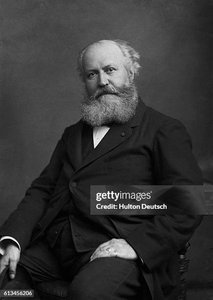
charles françois gounod
1818 - 1893 , France
プロフィール概要
- Artistic Movement Or Style: Hudson River School
- Artists Or Movements Influenced By This Artist: ['Thomas Cole']
- Artists Who Influenced This Artist:
- John Boyd
- Nathaniel Jocelyn
- Date Of Birth: 1818 New Haven, CT
- Date Of Death: 1871 Cold Spring, NY
- Full Name: Thomas Prichard Rossiter
- Nationality: American
- Notable Artworks:
- Washington and Lafayette
- Washington's Cabinet
- George Washington Family
- Place Of Birth: New Haven, Connecticut

