

 プレビュー
プレビュー
 プリントを購入
 シェアする
シェアする シェアする
シェアする
 詳細を見る
詳細を見る

 ダウンロード
 似ている作品
 X線調査
X線調査 スライドショー
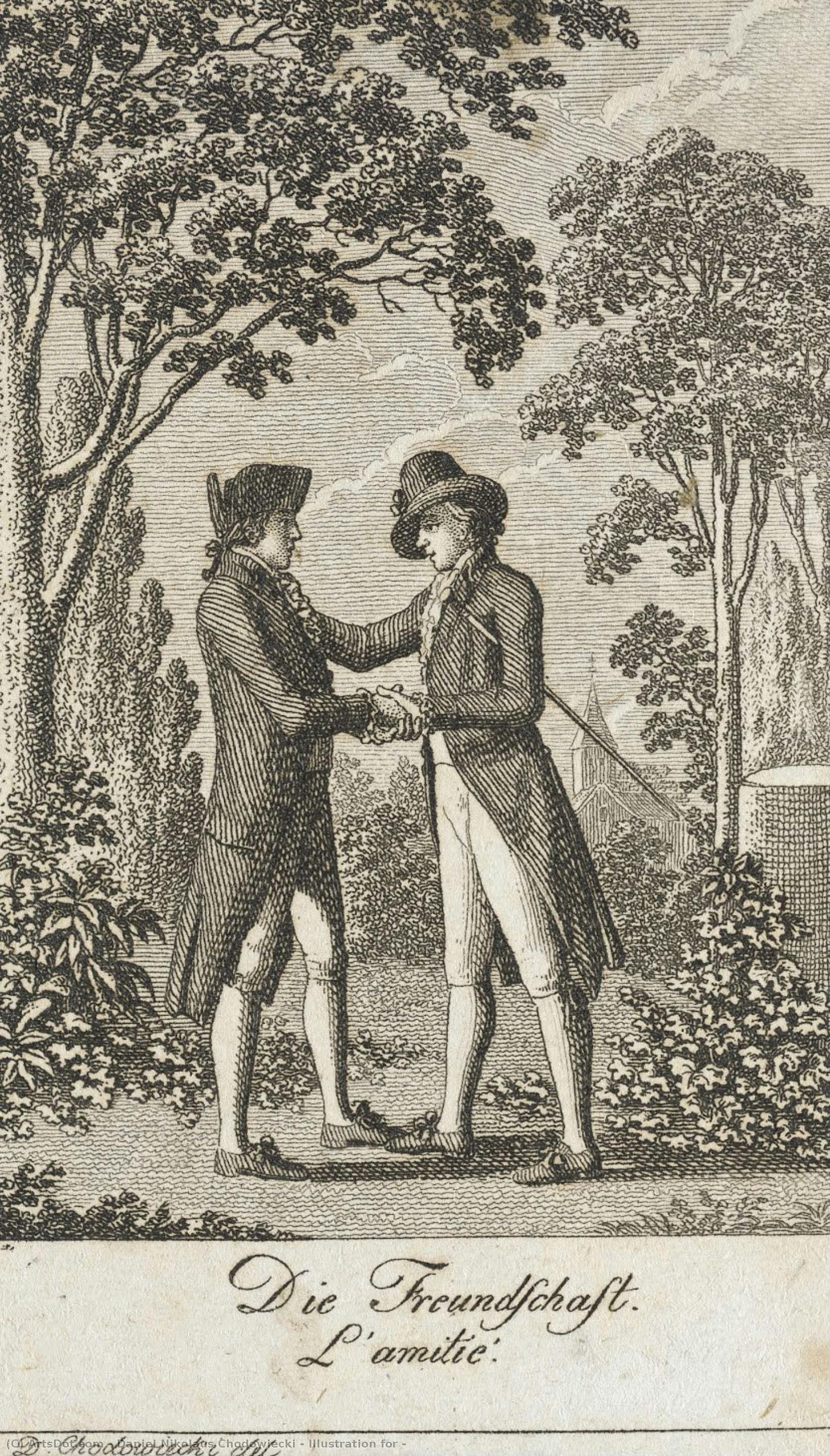
Illustration for
 Acrylic On Canvas
- WallArt
- Zopfstil
 1793
1793 8.0 x 5.0 cm
 ロサンゼルス・カウンティ・ミュージアム・オブ・アート
 詳細を見る
詳細を見る




P118B $10

P118H $10

P118W $10

P438Z $10

P508JH $12

P508YH $12

P805H $10

P805Z $10

P919BZ $10

P919G $10

P919XJ $10

P959ZH $10

P968JZ $12

W106C $8

W218G $10

W218JH $8

W218Y $10

W307PJ $10

W316G $10

W316PJ $8

W316Y $10

W398PJ $8

W4111J $10

W500HY $15

W500JH $15

W692G $12

W849H $8

W940BG $15

W953PJ $8




作品のオリジナル比率に合わせた、当店の規定サイズからお選びください。

特定のフレームやスペースに合わせて、ご希望のサイズをご入力いただけます。選択されたサイズが元の画像の比率と異なる場合、アートワークをトリミングするか、手描きで要素を追加して絵画を拡張いたします。デジタルモックアップ を制作し、制作開始前にご確認(承認)をいただきます。
画面上のプレビューは、実際のトリミングや拡張を正確に反映しているものではありません。最終的な構図は、モックアップによってのみ正確にご確認いただけます。
カスタムサイズもご利用いただけますが、元の比率を維持するためには、あらかじめ用意されたリストからサイズを選択することをお勧めいたします。
ご注文後、ArtsDot.com チームより詳細な指示をお送りするとともに、仕上がりイメージ(モックアップ)をご提供いたします。


 ガラスオプションは、110cm未満のサイズでのみご利用いただけます。

Illustration for
複製技法
複製画のサイズ
-


合計金額
$ 263
作品解説
A Moment of Camaraderie Captured in Etching Stone
Daniel Nikolaus Chodowiecki’s “Die Freundschaft” (“Friendship”), executed in 1793, stands as a testament to the elegance and intellectual curiosity of the late Enlightenment. Measuring just 8 x 5 cm, this diminutive etching commands attention not through sheer size but through its masterful depiction of human connection—a theme central to Chodowiecki’s artistic vision and deeply rooted in the cultural landscape of Berlin during his time. Currently residing at the Los Angeles County Museum of Art (LACMA), it offers a glimpse into a pivotal period of European art history, where observation and nuanced representation were prized above grand spectacle.The Style and Technique: Zopfstil Perfection
Chodowiecki’s etching belongs to the “Zopfstil” (“Braided Style”), a distinctive artistic movement that flourished in Prussia during the Napoleonic era. Characterized by meticulous detail and an emphasis on capturing textures—particularly those of hair, fabric, and wood—the Zopfstil sought to emulate the precision of botanical illustrations. This particular print exemplifies this approach brilliantly; the artist’s painstaking rendering of the men's clothing and hairstyles reveals a dedication to realism that was considered revolutionary for its time. The etching utilizes drypoint technique, where a needle punctures the copper plate before ink is applied, creating fine lines that produce rich tonal variations—a crucial element in conveying the solemnity and sincerity of the depicted friendship.Historical Context: Berlin’s Intellectual Heart
Berlin in 1793 was at the epicenter of European intellectual life, attracting artists, writers, and philosophers from across the continent. Chodowiecki himself served as director of the Berlin Academy of Art, fostering a climate of experimentation and artistic innovation. The etching's illustration for Cervantes’ “Don Quixote” speaks to the broader humanist concerns prevalent in the period—a fascination with human psychology and an appreciation for idealized representations of virtue and companionship. It reflects the burgeoning interest in portraying everyday life with accuracy and sensitivity, marking a departure from earlier Baroque conventions that favored dramatic grandeur.Symbolism: Gesture and Connection
The simple yet profound gesture of shaking hands between the two men embodies the core concept of “Die Freundschaft.” This act symbolizes trust, respect, and mutual understanding—values considered paramount in Enlightenment society. The trees flanking the figures serve as visual anchors, representing stability and enduring bonds. Furthermore, the formal attire – ties – underscores the seriousness of the occasion, highlighting the importance placed on social decorum and intellectual discourse within the bourgeois milieu.Emotional Impact: A Quiet Reflection on Human Relationships
Despite its small scale, “Die Freundschaft” possesses a remarkable emotional resonance. The etching’s subdued palette—primarily shades of grey—contributes to an atmosphere of contemplative solemnity. It invites viewers to contemplate the beauty and significance of genuine human connection—a timeless theme that continues to captivate audiences today. Owning a high-quality reproduction allows one to appreciate this subtle masterpiece and bring its understated elegance into any interior space.関連作品
アーティストの略歴
ベルリンに響くパリの残響:ダニエル・ニコラウス・コドヴィエツキの生涯
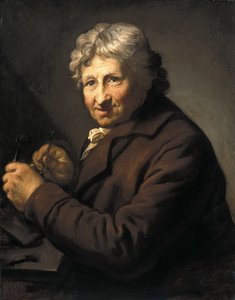
ダニエル・ニコラウス・コドヴィエツキは、ポーランドの遺産とドイツの芸術的生活が交差する地点に立つ、極めて魅力的な人物です。1726年にダンツィヒ(グダンスク)で生まれた彼の幼少期は、その後の繊細な眼差しを形作ることとなる豊かな文化に浸っていました。そのルーツは、代々の商人やユグノーの血筋へと遡りますが、最終的に彼の才能を昇華させる試練の場となったのはベルリンでした。このプロイセンの首都への旅路は、どこか自嘲的な自己認識とともに語られています。それは、ドイツの地に移植された「真のポーランド人」であることを示唆する手紙の中にも見出せる、興味深い細部です。
彼の芸術教育は、16歳でベルリンに移住したことから始まりました。そこで叔父の庇護を受け、重要な指導を受けることとなります。この初期の基礎が才能を開花させ、やがて彼は名高いベルリン芸術アカデミーの認められた会員となり、さらには副学長にまで登り詰めました。その生涯は、職人技への献身と芸術コミュニティへの揺るぎないコミットメントによって彩られた、着実な職業的上昇の軌跡でした。
版画における熟練:ブルジョワジーの魂を捉える
コドヴィエツキの作品は絵画や素描にも及びますが、美術史における彼の地位を不動のものにしたのは、そのエッチング(銅版画)です。彼は単なる画家ではありませんでした。おそらく、同時代のドイツにおいて最も称賛されたグラフィック・アーティストであったと言えるでしょう。数千に及ぶ繊細な版画は、18世紀後半における比類なき視覚的な日記としての役割を果たしています。これらの作品には驚くべき親密さが宿っており、ロココの華やかさと古典主義の台頭する構造との間に位置する過渡的な美学、「ツォップ・シュティール(Zopfstil)」と呼ばれる時代における、新興ブルジョワジーの日常のリズムや静かなドラマを垣間見せてくれます。
彼のブック・イラストレーションは特に注目に値し、ほぼすべての偉大な文学的古典を網羅しています。これらの緻密な描写を通じて、コドヴィエツキは単なる場面だけでなく、時代全体の感性までも捉えるという驚異的な能力を実現しました。彼の芸術は、当時の世に浸透していた感性の崇拝(sensibility cult)を雄弁に物語っており、細部への徹底した観察眼と深い感情的な共鳴を見事に融合させているのです。
歴史的意義と芸術的遺産
コドヴィエツキの重要性は、単なる技術的な習熟を超えたところにあります。彼は、深い変革の中にあった時代の記録者なのです。彼の版画は、描かれた社会の背骨そのものである中産階級の生活に、極めて貴重な光を投げかけています。それらは、もし存在しなければ時の流れの中に失われていたであろう、当時のマナーやファッション、そして家庭生活の記録なのです。
1797年にベルリン芸術アカデミーの学長となったことで、彼は制度的な柱としての役割を確固たるものにしました。したがって、彼の作品は、ドイツの芸術的パトロネージュの中に響くポーランドのアイデンティティという「個人の歴史」と、ヨーロッパを席巻していた「文化的な潮流」との合流点を体現しています。コドヴィエツキを研究することは、エッチングの針が刻む精密さによって描き出された、私的な生活と公的な芸術との間の繊細な均衡を学ぶことでもあるのです。
ダニエル・ニコラウス・コドヴィエツキ
1726 - 1801 , ポーランド
基本情報
- Artistic Movement Or Style: ツォップ・シュティール (Zopfstil)
- Date Of Birth: 1726年
- Date Of Death: 1801年
- Full Name: ダニエル・ニコラウス・ホドフスキ
- Nationality: ポーランド系ドイツ人
- Notable Artworks:
- エッチング
- 挿絵
- Place Of Birth: ポーランド、ダンツィヒ
関連記事
Etching: A Historical Survey of Technique, Aesthetic Qualities & Enduring Artistic Significance
Explore the rich history of etching, from its origins to Rembrandt's masterful innovations. Discover the technique, aesthetic qualities & enduring legacy of this captivating art form. Expert insights for collectors and enthusiasts.
Etching Masters: 10 Legendary Prints That Revolutionized Art | ArtsDot
Journey through 10 legendary etching masterpieces by Rembrandt, Dürer & Goya. Explore the history of printmaking and discover timeless art for your home. Find museum-quality reproductions at ArtsDot.com.
The Intricate World of Etching: A Historical Survey of Technique, Aesthetic Evolution, and Enduring Artistic Impact
Explore the rich history of etching, from its origins to modern practice. Discover techniques, key artists like Rembrandt, and insights for collectors. A comprehensive guide by ArtsDot.
Giclée Prints: Archival Quality & Aesthetic Nuances for the Discerning Collector
Explore the world of giclée prints with ArtsDot. Learn about archival quality, aesthetic nuances & investment potential. Expert guidance for discerning art collectors seeking museum-quality reproductions and lasting value.

The Enduring Legacy of Fine Art Prints: Technique, History & Aesthetic Impact
Explore the rich history & techniques of fine art prints. Discover investment potential, assess authenticity, and learn how to preserve your collection with expert guidance. Trusted insights for discerning collectors.

