

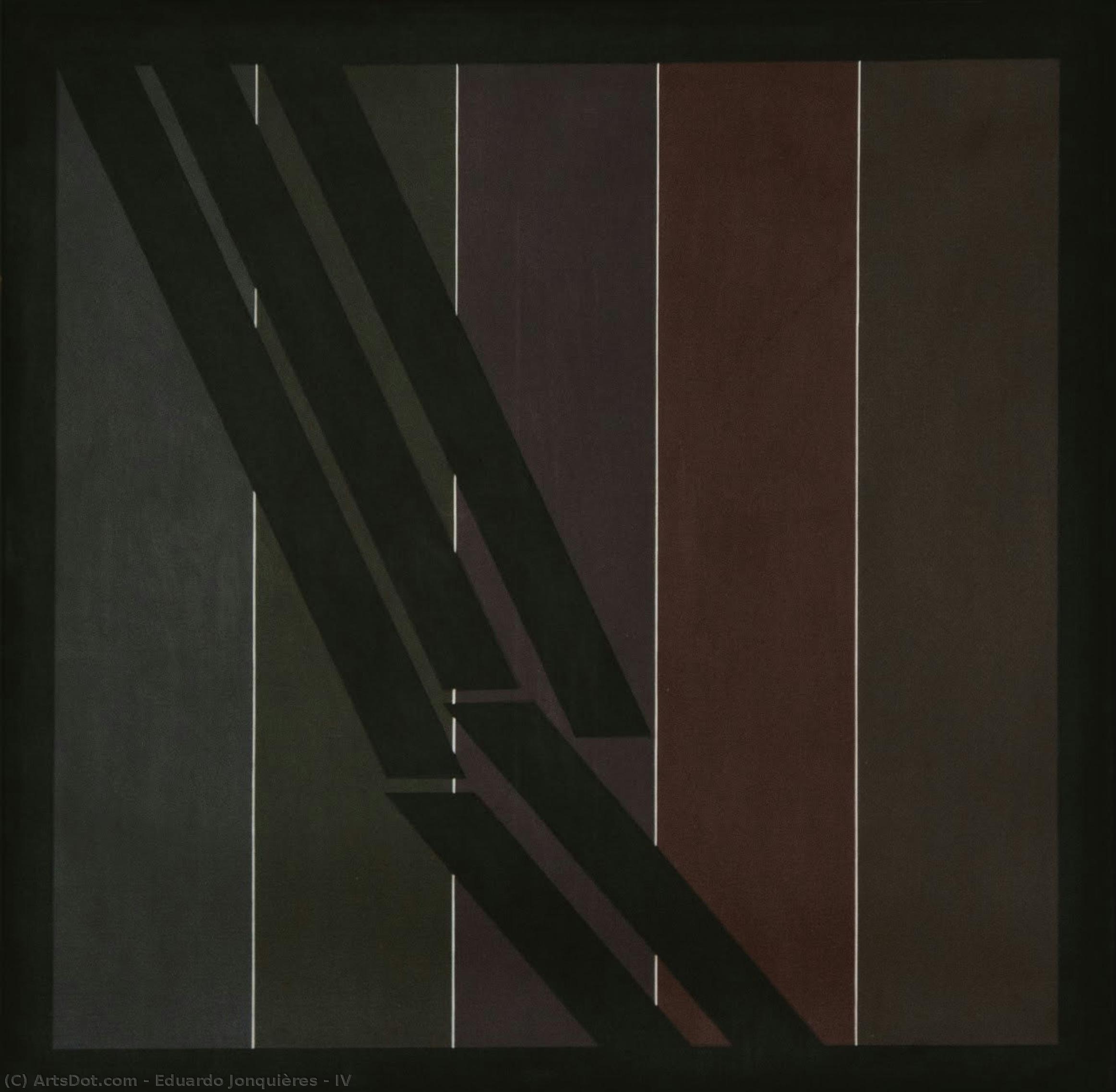
 プレビュー
プレビュー
 シェアする
シェアする シェアする
シェアする
 詳細を見る
詳細を見る

 ダウンロード
 似ている作品
 X線調査
X線調査 スライドショー
 Stats
StatsIV
 1984
1984 79.0 x 79.0 cm
 Museum of the Arts of the University of Guadalajara
 詳細を見る
詳細を見る
オンラインプレビューをはるかに凌ぐ、高解像度で鮮明なデジタル画像をご購入いただけます。
各ファイルは、社内の専門家が高度なツールと熟練した手作業によるレタッチを用いて、細心の注意を払って準備されています。すべての画像において、卓越した鮮明度、正確な色彩再現性、そして繊細なディテールを保証いたします。
最終ファイルは、プロフェッショナルな編集・印刷環境ですぐにご利用いただけるよう最適化された状態で、72時間以内にメールにてお届けいたします。これは、一流のデザインスタジオ、出版社、ギャラリーから信頼されているものと同等の品質です。
デジタルアート
個人での鑑賞、印刷、クリエイティブなプロジェクト用に、高解像度ファイルをダウンロードできます。 ( Switch to Print 手描きの絵画を購入)
デジタル画像のご注文に付随する特典
高品質なデジタル画像配信を、確かな品質で。
ArtsDot.com を選ぶことは、単に画像を手に入れることではありません。それは、プロの手によって精密に仕上げられ、満足保証が付いた高品質なデジタルアートワークを受け取ることを意味します。ご注文いただいた際に自動的に付随する内容は、以下の通りです:

メールですぐにお届け
ご注文から72時間以内に、高解像度のデジタル画像ファイルがメールでお手元に届きます。すぐにそのままご利用いただけます。

AI技術で最適化されたデジタルファイル
お客様の作品は、高度なAIツールと専門家による手作業の編集を組み合わせてプロフェッショナルに最適化されており、細部のディテール、鮮明さ、そして正確な色再現性を最大限に引き出しています。

一生涯無料の再送サービス
ファイルを誤って削除したり、紛失してしまったりしましたか?ご安心ください。いつでも無料で再送いたします。

輸入手数料は一切かかりません
関税や手数料、配送料を気にすることなく、お気に入りのアートワークをすぐにお楽しみいただけます。デジタルダウンロードは常に免税です。

色彩再現の保証
プロ仕様のツールとカラーマネジメント技術を用いることで、デジタル画像が元の色を最大限に忠実に再現することを保証いたします。

100日間満足保証
ご購入いただいたデジタル画像にご満足いただけない場合は、100日以内であれば、理由を問わず修正または100%の返金対応をさせていただきます。

100% 返金保証
ご満足いただけない場合は、デジタルファイルを受け取ってから100日以内であれば、理由を問わず全額返金いたします。

まとめ買い割引
3枚購入で10%OFF - 5枚購入で15%OFF - 10枚以上購入で20%OFF。クリエイティブなプロジェクト、ギャラリー、エージェンシーに最適です。
関連作品
作家の略歴
Eduardo Jonquières: Architect of Concrete Color
Born in Buenos Aires, Argentina, in 1918, Eduardo Jonquières emerged as a pivotal figure in the landscape of Argentine modern art. His journey, marked by a profound engagement with European avant-garde movements and an innovative embrace of acrylic paint, ultimately established him as a key contributor to *Arte Concreto Invención* – a movement that fundamentally reshaped artistic expression within South America. Jonquières’s career spanned nearly eight decades, culminating in his death in 2000, leaving behind a legacy characterized by geometric precision, vibrant color palettes, and a fearless exploration of abstract form.
Jonquières' early artistic development was deeply influenced by the European avant-garde, particularly the principles espoused by the Bauhaus school. This exposure instilled within him a desire to move beyond traditional representational art, seeking instead new modes of visual communication. His initial works reflected this shift, characterized by geometric shapes and bold, often contrasting, colors – a direct response to the dynamism and experimentation prevalent in European artistic circles at the time. The influence of *pinturas elementales*, a movement emphasizing pure abstraction and industrial materials, is readily apparent in these formative pieces, laying the groundwork for his later explorations.
The Rise of Concrete Art and Acrylic Innovation
Jonquières’s most significant contribution lies within his involvement with *Arte Concreto Invención* – a movement that gained momentum in Argentina during the 1940s. This group, comprised of artists like Julio Payró and Carlos Evora, sought to break free from the constraints of traditional painting by embracing abstraction and utilizing unconventional materials. Jonquières’s adoption of acrylic paint proved particularly transformative. Unlike oil paints, which required extensive drying times, acrylic allowed for rapid layering and a heightened sense of immediacy in his compositions. This facilitated the creation of dynamic, layered surfaces that pulsed with energy and visual complexity.
The use of geometric forms remained central to Jonquières’s aesthetic, but it evolved beyond simple shapes into intricate networks and interlocking patterns. He wasn't merely constructing geometric figures; he was building spatial relationships, creating a sense of depth and movement within his canvases. His work became less about depicting objects and more about exploring the inherent qualities of form and color themselves – a core tenet of *Arte Concreto Invención*.
Notable Works and Recognition
Jonquières’s artistic achievements have been recognized through inclusion in prestigious collections, notably the Imperial College Healthcare Charity Art Collection at the Imperial College London. This collection provides a testament to the enduring value of his work and its significance within the broader context of 20th-century art. Furthermore, his paintings have graced the walls of museums across Argentina, including the Museo Nacional de Bellas Artes in Buenos Aires, ensuring that his vision continues to be accessible to a wide audience.
A particularly illuminating example of Jonquières’s early style can be found in “Painting by ‘Prilidiano Pueyrredón,’” a work that demonstrates the influence of European avant-garde principles on his nascent artistic practice. Comparisons with other Argentine artists, such as Oscar Agustín Alejandro Schulz Solari and even Pablo Sináí, reveal shared explorations of new modes of expression, albeit each artist forging their own unique path within the broader movement.
A Lasting Legacy
Eduardo Jonquières’s death in 2000 marked the end of an era for Argentine art. However, his innovative use of acrylic paint and his pioneering role in *Arte Concreto Invención* cemented his place as a vital figure in the country's artistic history. His work continues to be studied and appreciated for its bold experimentation, its vibrant color palettes, and its profound engagement with the principles of abstraction. Jonquières’s legacy extends beyond individual artworks; it represents a pivotal moment in Argentine art – a conscious rejection of tradition and an embrace of a new, dynamic visual language.

eduardo jonquières
1918 - 2000 , Argentina
プロフィール概要
- Artistic Movement Or Style: Concrete art & Acrylic
- Artists Or Movements Influenced By This Artist: ['Pablo Siná']
- Artists Who Influenced This Artist: ['Bauhaus School']
- Date Of Birth: 1918
- Date Of Death: 2000
- Full Name: Eduardo Jonquières
- Nationality: Argentinian
- Notable Artworks: ['Prilidiano Pueyrredón']
- Place Of Birth: Buenos Aires, Argentina