

 プレビュー
プレビュー
 プリントを購入
 シェアする
シェアする シェアする
シェアする
 詳細を見る
詳細を見る

 ダウンロード
 似ている作品
 X線調査
X線調査 スライドショー
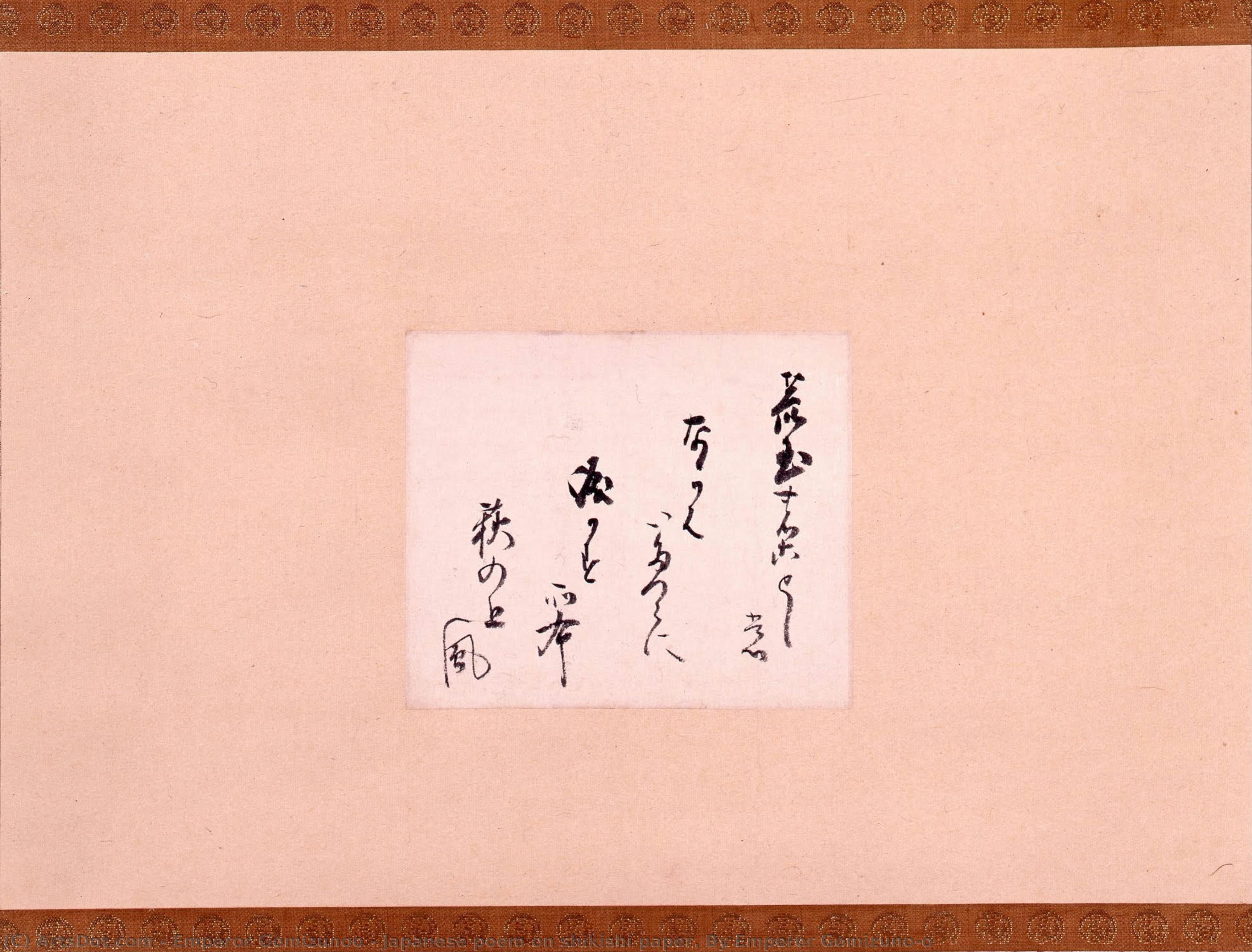
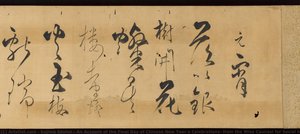
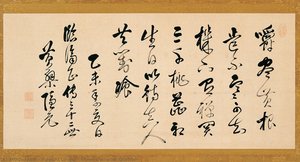
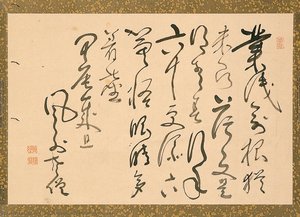
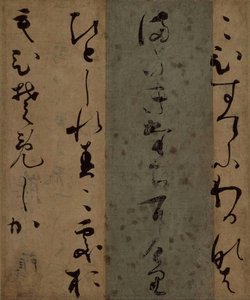
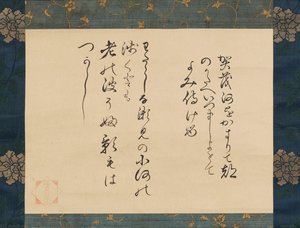
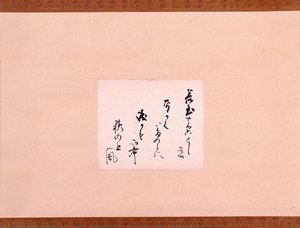
Japanese poem on shikishi paper. By Emperor Gomizuno-o


 詳細を見る
詳細を見る
オンラインプレビューをはるかに凌ぐ、高解像度で鮮明なデジタル画像をご購入いただけます。
各ファイルは、社内の専門家が高度なツールと熟練した手作業によるレタッチを用いて、細心の注意を払って準備されています。すべての画像において、卓越した鮮明度、正確な色彩再現性、そして繊細なディテールを保証いたします。
最終ファイルは、プロフェッショナルな編集・印刷環境ですぐにご利用いただけるよう最適化された状態で、72時間以内にメールにてお届けいたします。これは、一流のデザインスタジオ、出版社、ギャラリーから信頼されているものと同等の品質です。
デジタル画像のご注文に付随する特典
高品質なデジタル画像配信を、確かな品質で。
ArtsDot.com を選ぶことは、単に画像を手に入れることではありません。それは、プロの手によって精密に仕上げられ、満足保証が付いた高品質なデジタルアートワークを受け取ることを意味します。ご注文いただいた際に自動的に付随する内容は、以下の通りです:

メールですぐにお届け
ご注文から72時間以内に、高解像度のデジタル画像ファイルがメールでお手元に届きます。すぐにそのままご利用いただけます。

AI技術で最適化されたデジタルファイル
お客様の作品は、高度なAIツールと専門家による手作業の編集を組み合わせてプロフェッショナルに最適化されており、細部のディテール、鮮明さ、そして正確な色再現性を最大限に引き出しています。

一生涯無料の再送サービス
ファイルを誤って削除したり、紛失してしまったりしましたか?ご安心ください。いつでも無料で再送いたします。

輸入手数料は一切かかりません
関税や手数料、配送料を気にすることなく、お気に入りのアートワークをすぐにお楽しみいただけます。デジタルダウンロードは常に免税です。

色彩再現の保証
プロ仕様のツールとカラーマネジメント技術を用いることで、デジタル画像が元の色を最大限に忠実に再現することを保証いたします。

60日間満足保証
ご購入いただいたデジタル画像にご満足いただけない場合は、60日以内であれば、修正または100%の返金(理由を問う必要はありません)をさせていただきます。

100% 返金保証
ご満足いただけない場合は、デジタルファイルを受け取ってから60日以内であれば、理由を問わず全額返金いたします。

まとめ買い割引
3枚購入で10%OFF - 5枚購入で15%OFF - 10枚以上購入で20%OFF。クリエイティブなプロジェクト、ギャラリー、エージェンシーに最適です。
関連作品
作家の略歴
A Reign Reflected in Ink: The Art of Emperor Gomizunoo
Emperor Gomizunoo, born Kotohito in 1596 and passing in 1680, occupies a singular position in Japanese history. As the 108th emperor of Japan, his reign was entirely contained within the Edo period – a time of relative peace and flourishing arts under the Tokugawa shogunate. While political power resided with the shogun, Gomizunoo cultivated a profound legacy not through governance but through artistic expression, specifically in the delicate art of *shikishi*. He wasn’t merely a patron of the arts; he was a dedicated practitioner, imbuing his calligraphy and poetry with the weight of imperial tradition and a distinctly personal sensibility. His life unfolded against a backdrop of shifting power dynamics, yet he carved out a space for himself as a refined aesthete and a vital link to Japan's cultural past. Born the third son of Emperor Go-Yōzei and Konoe Sakiko – herself an adopted daughter of Toyotomi Hideyoshi – Gomizunoo’s lineage connected him to both the established imperial court and the recently diminished, yet still influential, Toyotomi clan. This unique position likely informed his cautious approach to political matters and his dedication to preserving cultural heritage.The Shikishi as a Mirror of Imperial Life
Gomizunoo’s artistic output is almost entirely focused on *shikishi*, small, rectangular slips of paper used for exchanging poems and calligraphy. These weren't grand pronouncements intended for public display; rather, they were intimate communications within the courtly circles – gifts exchanged between nobles, expressions of condolence, or simply elegant reflections on nature and life. The significance lies not in quantity—his surviving works are relatively few—but in their quality and the insight they offer into his inner world. He favored classical Chinese poetry as a vehicle for expression, meticulously copying verses from renowned Tang Dynasty poets like Du Fu and Li Bai. However, he wasn’t simply replicating; Gomizunoo infused these borrowed forms with his own unique style, characterized by a restrained elegance and subtle emotional depth. His calligraphy is notable for its precise brushwork, balanced composition, and the careful selection of ink tones. Each *shikishi* becomes a miniature world, reflecting not only the poem’s content but also the emperor's state of mind and his reverence for tradition. The act of creating these pieces was itself a form of meditation, a way to connect with past masters and express his own understanding of beauty and impermanence.Influences and Artistic Development
The artistic landscape surrounding Gomizunoo was one steeped in classical Japanese aesthetics. He received rigorous training in calligraphy and poetry from an early age, absorbing the principles of *waka* (Japanese poetry) and Chinese literary traditions. The influence of his predecessors – particularly Emperors Go-Yozei and Ogimachi, both known for their artistic inclinations – is palpable in his work. However, Gomizunoo distinguished himself through a deliberate refinement of existing styles. He moved away from the more flamboyant expressions favored by some earlier court poets, opting instead for a quiet dignity and understated grace. The political climate also played a role. The Edo period saw a rise in Confucianism, which emphasized social harmony and moral rectitude. This likely influenced Gomizunoo’s choice of subject matter – often focusing on themes of nature, solitude, and the transience of life—and his restrained artistic approach. He wasn't seeking to shock or innovate; he was striving for a timeless beauty rooted in classical principles.Legacy and Historical Significance
While Gomizunoo’s reign lacked significant political events, his cultural contributions were profound. His dedication to *shikishi* helped preserve the art form and elevate it as a symbol of imperial refinement. More importantly, he embodied a vision of the emperor as a guardian of tradition and a patron of the arts – a role that would become increasingly important in the centuries following his death. In an era where political power was concentrated elsewhere, Gomizunoo demonstrated the enduring influence of cultural authority. His *shikishi* offer invaluable insights into the aesthetic sensibilities of the Edo period court and provide a glimpse into the inner life of a man who navigated a complex world with grace and intelligence. His work stands as a testament to the power of art to transcend political limitations, offering a timeless expression of beauty, contemplation, and imperial dignity. The surviving examples are now treasured artifacts, studied by scholars and admired for their exquisite craftsmanship and subtle emotional resonance. They represent not just the artistry of an emperor but also the enduring spirit of Japanese culture.Exploring Gomizunoo’s Artistic Themes
- Nature as a Source of Inspiration: Recurring motifs in his *shikishi* include plum blossoms, bamboo, and landscapes – symbols of resilience, purity, and harmony.
- The Transience of Life (Mono no Aware): A central theme is the acceptance of impermanence, often expressed through poems reflecting on seasonal changes or the passage of time.
- Classical Chinese Poetry: His mastery of Tang Dynasty verse demonstrates his deep understanding of literary tradition and his ability to adapt it to a Japanese context.
- Imperial Identity: While subtle, his work reflects a sense of imperial dignity and a commitment to preserving cultural heritage.
emperor gomizunoo
1596 - 1680 , Japan
プロフィール概要
- Artistic Movement Or Style: Shikishi Art
- Date Of Birth: June 29, 1596
- Date Of Death: September 11, 1680
- Full Name: Kotohito (Masahito)
- Nationality: Japanese
- Notable Artworks: ['Japanese Poem on Shikishi Paper']
- Place Of Birth: Kyoto, Japan

