

 プレビュー
プレビュー
 プリントを購入
 シェアする
シェアする シェアする
シェアする
 詳細を見る
詳細を見る

 ダウンロード
 似ている作品
 X線調査
X線調査 スライドショー
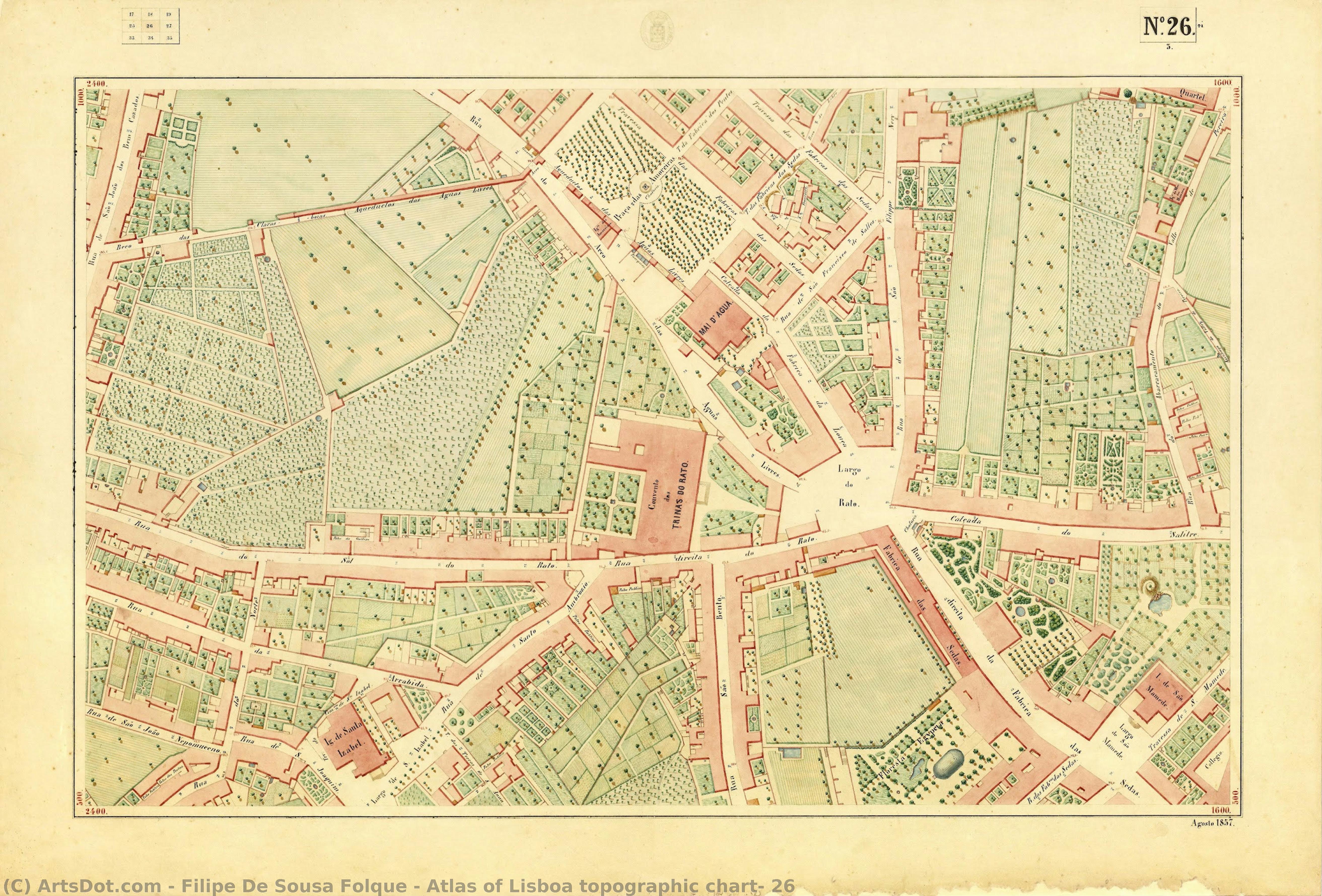
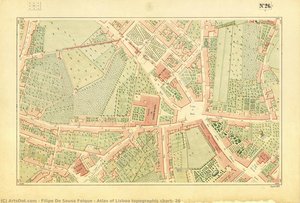
Atlas of Lisboa topographic chart, 26
 Cartography
 1857
1857- 19th Century
 92.0 x 62.0 cm
 Lisboa Municipal Archive
 詳細を見る
詳細を見る
オンラインプレビューをはるかに凌ぐ、高解像度で鮮明なデジタル画像をご購入いただけます。
各ファイルは、社内の専門家が高度なツールと熟練した手作業によるレタッチを用いて、細心の注意を払って準備されています。すべての画像において、卓越した鮮明度、正確な色彩再現性、そして繊細なディテールを保証いたします。
最終ファイルは、プロフェッショナルな編集・印刷環境ですぐにご利用いただけるよう最適化された状態で、72時間以内にメールにてお届けいたします。これは、一流のデザインスタジオ、出版社、ギャラリーから信頼されているものと同等の品質です。
デジタル画像のご注文に付随する特典
高品質なデジタル画像配信を、確かな品質で。
ArtsDot.com を選ぶことは、単に画像を手に入れることではありません。それは、プロの手によって精密に仕上げられ、満足保証が付いた高品質なデジタルアートワークを受け取ることを意味します。ご注文いただいた際に自動的に付随する内容は、以下の通りです:

メールですぐにお届け
ご注文から72時間以内に、高解像度のデジタル画像ファイルがメールでお手元に届きます。すぐにそのままご利用いただけます。

AI技術で最適化されたデジタルファイル
お客様の作品は、高度なAIツールと専門家による手作業の編集を組み合わせてプロフェッショナルに最適化されており、細部のディテール、鮮明さ、そして正確な色再現性を最大限に引き出しています。

一生涯無料の再送サービス
ファイルを誤って削除したり、紛失してしまったりしましたか?ご安心ください。いつでも無料で再送いたします。

輸入手数料は一切かかりません
関税や手数料、配送料を気にすることなく、お気に入りのアートワークをすぐにお楽しみいただけます。デジタルダウンロードは常に免税です。

色彩再現の保証
プロ仕様のツールとカラーマネジメント技術を用いることで、デジタル画像が元の色を最大限に忠実に再現することを保証いたします。

60日間満足保証
ご購入いただいたデジタル画像にご満足いただけない場合は、60日以内であれば、修正または100%の返金(理由を問う必要はありません)をさせていただきます。

100% 返金保証
ご満足いただけない場合は、デジタルファイルを受け取ってから60日以内であれば、理由を問わず全額返金いたします。

まとめ買い割引
3枚購入で10%OFF - 5枚購入で15%OFF - 10枚以上購入で20%OFF。クリエイティブなプロジェクト、ギャラリー、エージェンシーに最適です。
A Window into Mid-Century Lisbon
To gaze upon the Atlas of Lisboa topographic chart, 26 is to embark on a profound journey through time, stepping directly into the heart of Portugal in 1857. Created by the meticulous hand of Filipe de Sousa Folque, this extraordinary work transcends the boundaries of mere cartography, offering instead a soulful portrait of a city in transition. The painting captures the intricate tapestry of Lisbon’s streets, where the architectural grandeur of churches and historic structures stands in silent dialogue with the verdant patches of trees scattered throughout the urban landscape. Every line and stroke serves as a testament to a bygone era, inviting the viewer to wander through a labyrinth of history where the layout of the city tells a story of growth, resilience, and classical elegance.
The artistry of Folque lies in his ability to marry the precision of an engineer with the delicate touch of a romanticist. As a mathematician and military engineer, he possessed an unparalleled eye for detail, ensuring that every street corner and labeled section is rendered with topographical accuracy. Yet, there is a warmth within this technical mastery; the subtle inclusion of tiny figures—the residents of Lisbon moving through their daily lives—infuses the map with a breathing, human element. This delicate balance between scientific observation and artistic expression creates a piece that is as much a work of fine art as it is a historical document, making it an invaluable treasure for those who appreciate the intersection of science and beauty.
Timeless Elegance for the Discerning Collector
For the interior designer or the passionate art collector, this reproduction offers more than just visual appeal; it provides a sophisticated focal point that anchors a room with historical gravity. The muted, antique palette and the intricate, fine-lined detail of the 1857 topography lend themselves beautifully to various decor styles, from the stately atmosphere of a traditional library to the curated minimalism of a modern gallery space. The piece evokes a sense of nostalgia and intellectual curiosity, acting as a conversation starter that celebrates the heritage of European urbanism.
Integrating such a masterpiece into a living space allows for a layer of storytelling within the home. It is an invitation to contemplate the passage of time and the enduring spirit of Lisbon. Whether displayed in a grand study or as part of a curated gallery wall, this work brings an air of academic prestige and old-world charm. Owning a high-quality reproduction of Folque’s work is not merely about decorating a wall; it is about preserving a fragment of the 19th century, ensuring that the meticulous beauty of the Portuguese soul continues to inspire generations to come.
関連作品

作家の略歴
The Mathematical Eye and the Romantic Soul
Born in the historic town of Portalegre in 1800, Filipe de Sousa Folque was a man whose life was defined by the delicate tension between scientific rigor and artistic observation. His journey began under the scholarly shadows of Coimbra University, where he mastered the complexities of mathematics. This academic foundation did more than just provide him with technical skill; it gifted him an analytical lens through which to view the world—a lens that would eventually transform the way Portugal saw itself. As a figure emerging during the Romantic era, Folque possessed the rare ability to look at a landscape and see both its measurable coordinates and its inherent spirit.His upbringing instilled in him a deep appreciation for precision, a quality that would become the hallmark of his later contributions to cartography. By blending the Enlightenment ideals of his education with the burgeoning romanticism of his era, he prepared himself to document not just the earth, but the very essence of the Portuguese landscape.
Engineering the Nation's Boundaries
Folque’s career was far from a solitary pursuit of academic excellence; it was deeply embedded in the service of his nation and its physical expansion. His military trajectory, moving from the Armada to the Army, instilled in him a disciplined approach to the terrain of Portugal. Through his roles within the Ministry of Works and his leadership of the Geodesic and Topographic Commission, he became an architect of the country's very infrastructure. He was not merely recording what existed but was actively shaping the scientific landscape by establishing the Course of Engineer Hydrographer at the Academia Portuguesa, recognizing that the future of Portugal’s maritime identity depended on specialized, technical knowledge.His professional life was a tapestry of diverse responsibilities:
- Service within the Portuguese Armada and later the Army.
- Leadership of the Geodesic and Topographic Commission of the Kingdom.
- The establishment of specialized hydrographic engineering education.
- Directing the General Directorate of Geodetic, Topographic, Hydrographic, and Geological Works.
The Atlas of Lisboa: A Cartographic Masterpiece
Perhaps his most enduring legacy is the Atlas of Lisboa, a monumental achievement completed in 1860 under the commission of King Luís I. This was not merely a collection of maps; it was a profound visual narrative of a city in transition. In these charts, the precision of an engineer meets the delicate touch of a romanticist. One can trace the intricate tapestry of Lisbon’s streets, where the architectural grandeur of historic churches and the verdant patches of urban greenery are rendered with breathtaking accuracy.Yet, beyond the topographical data, there is a warmth to his work—the subtle inclusion of tiny figures moving through the streets breathes life into the paper, turning a technical document into a soulful portrait of mid-century Lisbon. To study Folque’s maps is to wander through a labyrinth of history, where every line serves as a testament to a bygone era of elegance and resilience. His work remains a cornerstone of Lisbon’s visual heritage, proving that true cartography is as much an art form as it is a scientific discipline.
filipe de sousa folque
1800 - 1874 , Portugal
プロフィール概要
- Artistic Movement Or Style: Cartography
- Artists Or Movements Influenced By This Artist: ['None Known']
- Artists Who Influenced This Artist: ['None Known']
- Date Of Birth: November 28, 1800
- Date Of Death: December 27, 1874
- Full Name: Filipe de Sousa Folque
- Nationality: Portuguese
- Notable Artworks: ['Atlas of Lisboa']
- Place Of Birth: Portalegre, Portugal

