 シェアする
シェアする シェアする
シェアする
 詳細を見る
詳細を見る

 ダウンロード
 似ている作品
 スライドショー
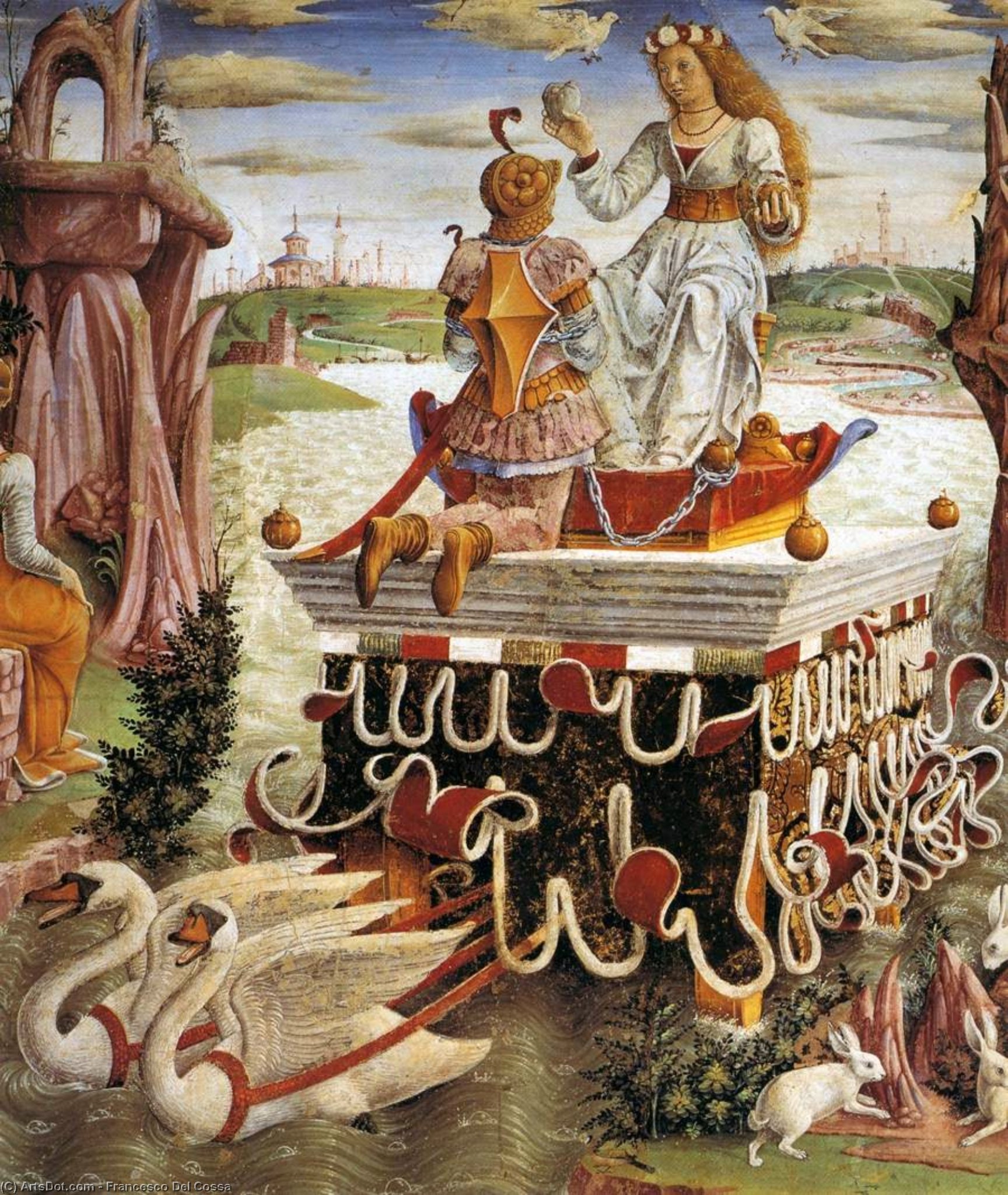
Allegory of April: Triumph of Venus (detail)


 詳細を見る
詳細を見る
ジークレー/アートプリント
迅速な制作と多彩な仕上げオプションを備えた、ミュージアムクオリティのジークレーまたはキャンバスプリント。 ( 手描きの絵画を購入 画像を購入)




































作品のオリジナル比率に合わせた、当店の規定サイズからお選びください。

特定のフレームやスペースに合わせて、ご自身でサイズを指定することも可能です。選択されたサイズが元の画像の比率と一致しない場合、作品をトリミングするか、鏡面反射または単色での塗りつぶしによって画像を拡張いたします。制作を開始する前に、ご確認用のデジタルモックアップをお送りいたします。
画面上のプレビューには、実際のトリミングや拡張は反映されませんのでご注意ください。最終的な構図を正確に確認できるのは、モックアップのみとなります。
カスタムサイズも承っておりますが、元の比率を維持するためには、あらかじめ用意されたリストからサイズを選択することをお勧めいたします。


 ガラスオプションは、110cm未満のサイズでのみご利用いただけます。

Allegory of April: Triumph of Venus (detail)
ジークレー/アートプリント
複製画のサイズ
-


合計金額
$ 62
A Celestial Procession: The Radiance of Francesco del Cossa
In the heart of the Italian Renaissance, amidst the vibrant intellectual fervor of Ferrara, Francesco del Cossa breathed life into the walls of the Palazzo Schifanoia. His masterpiece, Allegory of April: Triumph of Venus (detail), serves as a breathtaking window into a world where classical mythology and seasonal splendor converge. This exquisite fresco detail captures a moment of divine celebration, presenting a scene so rich in texture and movement that it transcends its sixteenth-century origins. As the eye wanders across the composition, one is immediately struck by the graceful procession of swans, their white plumage acting as a luminous contrast to the deep, regal reds of the chariot’s canopy. The painting does not merely depict a myth; it invites the viewer into a rhythmic dance of light and shadow, where every brushstroke contributes to an atmosphere of eternal springtime.
The technique employed by Del Cossa is a testament to the Ferrarese school's mastery of the linear style. There is a remarkable precision in the way he renders the figures, utilizing earthy tones that ground the ethereal subject matter in a palpable reality. The artist’s ability to balance delicate ornamentation with structural strength creates a sense of monumental presence, even within a detailed fragment of a larger cycle. For the discerning collector or interior designer, this piece offers a sophisticated interplay of color and form. The subtle use of light suggests a soft, morning glow, casting gentle highlights on the figures and the symbolic apple, which hints at themes of fertility and abundance. This mastery of fresco technique ensures that the artwork possesses a timeless quality, making it an ideal centerpiece for spaces that demand both historical depth and aesthetic elegance.
Symbolism and the Spirit of the Renaissance
Beyond its visual splendor, the Triumph of Venus is a complex tapestry of symbolic meaning. In the context of the April allegory, Venus represents more than just beauty; she embodies the awakening of nature and the cyclical rebirth of life. The presence of the swans—creatures traditionally associated with purity and grace—serves to elevate the scene from a mere earthly festival to a divine occurrence. Every element, from the positioning of the attendants to the subtle inclusion of fruit, speaks to the Renaissance obsession with reconciling classical antiquity with contemporary human experience. To possess a reproduction of this work is to hold a fragment of this profound intellectual heritage.
For those seeking to curate an environment of inspiration, this artwork provides an emotional resonance that is both calming and invigorating. The celebratory nature of the scene, characterized by its festive arrangement and elegant drapery, can transform a room into a sanctuary of classical refinement. Whether integrated into a modern minimalist setting or a more traditional, opulent interior, the Allegory of April acts as a conversation piece that bridges the gap between the historical past and the contemporary present. It is an invitation to contemplate the enduring power of beauty and the eternal return of spring.
関連作品
アーティストの略歴
Francesco del Cossa: フェラーラが誇るルネサンスの巨匠
フランチェスコ・デル・コッサ(1436年頃 – 1477年)は、フェラーラ派を代表するイタリア・ルネサンス期の極めて重要な画家です。イタリアのフェラーラに生を受けた彼の生涯や経歴は、歴史の霧の中に一部が隠されていることもあり、非常に神秘的な人物として語り継がれています。しかし、彼が遺した芸術的貢献、とりわけその壮麗なフレスコ画は、胎動期にあったルネサンス様式における彼の卓越した技術と革新的なアプローチを今に伝える、揺るぎない証となっています。
幼少期と修業の道
デル・コッサは、石工であり芸術家でもあったクリストファーノ・デル・コッサの息子として生まれました。フランチェスコがどのような初期教育を受けたのか、確かな記録は多く残されていません。しかし、1456年頃にはフェラーラの司教館にある礼拝堂の装飾画において、父の仕事を手伝っていたと考えられています。この幼少期からの芸術的実践への接触が、彼の初期の才能を形作る決定的な要因となったことは疑いようもありません。また、彼は20代後半から30代にかけてフェラーラ国外へと旅に出ていた様子が見て取れ、その過程で新たな経験を積み、未知なる芸術的刺激に触れていた可能性が高いのです。
主要な作品と芸術的様式
デル・コッサの名を最も高めたのは、フェラーラの城門すぐ外に位置する夏の宮殿、スキファノイア宮殿を彩るフレスコ画の連作です。彼はコジモ・トゥーラと協力し、黄道十二星座や四季の月を描いた精緻な寓意的な装飾を完成させました。彼の代表作として挙げられる「五月の寓意 — アポロンの凱旋」は、視覚的に強烈な印象を与える、無数の裸の幼児たちが独特の配置で描かれていることで知られています。また、「四月の寓意」には、ボッティチェリの有名な作品に先駆けて、三美神の初期の表現が見て取れます。これらのフレスコ画は、遠近法、細部へのこだわり、そして物語を紡ぎ出す叙事的な力において、彼の卓越した技量を示しています。
- スキファノイア宮殿のフレスコ画:古典神話とルネサンス的写実主義が融合した、黄道十二星座の寓意画。
- 五月の寓意 — アポロンの凱旋:数多くの裸の子供たちを描いた、他に類を見ない独創的な描写で名高い。
- 四月の寓意:三美神の初期の描写を含み、古典的な主題に対する彼の深い理解を示している。
スキファノイア宮殿以外にも、デル・コッサは数々の重要な作品を遺しています。
- 聖母子と二人の聖人(ボローニャ)
- アルベルト・デ・カタネイの肖像(ボローニャ)
- フレスコ画 マドンナ・デル・バラカーノ(ボローニャ):聖母子とともに、ジョヴァンニ・ベンティヴォリオとマリア・ヴィンジグエラの肖像が描かれている。
- サン・ジョヴァンニ・イン・モンテのステンドグラス(ボローニャ、署名あり)。
発展と影響
デル・コッサの様式は、フェラーラ・ルネサンス特有の多様な影響を反映しています。その根底には初期ゴシックの伝統が息づいていながらも、彼の作品は古典的な形態やヒューマニズム(人文主義)の理想への、ますます強まる傾倒を示しています。特に布地や質感の描写における細部への執着は、鋭い観察眼の賜物です。また、その緻密なディテールの表現には、初期ネーデルラント絵画の影響も見て取ることができます。ボローニャにおいてベンティヴォリオ家の庇護の下で過ごした短くも濃密な時期は、彼のスタイルをさらに洗練させ、彼が遺した最も称賛される肖像画の数々を生み出すこととなりました。
歴史的意義
フランチェスコ・デル・コッサの遺産は、フェラーラ・ルネサンス美術への貢献と、その比類なき芸術的ヴィジョンに集約されています。彼の画業は比較的短期間であったものの、その作品群には、この時代のダイナミズムと革新性が鮮やかに刻まれています。スキファノイア宮殿のフレスコ画は、15世紀の宮廷生活や芸術的パトロネージュを知る上で、かけがえのない歴史的資料です。三美神に代表される古典的主題の描写は、人文主義的な理想への初期の関わりを証明しています。近年では、アリ・スミスによる小説『How to Be Both』での言及や、Google Earthを用いた宝探し企画との関連によって、これまで見過ごされがちであったこのルネサンスの巨匠に、再び世界中の注目が集まっています。
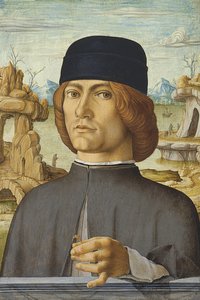
フランチェスコ・デル・コッサ
1436 - 1477 , イタリア
基本情報
- Artistic Movement Or Style: イタリア・ルネサンス
- Artists Or Movements Influenced By This Artist: ['レオナルド・スカレッティ']
- Date Of Birth: 1436年
- Date Of Death: 1477年
- Full Name: フランチェスコ・デル・コッサ
- Nationality: イタリア
- Notable Artworks:
- 5月の寓意
- 4月の寓意
- 男の肖像
- 聖母子
- 聖ヴィンセンツ・フェレール
- Place Of Birth (City And Country): イタリア、フェラーラ
関連記事

家族の遺産を壁画で彩る:伝統技法が紡ぐ、時を超越する美と記憶
古代から現代までの壁画の歴史と技法を解説。日本の壁画文化やカスタムオーダーによる家族の遺産表現、保存・修復技術まで網羅。専門家が時を超越する美と記憶を紡ぐ芸術的価値をご案内します。

The Enduring Legacy of Fresco Painting: Techniques, History & Contemporary Relevance
Explore the rich history & enduring artistry of fresco painting – from Giotto to Michelangelo! Discover techniques, conservation efforts, & modern applications. Learn how ArtsDot brings this timeless art form to your home.

The Enduring Legacy of Fresco: Technique, History & Artistic Expression Across Cultures
Explore the rich history & enduring legacy of fresco painting! Discover ancient techniques, Giotto's masterpieces, and modern applications. Expert insights for art lovers & professionals.

Art That Lives With You: The Emotional Power of a Custom Interior Fresco
Discover the emotional power & timeless beauty of custom interior frescoes. Explore history, design tips & expert guidance from – creating lasting legacies.
The Enduring Legacy of Fresco: Technique, History & Artistic Expression
Explore the rich history & enduring artistry of fresco painting. Discover techniques from Giotto to Michelangelo, conservation efforts, & modern applications. Learn how ArtsDot brings this timeless art form to your home.