

 プレビュー
プレビュー
 シェアする
シェアする シェアする
シェアする
 詳細を見る
詳細を見る

 ダウンロード
 似ている作品
 X線調査
X線調査 スライドショー
 統計情報
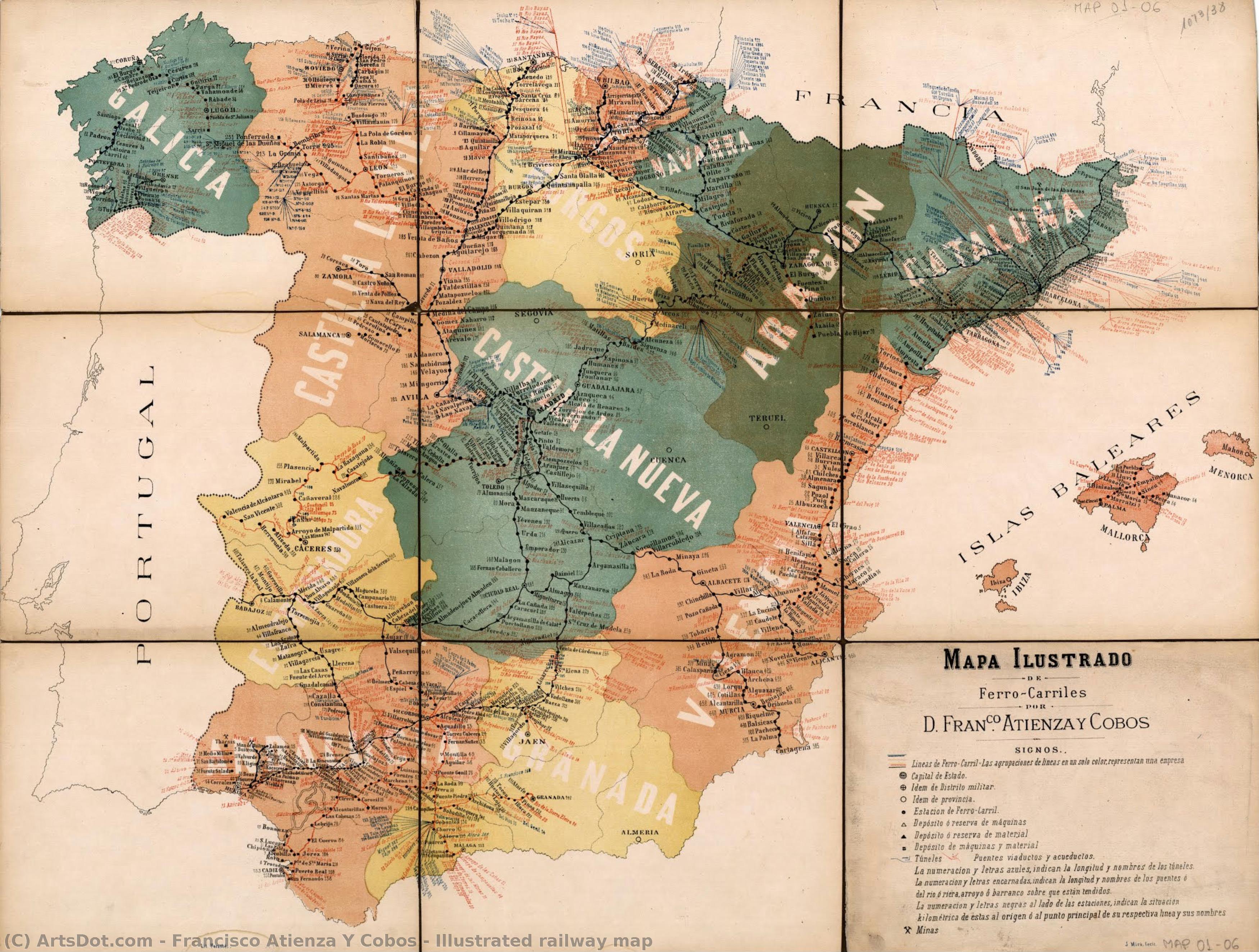
統計情報Illustrated railway map


 詳細を見る
詳細を見る
オンラインプレビューをはるかに凌ぐ、高解像度で鮮明なデジタル画像をご購入いただけます。
各ファイルは、社内の専門家が高度なツールと熟練した手作業によるレタッチを用いて、細心の注意を払って準備されています。すべての画像において、卓越した鮮明度、正確な色彩再現性、そして繊細なディテールを保証いたします。
最終ファイルは、プロフェッショナルな編集・印刷環境ですぐにご利用いただけるよう最適化された状態で、72時間以内にメールにてお届けいたします。これは、一流のデザインスタジオ、出版社、ギャラリーから信頼されているものと同等の品質です。
デジタルアート
個人での鑑賞、印刷、クリエイティブなプロジェクト用に、高解像度ファイルをダウンロードできます。 ( プリント版に切り替え 手描きの絵画を購入)
デジタル画像のご注文に付随する特典
高品質なデジタル画像配信を、確かな品質で。
ArtsDot.com を選ぶことは、単に画像を手に入れることではありません。それは、プロの手によって精密に仕上げられ、満足保証が付いた高品質なデジタルアートワークを受け取ることを意味します。ご注文いただいた際に自動的に付随する内容は、以下の通りです:

メールですぐにお届け
ご注文から72時間以内に、高解像度のデジタル画像ファイルがメールでお手元に届きます。すぐにそのままご利用いただけます。

AI技術で最適化されたデジタルファイル
お客様の作品は、高度なAIツールと専門家による手作業の編集を組み合わせてプロフェッショナルに最適化されており、細部のディテール、鮮明さ、そして正確な色再現性を最大限に引き出しています。

一生涯無料の再送サービス
ファイルを誤って削除したり、紛失してしまったりしましたか?ご安心ください。いつでも無料で再送いたします。

輸入手数料は一切かかりません
関税や手数料、配送料を気にすることなく、お気に入りのアートワークをすぐにお楽しみいただけます。デジタルダウンロードは常に免税です。

色彩再現の保証
プロ仕様のツールとカラーマネジメント技術を用いることで、デジタル画像が元の色を最大限に忠実に再現することを保証いたします。

100日間満足保証
ご購入いただいたデジタル画像にご満足いただけない場合は、100日以内であれば、理由を問わず修正または100%の返金対応をさせていただきます。

100% 返金保証
ご満足いただけない場合は、デジタルファイルを受け取ってから100日以内であれば、理由を問わず全額返金いたします。

まとめ買い割引
3枚購入で10%OFF - 5枚購入で15%OFF - 10枚以上購入で20%OFF。クリエイティブなプロジェクト、ギャラリー、エージェンシーに最適です。
関連作品
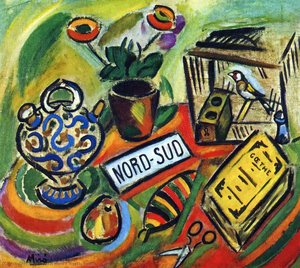




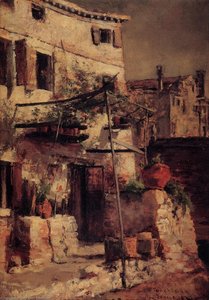
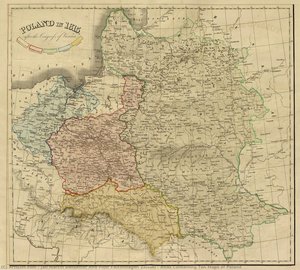
作家の略歴
Pierre-Auguste Renoir: A Celebration of Light and Life
Pierre-Auguste Renoir, born in Limoges on February 25th, 1841, stands as one of the most beloved figures of the Impressionist movement. His life was a vibrant tapestry woven with artistic passion, personal relationships, and a relentless pursuit of capturing the ephemeral beauty of everyday moments. From his humble beginnings apprenticed to a porcelain painter to his eventual recognition as a leading artist, Renoir’s journey reflects both the challenges and triumphs inherent in forging a path within a rapidly evolving art world. He died peacefully on December 3rd, 1919, leaving behind a legacy of luminous paintings that continue to enchant viewers today.Early Years and Artistic Foundations
Renoir’s early life was marked by a strong familial connection to the arts. His father, Henri Renoir, was a tailor, but his paternal grandfather and uncle were skilled goldsmiths, instilling in young Pierre an appreciation for craftsmanship and decorative design. This exposure to artistry led him to apprentice with Thomas Flory, a porcelain painter in Limoges, where he honed his skills in color mixing and meticulous detail – skills that would later inform his approach to painting landscapes and figures. Crucially, Renoir’s artistic education wasn't solely formal; he spent considerable time observing the vibrant street life of Paris, absorbing the energy and movement of the city. This early immersion in urban experience proved pivotal in shaping his future artistic vision. He began exhibiting at the Salon des Artistes Français in 1865, initially focusing on scenes of Parisian nightlife and café culture, often depicting women engaged in conversation or leisure activities.The Impressionist Movement and Artistic Evolution
Renoir’s artistic trajectory became inextricably linked with the rise of Impressionism in the late 1870s. He encountered Claude Monet, Frédéric Bazille, and Edgar Degas at the studio of Jean-Charles Gleyre, a pivotal encounter that profoundly influenced his development. Gleyre's instruction emphasized *plein air* painting – working outdoors directly from nature – a revolutionary concept at the time. Renoir quickly embraced this approach, alongside Monet, experimenting with capturing fleeting effects of light and color. His early Impressionist works, such as *Le Moulin de la Galette* (1876), are characterized by their loose brushstrokes, vibrant palettes, and focus on depicting scenes of Parisian life bathed in sunlight. However, Renoir’s style evolved significantly over time. He moved away from the purely optical concerns of early Impressionism, incorporating elements of classical composition and a greater emphasis on form and structure. His later paintings, particularly those created during his sojourn in Italy (1881), demonstrate a renewed interest in drawing and a more refined technique, reminiscent of Raphael and the Italian Renaissance masters.Themes and Subjects: Women, Joy, and Parisian Life
Renoir’s oeuvre is overwhelmingly dominated by themes of beauty, pleasure, and human connection. He possessed an undeniable fascination with women – their grace, sensuality, and social interactions – which he depicted in countless paintings, including *Bal au moulin de la Galette* (1876), *La Grande Danseuse* (1887), and *Luncheon of the Boating Party* (1880). These works are not merely portraits; they are celebrations of life itself, capturing moments of joy, laughter, and camaraderie. Beyond his depictions of women, Renoir frequently portrayed scenes of Parisian life – café culture, outdoor gatherings, and leisurely pursuits – offering a romanticized vision of the city’s vibrant atmosphere. He skillfully captured the dappled light filtering through trees, the shimmering reflections on water, and the subtle nuances of human expression, creating paintings that are both visually stunning and emotionally resonant.Legacy and Historical Significance
Pierre-Auguste Renoir's impact on the art world is undeniable. He was a key figure in establishing Impressionism as a dominant artistic movement, influencing generations of artists with his innovative techniques and captivating subject matter. His paintings continue to be admired for their luminous color palettes, evocative compositions, and ability to capture the essence of human experience. Beyond his artistic achievements, Renoir’s life itself offers a compelling narrative – a testament to the power of passion, perseverance, and the pursuit of beauty in an ever-changing world. He remains one of the most beloved and recognizable artists of the 19th century, a true champion of light, color, and the simple joys of life. His work is held in major museums worldwide, ensuring that his vibrant vision continues to inspire and delight audiences for years to come.
francisco atienza y cobos
1841 - 1919 , Spain
プロフィール概要
- Artistic Movement Or Style: Impressionism
- Artists Or Movements Influenced By This Artist:
- Monet
- Sisley
- Artists Who Influenced This Artist:
- Courbet
- Delacroix
- Date Of Birth: February 25, 1841
- Date Of Death: December 3, 1919
- Full Name: Pierre-Auguste Renoir
- Nationality: French
- Notable Artworks:
- Dance at Le Moulin de la Galette
- Bal du moulin de la galette
- Luncheon of the Boating Party
- Riel au bouc
- The Bathers
- Place Of Birth: Limoges, France