

 プレビュー
プレビュー
 シェアする
シェアする シェアする
シェアする
 詳細を見る
詳細を見る

 ダウンロード
 似ている作品
 X線調査
X線調査 スライドショー
 統計情報
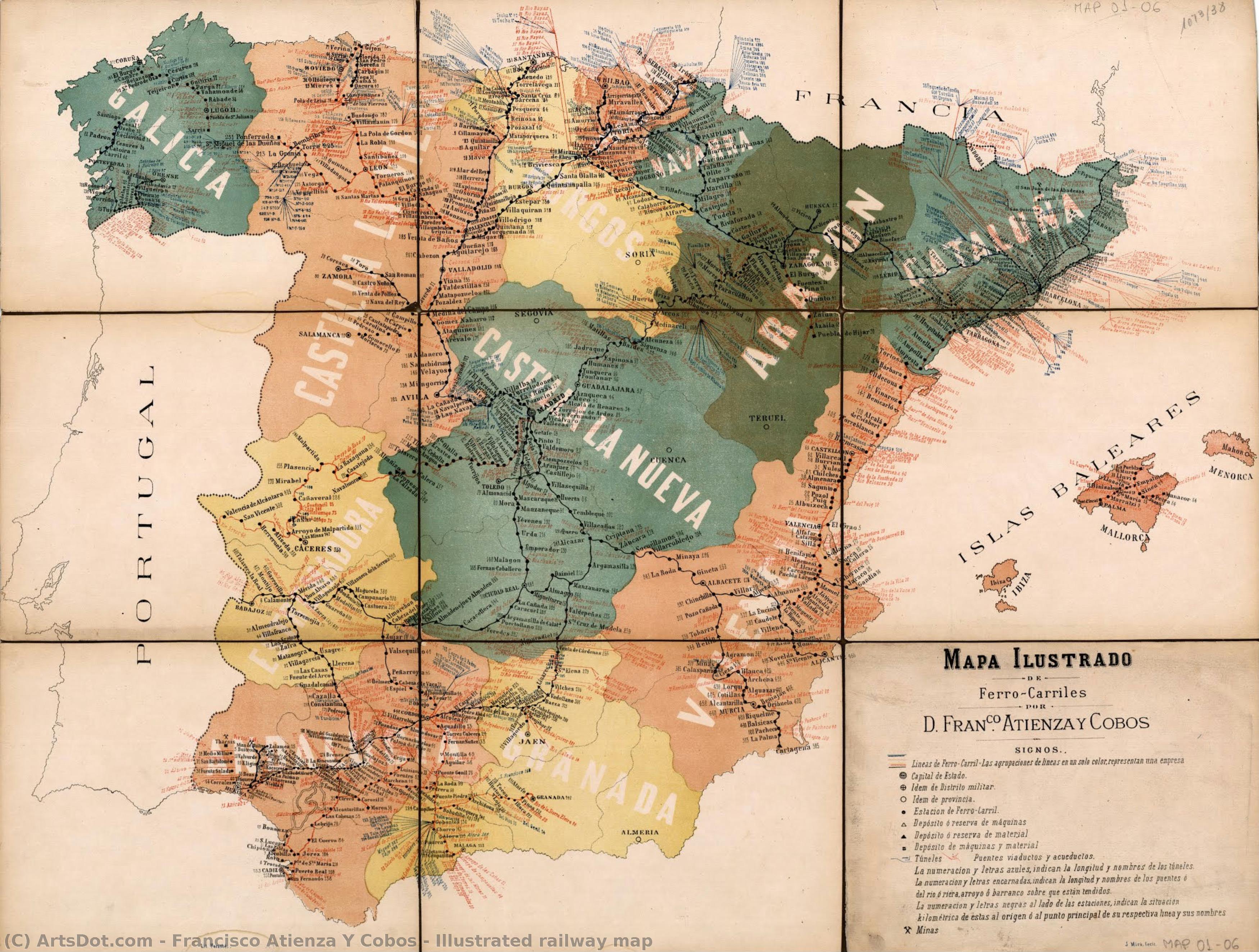
統計情報Illustrated railway map


 詳細を見る
詳細を見る
ジークレー/アートプリント
迅速な制作と多彩な仕上げオプションを備えた、ミュージアムクオリティのジークレーまたはキャンバスプリント。 ( 手描きの絵画を購入 デジタル画像販売へ切り替え)




































作品のオリジナル比率に合わせた、当店の規定サイズからお選びください。

特定のフレームやスペースに合わせて、ご自身でサイズを指定することも可能です。選択されたサイズが元の画像の比率と一致しない場合、作品をトリミングするか、鏡面反射または単色での塗りつぶしによって画像を拡張いたします。制作を開始する前に、ご確認用のデジタルモックアップをお送りいたします。
画面上のプレビューには、実際のトリミングや拡張は反映されませんのでご注意ください。最終的な構図を正確に確認できるのは、モックアップのみとなります。
カスタムサイズも承っておりますが、元の比率を維持するためには、あらかじめ用意されたリストからサイズを選択することをお勧めいたします。


 ガラスオプションは、110cm未満のサイズでのみご利用いただけます。

Illustrated railway map
ジークレー/アートプリント
複製画のサイズ
-


合計金額
$ 62
関連作品



アーティストの略歴
Pierre-Auguste Renoir: A Celebration of Light and Life
Pierre-Auguste Renoir, born in Limoges on February 25th, 1841, stands as one of the most beloved figures of the Impressionist movement. His life was a vibrant tapestry woven with artistic passion, personal relationships, and a relentless pursuit of capturing the ephemeral beauty of everyday moments. From his humble beginnings apprenticed to a porcelain painter to his eventual recognition as a leading artist, Renoir’s journey reflects both the challenges and triumphs inherent in forging a path within a rapidly evolving art world. He died peacefully on December 3rd, 1919, leaving behind a legacy of luminous paintings that continue to enchant viewers today.Early Years and Artistic Foundations
Renoir’s early life was marked by a strong familial connection to the arts. His father, Henri Renoir, was a tailor, but his paternal grandfather and uncle were skilled goldsmiths, instilling in young Pierre an appreciation for craftsmanship and decorative design. This exposure to artistry led him to apprentice with Thomas Flory, a porcelain painter in Limoges, where he honed his skills in color mixing and meticulous detail – skills that would later inform his approach to painting landscapes and figures. Crucially, Renoir’s artistic education wasn't solely formal; he spent considerable time observing the vibrant street life of Paris, absorbing the energy and movement of the city. This early immersion in urban experience proved pivotal in shaping his future artistic vision. He began exhibiting at the Salon des Artistes Français in 1865, initially focusing on scenes of Parisian nightlife and café culture, often depicting women engaged in conversation or leisure activities.The Impressionist Movement and Artistic Evolution
Renoir’s artistic trajectory became inextricably linked with the rise of Impressionism in the late 1870s. He encountered Claude Monet, Frédéric Bazille, and Edgar Degas at the studio of Jean-Charles Gleyre, a pivotal encounter that profoundly influenced his development. Gleyre's instruction emphasized *plein air* painting – working outdoors directly from nature – a revolutionary concept at the time. Renoir quickly embraced this approach, alongside Monet, experimenting with capturing fleeting effects of light and color. His early Impressionist works, such as *Le Moulin de la Galette* (1876), are characterized by their loose brushstrokes, vibrant palettes, and focus on depicting scenes of Parisian life bathed in sunlight. However, Renoir’s style evolved significantly over time. He moved away from the purely optical concerns of early Impressionism, incorporating elements of classical composition and a greater emphasis on form and structure. His later paintings, particularly those created during his sojourn in Italy (1881), demonstrate a renewed interest in drawing and a more refined technique, reminiscent of Raphael and the Italian Renaissance masters.Themes and Subjects: Women, Joy, and Parisian Life
Renoir’s oeuvre is overwhelmingly dominated by themes of beauty, pleasure, and human connection. He possessed an undeniable fascination with women – their grace, sensuality, and social interactions – which he depicted in countless paintings, including *Bal au moulin de la Galette* (1876), *La Grande Danseuse* (1887), and *Luncheon of the Boating Party* (1880). These works are not merely portraits; they are celebrations of life itself, capturing moments of joy, laughter, and camaraderie. Beyond his depictions of women, Renoir frequently portrayed scenes of Parisian life – café culture, outdoor gatherings, and leisurely pursuits – offering a romanticized vision of the city’s vibrant atmosphere. He skillfully captured the dappled light filtering through trees, the shimmering reflections on water, and the subtle nuances of human expression, creating paintings that are both visually stunning and emotionally resonant.Legacy and Historical Significance
Pierre-Auguste Renoir's impact on the art world is undeniable. He was a key figure in establishing Impressionism as a dominant artistic movement, influencing generations of artists with his innovative techniques and captivating subject matter. His paintings continue to be admired for their luminous color palettes, evocative compositions, and ability to capture the essence of human experience. Beyond his artistic achievements, Renoir’s life itself offers a compelling narrative – a testament to the power of passion, perseverance, and the pursuit of beauty in an ever-changing world. He remains one of the most beloved and recognizable artists of the 19th century, a true champion of light, color, and the simple joys of life. His work is held in major museums worldwide, ensuring that his vibrant vision continues to inspire and delight audiences for years to come.
francisco atienza y cobos
1841 - 1919 , Spain
基本情報
- Artistic Movement Or Style: Impressionism
- Artists Or Movements Influenced By This Artist:
- Monet
- Sisley
- Artists Who Influenced This Artist:
- Courbet
- Delacroix
- Date Of Birth: February 25, 1841
- Date Of Death: December 3, 1919
- Full Name: Pierre-Auguste Renoir
- Nationality: French
- Notable Artworks:
- Dance at Le Moulin de la Galette
- Bal du moulin de la galette
- Luncheon of the Boating Party
- Riel au bouc
- The Bathers
- Place Of Birth: Limoges, France