

 プレビュー
プレビュー
 プリントを購入
 シェアする
シェアする シェアする
シェアする
 詳細を見る
詳細を見る

 ダウンロード
 似ている作品
 X線調査
X線調査 スライドショー
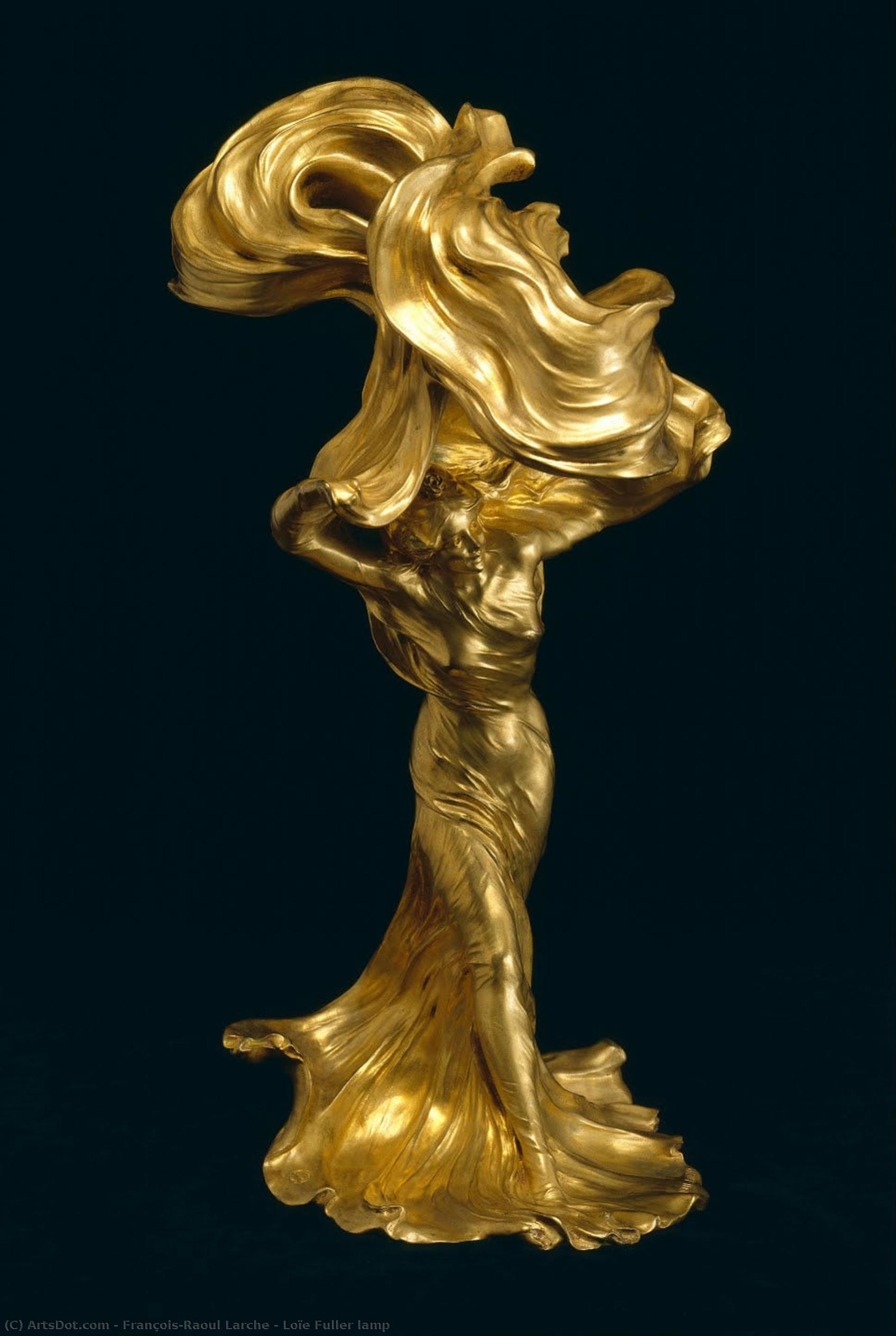
Loïe Fuller lamp
 Oil On Canvas
- WallArt
- Art Nouveau
 1900
1900- 19th Century
 230.0 x 456.0 cm
 オーストラリア国立美術館
 詳細を見る
詳細を見る




P118B $10

P118H $10

P118W $10

P438Z $10

P508JH $12

P508YH $12

P805H $10

P805Z $10

P919BZ $10

P919G $10

P919XJ $10

P959ZH $10

P968JZ $12

W106C $8

W218G $10

W218JH $8

W218Y $10

W307PJ $10

W316G $10

W316PJ $8

W316Y $10

W398PJ $8

W4111J $10

W500HY $15

W500JH $15

W692G $12

W849H $8

W940BG $15

W953PJ $8




作品のオリジナル比率に合わせた、当店の規定サイズからお選びください。

特定のフレームやスペースに合わせて、ご希望のサイズをご入力いただけます。選択されたサイズが元の画像の比率と異なる場合、アートワークをトリミングするか、手描きで要素を追加して絵画を拡張いたします。デジタルモックアップ を制作し、制作開始前にご確認(承認)をいただきます。
画面上のプレビューは、実際のトリミングや拡張を正確に反映しているものではありません。最終的な構図は、モックアップによってのみ正確にご確認いただけます。
カスタムサイズもご利用いただけますが、元の比率を維持するためには、あらかじめ用意されたリストからサイズを選択することをお勧めいたします。
ご注文後、ArtsDot.com チームより詳細な指示をお送りするとともに、仕上がりイメージ(モックアップ)をご提供いたします。


 ガラスオプションは、110cm未満のサイズでのみご利用いただけます。

Loïe Fuller lamp
複製技法
複製画のサイズ
-


合計金額
$ 263
関連作品


アーティストの略歴
Walter Richard Sickert: A Shadowy Figure of London’s Modernist Scene
Walter Richard Sickert, born in Germany in 1860 and tragically passing away in 1942, remains a compellingly enigmatic figure within the annals of British art. More than just an artist, he was a keen observer of his time, a collector of moments, and a pivotal influence on the burgeoning avant-garde scene of early 20th-century London. His work, often characterized by its muted palettes, intimate portraits, and unsettlingly realistic depictions of urban life, continues to provoke discussion and debate amongst art historians today. Sickert’s career unfolded against a backdrop of rapid social change – industrialization, urbanization, and the rise of new artistic movements – shaping his unique vision and cementing his place as a key player in bridging the gap between Impressionism and Modernism.Early Life and Influences: A German Roots in London
Sickert’s early life was marked by a sense of displacement. Born to a German family, he moved to England at a young age, developing a distinctly cosmopolitan perspective that would profoundly influence his artistic approach. He received some formal training, but largely honed his skills through observation and experimentation. Crucially, Sickert's artistic development was shaped by the vibrant art world of London’s Camden Town – a district known for its bohemian atmosphere and association with artists like Whistler and Aubrey Beardsley. This environment fostered a spirit of innovation and challenged conventional artistic norms. He absorbed influences from various sources: the gritty realism of Gustave Courbet, the atmospheric landscapes of J.M.W. Turner, and the psychological intensity of Vincent van Gogh. Notably, Sickert was deeply interested in photography, frequently using photographs as source material for his paintings, a practice that would become increasingly prominent throughout his career.The Camden Town Group and a Distinctive Style
In 1889, Sickert joined the Camden Town Group, a collective of artists who sought to break away from the rigid conventions of the Royal Academy and explore new forms of representation. This group, characterized by its rejection of idealized beauty and embrace of urban subjects, provided a fertile ground for Sickert’s artistic experimentation. His style evolved over time, but consistently retained certain key elements: a preference for dark, shadowy palettes; an interest in capturing fleeting moments of everyday life; and a fascination with the darker aspects of human psychology. He was particularly drawn to scenes of London's nightlife – music halls, pubs, and back alleys – depicting them with a stark realism that often bordered on voyeurism. His paintings frequently featured prostitutes, gamblers, and other marginalized figures, offering a glimpse into the hidden underbelly of Victorian society.Major Works and Recurring Themes
Sickert’s oeuvre is remarkably diverse, encompassing portraits, landscapes, still lifes, and numerous prints. Among his most celebrated works are *Brighton Pierrots* (1890), a haunting depiction of street performers; *The Camden Town Murderers* (1893), a controversial painting that sparked considerable public outrage; and *Dancers at Vauxhall Bridge* (1896), a masterful study of movement and atmosphere. Recurring themes in his work include the transient nature of beauty, the alienation of modern life, and the exploration of human psychology. He was particularly interested in capturing the fleeting expressions on people’s faces – moments of joy, sorrow, or indifference – revealing a profound sensitivity to the nuances of human emotion. His use of light and shadow created an atmosphere of mystery and intrigue, inviting viewers to contemplate the hidden meanings beneath the surface.Legacy and Historical Significance
Walter Richard Sickert’s impact on British art is undeniable. He played a crucial role in shaping the development of Modernism, paving the way for artists like Paul Nash and Vanessa Bell. His innovative approach to subject matter, his rejection of traditional artistic conventions, and his willingness to explore uncomfortable truths established him as a pioneer of a new era in British painting. Despite the controversies surrounding some of his work – particularly the persistent rumors linking him to the Jack the Ripper murders (a theory largely dismissed by scholars) – Sickert remains a significant figure in the history of art. His paintings continue to be exhibited and studied, offering valuable insights into the social and cultural landscape of late Victorian and early 20th-century London. He left behind a body of work that is both unsettling and captivating, reflecting the complexities and contradictions of his time and continuing to challenge viewers to confront uncomfortable truths about human nature.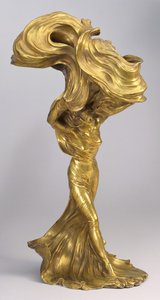
françois-raoul larche
1860 - 1912 , France
基本情報
- Artistic Movement Or Style: British Impressionism
- Artists Or Movements Influenced By This Artist: ['Post-Impressionism']
- Artists Who Influenced This Artist: ['Impressionists']
- Date Of Birth: May 31, 1860
- Date Of Death: January 22, 1942
- Full Name: Walter Richard Sickert
- Nationality: British
- Notable Artworks:
- Brighton Pierrots
- London Group
- Camden Town Group
- Place Of Birth: Berlin, Germany
関連記事

Bronze Sculptures That Defined Art History | ArtsDot
Journey through art history with our Top 10 bronze sculptures! Explore masterpieces by Rodin, Michelangelo & more. Discover stories behind iconic statues and find museum-quality reproductions for your home decor at ArtsDot.com.

The Enduring Form: Exploring Themes & Techniques in Sculpture Across Historical Periods
Explore the rich history of sculpture from ancient masterpieces to contemporary innovations. Discover key techniques, influential artists & investment potential for discerning art collectors.

Bronze Age to Modern Masters: 10 Sculptures That Redefined Art | ArtsDot
Journey through art history with 10 legendary bronze sculptures – from Michelangelo's David to Rodin’s Thinker. Explore the stories, techniques & timeless beauty of these masterpieces. Find museum-quality reproductions & elevate your home decor on ArtsDot.com.
グスタフ・クリムト傑作25選:華麗なる装飾性と象徴が織りなす世界 | ArtsDot
グスタフ・クリムトの傑作25選。華麗なる装飾性と象徴が織りなす世界を紐解きます。キス、ポートレートなど、美術史に残る名画の物語と技法をArtsDotで。高品質複製画やインテリアアートも豊富に。今すぐコレクションをご覧ください。

The Enduring Form: Sculpture Across History, Technique & Emotional Resonance
Explore the rich history of sculpture with ArtsDot. Discover key techniques, influential artists & investment potential for discerning collectors. Expert insights into valuing and collecting timeless masterpieces.

