

 プレビュー
プレビュー
 プリントを購入
 シェアする
シェアする シェアする
シェアする
 詳細を見る
詳細を見る

 ダウンロード
 似ている作品
 X線調査
X線調査 スライドショー
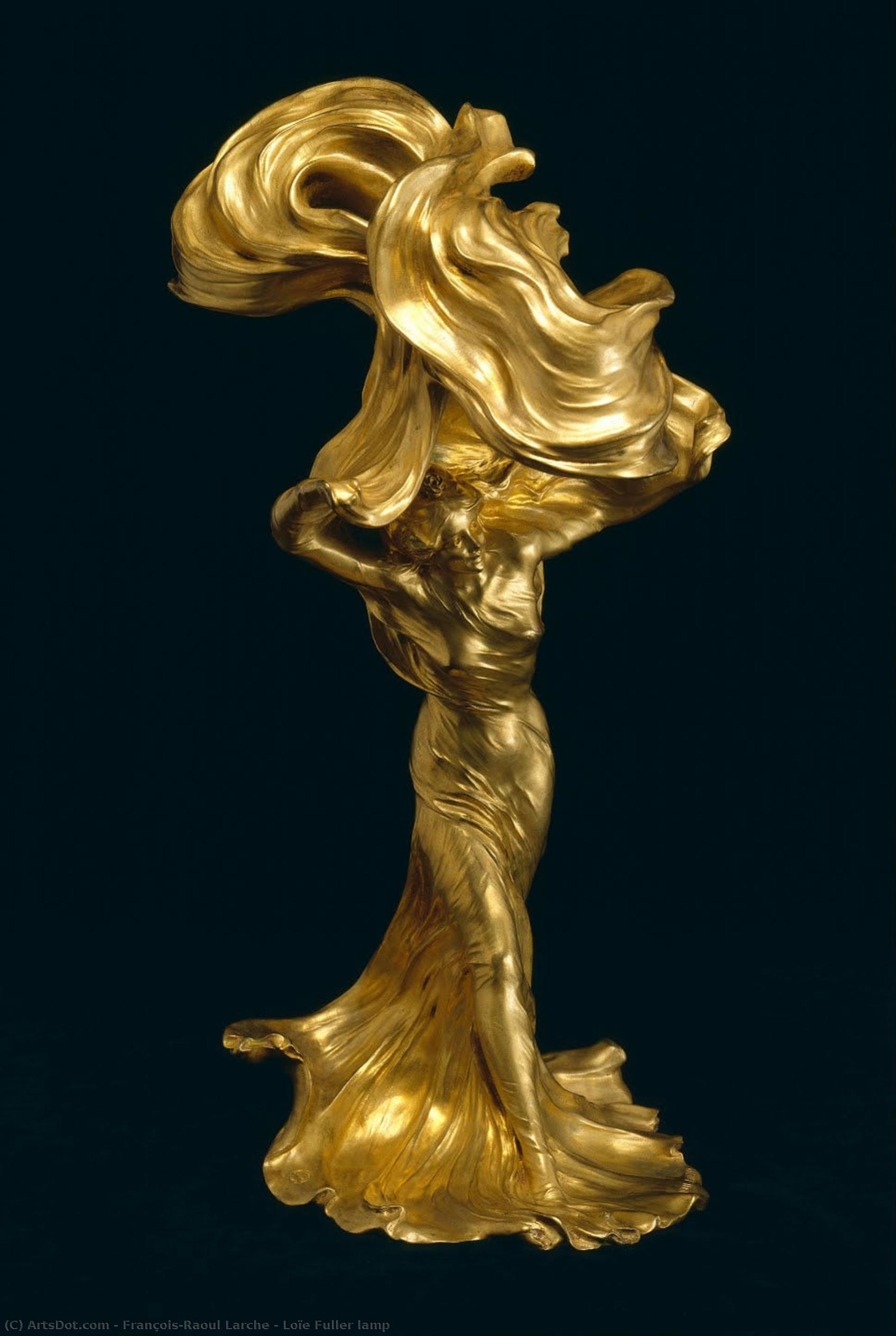
Loïe Fuller lamp
 Oil On Canvas
- WallArt
- Art Nouveau
 1900
1900- 19th Century
 230.0 x 456.0 cm
 オーストラリア国立美術館
 詳細を見る
詳細を見る
オンラインプレビューをはるかに凌ぐ、高解像度で鮮明なデジタル画像をご購入いただけます。
各ファイルは、社内の専門家が高度なツールと熟練した手作業によるレタッチを用いて、細心の注意を払って準備されています。すべての画像において、卓越した鮮明度、正確な色彩再現性、そして繊細なディテールを保証いたします。
最終ファイルは、プロフェッショナルな編集・印刷環境ですぐにご利用いただけるよう最適化された状態で、72時間以内にメールにてお届けいたします。これは、一流のデザインスタジオ、出版社、ギャラリーから信頼されているものと同等の品質です。
デジタル画像のご注文に付随する特典
高品質なデジタル画像配信を、確かな品質で。
ArtsDot.com を選ぶことは、単に画像を手に入れることではありません。それは、プロの手によって精密に仕上げられ、満足保証が付いた高品質なデジタルアートワークを受け取ることを意味します。ご注文いただいた際に自動的に付随する内容は、以下の通りです:

メールですぐにお届け
ご注文から72時間以内に、高解像度のデジタル画像ファイルがメールでお手元に届きます。すぐにそのままご利用いただけます。

AI技術で最適化されたデジタルファイル
お客様の作品は、高度なAIツールと専門家による手作業の編集を組み合わせてプロフェッショナルに最適化されており、細部のディテール、鮮明さ、そして正確な色再現性を最大限に引き出しています。

一生涯無料の再送サービス
ファイルを誤って削除したり、紛失してしまったりしましたか?ご安心ください。いつでも無料で再送いたします。

輸入手数料は一切かかりません
関税や手数料、配送料を気にすることなく、お気に入りのアートワークをすぐにお楽しみいただけます。デジタルダウンロードは常に免税です。

色彩再現の保証
プロ仕様のツールとカラーマネジメント技術を用いることで、デジタル画像が元の色を最大限に忠実に再現することを保証いたします。

60日間満足保証
ご購入いただいたデジタル画像にご満足いただけない場合は、60日以内であれば、修正または100%の返金(理由を問う必要はありません)をさせていただきます。

100% 返金保証
ご満足いただけない場合は、デジタルファイルを受け取ってから60日以内であれば、理由を問わず全額返金いたします。

まとめ買い割引
3枚購入で10%OFF - 5枚購入で15%OFF - 10枚以上購入で20%OFF。クリエイティブなプロジェクト、ギャラリー、エージェンシーに最適です。
関連作品


作家の略歴
Walter Richard Sickert: A Shadowy Figure of London’s Modernist Scene
Walter Richard Sickert, born in Germany in 1860 and tragically passing away in 1942, remains a compellingly enigmatic figure within the annals of British art. More than just an artist, he was a keen observer of his time, a collector of moments, and a pivotal influence on the burgeoning avant-garde scene of early 20th-century London. His work, often characterized by its muted palettes, intimate portraits, and unsettlingly realistic depictions of urban life, continues to provoke discussion and debate amongst art historians today. Sickert’s career unfolded against a backdrop of rapid social change – industrialization, urbanization, and the rise of new artistic movements – shaping his unique vision and cementing his place as a key player in bridging the gap between Impressionism and Modernism.Early Life and Influences: A German Roots in London
Sickert’s early life was marked by a sense of displacement. Born to a German family, he moved to England at a young age, developing a distinctly cosmopolitan perspective that would profoundly influence his artistic approach. He received some formal training, but largely honed his skills through observation and experimentation. Crucially, Sickert's artistic development was shaped by the vibrant art world of London’s Camden Town – a district known for its bohemian atmosphere and association with artists like Whistler and Aubrey Beardsley. This environment fostered a spirit of innovation and challenged conventional artistic norms. He absorbed influences from various sources: the gritty realism of Gustave Courbet, the atmospheric landscapes of J.M.W. Turner, and the psychological intensity of Vincent van Gogh. Notably, Sickert was deeply interested in photography, frequently using photographs as source material for his paintings, a practice that would become increasingly prominent throughout his career.The Camden Town Group and a Distinctive Style
In 1889, Sickert joined the Camden Town Group, a collective of artists who sought to break away from the rigid conventions of the Royal Academy and explore new forms of representation. This group, characterized by its rejection of idealized beauty and embrace of urban subjects, provided a fertile ground for Sickert’s artistic experimentation. His style evolved over time, but consistently retained certain key elements: a preference for dark, shadowy palettes; an interest in capturing fleeting moments of everyday life; and a fascination with the darker aspects of human psychology. He was particularly drawn to scenes of London's nightlife – music halls, pubs, and back alleys – depicting them with a stark realism that often bordered on voyeurism. His paintings frequently featured prostitutes, gamblers, and other marginalized figures, offering a glimpse into the hidden underbelly of Victorian society.Major Works and Recurring Themes
Sickert’s oeuvre is remarkably diverse, encompassing portraits, landscapes, still lifes, and numerous prints. Among his most celebrated works are *Brighton Pierrots* (1890), a haunting depiction of street performers; *The Camden Town Murderers* (1893), a controversial painting that sparked considerable public outrage; and *Dancers at Vauxhall Bridge* (1896), a masterful study of movement and atmosphere. Recurring themes in his work include the transient nature of beauty, the alienation of modern life, and the exploration of human psychology. He was particularly interested in capturing the fleeting expressions on people’s faces – moments of joy, sorrow, or indifference – revealing a profound sensitivity to the nuances of human emotion. His use of light and shadow created an atmosphere of mystery and intrigue, inviting viewers to contemplate the hidden meanings beneath the surface.Legacy and Historical Significance
Walter Richard Sickert’s impact on British art is undeniable. He played a crucial role in shaping the development of Modernism, paving the way for artists like Paul Nash and Vanessa Bell. His innovative approach to subject matter, his rejection of traditional artistic conventions, and his willingness to explore uncomfortable truths established him as a pioneer of a new era in British painting. Despite the controversies surrounding some of his work – particularly the persistent rumors linking him to the Jack the Ripper murders (a theory largely dismissed by scholars) – Sickert remains a significant figure in the history of art. His paintings continue to be exhibited and studied, offering valuable insights into the social and cultural landscape of late Victorian and early 20th-century London. He left behind a body of work that is both unsettling and captivating, reflecting the complexities and contradictions of his time and continuing to challenge viewers to confront uncomfortable truths about human nature.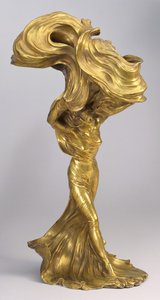
françois-raoul larche
1860 - 1912 , France
プロフィール概要
- Artistic Movement Or Style: British Impressionism
- Artists Or Movements Influenced By This Artist: ['Post-Impressionism']
- Artists Who Influenced This Artist: ['Impressionists']
- Date Of Birth: May 31, 1860
- Date Of Death: January 22, 1942
- Full Name: Walter Richard Sickert
- Nationality: British
- Notable Artworks:
- Brighton Pierrots
- London Group
- Camden Town Group
- Place Of Birth: Berlin, Germany

