

 プレビュー
プレビュー
 プリントを購入
 シェアする
シェアする シェアする
シェアする
 詳細を見る
詳細を見る

 ダウンロード
 似ている作品
 X線調査
X線調査 スライドショー
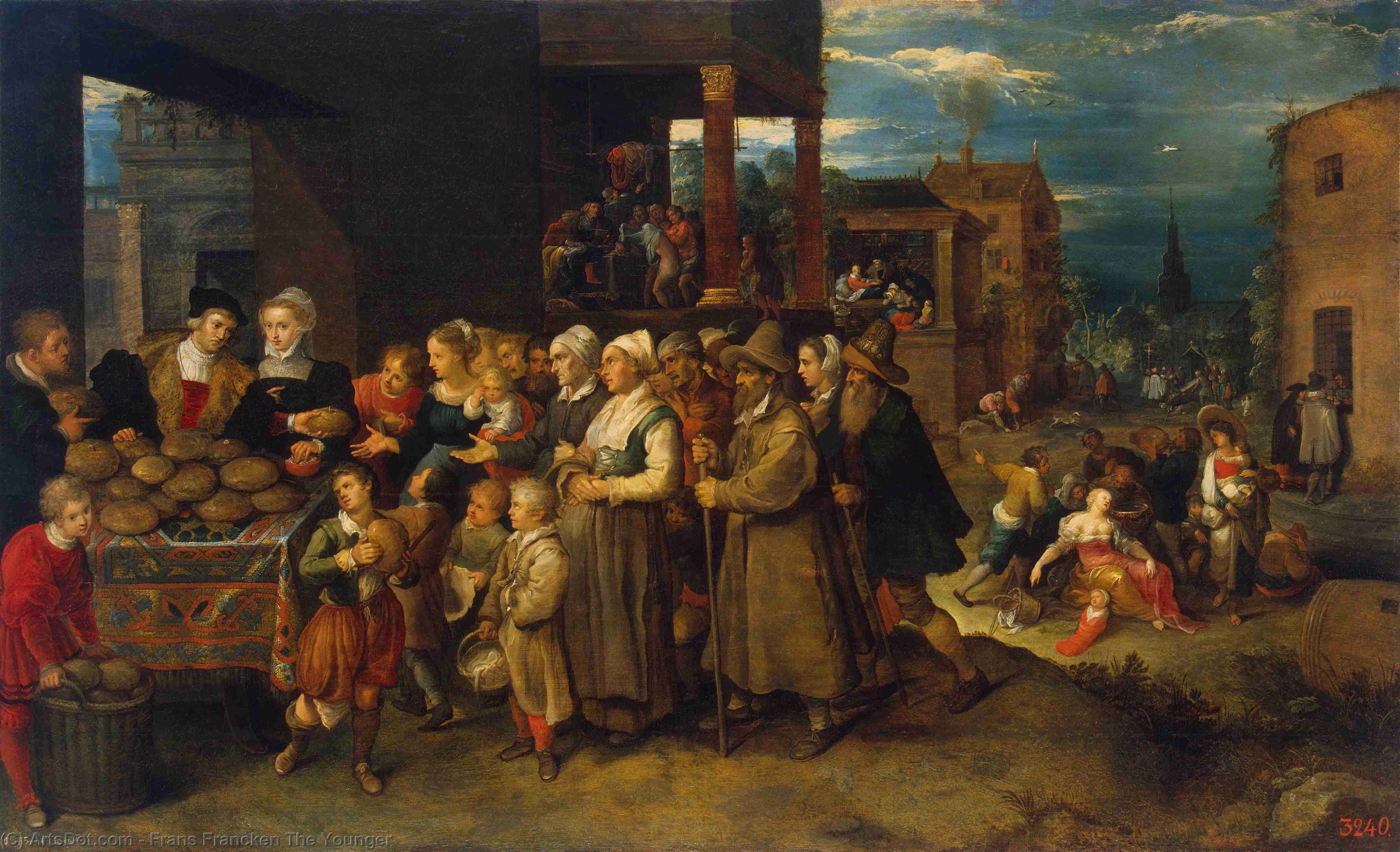
The Seven Acts of Mercy
 Oil On Canvas
- WallArt
- Baroque
 1613
1613 69.0 x 110.0 cm
 エルミタージュ美術館
 詳細を見る
詳細を見る




P118B $10

P118H $10

P118W $10

P438Z $10

P508JH $12

P508YH $12

P805H $10

P805Z $10

P919BZ $10

P919G $10

P919XJ $10

P959ZH $10

P968JZ $12

W106C $8

W218G $10

W218JH $8

W218Y $10

W307PJ $10

W316G $10

W316PJ $8

W316Y $10

W398PJ $8

W4111J $10

W500HY $15

W500JH $15

W692G $12

W849H $8

W940BG $15

W953PJ $8




作品のオリジナル比率に合わせた、当店の規定サイズからお選びください。

特定のフレームやスペースに合わせて、ご希望のサイズをご入力いただけます。選択されたサイズが元の画像の比率と異なる場合、アートワークをトリミングするか、手描きで要素を追加して絵画を拡張いたします。デジタルモックアップ を制作し、制作開始前にご確認(承認)をいただきます。
画面上のプレビューは、実際のトリミングや拡張を正確に反映しているものではありません。最終的な構図は、モックアップによってのみ正確にご確認いただけます。
カスタムサイズもご利用いただけますが、元の比率を維持するためには、あらかじめ用意されたリストからサイズを選択することをお勧めいたします。
ご注文後、ArtsDot.com チームより詳細な指示をお送りするとともに、仕上がりイメージ(モックアップ)をご提供いたします。


 ガラスオプションは、110cm未満のサイズでのみご利用いただけます。

The Seven Acts of Mercy
複製技法
複製画のサイズ
-


合計金額
$ 263
Bernardo Strozzi: A Venetian Baroque Visionary
Bernardo Strozzi, a name synonymous with the dramatic intensity and luminous color of 17th-century Venice, was more than just an artist; he was a pivotal figure in shaping the city’s distinctive Baroque style. Born in Genoa around 1581 and tragically dying in Venice in 1644, Strozzi's life was marked by both artistic brilliance and spiritual transformation. Initially trained under Cesare Corte and later Pietro Sorri – artists who steered him away from the rigid Mannerism of Luca Cambiaso towards a more naturalistic approach – he quickly established himself as a master painter whose works resonated deeply with Venetian sensibilities. His career unfolded across two key cities, Genoa and Venice, each leaving an indelible mark on his artistic development. Strozzi’s early years were spent in Genoa, where he honed his skills and gained recognition for his ability to capture human emotion with remarkable immediacy. He was a prolific painter of portraits and mythological subjects, demonstrating a sensitivity to psychological nuance that distinguished him from many of his contemporaries. However, it was Venice – the epicenter of Baroque grandeur – that truly captivated Strozzi’s imagination and propelled him to unparalleled artistic heights. Drawn by the city's opulent patronage and its embrace of theatrical visual storytelling, he embraced the Baroque aesthetic with fervor, producing canvases brimming with vibrant hues, dynamic compositions, and emotionally charged narratives.- Style: Strozzi’s Venetian style is characterized by a masterful blend of Mannerist elegance and Baroque dynamism. While retaining elements of Mannerist precision—particularly in drapery folds and anatomical detail—he infused his paintings with the expressive fervor demanded by the Baroque period.
- Technique: He employed a revolutionary glazing technique, layering translucent washes of color over underpaintings to achieve unparalleled luminosity and depth. This method allowed him to capture subtle tonal variations and create an ethereal quality that was groundbreaking for its time.
The Seven Acts of Mercy – A Study in Charity and Light
“The Seven Acts of Mercy,” completed in 1613, exemplifies Strozzi’s artistic vision. This monumental oil on canvas depicts a scene of communal generosity and compassion—a gathering of individuals offering assistance to those less fortunate. The composition is meticulously balanced, guiding the viewer's eye across the tableau with graceful curves and diagonal lines. Notice the careful arrangement of figures around the central table laden with food, symbolizing nourishment and sustenance for all involved.- Description: The painting portrays a richly furnished interior illuminated by diffused light—a hallmark of Venetian Baroque interiors. Strozzi’s masterful brushwork captures the textures of fabrics, skin tones, and facial expressions with astonishing realism. Observe the expressive gestures of the participants as they extend their hands in acts of kindness.
- Photo Description: The painting is a large oil on canvas depicting a group of people gathered around a table with food. The scene appears to be set in a marketplace or outdoor gathering area. There are at least 14 people visible in the image, some standing and others sitting around the table. They seem to be enjoying their time together as they share food and conversation. The table is filled with various items such as bowls, cups, and a knife. The bowls can be seen on the left side of the table, while the cups are scattered throughout the scene. A knife is also visible near the center of the table. In addition to the food, there are two bottles placed on the right side of the table. The people in the painting appear to be engaged with one another and their surroundings, creating a lively atmosphere. The overall composition of the image suggests that it is a social gathering or celebration where friends and family come together to share food and enjoy each other's company.
Symbolism and Emotional Resonance
The Seven Acts of Mercy transcends mere depiction; it embodies profound spiritual ideals. The central act—feeding the hungry—represents compassion and selfless care for those in need, reflecting the humanist values prevalent during Strozzi’s era. Furthermore, the luminous quality of the painting—achieved through his innovative glazing technique—symbolizes divine grace and illuminates the moral virtues depicted within its frame. Strozzi's intention was not simply to portray a scene but to evoke an emotional response in the viewer, prompting contemplation on themes of human dignity and social responsibility.Size: 69 x 110 cm
Date: 1613
Concluding Remarks
Bernardo Strozzi’s legacy extends far beyond his artistic achievements. He stands as a testament to the transformative power of art—its ability to inspire empathy, elevate moral consciousness, and capture the sublime beauty of human experience. “The Seven Acts of Mercy” remains an enduring masterpiece, embodying the spirit of Venetian Baroque and securing Strozzi's place among the most influential painters of his time.関連作品

アーティストの略歴
ベルナルド・ストロッツィ:ヴェネツィア・バロックの先見者
17世紀ヴェネツィアの劇的な情熱と、光り輝く色彩の代名詞とも言える名前、ベルナルド・ストロッツィ。彼は単なる画家ではありませんでした。ヴェネツィア独自のバロック様式を形作る上で、極めて重要な役割を果たした人物だったのです。1581年頃にジェノヴァで生まれ、1644年にヴェネツィアで悲劇的な最期を遂げるまで、ストロッツィの生涯は芸術的な輝きと精神的な変容の両方に彩られていました。当初はチェザーレ・コルテ、後にピエトロ・ソッリのもとで修行を積みました。彼らは、ルカ・カンビアーゾによる硬直したマニエリスムから、より自然主義的なアプローチへとストロッツィを導いた師たちでした。こうして彼は、ヴェネツィアの人々の感性に深く共鳴する傑作を生み出す巨匠としての地位を、瞬く間に確立していったのです。彼のキャリアはジェノヴァとヴェネツィアという二つの主要な都市で展開され、そのそれぞれが彼の芸術的発展に消えることのない足跡を残しました。 ストロッツィの若き日々はジェノヴァで過ごされました。そこでの彼は、人間の感情を驚くべき即時性をもって捉える技術を磨き、その才能を認められていきました。歴史画、寓意画、音楽家を描いた風俗画、そして肖像画に至るまで、彼は多作な画家でした。それらすべてが、リアリズムと演劇的な華やかさの魅惑的な融合によって描き出されています。彼の描く主題は、単に写し取られただけではありません。そこには、肌で感じられるほどのドラマと心理的な深みが吹き込まれていたのです。決定的な転換点となったのは、1598年に彼がカプチン会の修道会に入ったことでした。この決断は彼の作品に深い影響を与え、精神的な強烈さと宗教的テーマへの集中をもたらしました。「ジェノヴァの司祭(Il Preライ Prete Genovese)」という愛称は、芸術家としての顔と敬虔な修道士としての顔を併せ持つ、彼の二重のアイデンティティを象徴しています。この時期、彼はアッシジの聖フランチェスコの生涯を描いた数多くの信心深い絵画を手掛けましたが、それはまさに修道会の核心的な価値観の証でもありました。 1630年のヴェネツィアへの移住は、ストロッツィのキャリアにおける新たな章の幕開けとなりました。活気に満ちた芸術コミュニティとパトロン制度を備えたヴェネツィアの空気は、彼のさらなる発展のための肥沃な土壌となりました。彼はすぐに街の芸術界における主要人物として定着し、ドリア家やチェントゥリオーネ家といった名門貴族からの依頼を引き寄せました。ヴェネツィア期における作品は、色彩、光、そして劇的な構図へのさらなる強調を特徴としており、これこそがヴェネツ意バロック様式の真骨頂といえます。ストロッツィのパレットは豊かで光に満ちていました。それは、明暗法(キアロスクーロ)の達人として知られるカラヴァッジョや、ダイナミックな筆致と感情的な強烈さでストロッツィ自身の芸術的ビジョンと共鳴したジェンティレスキの作品からインスピレーションを得たものでした。彼はこれらの影響を巧みに融合させ、力強さと深い感動を同時に与える独自のスタイルを創り上げたのです。芸術的特徴と技法
ストロッツィの芸術は、いくつかの際立った特徴によって一目でそれと分かります。第一に、その色彩の使用は驚くほど鮮やかです。深い赤、豊かな青、そして光り輝く黄色がキャンバスを支配し、強烈なドラマと感情的な共鳴を感じさせる雰囲気を作り出しています。第二に、彼はダイナミックな筆致の技法を用いていました。それは動きと生命力を伝える、幅広くエネルギッシュなストロークを特徴としています。このアプローチは、マドリードの王立ブエナ・ヴィエルタ宮殿のために描かれた名作「バイアの奪還」に見られるような、躍動する人物描写において特に顕著でした。さらに、ストロッツィは明暗の強いコントラストを利用する技法、キアロスクーロを巧みに操り、構図の劇的なインパクトを高めました。これは単なる様式的な選択ではなく、鑑賞者の視線を場面内の重要な要素へと導き、特定の感情を呼び起こすための手段でもありました。喜び、悲しみ、恐怖といった、移ろいゆく一瞬の表情を捉える彼の能力は真に驚異的であり、その肖像画をとりわけ魅力的なものにしています。影響と芸術的繋がり ストロッツィの芸術的発展は、多様な影響によって形作られました。チェザーレ・コルテやピエトロ・ソッリによる初期の修行は、ルカ・カンビアーソの後期マニエリスム様式に彼を触れさせましたが、ソッリは彼をより自然主義的なアプローチへと促しました。また、ストロッツィの形成期にジェノヴァに滞在していたルーベンスの作品も、色彩や構図の使い方に疑いようのない影響を与えています。しかし、ストロッツィのスタイルは紛れもなくヴェネツィア的であり、カラヴァッジョやジェンティレスキといった、ヴェネツィア・バロックの美学を形作る上で不可欠な芸術家たちの作品からインスピレーションを引き出していました。彼はまた、グイド・レニやアンニバーレ・カラッチといった他の著名なヴェネツィアの画家たちとも個人的に親交がありました。トビアス・フェラエヒトやアブラハム・ゴヴァールスといった芸術家との協力関係も、彼の芸術的実践をさらに豊かなものにしました。
遺産と歴史的重要路
比較的短いキャリアであったにもかかわらず、ベルナルド・ストロッツィはヴェネツィアの芸術に不朽の遺産を残しました。彼はティツィアーノやヴェロネーゼといった巨匠たちと並び、ヴェネツィア・バロック絵画の創始者の一人と見なされています。彼の革新的な色彩の使用、劇的な構図、そして心理的な洞察は、その後の世代のヴェネツィアの画家たちに深い影響を与えました。彼の作品は、感情的な強烈さ、技術的な熟練、そして魅惑的な美しさにおいて、今なお称賛され続けています。ストロッツィの物語は、芸術と信仰が持つ変容の力を証明するものであり、芸術家の精神的な旅がいかにして創造的なビジョンを形作り、世界に永続的な影響を与え得るかを示しています。彼の絵画は、17世紀ヴェネツィアの激動しながらも活気に満ちた文化的風景を、切なくも鮮やかに描き出しています。その街は彼の才能を育み、そして最終的には1644年、彼が悲劇的な最期を迎える舞台となったのです。
フランス・フランケン(子)
1581 - 1642 , ベルギー
基本情報
- Artistic Movement Or Style: バロック
- Artists Or Movements Influenced By This Artist: ['ヴェネツィア派の絵画']
- Artists Who Influenced This Artist:
- カラヴァッジョ
- ジェンティレスキ
- ルーベンス
- Date Of Birth: 1581年頃
- Date Of Death: 1642年
- Full Name: ベルナルド・ストロッツィ
- Nationality: イタリア人
- Notable Artworks:
- バイアの奪還
- 寓意画
- 歴史画
- Place Of Birth: イタリア、ジェノヴァ
関連記事

バロックのドラマ:現代のインテリアに壮麗さと情感を取り込む
バロック様式の歴史、絵画、家具の魅力をご紹介。ArtsDotでは、高品質な油絵複製やカスタムポートレートをご提供し、現代のインテリアに壮麗さと情感を取り入れます。アートコンサルテーションも承ります。

The Dramatic Flourish: Exploring the Baroque Movement's Enduring Legacy in Art History
Explore the dramatic world of Baroque art! Discover iconic artists like Caravaggio & Rubens, defining techniques, and its lasting impact on art history. Expert insights for collectors & enthusiasts at ArtsDot.

The Visceral Stage: Exploring Dramatic Narratives & Emotional Intensity in Baroque Art
Explore the dramatic world of Baroque art! Discover iconic masters like Caravaggio & Rembrandt, their techniques, and the movement's lasting impact. Expert insights for collectors & enthusiasts at ArtsDot.

バロック美術を極めた至宝:時代を彩る10大名作の世界
バロック美術の華!カラヴァッジョ、ベルニーニら巨匠が創り上げた10大名作を徹底解剖。ドラマチックな色彩と豪華絢爛の世界観に触れ、至宝のアートプリントで空間を彩ろう。ArtsDot.comで美術館品質の複製と洗練されたインテリアを見つけましょう!

Baroque Classicism: Reconciling Drama & Order in 17th-Century Art
Explore the captivating world of Baroque Classicism! Discover its history, key artists like Caravaggio & Rubens, and defining characteristics. Expert insights & high-quality reproductions at ArtsDot.

