 プレビュー
プレビュー
 プリントを購入
 シェアする
シェアする シェアする
シェアする
 詳細を見る
詳細を見る

 ダウンロード
 似ている作品
 X線調査
X線調査 スライドショー
Karl Friedrich Schinkel
 Drawing
- WallArt
- Neoclassicism, Romanticism
 19th Century
 25.0 x 31.0 cm
 クーパーシュチッヒカビネット
 詳細を見る
詳細を見る




P118B $10

P118H $10

P118W $10

P438Z $10

P508JH $12

P508YH $12

P805H $10

P805Z $10

P919BZ $10

P919G $10

P919XJ $10

P959ZH $10

P968JZ $12

W106C $8

W218G $10

W218JH $8

W218Y $10

W307PJ $10

W316G $10

W316PJ $8

W316Y $10

W398PJ $8

W4111J $10

W500HY $15

W500JH $15

W692G $12

W849H $8

W940BG $15

W953PJ $8




作品のオリジナル比率に合わせた、当店の規定サイズからお選びください。

特定のフレームやスペースに合わせて、ご希望のサイズをご入力いただけます。選択されたサイズが元の画像の比率と異なる場合、アートワークをトリミングするか、手描きで要素を追加して絵画を拡張いたします。デジタルモックアップ を制作し、制作開始前にご確認(承認)をいただきます。
画面上のプレビューは、実際のトリミングや拡張を正確に反映しているものではありません。最終的な構図は、モックアップによってのみ正確にご確認いただけます。
カスタムサイズもご利用いただけますが、元の比率を維持するためには、あらかじめ用意されたリストからサイズを選択することをお勧めいたします。
ご注文後、ArtsDot.com チームより詳細な指示をお送りするとともに、仕上がりイメージ(モックアップ)をご提供いたします。


 ガラスオプションは、110cm未満のサイズでのみご利用いただけます。

Karl Friedrich Schinkel
複製技法
複製画のサイズ
-


合計金額
$ 263
作品解説
A Glimpse into Prussian Grandeur: Franz Krüger's Portrait of Karl Friedrich Schinkel
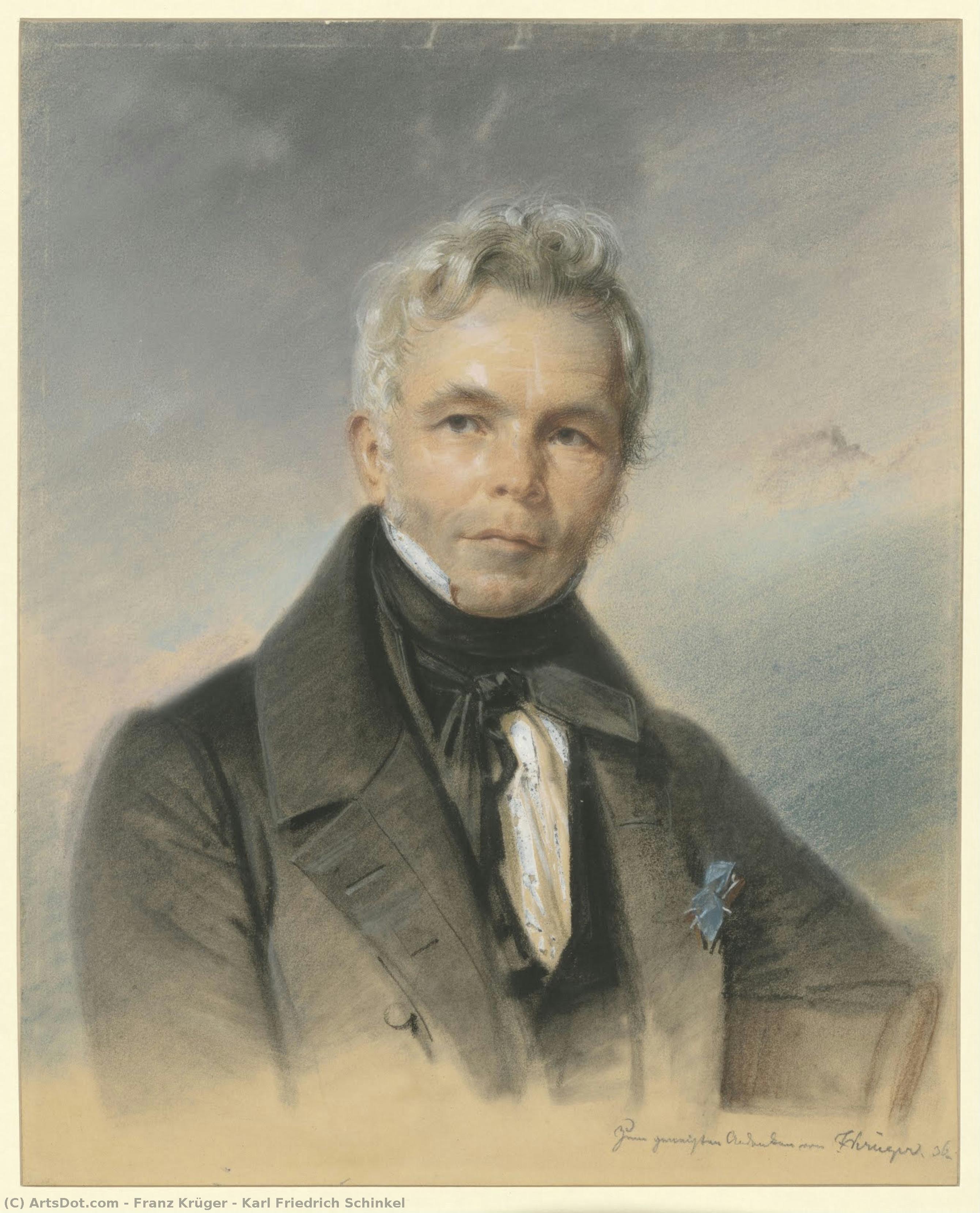
This striking black and white drawing offers an intimate portrait of Karl Friedrich Schinkel, the visionary architect and designer who indelibly shaped Berlin’s landscape in the 19th century. Created by the skilled hand of Franz Krüger around 1836, the artwork transcends a simple likeness; it captures the essence of a man whose influence resonated throughout Prussian society and beyond. Measuring 25 x 31 cm, this piece provides a remarkable window into an era defined by Neoclassical ideals, burgeoning industrialization, and the rise of Prussia as a major European power.
The Artist and His Subject: A Meeting of Minds
Franz Krüger (1797-1857), often affectionately known as "Pferde-Krüger" ("Horse-Krüger") due to his celebrated depictions of horses, was a highly sought-after portraitist in Berlin. His ability to capture both the likeness and the character of his subjects made him a favorite among Prussian royalty and the elite. The subject of this drawing, Karl Friedrich Schinkel (1781-1841), stands as one of Germany’s most significant architects. Schinkel's legacy is woven into the fabric of Berlin; from the iconic Altes Museum to the Neue Wache, his designs embody a harmonious blend of classical principles and innovative urban planning. The fact that Krüger was commissioned to portray Schinkel speaks volumes about the esteem in which both men were held within their respective fields.
A Study in Light and Shadow: Technique and Style
The drawing itself is a testament to Krüger’s technical skill. Executed in black and white, the artist masterfully employs shading and line work to create depth and dimension. The meticulous detail evident in Schinkel's facial features—the subtle curve of his lips, the thoughtful gaze of his eyes—reveals a profound understanding of human anatomy and expression. The crisp lines defining his well-tailored suit and neatly tied cravat underscore the formality and dignity associated with Schinkel’s position. The use of light and shadow is particularly noteworthy; it sculpts the face, highlighting key features while subtly obscuring others, creating an air of quiet contemplation. This style aligns with the Romantic movement's emphasis on emotional depth and individual character, though tempered by a Neoclassical sensibility evident in the precise rendering and formal composition.
Beyond Likeness: Symbolism and Historical Context
More than just a portrait, this drawing serves as a visual document of its time. Schinkel’s attire—the suit, tie, and neatly groomed beard—reflects the prevailing fashion and social conventions of 19th-century Prussia. The very act of commissioning such a formal portrait was itself symbolic, signifying status, achievement, and belonging to a privileged class. The historical context is crucial: Prussia was undergoing significant transformation during Schinkel’s lifetime, evolving from a fragmented collection of states into a unified and powerful nation. As its chief architect, Schinkel played a pivotal role in shaping Berlin's identity as the capital of this rising power. Krüger’s portrait captures not only Schinkel’s individual character but also his embodiment of Prussian ambition and cultural refinement.
A Timeless Reflection: The Enduring Appeal
This drawing by Franz Krüger offers a compelling glimpse into the life and times of Karl Friedrich Schinkel, one of Germany's most influential figures. Its technical mastery, historical significance, and subtle emotional depth ensure its enduring appeal to art lovers, collectors, and anyone fascinated by the grandeur of 19th-century Prussia. Owning a reproduction of this artwork is not merely acquiring a decorative piece; it’s possessing a tangible connection to a pivotal moment in European history—a testament to the vision of an architect who shaped a city and the skill of an artist who captured his essence.
関連作品
アーティストの略歴
ジョセフ・ライト・オブ・ダービー:産業革命の時代を照らす光
18世紀のイギリスにおいて、劇的な光の演出と勃興する産業の情景を語る際、決して欠かすことのできない名が「ジョセフ・ライト・オブ・ダービー」です。彼は単なる画家ではありませんでした。自らが生きる時代の変遷を、キャンバスに刻み込んだ視覚的な記録者だったのです。1734年にダービーで生まれたライトの生涯は、産業化の進展、科学的発見、そして社会価値観の変容という、劇的な社会的・経済的変化の渦中で展開されました。6十年近くに及ぶそのキャリアにおいて、彼は地方の肖像画家から、イギリスで最も独創的かつ影響力のある芸術家の一人へと進化を遂げました。型にはまらない主題への大胆な挑戦と、光を自在に操る卓越した技術こそが、彼をその高みへと押し上げたのです。ライトが遺したレガシーは、単なる絵画の美しさにとどまりません。それは、イギリス史における極めて重要な転換期に対する、深く鋭い洞察そのものなのです。初期の歩みと修行:故郷ダービーへの情熱
ライトの幼少期については、いくぶん謎に包まれた部分が残っていますが、ダービーシャーの画家トーマス・ヒルに弟子入りしたことは知られています。この初期の修行によって、彼は肖像画や風景画の基礎を習得しました。これらの技術は、後に彼が抱くより大きな芸術的野心を支える礎となりました。極めて重要なのは、1751年から1称53年にかけて、ライトがロンドンでハドソンに師事したことです。この時期は彼の形成において決定的な意味を持ち、レンブラントやフェルメールといったオランダの巨匠たちの影響をはじめとする、当時の主要な芸術的潮流に触れる機会となりました。また、確立された美術界での経験を積むことにも繋がりました。しかし、ライトの心の拠り所は常にダービーにありました。彼は故郷を真の家であり、自身のインスピレーションの源泉であると考えていたのです。ロンドンでの修行を終えてダービーに戻った彼は、ミッドランズ地方の紳士階級の間で尊敬される肖像画家としての地位を確立し、研ぎ澄まされた技術と、人物の個性を驚くべき正確さで捉える能力を示す作品を次々と生み出していきました。「キャンドルライト」様式の台頭:革新と影響力
1760年代、ライトの芸術的突破口が開かれました。それは、主に蝋燭の光によって照らし出される劇的な情景へと、その作風がシフトしたことでした。この様式的な選択は、当時の美術界において革命的なものでした。従来の自然光への依存から脱却し、人工的な輝きを取り入れることで、神秘性、ドラマ、そして親密な空気感を生み出したのです。彼は、明暗の強烈なコントラストを用いる「キアロスクロ」を先駆的に用いたオランダの巨匠たちからインスピレーションを得つつも、それを自分自身の独自のビジョンへと昇華させました。彼の最も名高い傑作、『空気ポンプを用いた鳥の実験』(1768年)は、この革新を見事に体現しています。この絵画には、空気ポンプの中で慎重に鳥を解剖する科学者たちの姿が、蝋燭の不気味な光の中に浮かび上がっています。この情景は単なる科学的な観察記録ではありません。それは知識への探求と、歯止めの利かない野心が孕む潜在的な危険性を象徴する強力なメタファーであり、当時の観衆の心に深く共鳴するテーマでした。ルナ・ソサエティとの繋がり:科学的探究の黎明を描く
ライトの芸術活動は、バーミンガムとその周辺で定期的に集まっていた知識人、科学者、実業家のグループ「ルナ・ソサエティ」の活動と密接に結びついていました。チャールズ・ダーウィンの祖父であるエラスムス・ダーウィン、ジョセフ・プリーストリー、ジェームズ・ワットといった人物を含むこの結社は、科学的探究心と技術革新の勃興する精神を象徴していました。ライトは彼らの会合や実験を細部まで記録し、知的な熱狂に満ちた空気感を驚くべき感性で捉えました。『錬金術師の息子』(1780年)や『ダイヤモンド鋳造所』(1783年)といった作品には、化学実験や科学的発見の場面が描かれており、そこには畏敬の念と不安の両方が入り混じった感情が漂っています。これらの作品は単なる出来事の描写ではなく、イギリスの知的な風景が変容していく様を映し出す視覚的な物語なのです。遺産と歴史的意義
1797年にこの世を去ったジョセフ・ライト・オブ・ダービーですが、彼が遺した作品群は今なお人々を魅了し、刺激を与え続けています。彼は、産業革命の精神を見事に捉えた最初の職業画家であると広く認められています。それは工場や機械をロマンチックに描くことによってではなく、科学者、発明家、そして労働者といった、イギリス史の新しい時代を形作っていた「人間」という要素に焦点を当てることによって成し遂げられました。光の巧みな操り、劇的な構図、そして現代生活に対する洞察に満ちた描写は、彼をイギリスで最も重要な芸術家の一人として不動のものにしました。彼の作品は、革新が持つ変革の力と、科学や人類の挑戦という神秘に対する永遠の魅惑を物語る、力強い証しとして存在しています。ライトの絵画は現在、主にダービー市議会のコレクションに収蔵されており、この類まれな芸術家がその生誕の地、そして世界中で称えられ続けることを確かなものにしています。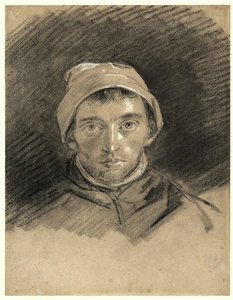
フランツ・クリューガー
1797 - 1857 , ドイツ
基本情報
- Artistic Movement Or Style: ロマン主義、新古典主義
- Artists Or Movements Influenced By This Artist: ['オランダ絵画']
- Artists Who Influenced This Artist: ['ハドソン']
- Date Of Birth: 1734年9月3日
- Date Of Death: 1797年8月29日
- Full Name: ジョセフ・ライト・オブ・ダービー
- Nationality: イギリス
- Notable Artworks:
- 空気ポンプの中の鳥の実験
- 屠殺された子羊
- Place Of Birth: イギリス、ダービー
関連記事

Dark Masterpieces: 10 Iconic Paintings Dominated by Black Tones |
Explore 10 iconic paintings dominated by black tones, from Rembrandt’s chiaroscuro to Goya's dark expressions. Discover the stories behind these masterpieces & find museum-quality art reproductions for your home at .
Mars Black Masterpieces: 10 Iconic Paintings & Timeless Art Decor Ideas
Delve into the power of 'Mars Black' with 10 iconic paintings by masters like Rembrandt & Caravaggio. Explore dramatic chiaroscuro, gothic art, and timeless beauty. Find museum-quality reproductions & elevate your home decor on .
Lamp Black & Masterpieces: 10 Paintings That Define Shadow & Light |
Delve into the captivating world of 'Lamp Black' tones with 10 iconic paintings by masters like Rembrandt & Caravaggio. Explore Baroque chiaroscuro, dramatic lighting & shadow in art history. Find museum-quality reproductions at
Caspar David Friedrich: Romanticism's Master of Landscape & the Sublimity of Inner Experience
Explore the profound landscapes of Caspar David Friedrich, a master of German Romanticism. Discover the symbolism, themes & enduring influence of this iconic artist. A deep dive into his life and work.
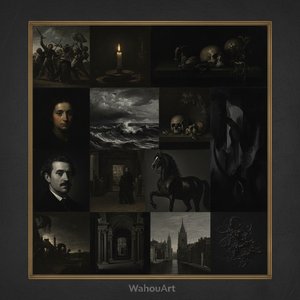
Ivory Black Masters: 10 Paintings That Define Dramatic Art |
Delve into the power of 'Ivory Black' with 10 iconic paintings by masters like Rembrandt & Caravaggio. Explore dramatic chiaroscuro, gothic moods & timeless art history. Find museum-quality reproductions and elevate your home decor at