

 プレビュー
プレビュー
 プリントを購入
 シェアする
シェアする シェアする
シェアする
 詳細を見る
詳細を見る

 ダウンロード
 似ている作品
 X線調査
X線調査 スライドショー
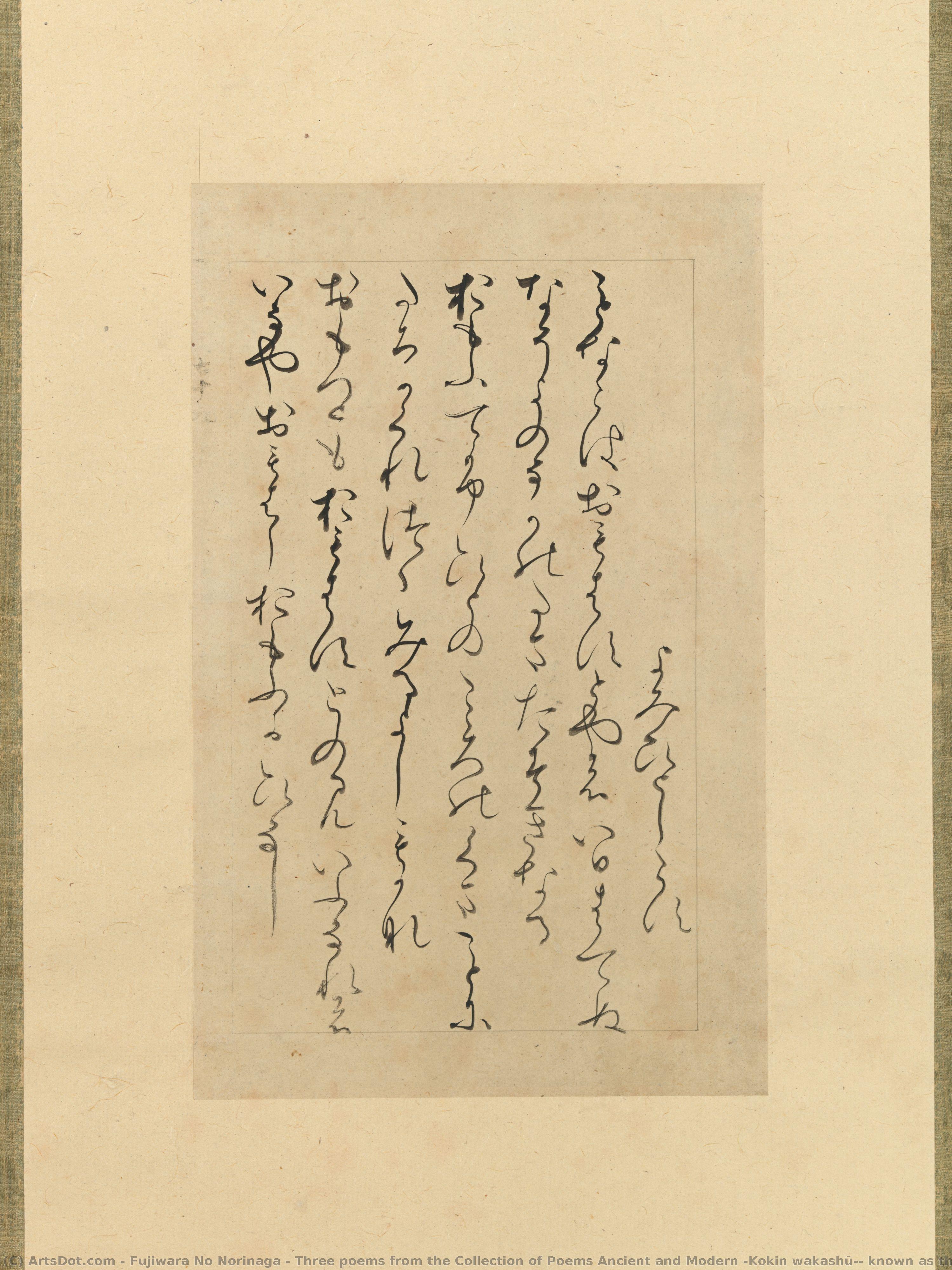
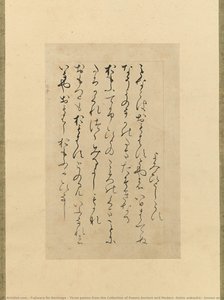
Three poems from the Collection of Poems Ancient and Modern (Kokin wakashū), known as the “Imaki Fragment” (Imaki-gire)
 1101
1101 25.0 x 16.0 cm
 詳細を見る
詳細を見る




































作品のオリジナル比率に合わせた、当店の規定サイズからお選びください。

特定のフレームやスペースに合わせて、ご希望のサイズをご入力いただけます。選択されたサイズが元の画像の比率と異なる場合、アートワークをトリミングするか、手描きで要素を追加して絵画を拡張いたします。デジタルモックアップ を制作し、制作開始前にご確認(承認)をいただきます。
画面上のプレビューは、実際のトリミングや拡張を正確に反映しているものではありません。最終的な構図は、モックアップによってのみ正確にご確認いただけます。
カスタムサイズもご利用いただけますが、元の比率を維持するためには、あらかじめ用意されたリストからサイズを選択することをお勧めいたします。
ご注文後、ArtsDot.com チームより詳細な指示をお送りするとともに、仕上がりイメージ(モックアップ)をご提供いたします。


 ガラスオプションは、110cm未満のサイズでのみご利用いただけます。

Three poems from the Collection of Poems Ancient and Modern (Kokin wakashū), known as the “Imaki Fragment” (Imaki-gire)
複製技法
複製画のサイズ
-


合計金額
$ 263
関連作品



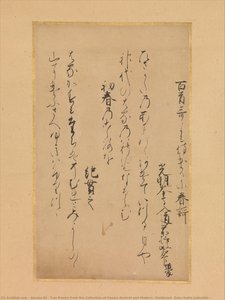
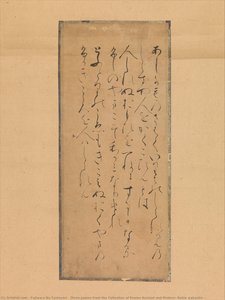
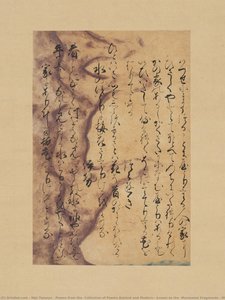
アーティストの略歴
The Sacred Brush of the Heian Twilight
In the fading light of Japan’s Heian period, a time defined by unparalleled courtly elegance and profound spiritual introspection, the figure of Fujiwara no Norinaga emerged as a bridge between the earthly splendor of the aristocracy and the transcendent mysteries of Buddhist devotion. Known also by his monastic name, ninkan, Norinaga was far more than a mere scribe; he was a master of the brush whose life embodied the delicate tension between noble lineage and monastic discipline. Born around 1101 in the imperial heart of Kyoto, his early years were steeped in the sophisticated traditions of the influential Fujiwara clan. This upbringing provided him with a deep-seated appreciation for the scholarly and aesthetic nuances that governed the Japanese court, yet it was his connection to the Daigo-ji lineage that would ultimately define his artistic soul.
The development of Norinaga’s artistry was profoundly shaped by his intellectual and spiritual mentorship under his elder brother, Shōkazu. Through this bond, Norinaga was introduced to the esoteric depths of Shingon Buddhism, a tradition where the act of visualization and ritual serves as a pathway to enlightenment. This spiritual framework did not exist in isolation from his art; rather, it became the very foundation of his creative expression. As he ascended to the role of a protector monk, or gojisō, for Prince Sukehito, Norinaga gained unprecedented access to the imperial court’s vast resources. This unique position allowed him to merge the meticulous precision of calligraphy with the ethereal beauty of natural motifs, creating works that felt both grounded in the physical world and elevated by divine intent.
A Legacy Written in Ink and Nature
The true brilliance of Norinaga’s work lies in his ability to weave the ephemeral qualities of nature into the permanence of ink and silk. His contributions to Japanese calligraphy and painting helped pave the way for what would later be recognized as the Tachikawa-ryū style, a branch of Shingon Buddhism that placed significant emphasis on artistic expression as a form of spiritual contemplation. One of his most captivating achievements can be seen in the delicate interplay of text and imagery found in works such as the Poem by Fujiwara no Norinaga on Paper Decorated with Butterflies. In such pieces, the silver-micaed butterflies appear to dance across the page, their movement contrasting beautifully with the rhythmic flow of his kana calligraphy. These works often utilized subtle tonal variations and seasonal motifs that captured the fleeting essence of life—a concept deeply rooted in the Japanese aesthetic of mono no aware.
Beyond the visual splendor of his paintings, Norinaga’s literary contributions left an indelible mark on the Japanese canon. His involvement with the Kokin Wakashū, Japan's first imperial anthology of poetry, remains a cornerstone of his historical significance. Specifically, the Imaki Fragment—a collection of three poems—serves as a testament to his mastery of the written word. Through these verses, Norinaga demonstrated how the evolution of writing styles could reflect the changing sensibilities of an era. His ability to manipulate the brush to create both structural firmness and lyrical grace helped establish a new framework for kana writing, influencing generations of courtiers and artists who followed in his footsteps.
Ultimately, the life and work of Fujiwara no Norinaga represent a singular moment in history where the boundaries between the sacred and the aesthetic dissolved. His legacy is not merely found in the surviving fragments of paper and silk, but in the enduring spirit of an art form that seeks to find the infinite within the infinitesimal. Through his meticulous brushstrokes, he ensured that the spiritual whispers of the Heian period would continue to resonate through the centuries, reminding us that true beauty is often found in the quietest transitions of the natural world.
fujiwara no norinaga
1101 - 1114 , Japan
基本情報
- Artistic Movement Or Style: Shingon Buddhism
- Artists Or Movements Influenced By This Artist: ['Rinpa']
- Artists Who Influenced This Artist: ['Shōkaku']
- Date Of Birth: 1101
- Date Of Death: 1114
- Full Name: Fujiwara no Norinaga
- Nationality: Japanese
- Notable Artworks: ['Three poems from Kokin Wakashū']
- Place Of Birth: Kyoto, Japan

