

 プレビュー
プレビュー
 プリントを購入
 シェアする
シェアする シェアする
シェアする
 詳細を見る
詳細を見る

 ダウンロード
 似ている作品
 X線調査
X線調査 スライドショー
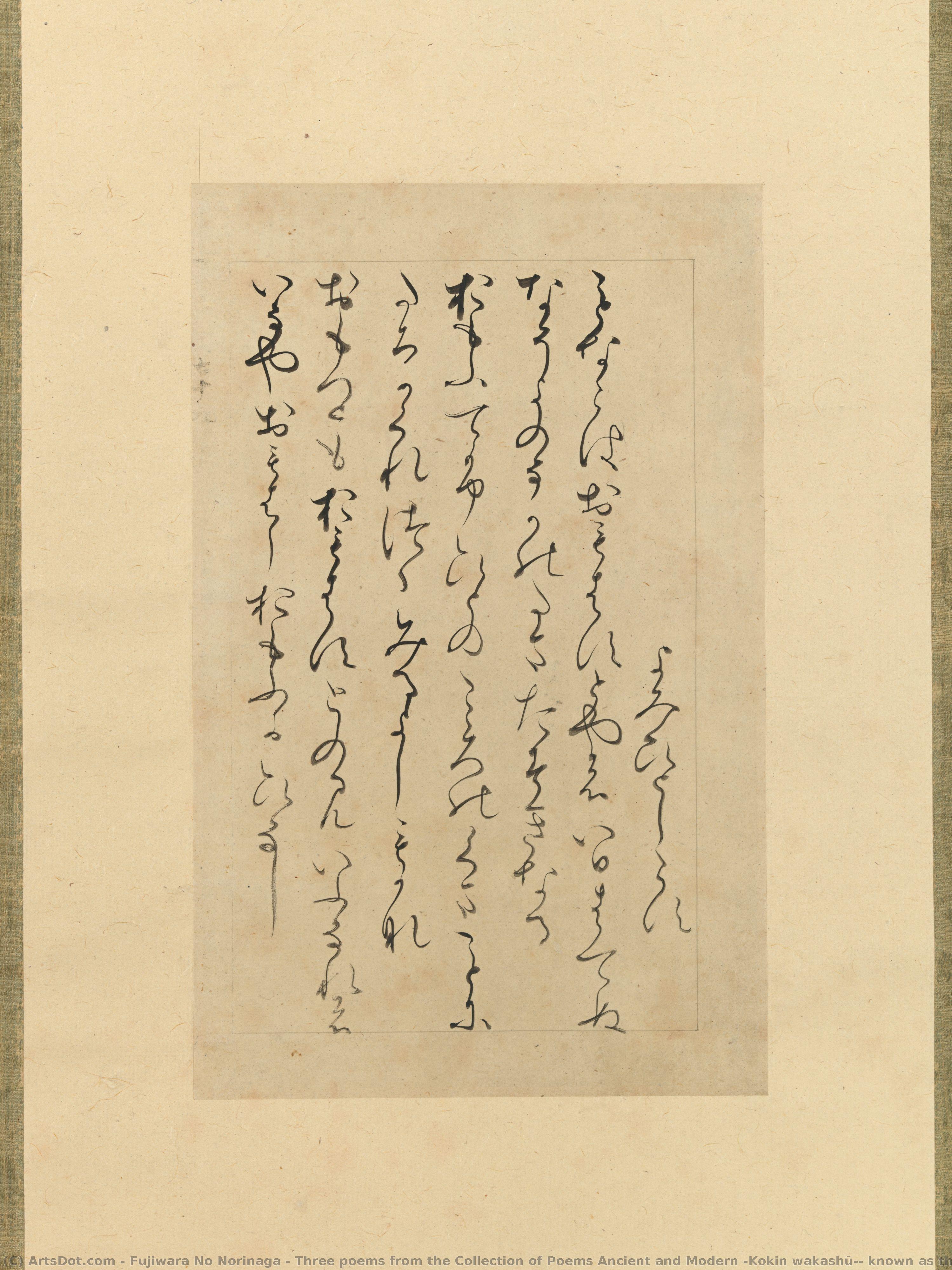
Three poems from the Collection of Poems Ancient and Modern (Kokin wakashū), known as the “Imaki Fragment” (Imaki-gire)
 1101
1101 25.0 x 16.0 cm
 詳細を見る
詳細を見る
オンラインプレビューをはるかに凌ぐ、高解像度で鮮明なデジタル画像をご購入いただけます。
各ファイルは、社内の専門家が高度なツールと熟練した手作業によるレタッチを用いて、細心の注意を払って準備されています。すべての画像において、卓越した鮮明度、正確な色彩再現性、そして繊細なディテールを保証いたします。
最終ファイルは、プロフェッショナルな編集・印刷環境ですぐにご利用いただけるよう最適化された状態で、72時間以内にメールにてお届けいたします。これは、一流のデザインスタジオ、出版社、ギャラリーから信頼されているものと同等の品質です。
デジタル画像のご注文に付随する特典
高品質なデジタル画像配信を、確かな品質で。
ArtsDot.com を選ぶことは、単に画像を手に入れることではありません。それは、プロの手によって精密に仕上げられ、満足保証が付いた高品質なデジタルアートワークを受け取ることを意味します。ご注文いただいた際に自動的に付随する内容は、以下の通りです:

メールですぐにお届け
ご注文から72時間以内に、高解像度のデジタル画像ファイルがメールでお手元に届きます。すぐにそのままご利用いただけます。

AI技術で最適化されたデジタルファイル
お客様の作品は、高度なAIツールと専門家による手作業の編集を組み合わせてプロフェッショナルに最適化されており、細部のディテール、鮮明さ、そして正確な色再現性を最大限に引き出しています。

一生涯無料の再送サービス
ファイルを誤って削除したり、紛失してしまったりしましたか?ご安心ください。いつでも無料で再送いたします。

輸入手数料は一切かかりません
関税や手数料、配送料を気にすることなく、お気に入りのアートワークをすぐにお楽しみいただけます。デジタルダウンロードは常に免税です。

色彩再現の保証
プロ仕様のツールとカラーマネジメント技術を用いることで、デジタル画像が元の色を最大限に忠実に再現することを保証いたします。

60日間満足保証
ご購入いただいたデジタル画像にご満足いただけない場合は、60日以内であれば、修正または100%の返金(理由を問う必要はありません)をさせていただきます。

100% 返金保証
ご満足いただけない場合は、デジタルファイルを受け取ってから60日以内であれば、理由を問わず全額返金いたします。

まとめ買い割引
3枚購入で10%OFF - 5枚購入で15%OFF - 10枚以上購入で20%OFF。クリエイティブなプロジェクト、ギャラリー、エージェンシーに最適です。
関連作品




作家の略歴
The Sacred Brush of the Heian Twilight
In the fading light of Japan’s Heian period, a time defined by unparalleled courtly elegance and profound spiritual introspection, the figure of Fujiwara no Norinaga emerged as a bridge between the earthly splendor of the aristocracy and the transcendent mysteries of Buddhist devotion. Known also by his monastic name, ninkan, Norinaga was far more than a mere scribe; he was a master of the brush whose life embodied the delicate tension between noble lineage and monastic discipline. Born around 1101 in the imperial heart of Kyoto, his early years were steeped in the sophisticated traditions of the influential Fujiwara clan. This upbringing provided him with a deep-seated appreciation for the scholarly and aesthetic nuances that governed the Japanese court, yet it was his connection to the Daigo-ji lineage that would ultimately define his artistic soul.
The development of Norinaga’s artistry was profoundly shaped by his intellectual and spiritual mentorship under his elder brother, Shōkazu. Through this bond, Norinaga was introduced to the esoteric depths of Shingon Buddhism, a tradition where the act of visualization and ritual serves as a pathway to enlightenment. This spiritual framework did not exist in isolation from his art; rather, it became the very foundation of his creative expression. As he ascended to the role of a protector monk, or gojisō, for Prince Sukehito, Norinaga gained unprecedented access to the imperial court’s vast resources. This unique position allowed him to merge the meticulous precision of calligraphy with the ethereal beauty of natural motifs, creating works that felt both grounded in the physical world and elevated by divine intent.
A Legacy Written in Ink and Nature
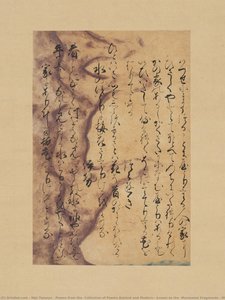
The true brilliance of Norinaga’s work lies in his ability to weave the ephemeral qualities of nature into the permanence of ink and silk. His contributions to Japanese calligraphy and painting helped pave the way for what would later be recognized as the Tachikawa-ryū style, a branch of Shingon Buddhism that placed significant emphasis on artistic expression as a form of spiritual contemplation. One of his most captivating achievements can be seen in the delicate interplay of text and imagery found in works such as the Poem by Fujiwara no Norinaga on Paper Decorated with Butterflies. In such pieces, the silver-micaed butterflies appear to dance across the page, their movement contrasting beautifully with the rhythmic flow of his kana calligraphy. These works often utilized subtle tonal variations and seasonal motifs that captured the fleeting essence of life—a concept deeply rooted in the Japanese aesthetic of mono no aware.
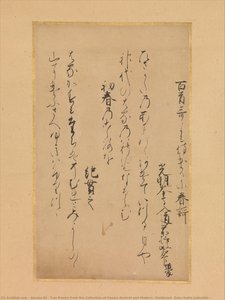
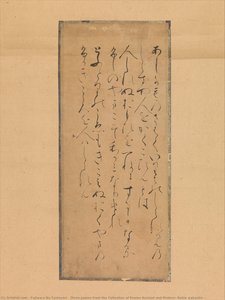
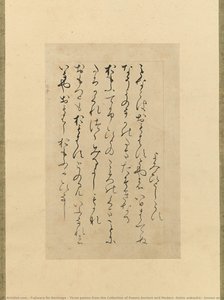
Beyond the visual splendor of his paintings, Norinaga’s literary contributions left an indelible mark on the Japanese canon. His involvement with the Kokin Wakashū, Japan's first imperial anthology of poetry, remains a cornerstone of his historical significance. Specifically, the Imaki Fragment—a collection of three poems—serves as a testament to his mastery of the written word. Through these verses, Norinaga demonstrated how the evolution of writing styles could reflect the changing sensibilities of an era. His ability to manipulate the brush to create both structural firmness and lyrical grace helped establish a new framework for kana writing, influencing generations of courtiers and artists who followed in his footsteps.
Ultimately, the life and work of Fujiwara no Norinaga represent a singular moment in history where the boundaries between the sacred and the aesthetic dissolved. His legacy is not merely found in the surviving fragments of paper and silk, but in the enduring spirit of an art form that seeks to find the infinite within the infinitesimal. Through his meticulous brushstrokes, he ensured that the spiritual whispers of the Heian period would continue to resonate through the centuries, reminding us that true beauty is often found in the quietest transitions of the natural world.
fujiwara no norinaga
1101 - 1114 , Japan
プロフィール概要
- Artistic Movement Or Style: Shingon Buddhism
- Artists Or Movements Influenced By This Artist: ['Rinpa']
- Artists Who Influenced This Artist: ['Shōkaku']
- Date Of Birth: 1101
- Date Of Death: 1114
- Full Name: Fujiwara no Norinaga
- Nationality: Japanese
- Notable Artworks: ['Three poems from Kokin Wakashū']
- Place Of Birth: Kyoto, Japan

