

 プレビュー
プレビュー
 プリントを購入
 シェアする
シェアする シェアする
シェアする
 詳細を見る
詳細を見る

 ダウンロード
 似ている作品
 X線調査
X線調査 スライドショー
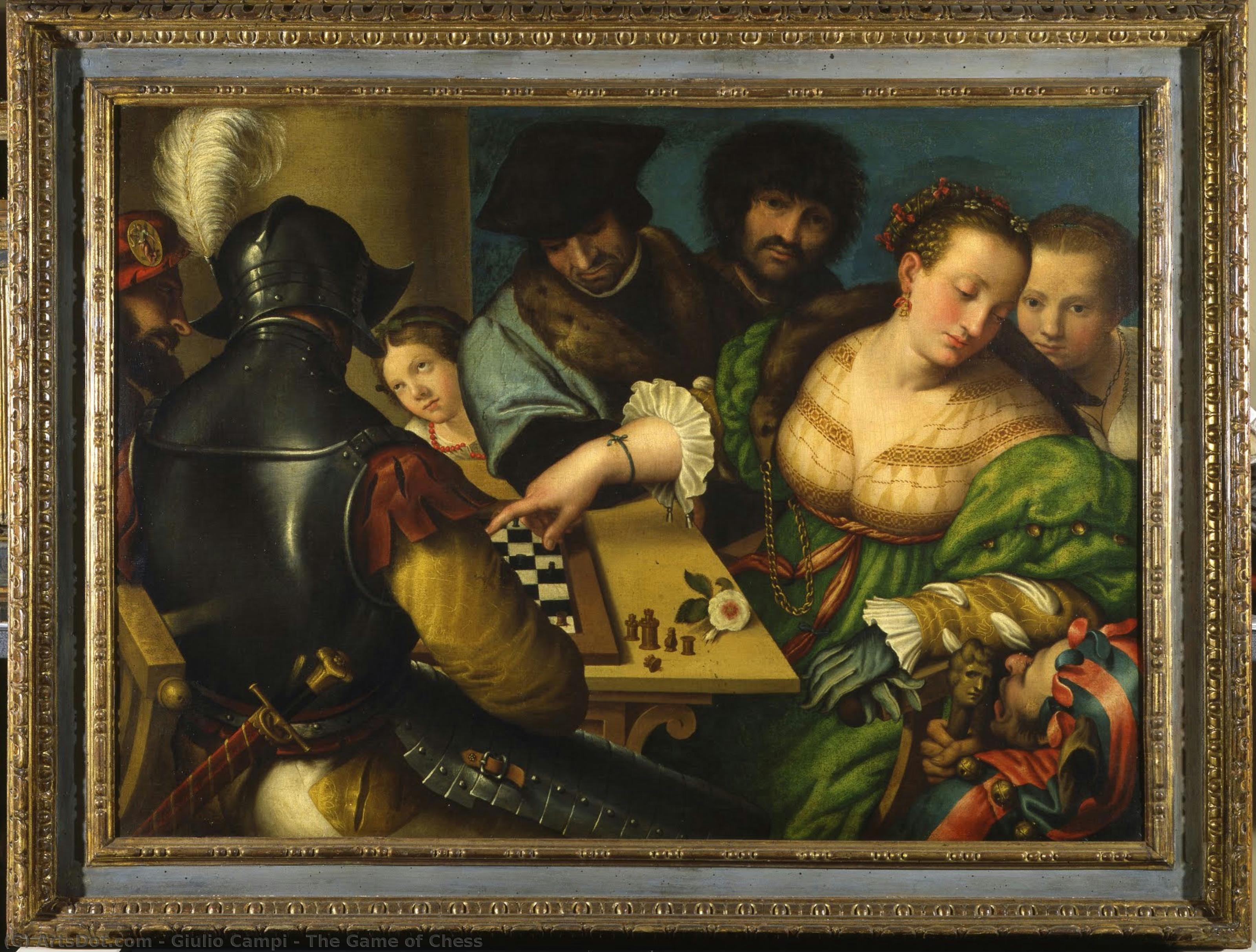
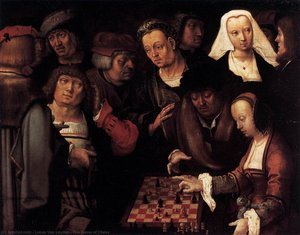
The Game of Chess
 Oil
Oil- WallArt
- Renaissance
 Renaissance
 127.0 x 90.0 cm
 Palazzo Madama
 詳細を見る
詳細を見る
オンラインプレビューをはるかに凌ぐ、高解像度で鮮明なデジタル画像をご購入いただけます。
各ファイルは、社内の専門家が高度なツールと熟練した手作業によるレタッチを用いて、細心の注意を払って準備されています。すべての画像において、卓越した鮮明度、正確な色彩再現性、そして繊細なディテールを保証いたします。
最終ファイルは、プロフェッショナルな編集・印刷環境ですぐにご利用いただけるよう最適化された状態で、72時間以内にメールにてお届けいたします。これは、一流のデザインスタジオ、出版社、ギャラリーから信頼されているものと同等の品質です。
デジタル画像のご注文に付随する特典
高品質なデジタル画像配信を、確かな品質で。
ArtsDot.com を選ぶことは、単に画像を手に入れることではありません。それは、プロの手によって精密に仕上げられ、満足保証が付いた高品質なデジタルアートワークを受け取ることを意味します。ご注文いただいた際に自動的に付随する内容は、以下の通りです:

メールですぐにお届け
ご注文から72時間以内に、高解像度のデジタル画像ファイルがメールでお手元に届きます。すぐにそのままご利用いただけます。

AI技術で最適化されたデジタルファイル
お客様の作品は、高度なAIツールと専門家による手作業の編集を組み合わせてプロフェッショナルに最適化されており、細部のディテール、鮮明さ、そして正確な色再現性を最大限に引き出しています。

一生涯無料の再送サービス
ファイルを誤って削除したり、紛失してしまったりしましたか?ご安心ください。いつでも無料で再送いたします。

輸入手数料は一切かかりません
関税や手数料、配送料を気にすることなく、お気に入りのアートワークをすぐにお楽しみいただけます。デジタルダウンロードは常に免税です。

色彩再現の保証
プロ仕様のツールとカラーマネジメント技術を用いることで、デジタル画像が元の色を最大限に忠実に再現することを保証いたします。

100日間満足保証
ご購入いただいたデジタル画像にご満足いただけない場合は、100日以内であれば、理由を問わず修正または100%の返金対応をさせていただきます。

100% 返金保証
ご満足いただけない場合は、デジタルファイルを受け取ってから100日以内であれば、理由を問わず全額返金いたします。

まとめ買い割引
3枚購入で10%OFF - 5枚購入で15%OFF - 10枚以上購入で20%OFF。クリエイティブなプロジェクト、ギャラリー、エージェンシーに最適です。
A Renaissance Gathering: The Intimacy of The Game of Chess
In the quiet, amber-hued atmosphere of Giulio Campi’s The Game of Chess, the viewer is not merely an observer but an uninvited guest at a sophisticated Renaissance gathering. This masterful composition captures a moment suspended in time, where the intellectual rigor of a chess match meets the soft, social grace of a private salon. The scene is alive with the subtle interplay of glances and gestures; figures are positioned with a deliberate balance that draws the eye across the canvas, from the focused players at the center to the contemplative souls lingering in the periphery. There is a profound sense of depth achieved through the careful arrangement of chairs, tables, and background elements, creating an inviting environment that feels both expansive and intimately cozy.
The painting serves as a rich tapestry of human connection and potential allegory. While at first glance it appears to be a lively group portrait, art historians often look beneath the surface to find deeper meanings. The presence of certain figures may allude to classical deities, such as Venus or Mars, suggesting that the game itself is a metaphor for the strategic maneuvers of love and conflict. Furthermore, the painting may hold personal significance for the artist; the melancholy gaze of the young man looking directly at us is widely believed to be a self-portrait of Giulio Campi himself. This layer of introspection adds an emotional weight to the piece, transforming a social scene into a profound meditation on identity and presence.
Mastery of the Cremonese School
Giulio Campi, a prominent figure of the Cremonese school, brings his unique training under the legendary Giulio Romano to this work. The technique displays a seamless blend of Lombard naturalism and the grand, architectural dynamism characteristic of Roman influence. Every brushstroke contributes to a sense of tactile reality, from the heavy fabrics of the garments to the smooth, polished surface of the chessboard. The lighting is particularly evocative, casting soft shadows that define the musculature of the man-at-arms and the delicate features of the women, lending the entire scene a luminous, lifelike quality.
For the discerning collector or interior designer, The Game of Chess offers more than just aesthetic beauty; it provides a focal point of intellectual and historical prestige. A high-quality reproduction of this work brings the sophisticated spirit of the Italian Renaissance into a modern space, acting as a conversation piece that invites scrutiny and admiration. Whether placed in a formal study, a grand dining room, or a curated gallery wall, the painting’s balanced composition and rich narrative depth provide an enduring sense of elegance and timelessness.
関連作品
作家の略歴
Giulio Campi: Life and Legacy
Early Life and Training
- Born: Cremona, Italy in 1502.
- Family of Artists: Giulio Campi came from a prominent family of painters; his father, Galeazzo (1475–1536), provided him with initial artistic training.
- Early Studies: In 1522, he traveled to Mantua and studied painting, architecture, and modelling under the tutelage of Giulio Romano.
- His education continued with a visit to Rome where he became deeply engaged in studying classical antiquity.
Artistic Development and Influences
- Blending Traditions: Campi skillfully combined Lombard and Roman artistic traditions, influenced by his studies with Romano and his exploration of ancient art.
- Collaboration: He collaborated with Camillo Boccaccino, son of Boccaccio Boccaccino, potentially receiving further training from him.
- Key Influences: Giulio Romano’s influence is evident in Campi's dynamic compositions and architectural elements. His study of classical art instilled a sense of grandeur and anatomical accuracy.
Major Works and Style
- Masterpiece: At the age of 27, Campi completed his masterpiece, “Virgin and Child with Sts Celsus and Nazarus”, for the church of Sant'Abondio. It is celebrated for its freedom of drawing and vibrant color.
- Notable Works: Other significant works include the “Descent from the Cross” in San Sigismondo, Cremona, and frescoes within the dome of San Girolamo in Mantua.
- Artistic Characteristics: Campi’s paintings are characterized by grand conceptions, free drawing, vigorous coloring, a lofty style, and broad handling. A deep piety is evident throughout his work.
- He was involved in the reconstruction and decoration of the church of Santa Rita in Cremona.
Historical Significance and Legacy
- “Ludovico Carracci of Cremona”: Campi is often referred to by this title due to his significant influence on the artistic landscape of Cremona, mirroring Ludovico Carracci’s impact on Bologna.
- Regional Importance: He played a crucial role in shaping Renaissance art within the Cremonese school.
- Engravings by Ghiso: His altar-piece in San Sigismondo and his “Labours of Hercules” were engraved by Giorgio Ghisi, further disseminating his work.
- Lasting Impact: Campi’s influence extended beyond his lifetime, inspiring subsequent generations of artists in the region.
Death and Remembrance
- Died: Cremona, Italy in 1572.
- Giulio Campi remains a significant figure in Italian Renaissance art, celebrated for his artistic skill, religious devotion, and lasting influence on the Cremonese school of painting.
Giulio Campi
1502 - 1572 , Italy
プロフィール概要
- Birth Date: 1502
- Birth Place: Cremona, Italy
- Death Date: 1572
- Influenced: Ludovico Carracci (in Cremona)
- Influenced By: Giulio Romano
- Movement: Renaissance, Mannerism
- Name: Giulio Campi
- Nationality: Italian
- Notable Works:
- Virgin and Child with Sts Celsus and Nazarus
- Descent from the Cross (San Sigismondo)
- Frescoes in San Girolamo (Mantua)