

 プレビュー
プレビュー
 プリントを購入
 シェアする
シェアする シェアする
シェアする
 詳細を見る
詳細を見る

 ダウンロード
 似ている作品
 X線調査
X線調査 スライドショー
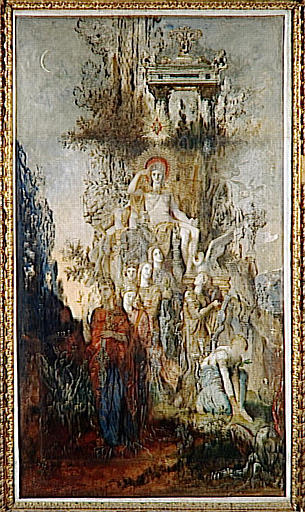
Les Muses quittent Apollon, leur père, pour aller éclairer le monde


 詳細を見る
詳細を見る
オンラインプレビューをはるかに凌ぐ、高解像度で鮮明なデジタル画像をご購入いただけます。
各ファイルは、社内の専門家が高度なツールと熟練した手作業によるレタッチを用いて、細心の注意を払って準備されています。すべての画像において、卓越した鮮明度、正確な色彩再現性、そして繊細なディテールを保証いたします。
最終ファイルは、プロフェッショナルな編集・印刷環境ですぐにご利用いただけるよう最適化された状態で、72時間以内にメールにてお届けいたします。これは、一流のデザインスタジオ、出版社、ギャラリーから信頼されているものと同等の品質です。
デジタル画像のご注文に付随する特典
高品質なデジタル画像配信を、確かな品質で。
ArtsDot.com を選ぶことは、単に画像を手に入れることではありません。それは、プロの手によって精密に仕上げられ、満足保証が付いた高品質なデジタルアートワークを受け取ることを意味します。ご注文いただいた際に自動的に付随する内容は、以下の通りです:

メールですぐにお届け
ご注文から72時間以内に、高解像度のデジタル画像ファイルがメールでお手元に届きます。すぐにそのままご利用いただけます。

AI技術で最適化されたデジタルファイル
お客様の作品は、高度なAIツールと専門家による手作業の編集を組み合わせてプロフェッショナルに最適化されており、細部のディテール、鮮明さ、そして正確な色再現性を最大限に引き出しています。

一生涯無料の再送サービス
ファイルを誤って削除したり、紛失してしまったりしましたか?ご安心ください。いつでも無料で再送いたします。

輸入手数料は一切かかりません
関税や手数料、配送料を気にすることなく、お気に入りのアートワークをすぐにお楽しみいただけます。デジタルダウンロードは常に免税です。

色彩再現の保証
プロ仕様のツールとカラーマネジメント技術を用いることで、デジタル画像が元の色を最大限に忠実に再現することを保証いたします。

60日間満足保証
ご購入いただいたデジタル画像にご満足いただけない場合は、60日以内であれば、修正または100%の返金(理由を問う必要はありません)をさせていただきます。

100% 返金保証
ご満足いただけない場合は、デジタルファイルを受け取ってから60日以内であれば、理由を問わず全額返金いたします。

まとめ買い割引
3枚購入で10%OFF - 5枚購入で15%OFF - 10枚以上購入で20%OFF。クリエイティブなプロジェクト、ギャラリー、エージェンシーに最適です。
作品の詳細
A Celestial Departure: The Visionary World of Gustave Moreau
In the heart of the late nineteenth century, while the streets of Paris were vibrating with the gritty realism of the industrial age and the fleeting light of Impressionism, Gustave Moreau was wandering through a much more profound landscape. His masterpiece, Les Muses quittent Apollon, leur père, pour aller éclairer le monde (The Muses Leaving Their Father Apollo to Go Out and Light the World), serves as a breathtaking portal into this private, dreamlike dimension. Completed in 1869, this monumental work is not merely a painting but a symphonic arrangement of myth and spirit. It captures a pivotal moment of cosmic transition: the departure of the Muses from the protective embrace of their father, Apollo, as they ascend toward the heavens to bestow the gift of illumination upon humanity.
The narrative weight of the piece draws deeply from classical antiquity, specifically echoing the themes found in Hesiod’s Theogony. There is a palpable sense of divine purpose intertwined with paternal melancholy; as the Muses rise, they carry with them the radiant light of inspiration, symbolizing the eternal struggle of knowledge and creativity to overcome the shadows of ignorance. For the discerning collector or lover of fine art, this painting offers more than visual splendor; it provides a profound meditation on the nature of inspiration itself—a movement from the safety of the known into the vast, luminous unknown.
A Masterclass in Mannerist Elegance and Symbolist Depth
Technically, Moreau’s work is a triumph of Mannerism reimagined through a 19th-century Symbolist lens. The composition avoids the easy comforts of naturalistic perspective, opting instead for an arrangement that feels both crowded and ethereal. One can observe the characteristic elongated figures and subtly twisted poses that heighten the emotional tension of the scene. Moreau employs a meticulous, layered oil technique, building up textures that allow the light to seem as though it is emanating from within the canvas itself. The interplay of light and shadow—a dramatic use of chiaroscroll—casts certain figures into deep, mysterious obscurity while highlighting the radiant, ascending Muses with a celestial glow.
The color palette is a sophisticated tapestry of muted, earthy tones—deep ochres, mossy greens, and somber blues—which provides a grounded contrast to the brilliant, flickering highlights of divine light. This deliberate use of color creates an atmosphere of solemnity and ancient mystery. For interior designers seeking to anchor a room with a sense of history and intellectual depth, this artwork offers a complex visual texture that rewards long periods of contemplation. The way the light interacts with the painted surfaces suggests a living, breathing entity, making it a centerpiece capable of transforming the emotional temperature of any sophisticated space.
An Invitation to the Subconscious
To possess or display a reproduction of this work is to invite the enigmatic spirit of Symbolism into one's environment. Moreau was a "dream weaver," an artist who sought to clothe the profound mysteries of the human psyche in jewel-toned pigments and mythic allegory. Every brushstroke in Les Muses quittent Apollon serves the purpose of transcendence. The painting does not merely depict a scene; it conjures an atmosphere of spiritual longing and the eternal quest for enlightenment.
For those looking to curate a collection that speaks to the soul, this piece stands as a cornerstone of art history. It is an evocative choice for spaces dedicated to thought, creativity, and reflection. Whether viewed as a study in classical mythology or as a psychological exploration of the transition from innocence to responsibility, Moreau’s vision remains as luminous today as it was when he first laid pigment to panel in 1869. It is a timeless testament to the power of art to illuminate the darkness of the human condition.
関連作品
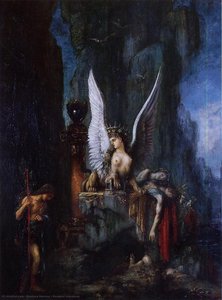
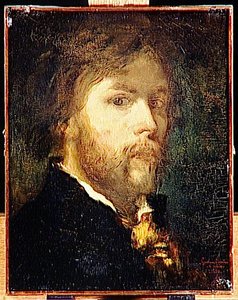
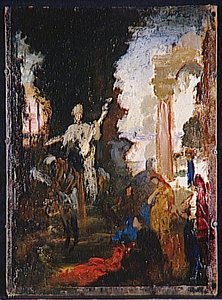
作家の略歴
Gustave Moreau (1826 - 1898)
Gustave Moreau, a name synonymous with the ethereal beauty and enigmatic depths of Symbolist painting, emerged from 19th-century Paris as a singular artistic voice. Born in 1826 into a bourgeois family—his father an architect and archivist—Moreau’s early life was steeped in intellectual curiosity and aesthetic sensibility. From a young age, he displayed a remarkable gift for drawing, nurtured through traditional academic training at the École des Beaux-Arts under figures like François-Édouard Picot. However, Moreau's artistic path would diverge sharply from the prevailing Realist and Impressionist currents of his time. He wasn’t interested in capturing fleeting moments or objective reality; instead, he sought to unlock the hidden realms of myth, religion, and the human psyche through a deeply personal and symbolic visual language. His journey was one of inward exploration, translating subjective emotions and spiritual yearnings onto canvas with an obsessive attention to detail and a vibrant, often opulent palette.Early Influences and Artistic Training
Moreau’s artistic development wasn't born in a vacuum. While rejecting the dominant trends of his era, he drew inspiration from diverse sources. The dramatic use of color and exotic subject matter found in the works of Eugène Delacroix ignited a passion for narrative painting imbued with emotional intensity—a fascination that would define much of his oeuvre. He particularly admired Michelangelo’s monumental sculptures and Leonardo da Vinci’s masterful anatomical drawings, recognizing their profound impact on artistic technique and psychological insight. Moreau's formal training at the École des Beaux-Arts solidified these influences, equipping him with the skills necessary to execute ambitious projects and forge a distinctive visual style. However, he quickly distinguished himself from his peers by prioritizing imaginative exploration over mere replication of nature—a decision that would propel him toward the forefront of Symbolist painting.The Italian Journey: Rediscovering Antiquity
Between 1857 and 1859, Moreau embarked on a transformative voyage to Italy—a pilgrimage fueled by an ardent desire to reconnect with the artistic heritage of antiquity and the Renaissance. Guided by his mentor Frédéric de Courcy, he immersed himself in the art of Rome and Florence, meticulously copying Old Master paintings and studying architectural ruins. This experience profoundly shaped his artistic sensibilities, fostering a fascination for Byzantine iconography and inspiring him to synthesize classical and medieval traditions into a wholly original visual language. Moreau’s meticulous observation and unwavering dedication to craft—traits that would characterize his entire career—were honed during this formative period, preparing him for the monumental achievements that lay ahead.Salome Dancing Before Herod: A Symbolist Masterpiece
Moreau's artistic breakthrough arrived in 1864 with *Salome Dancing before Herod*, a painting that instantly established his reputation as a visionary artist and cemented his place among the pioneers of Symbolism. Departing radically from the conventions of academic art, Moreau presented a dramatic depiction of the biblical tale—not as a literal recounting of events, but as an exploration of psychological complexities and symbolic resonances. The composition is strikingly asymmetrical, mirroring the fractured psyche of Salome—a figure embodying sensual desire and moral ambiguity—and reflecting the unsettling interplay between light and shadow. Moreau’s masterful use of color—particularly crimson and gold—creates an atmosphere of opulent grandeur and underscores the painting's spiritual dimension. He employed a technique characterized by painstaking layering of paint, achieving remarkable textural detail and capturing the elusive beauty of the human form with unparalleled precision.Legacy and Influence: Shaping Modern Art
Though initially met with skepticism from some critics, Moreau’s work gained recognition in subsequent decades—particularly after the resurgence of interest in Symbolism during the 1960s and 70s. His influence extended far beyond the confines of his own time, inspiring artists across generations—including Henri Matisse and Georges Rouault—to embrace imaginative exploration and challenge conventional artistic norms. Moreau championed the notion that painting should strive to evoke emotion and convey spiritual truths—a conviction that resonated deeply with the existential anxieties of the 20th century. His unwavering commitment to craft—combined with his profound understanding of mythology and psychology—established him as a pivotal figure in the history of art—a testament to the enduring power of Symbolist painting and its capacity to illuminate the complexities of human experience. Gustave Moreau’s legacy continues to inspire artists today, reminding us that true artistic achievement lies not merely in technical virtuosity but in the ability to capture the essence of the soul and transform vision into tangible form.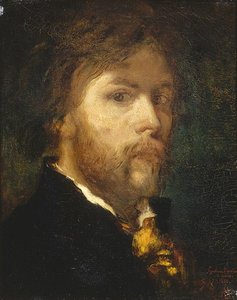
ゴスタヴ・モロー
1826 - 1898 , フランス
プロフィール概要
- Artistic Movement Or Style: シンボリズム
- Artists Who Influenced This Artist:
- エウゲニオ・デルラクロワール
- ミケランジェロ
- レオナルド・ダ・ヴィンチ
- Date Of Birth: 1826年4月6日
- Date Of Death: 1898年4月18日
- Full Name: Gustave Moreau
- Nationality: フランス人
- Notable Artworks:
- ソロモンの踊り før ヘロドス
- ユピテルのセメレ
- オレアフス
- 出現
- デスメドナ
- Place Of Birth: パリ、フランス

