

 シェアする
シェアする シェアする
シェアする
 詳細を見る
詳細を見る

 ダウンロード
 似ている作品
 スライドショー
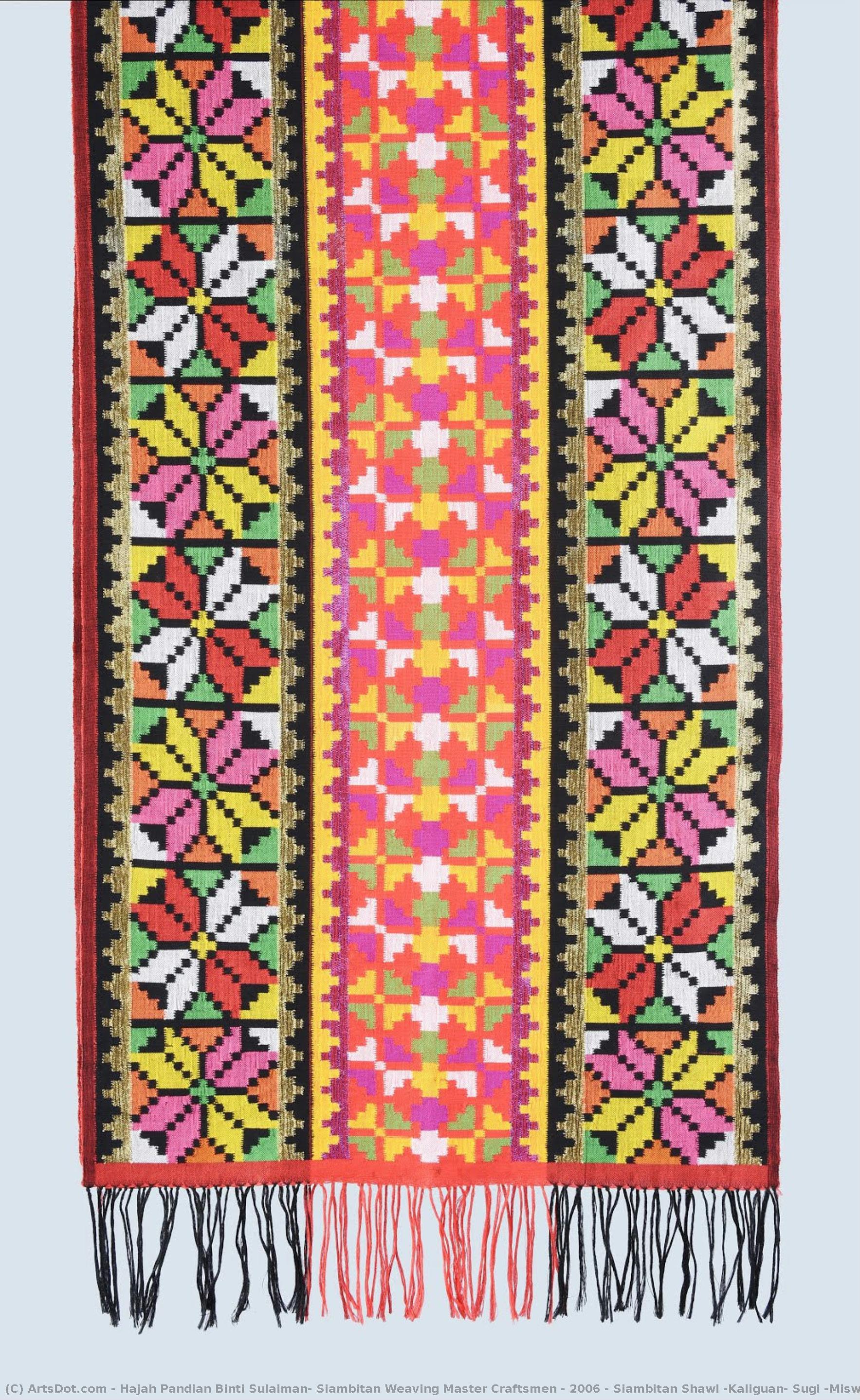
Siambitan Shawl (Kaliguan, Sugi (Miswak), Kinayuku and Linsot motif)


 詳細を見る
詳細を見る
ジークレー/アートプリント
迅速な制作と多彩な仕上げオプションを備えた、ミュージアムクオリティのジークレーまたはキャンバスプリント。 ( 手描きの絵画を購入 画像を購入)




































作品のオリジナル比率に合わせた、当店の規定サイズからお選びください。

特定のフレームやスペースに合わせて、ご自身でサイズを指定することも可能です。選択されたサイズが元の画像の比率と一致しない場合、作品をトリミングするか、鏡面反射または単色での塗りつぶしによって画像を拡張いたします。制作を開始する前に、ご確認用のデジタルモックアップをお送りいたします。
画面上のプレビューには、実際のトリミングや拡張は反映されませんのでご注意ください。最終的な構図を正確に確認できるのは、モックアップのみとなります。
カスタムサイズも承っておりますが、元の比率を維持するためには、あらかじめ用意されたリストからサイズを選択することをお勧めいたします。


 ガラスオプションは、110cm未満のサイズでのみご利用いただけます。

Siambitan Shawl (Kaliguan, Sugi (Miswak), Kinayuku and Linsot motif)
ジークレー/アートプリント
複製画のサイズ
-


合計金額
$ 62
A Tapestry of Heritage: The Vibrancy of the Siambitan Shawl
In the heart of Malaysia’s rich cultural landscape, there exists a textile tradition that breathes life into every thread, and nowhere is this more evident than in the Siambitan Shawl. Created by the master weaver Hajah Pandian Binti Sulaiman, this extraordinary piece is far more than a mere garment; it is a woven chronicle of the Iranun people’s soul. As one gazes upon its surface, a kaleidoscope of colors—vibrant yellows, soft pinks, energetic oranges, and deep, tranquil blues—unfolds like a blooming garden. The shawl is framed by a striking red border that anchors the composition, providing a bold boundary for the intricate dance of motifs that play across the fabric. It is a work where technique meets storytelling, capturing the very essence of Sabahan artistry.
The brilliance of this piece lies in its complex symbology and the meticulous precision of the Siambitan weaving technique. Each motif within the shawl carries a weight of ancestral meaning, ranging from the Kaliguan to the delicate Sugi (Miswak), Kinayuku, and Linsot patterns. These designs are not merely decorative; they are geometric poems that reference the natural world and the spiritual heritage of the Iranun community. The inclusion of avian figures—birds woven into the colorful landscape—adds a layer of movement and life, suggesting a connection between the earthly realm and the heavens. For the discerning collector, these patterns offer a profound depth, inviting a continuous rediscovery of meaning with every viewing.
Beyond its technical mastery, the Siambitan Shawl possesses an emotional resonance that makes it a captivating centerpiece for any sophisticated interior. The interplay of light and color creates a rhythmic energy that can transform a room, offering a sense of warmth and cultural prestige. For interior designers seeking to infuse a space with "global chic" or soulful authenticity, this artwork serves as a powerful focal point. A high-quality reproduction of this shawl brings not just the aesthetic beauty of Malaysian craftsmanship into a home, but also the spirit of Hajah Pandian’s legacy—a legacy of preservation, patience, and the enduring power of tradition.
Owning or displaying a piece inspired by such profound artistry is an invitation to celebrate human ingenuity. Whether placed in a sunlit gallery or used as a statement element in a contemporary living space, the Siambitan Shawl evokes a sense of wonder. It stands as a testament to the fact that true art does not just decorate a surface; it narrates a history, honors a lineage, and connects the modern observer to the timeless rhythms of the natural world.
関連作品

アーティストの略歴
A Legacy Woven in Tradition: The Life and Art of Hajah Pandian Binti Sulaiman
Born in 1950 in the tranquil coastal village of Kampung Rampayan Laut, Kota Belud, Sabah, Malaysia, Hajah Pandian Binti Sulaiman—often affectionately known as Hajjah Pandian—embarked on a life deeply intertwined with the vibrant threads of her Iranun heritage. Her story isn’t merely that of an artist; it is a testament to cultural preservation, dedicated mentorship, and the enduring power of ancestral knowledge passed down through generations. From a tender age, she absorbed the intricate art of weaving from her mother and grandmother, skills honed over centuries within the Iranun community. This early immersion wasn't simply about learning a craft; it was an initiation into a world where patterns held stories, colors embodied emotions, and every woven piece resonated with the spirit of their ancestors.The Art of Siambitan: A Unique Weaving Tradition
Hajah Pandian became renowned for her mastery of *Siambitan* weaving—a technique unique to the Iranun people. This isn’t a craft learned from books or formal institutions, but rather an oral tradition passed down through meticulous practice and observation. The Siambitan cloth itself is integral to the traditional attire of the Iranun community, often worn during significant life events like weddings and festivities. However, it transcends mere clothing; it's a visual narrative woven with symbolic motifs that reflect the daily lives, beliefs, and cultural identity of the Iranun people. Her expertise extended beyond simply replicating existing designs; she possessed an innate ability to blend traditional elements with contemporary aesthetics, ensuring the art form remained relevant while honoring its roots. The materials used—primarily cotton thread—were transformed under her skilled hands into breathtaking works that captured both the beauty and complexity of Iranun culture. Key motifs within her work include *Kaliguan* (representing a specific pattern or design), *Chains*, *Waves*, and *Winter Melon*, each carrying its own unique significance and contributing to the rich tapestry of meaning embedded in her creations.Preservation Through Practice: A Lifelong Dedication
Despite lacking formal education in textile arts, Hajah Pandian was a lifelong learner, actively participating in courses and workshops organized by the Sabah State Ministry. This commitment allowed her to refine her skills and deepen her understanding of weaving techniques. Her work wasn’t confined to her village; it graced cultural exhibitions and festivals throughout Sabah and Kuala Lumpur, bringing the beauty of Iranun weaving to wider audiences. A pivotal moment came with an invitation from Kraftangan Malaysia to showcase her artistry in London—her first international representation of Malaysian traditional heritage. This exposure not only elevated her profile but also highlighted the importance of preserving indigenous art forms on a global stage. She understood that the survival of Siambitan weaving depended not just on creating beautiful pieces, but on actively transmitting the knowledge and skills to future generations.Recognition and Legacy: The Title of Adiguru
In 2019, Hajah Pandian was bestowed with the prestigious title of ‘Siambitan Weaving Master Craftsman’ by the Sabah Handicrafts Development Corporation—a testament to her decades of dedication and unparalleled skill. However, perhaps her most enduring legacy lies in her role as a mentor. She devoted her later years to teaching young weavers within her community, ensuring that the intricate art of Iranun weaving wouldn't be lost to time. This selfless act of knowledge transfer is what truly cemented her status as an *Adiguru*—a highly respected master craftsman whose influence extends far beyond her own creations. Her passing is mourned not just as the loss of a skilled artisan, but as the departure of a cultural guardian who dedicated her life to preserving and elevating the heritage of the Iranun people. Her story serves as an inspiring example of how traditional arts can thrive when nurtured by passion, dedication, and a commitment to sharing knowledge with future generations.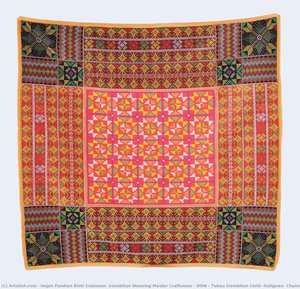
hajah pandian binti sulaiman: siambitan weaving master craftsmen – 2006
1950 - , Malaysia
基本情報
- Artistic Movement Or Style: Traditional weaving
- Date Of Birth: 1950
- Full Name: Hajah Pandian Binti Sulaiman
- Nationality: Malaysian
- Notable Artworks:
- Iranun Women's Costume
- Tubau Siambitan Cloth
- Place Of Birth: Kota Belud, Malaysia
関連記事
Feathered Visions: A Historical & Artistic Exploration of Birds in Painting
Explore the rich history of birds in painting! Discover symbolism, artistic movements & master artists like Audubon. High-quality reproductions available at ArtsDot.
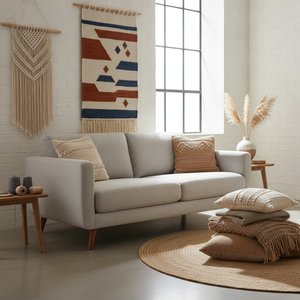
Woven Wonders: A Beginner's Guide to Elevating Your New Home with Timeless Textile Art
Discover how to transform your new home with the warmth of textile art. Our expert guide for newlyweds explores handwoven tapestries, tactile fibers, and timeless ways to curate a soulful, sophisticated interior through beautiful woven wonders.
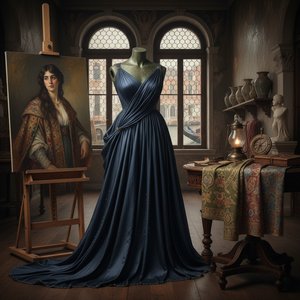
Mariano Fortuny: A Fusion of Art, Fashion & Design – Exploring a Venetian Innovator's Legacy
Explore the captivating world of Mariano Fortuny – artist, designer & innovator. Discover his revolutionary textiles, iconic Delphos gown, and lasting influence on art, fashion & interiors. A collector's guide to a Venetian master.
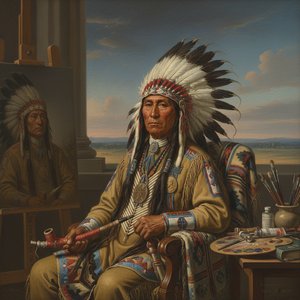
Charles Bird King: Capturing Native American Dignity Through Portraiture & Cultural Exchange
Explore the captivating portraits of Charles Bird King, renowned for his depictions of Native American leaders. Discover the historical context, artistic techniques, and collecting value of these significant 19th-century artworks.

John James Audubon: A Life Immersed in Ornithological Art & the American Wilderness
Explore the life & art of John James Audubon, pioneer of ornithological illustration! Discover his stunning 'Birds of America' watercolors and complex legacy. Hand-painted reproductions available at ArtsDot.