

 プレビュー
プレビュー
 シェアする
シェアする シェアする
シェアする
 詳細を見る
詳細を見る

 ダウンロード
 似ている作品
 X線調査
X線調査 スライドショー
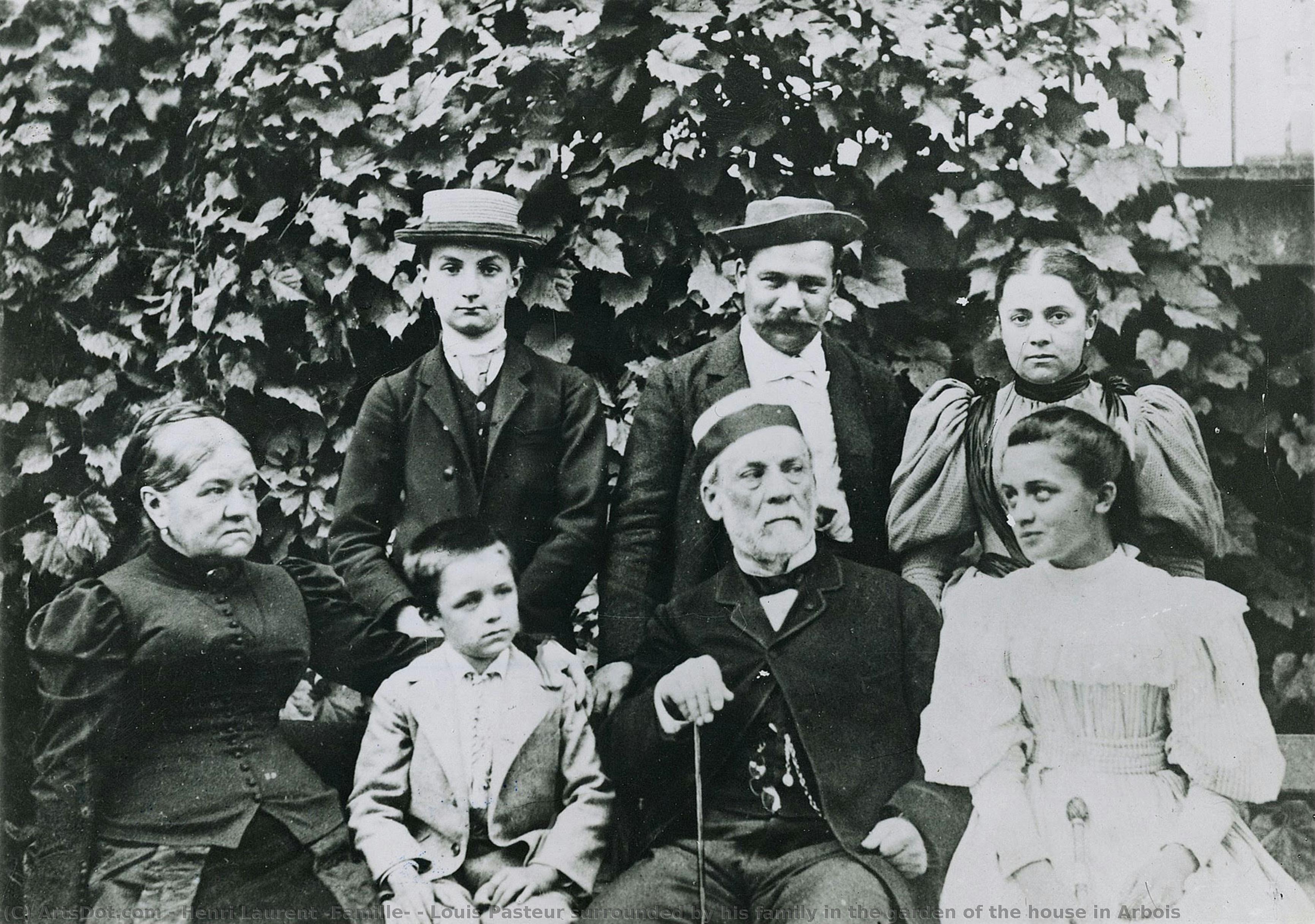
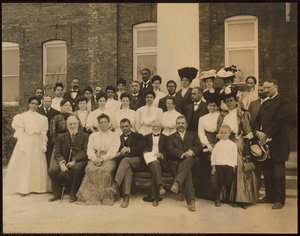
Louis Pasteur surrounded by his family in the garden of the house in Arbois


 詳細を見る
詳細を見る
ジークレー/アートプリント
迅速な制作と多彩な仕上げオプションを備えた、ミュージアムクオリティのジークレーまたはキャンバスプリント。 ( 手描きの絵画を購入 画像を購入)




































作品のオリジナル比率に合わせた、当店の規定サイズからお選びください。

特定のフレームやスペースに合わせて、ご自身でサイズを指定することも可能です。選択されたサイズが元の画像の比率と一致しない場合、作品をトリミングするか、鏡面反射または単色での塗りつぶしによって画像を拡張いたします。制作を開始する前に、ご確認用のデジタルモックアップをお送りいたします。
画面上のプレビューには、実際のトリミングや拡張は反映されませんのでご注意ください。最終的な構図を正確に確認できるのは、モックアップのみとなります。
カスタムサイズも承っておりますが、元の比率を維持するためには、あらかじめ用意されたリストからサイズを選択することをお勧めいたします。


 ガラスオプションは、110cm未満のサイズでのみご利用いただけます。

Louis Pasteur surrounded by his family in the garden of the house in Arbois
ジークレー/アートプリント
複製画のサイズ
-


合計金額
$ 62
関連作品
アーティストの略歴
Pablo Picasso: A Revolutionary Soul
Pablo Picasso, a name synonymous with artistic innovation and boundless creativity, remains one of the most recognizable and influential figures in the history of art. Born in Málaga, Spain, on October 25, 1881, into a family steeped in artistic tradition – his father, José Ruiz y Blasco, was a respected art teacher and curator – Picasso’s journey was marked by both prodigious talent and a restless spirit that propelled him across Europe and ultimately shaped the very course of modern art. More than just a painter, he was a sculptor, printmaker, ceramicist, and stage designer, each medium serving as a canvas for his ever-evolving vision.
Picasso’s early years were characterized by a deep immersion in artistic practice. From childhood, he exhibited an extraordinary aptitude for drawing, encouraged by his father who recognized and nurtured his son's burgeoning talent. The family moved to La Coruña in 1891, where Picasso attended the Instituto de la Guarda, but formal education proved unfulfilling for the young artist. It was during this period that he began to develop a distinctive style, exploring themes of loss and melancholy – evident in works like “The Old Guitarist” (1903), a poignant depiction of an aging musician reflecting on his past. The death of his sister Conchita in 1895 profoundly impacted Picasso, fueling a darker period known as the "Blue Period," characterized by somber tones and themes of poverty and isolation.
The Birth of Cubism
Picasso’s artistic trajectory took a dramatic turn in 1907 with the creation of “Les Demoiselles d'Avignon,” a painting that is widely considered to be the cornerstone of Cubism. This groundbreaking work, exhibited in Paris, shattered traditional notions of representation by depicting five nude prostitutes in a fragmented and distorted manner, drawing heavily on African masks and Iberian sculpture. Alongside Georges Braque, Picasso pioneered this revolutionary style, which sought to represent objects from multiple viewpoints simultaneously, breaking down forms into geometric shapes and presenting them in an abstract, multifaceted way. Cubism wasn’t merely a stylistic shift; it was a fundamental rethinking of the relationship between art and reality.
The development of Cubism unfolded through two distinct phases: Analytical Cubism (1908-1912), characterized by monochromatic palettes and meticulous deconstruction of objects, and Synthetic Cubism (1912-1914), which incorporated collage elements and brighter colors. Throughout these periods, Picasso continued to experiment with various techniques and materials, pushing the boundaries of artistic expression. His work during this time included iconic pieces like “Still Life with Chair Caning” (1912) and “Three Musicians” (1921), demonstrating his mastery of the new aesthetic principles.
A Diverse Artistic Legacy
Beyond Cubism, Picasso’s artistic output was remarkably diverse. He explored a vast range of subjects – portraits, still lifes, mythological scenes, and historical events – often revisiting themes and motifs throughout his career. His work during World War I reflected the horrors of conflict, most notably in “Guernica” (1937), a monumental mural depicting the bombing of the Basque town of Guernica by Nazi German forces during the Spanish Civil War. This powerful anti-war statement remains one of Picasso’s most enduring and universally recognized works.
Picasso's influence extended far beyond painting. He was also a prolific printmaker, creating hundreds of etchings, lithographs, and woodcuts that showcased his innovative approach to line and composition. His ceramic work, often characterized by bold colors and simplified forms, further demonstrated his versatility as an artist. Throughout his long career, Picasso remained a dynamic and evolving figure, constantly challenging conventions and pushing the boundaries of artistic possibility.
Picasso’s Life and Relationships
Picasso's personal life was as complex and passionate as his art. He had numerous relationships throughout his lifetime, including with Fernande Olivier (1906-1927), Dora Maar (1935-1945), Françoise Gilot (1943-1945), and Marie-Thérèse Walter (1927-1935). These relationships profoundly influenced his work, often serving as subjects for portraits and providing inspiration for his artistic explorations. His tumultuous personal life was intertwined with the vibrant cultural scene of Paris, where he spent much of his adult life.
Picasso died on April 8, 1973, in Mougins, France, leaving behind an unparalleled legacy of artistic achievement. His work continues to captivate and inspire audiences worldwide, solidifying his position as one of the most important and influential artists of the 20th century – a true revolutionary who forever changed the landscape of art.
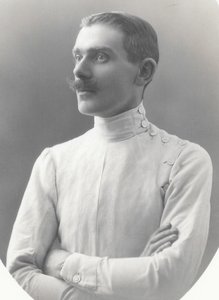
henri laurent (famille)
1881 - 1954 , Algeria
基本情報
- Artistic Movement Or Style:
- Cubism
- Surrealism
- Artists Or Movements Influenced By This Artist:
- Henri Matisse
- Fernande Olivier
- Artists Who Influenced This Artist:
- Paul Cézanne
- Georges Braque
- Date Of Birth: October 25, 1881
- Date Of Death: April 8, 1973
- Full Name: Pablo Diego José Francisco de Paula Juan Nepomuceno María de los Remedios Cipriano de la Santísima Trinidad Ruiz y Picasso
- Nationality: Spanish
- Notable Artworks:
- Guernica
- Les Demoiselles d’Avignon
- The Weeping Woman
- Place Of Birth: Málaga, Spain
関連記事
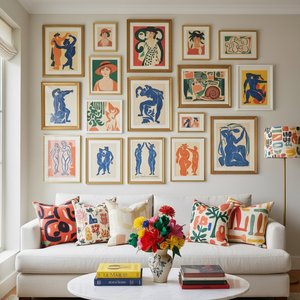
アンリ・マティスの傑作25選:色彩と情熱の軌跡|ArtsDot
アンリ・マティスの傑作25選🎨 色彩と情熱が織りなす世界を旅する。フォーヴィスム代表の巨匠、マティスの絵画の魅力と歴史を紐解きます。ArtsDotで高品質なアートプリントや複製画を見つけ、インテリアに芸術的な輝きを✨ Explore the full collection online

Monochrome Visions: Exploring the Aesthetic & Historical Significance of Black & White Photography
Explore the rich history & artistic power of black and white photography. From early techniques to iconic masters like Ansel Adams, discover why monochrome continues to captivate art lovers today. Expert insights for collectors.
Beyond the Lens: Photography's Enduring Influence on Modern & Contemporary Art
Explore photography's pivotal role in shaping modern & contemporary art. Discover key movements, influential artists like Stieglitz, and expert collecting advice from ArtsDot.

Dark Masterpieces: 10 Iconic Paintings Dominated by Black Tones |
Explore 10 iconic paintings dominated by black tones, from Rembrandt’s chiaroscuro to Goya's dark expressions. Discover the stories behind these masterpieces & find museum-quality art reproductions for your home at .

Pictorialism: A Search for Artistic Photography's Soul – Aesthetics, Techniques & Legacy
Explore the captivating world of Pictorialism – a pivotal movement that transformed photography into fine art. Discover key artists like Stieglitz & Käsebier, techniques, and collecting tips from experts.

