

 プレビュー
プレビュー
 プリントを購入
 シェアする
シェアする シェアする
シェアする
 詳細を見る
詳細を見る

 ダウンロード
 似ている作品
 X線調査
X線調査 スライドショー
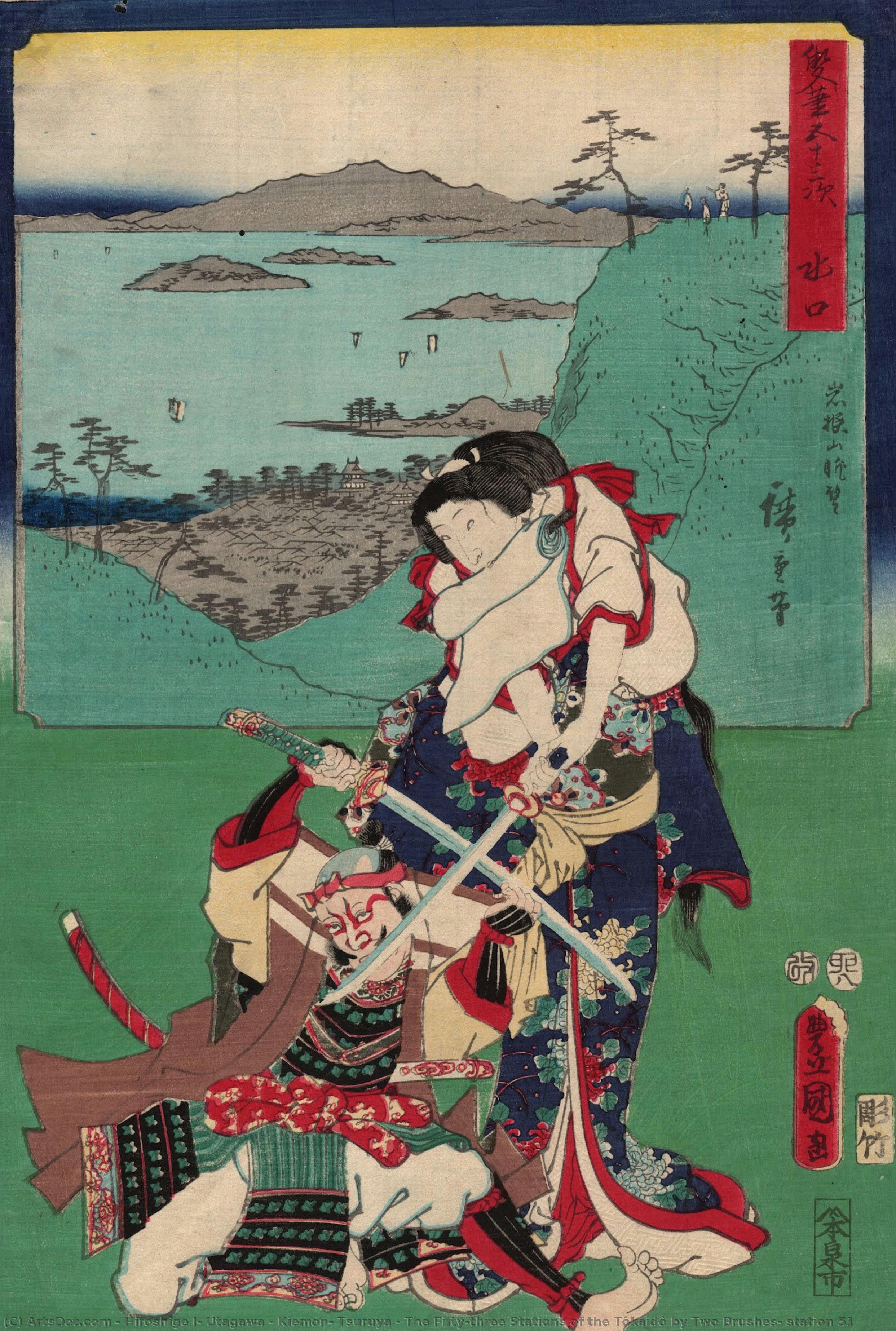
The Fifty-three Stations of the Tôkaidô by Two Brushes, station 51
 Woodblock Print
- Ukiyo-e
 1852
1852- 19th Century
 38.0 x 26.0 cm
 Bujalance Collection
 詳細を見る
詳細を見る




P118B $10

P118H $10

P118W $10

P438Z $10

P508JH $12

P508YH $12

P805H $10

P805Z $10

P919BZ $10

P919G $10

P919XJ $10

P959ZH $10

P968JZ $12

W106C $8

W218G $10

W218JH $8

W218Y $10

W307PJ $10

W316G $10

W316PJ $8

W316Y $10

W398PJ $8

W4111J $10

W500HY $15

W500JH $15

W692G $12

W849H $8

W940BG $15

W953PJ $8




作品のオリジナル比率に合わせた、当店の規定サイズからお選びください。

特定のフレームやスペースに合わせて、ご希望のサイズをご入力いただけます。選択されたサイズが元の画像の比率と異なる場合、アートワークをトリミングするか、手描きで要素を追加して絵画を拡張いたします。デジタルモックアップ を制作し、制作開始前にご確認(承認)をいただきます。
画面上のプレビューは、実際のトリミングや拡張を正確に反映しているものではありません。最終的な構図は、モックアップによってのみ正確にご確認いただけます。
カスタムサイズもご利用いただけますが、元の比率を維持するためには、あらかじめ用意されたリストからサイズを選択することをお勧めいたします。
ご注文後、ArtsDot.com チームより詳細な指示をお送りするとともに、仕上がりイメージ(モックアップ)をご提供いたします。


 ガラスオプションは、110cm未満のサイズでのみご利用いただけます。

The Fifty-three Stations of the Tôkaidô by Two Brushes, station 51
複製技法
複製画のサイズ
-


合計金額
$ 263
A Masterful Convergence of Landscape and Legend
In the delicate interplay of line and color found within The Fifty-three Stations of the Tōkaidō by Two Brushes, station 51, we witness a rare moment of artistic synergy. This exquisite woodblock print, dating from 1852, represents a profound collaboration between two titans of the Ukiyo-e era: the landscape master Hiroshige I and the character specialist Kunisada. As part of the celebrated series Tōkaidō Sohitsu gojusan tsugi, this work transcends the boundaries of individual style, offering a seamless integration where the serene natural world meets the dramatic pulse of human narrative. The composition is structured with a sophisticated duality; while Hiroshige provides a breathtaking vista of the Minakuchi station—complete with mountains, water, and sky—Kunisada breathes life into the foreground with figures that seem to emerge from the very atmosphere of the landscape.
The visual storytelling within this piece is both intimate and expansive. At the heart of the composition, a poignant encounter unfolds between two figures dressed in traditional Japanese attire. The tension of the scene is palpable, captured through the subtle positioning of a sword and the protective, close embrace of the protagonists. This dramatic human element serves as an emotional anchor, grounding the ethereal beauty of the landscape in a moment of high drama. The technique employed by these masters allows for a rich, vibrant palette that captures the fleeting light of the Tōcaldo route, making the scene feel as though it is breathing with life. For the discerning collector or interior designer, this print offers more than just decoration; it provides a window into a vanished world of elegance and intensity.
Technique and the Art of Collaborative Vision
What makes station 51 truly remarkable is the technical virtuosity required to harmonize two distinct artistic hands. Hiroshige’s contribution is characterized by his legendary ability to capture atmospheric perspective, using soft gradients and precise framing to create a sense of depth that draws the eye toward the distant horizon. His landscapes are often framed within a rectangular window at the top of the print, a stylistic choice that creates a beautiful tension with Kunisada’s figures. These characters do not merely sit in front of the landscape; they invade it, their forms overlapping the scenery to create a sense of three-dimensional space that was revolutionary for the period.
Kunisada’s mastery of character design brings a rhythmic energy to the lower portion of the work. His ability to render the intricate patterns of traditional textiles and the expressive anatomy of legendary figures provides a necessary weight to the composition. The interplay of birds, trees, and water—elements that populate the scene with life—serves to soften the transition between the human drama and the natural environment. This piece is a testament to the power of collaborative genius, where the boundaries between person and place dissolve into a singular, breathtaking vision. For those seeking to adorn a space with art that evokes both tranquility and narrative depth, this reproduction serves as an enduring symbol of Japanese heritage and artistic excellence.
関連作品
アーティストの略歴
introduction to the artist
hiroshige i, utagawa & kiemon, tsuruya, a renowned japanese ukiyo-e artist, is best known for his landscapes, such as the fifty-three stations of the tōkaidō and the sixty-nine stations of the kiso kaidō. born in 1797, he was considered one of the last great artists in the ukiyo-e tradition. his collaboration with tsuruya kiemon, a japanese publisher and printer, resulted in some of the most iconic prints of the era.artistic style and techniques
hiroshige i, utagawa & kiemon, tsuruya's artistic style is characterized by his use of vibrant colors and detailed depictions of landscapes. his woodblock prints are highly prized for their beauty and historical significance. the artist's collaboration with tsuruya kiemon led to the creation of several notable works, including processional tōkaidō, station 17, which is part of the bujalance collection in spain.notable works and collaborations
some of hiroshige i, utagawa & kiemon, tsuruya's most notable works include:- one hundred famous views of edo: bridge of senju, a stunning example of japanese art from the 19th century.
- kanadeon chushingura, act 1, a remarkable example of japanese ukiyo-e art, created in 1855.
- picture of the emperor, a multicolored woodblock print depicting emperor meiji's visit to the tōhoku region and hokkaido.
legacy and impact
hiroshige i, utagawa & kiemon, tsuruya's legacy can be seen in his influence on western art. his landscapes have been widely admired and studied by artists around the world. the artist's page on ArtsDot.com provides a comprehensive overview of his life and work, including his notable collaborations with tsuruya kiemon. the saitama prefectural museum of history and folklore in japan is home to several of the artist's works, including picture of the emperor.conclusion
hiroshige i, utagawa & kiemon, tsuruya's biography serves as a testament to his enduring legacy in the world of japanese art. his collaboration with tsuruya kiemon resulted in some of the most iconic prints of the era, and his influence can be seen in western art to this day. as a renowned ukiyo-e artist, hiroshige i, utagawa & kiemon, tsuruya's work continues to inspire artists and art enthusiasts around the world.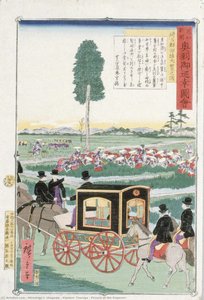
hiroshige i, utagawa & kiemon, tsuruya
1797 - 1858 , Japan
基本情報
- Artistic Movement Or Style: Ukiyo-e
- Artists Or Movements Influenced By This Artist: ['Western Impressionists']
- Date Of Birth: Tokyo, Japan (1797)
- Full Name: Hiroshige I, Utagawa & Kiemon
- Nationality: Japanese
- Notable Artworks:
- The Fifty-three Stations of the Tōkaidō
- Kanadeon Chushingura Act 1
- Picture of the Emperor
- Place Of Birth: Tokyo
関連記事

葛飾北斎:25の傑作が語る浮世絵の世界 - ArtsDot
葛飾北斎の25選:『神奈川沖浪裏』や『富嶽三十六景』など、浮世絵の世界を深く探求。木版画の技法と日本美術の美をArtsDotで。高品質なアートプリントで空間に感動を。コレクションはこちら。
Ukiyo-e: Exploring Japan's Floating World & Enduring Artistic Legacy
Explore the captivating world of Ukiyo-e – Japan's iconic woodblock prints! Discover masters like Hokusai & Hiroshige, learn about Edo period culture, and find expert art collecting guidance at ArtsDot.
The Enduring Legacy of Woodblock Printmaking: Technique, History & Artistic Expression
Explore the rich history of woodblock printmaking – from ancient techniques to Ukiyo-e masterpieces. Discover expert insights on collecting, preserving & appreciating this enduring art form.
Suzuki Harunobu: Pioneering Ukiyo-e & the Refinement of Edo Period Printmaking
Discover the revolutionary world of Suzuki Harunobu, a pioneer of ukiyo-e printmaking. Explore his exquisite nishiki-e techniques, diverse subjects & lasting impact on Japanese art history. Learn more at ArtsDot.
Tsukioka Yoshitoshi: A Master of Ukiyo-e's Final Flourish – Narrative, Innovation, and the Meiji Transition
Explore the life & art of Tsukioka Yoshitoshi, the last great master of ukiyo-e woodblock printing. Discover his dramatic warrior prints, innovative series like 'One Hundred Aspects of the Moon,' and legacy reflecting Japan's Meiji transition.

