

 プレビュー
プレビュー
 プリントを購入
 シェアする
シェアする シェアする
シェアする
 詳細を見る
詳細を見る

 ダウンロード
 似ている作品
 X線調査
X線調査 スライドショー
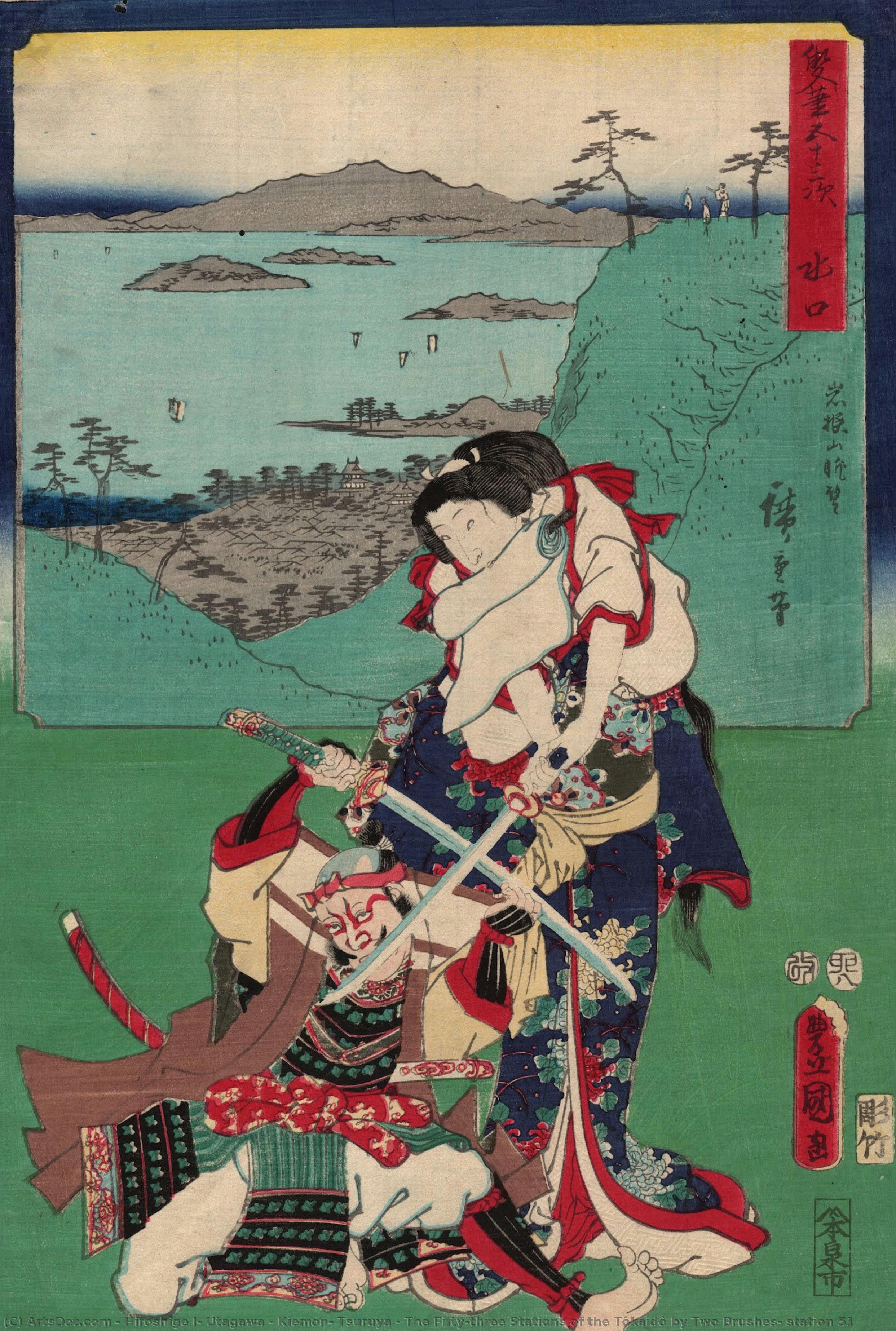
The Fifty-three Stations of the Tôkaidô by Two Brushes, station 51
 Woodblock Print
- Ukiyo-e
 1852
1852- 19th Century
 38.0 x 26.0 cm
 Bujalance Collection
 詳細を見る
詳細を見る
オンラインプレビューをはるかに凌ぐ、高解像度で鮮明なデジタル画像をご購入いただけます。
各ファイルは、社内の専門家が高度なツールと熟練した手作業によるレタッチを用いて、細心の注意を払って準備されています。すべての画像において、卓越した鮮明度、正確な色彩再現性、そして繊細なディテールを保証いたします。
最終ファイルは、プロフェッショナルな編集・印刷環境ですぐにご利用いただけるよう最適化された状態で、72時間以内にメールにてお届けいたします。これは、一流のデザインスタジオ、出版社、ギャラリーから信頼されているものと同等の品質です。
デジタル画像のご注文に付随する特典
高品質なデジタル画像配信を、確かな品質で。
ArtsDot.com を選ぶことは、単に画像を手に入れることではありません。それは、プロの手によって精密に仕上げられ、満足保証が付いた高品質なデジタルアートワークを受け取ることを意味します。ご注文いただいた際に自動的に付随する内容は、以下の通りです:

メールですぐにお届け
ご注文から72時間以内に、高解像度のデジタル画像ファイルがメールでお手元に届きます。すぐにそのままご利用いただけます。

AI技術で最適化されたデジタルファイル
お客様の作品は、高度なAIツールと専門家による手作業の編集を組み合わせてプロフェッショナルに最適化されており、細部のディテール、鮮明さ、そして正確な色再現性を最大限に引き出しています。

一生涯無料の再送サービス
ファイルを誤って削除したり、紛失してしまったりしましたか?ご安心ください。いつでも無料で再送いたします。

輸入手数料は一切かかりません
関税や手数料、配送料を気にすることなく、お気に入りのアートワークをすぐにお楽しみいただけます。デジタルダウンロードは常に免税です。

色彩再現の保証
プロ仕様のツールとカラーマネジメント技術を用いることで、デジタル画像が元の色を最大限に忠実に再現することを保証いたします。

60日間満足保証
ご購入いただいたデジタル画像にご満足いただけない場合は、60日以内であれば、修正または100%の返金(理由を問う必要はありません)をさせていただきます。

100% 返金保証
ご満足いただけない場合は、デジタルファイルを受け取ってから60日以内であれば、理由を問わず全額返金いたします。

まとめ買い割引
3枚購入で10%OFF - 5枚購入で15%OFF - 10枚以上購入で20%OFF。クリエイティブなプロジェクト、ギャラリー、エージェンシーに最適です。
A Masterful Convergence of Landscape and Legend
In the delicate interplay of line and color found within The Fifty-three Stations of the Tōkaidō by Two Brushes, station 51, we witness a rare moment of artistic synergy. This exquisite woodblock print, dating from 1852, represents a profound collaboration between two titans of the Ukiyo-e era: the landscape master Hiroshige I and the character specialist Kunisada. As part of the celebrated series Tōkaidō Sohitsu gojusan tsugi, this work transcends the boundaries of individual style, offering a seamless integration where the serene natural world meets the dramatic pulse of human narrative. The composition is structured with a sophisticated duality; while Hiroshige provides a breathtaking vista of the Minakuchi station—complete with mountains, water, and sky—Kunisada breathes life into the foreground with figures that seem to emerge from the very atmosphere of the landscape.
The visual storytelling within this piece is both intimate and expansive. At the heart of the composition, a poignant encounter unfolds between two figures dressed in traditional Japanese attire. The tension of the scene is palpable, captured through the subtle positioning of a sword and the protective, close embrace of the protagonists. This dramatic human element serves as an emotional anchor, grounding the ethereal beauty of the landscape in a moment of high drama. The technique employed by these masters allows for a rich, vibrant palette that captures the fleeting light of the Tōcaldo route, making the scene feel as though it is breathing with life. For the discerning collector or interior designer, this print offers more than just decoration; it provides a window into a vanished world of elegance and intensity.
Technique and the Art of Collaborative Vision
What makes station 51 truly remarkable is the technical virtuosity required to harmonize two distinct artistic hands. Hiroshige’s contribution is characterized by his legendary ability to capture atmospheric perspective, using soft gradients and precise framing to create a sense of depth that draws the eye toward the distant horizon. His landscapes are often framed within a rectangular window at the top of the print, a stylistic choice that creates a beautiful tension with Kunisada’s figures. These characters do not merely sit in front of the landscape; they invade it, their forms overlapping the scenery to create a sense of three-dimensional space that was revolutionary for the period.
Kunisada’s mastery of character design brings a rhythmic energy to the lower portion of the work. His ability to render the intricate patterns of traditional textiles and the expressive anatomy of legendary figures provides a necessary weight to the composition. The interplay of birds, trees, and water—elements that populate the scene with life—serves to soften the transition between the human drama and the natural environment. This piece is a testament to the power of collaborative genius, where the boundaries between person and place dissolve into a singular, breathtaking vision. For those seeking to adorn a space with art that evokes both tranquility and narrative depth, this reproduction serves as an enduring symbol of Japanese heritage and artistic excellence.
関連作品
作家の略歴
introduction to the artist
hiroshige i, utagawa & kiemon, tsuruya, a renowned japanese ukiyo-e artist, is best known for his landscapes, such as the fifty-three stations of the tōkaidō and the sixty-nine stations of the kiso kaidō. born in 1797, he was considered one of the last great artists in the ukiyo-e tradition. his collaboration with tsuruya kiemon, a japanese publisher and printer, resulted in some of the most iconic prints of the era.artistic style and techniques
hiroshige i, utagawa & kiemon, tsuruya's artistic style is characterized by his use of vibrant colors and detailed depictions of landscapes. his woodblock prints are highly prized for their beauty and historical significance. the artist's collaboration with tsuruya kiemon led to the creation of several notable works, including processional tōkaidō, station 17, which is part of the bujalance collection in spain.notable works and collaborations
some of hiroshige i, utagawa & kiemon, tsuruya's most notable works include:- one hundred famous views of edo: bridge of senju, a stunning example of japanese art from the 19th century.
- kanadeon chushingura, act 1, a remarkable example of japanese ukiyo-e art, created in 1855.
- picture of the emperor, a multicolored woodblock print depicting emperor meiji's visit to the tōhoku region and hokkaido.
legacy and impact
hiroshige i, utagawa & kiemon, tsuruya's legacy can be seen in his influence on western art. his landscapes have been widely admired and studied by artists around the world. the artist's page on ArtsDot.com provides a comprehensive overview of his life and work, including his notable collaborations with tsuruya kiemon. the saitama prefectural museum of history and folklore in japan is home to several of the artist's works, including picture of the emperor.conclusion
hiroshige i, utagawa & kiemon, tsuruya's biography serves as a testament to his enduring legacy in the world of japanese art. his collaboration with tsuruya kiemon resulted in some of the most iconic prints of the era, and his influence can be seen in western art to this day. as a renowned ukiyo-e artist, hiroshige i, utagawa & kiemon, tsuruya's work continues to inspire artists and art enthusiasts around the world.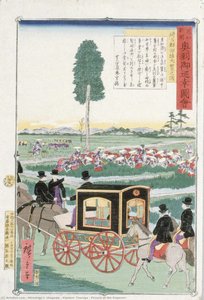
hiroshige i, utagawa & kiemon, tsuruya
1797 - 1858 , Japan
プロフィール概要
- Artistic Movement Or Style: Ukiyo-e
- Artists Or Movements Influenced By This Artist: ['Western Impressionists']
- Date Of Birth: Tokyo, Japan (1797)
- Full Name: Hiroshige I, Utagawa & Kiemon
- Nationality: Japanese
- Notable Artworks:
- The Fifty-three Stations of the Tōkaidō
- Kanadeon Chushingura Act 1
- Picture of the Emperor
- Place Of Birth: Tokyo

