

 プレビュー
プレビュー
 プリントを購入
 シェアする
シェアする シェアする
シェアする
 詳細を見る
詳細を見る

 ダウンロード
 似ている作品
 X線調査
X線調査 スライドショー
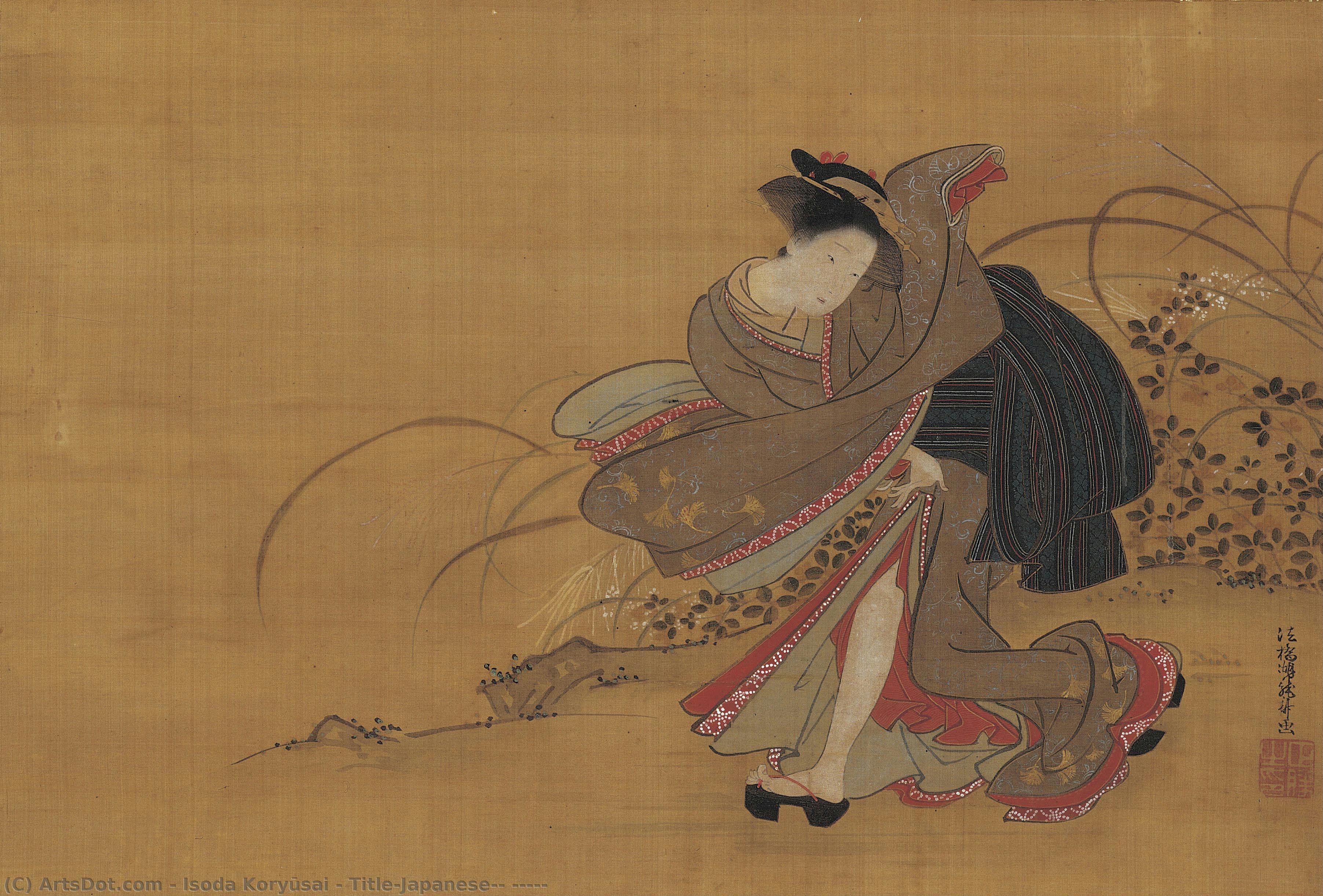
Title(Japanese): 秋野美人図
 Painting
- Ukiyo-e
 1700
1700- Early Modern
 47.0 x 32.0 cm
 大阪市立美術館
 詳細を見る
詳細を見る




P118B $10

P118H $10

P118W $10

P438Z $10

P508JH $12

P508YH $12

P805H $10

P805Z $10

P919BZ $10

P919G $10

P919XJ $10

P959ZH $10

P968JZ $12

W106C $8

W218G $10

W218JH $8

W218Y $10

W307PJ $10

W316G $10

W316PJ $8

W316Y $10

W398PJ $8

W4111J $10

W500HY $15

W500JH $15

W692G $12

W849H $8

W940BG $15

W953PJ $8




作品のオリジナル比率に合わせた、当店の規定サイズからお選びください。

特定のフレームやスペースに合わせて、ご希望のサイズをご入力いただけます。選択されたサイズが元の画像の比率と異なる場合、アートワークをトリミングするか、手描きで要素を追加して絵画を拡張いたします。デジタルモックアップ を制作し、制作開始前にご確認(承認)をいただきます。
画面上のプレビューは、実際のトリミングや拡張を正確に反映しているものではありません。最終的な構図は、モックアップによってのみ正確にご確認いただけます。
カスタムサイズもご利用いただけますが、元の比率を維持するためには、あらかじめ用意されたリストからサイズを選択することをお勧めいたします。
ご注文後、ArtsDot.com チームより詳細な指示をお送りするとともに、仕上がりイメージ(モックアップ)をご提供いたします。


 ガラスオプションは、110cm未満のサイズでのみご利用いただけます。

Title(Japanese): 秋野美人図
複製技法
複製画のサイズ
-


合計金額
$ 263
An Autumnal Whisper: The Ethereal Beauty of Koryūsai
In the delicate dance of 18th-century Japanese aesthetics, few works capture the fleeting essence of a seasonal breeze as poignantly as Isoda Koryūsai’s Akino Bijin-zu (Autumnal Beauty). This exquisite silk painting serves as a window into the Edo period, inviting the viewer to witness a moment where nature and human emotion intertwine. The composition centers on a young woman, her presence both commanding and ethereal, caught in a transient moment of grace. As an autumn wind sweeps through the scene, it lifts the heavy, ornate silks of her kimono, revealing glimpses of skin in a style known as abuna-e—a provocative yet refined genre that played with the boundaries of modesty and allure.
The artistry of Koryūsai, a master who emerged from the shadow of the legendary Suzuki Harunobu, is evident in the fluid movement captured within the frame. The way the fabric billows suggests a living, breathing atmosphere, making the stillness of the silk feel remarkably kinetic. For the discerning collector or interior designer, this piece offers more than mere decoration; it provides a focal point of narrative depth. The interplay between the vibrant reds of the woman's attire and the soft, naturalistic elements of the background creates a visual harmony that can anchor a sophisticated room, bringing a sense of historical prestige and tranquil energy to any curated space.
Symbolism and the Language of Nature
Beyond its surface beauty, the painting is steeped in the "secret coded language" of Japanese iconography. To the untrained eye, the flora surrounding the woman—the Japanese bush clover and the eulalia—are simply beautiful seasonal markers. However, to the contemporary Edo viewer, these botanical elements carried profound erotic and emotional connotations. The swaying grasses and delicate blooms act as metaphors for the transient nature of passion and the bittersweet melancholy of autumn. This layer of hidden meaning transforms the artwork from a simple portrait into a complex poetic dialogue, rewarding those who linger to contemplate its deeper mysteries.
The inclusion of small, delicate birds nestled within the composition further enhances this sense of a living ecosystem. These creatures add a rhythmic vitality to the piece, guiding the eye across the silk surface and reinforcing the theme of nature's interconnectedness. The balance between the human figure and the natural world is masterfully maintained, ensuring that while the woman is the protagonist, she remains an inseparable part of the seasonal landscape. This equilibrium makes the reproduction an ideal choice for those seeking to introduce elements of Zen-like balance and organic storytelling into their home environments.
A Legacy of Elegance for the Modern Collector
Isoda Koryūsai was a rare figure in the ukiyo-e world, a man of samurai lineage who achieved the prestigious honorary rank of hokkyo. This unique background allowed him to infuse his works with a level of sophistication and technical precision that set him apart from his contemporaries. His ability to render the intricate patterns of textiles and the subtle textures of skin makes this particular work a masterpiece of the late 18th century. Owning a high-quality reproduction of such a piece is an opportunity to preserve a fragment of Japan's golden age of art.
For those looking to inspire guests or create a sanctuary of culture, this painting offers an unparalleled emotional impact. It evokes a sense of nostalgia for a lost era of refinement and invites a slower, more mindful way of seeing. Whether placed in a sunlit gallery or a quiet study, the Akino Bijin-zu continues to breathe with the vitality of the autumn wind, offering timeless beauty that transcends the centuries.
関連作品
アーティストの略歴
The Soul of Edo: The Life and Legacy of Isoda Koryūsai
In the vibrant, bustling heart of the Edo period, a golden age of Japanese creativity, few names resonate with as much elegance and prolific energy as Isoda Koryūsai. Born in 1735 in the burgeoning metropolis of Tokyo—then known as Edo—Koryūsai was a man shaped by the dualities of his era. He descended from the noble Tsuchiya clan, a lineage steeped in samurai tradition. His early years were defined by the rigorous discipline of the warrior class, where he mastered the arts of calligraphy, swordsmanship, and Confucian ethics. However, the sudden death of his father transformed him into a rōnin, a masterless samurai. This shift from the structured life of an aristocrat to the uncertain freedom of a wanderer became the catalyst for his artistic metamorphosis, allowing him to trade the sword for the brush and find his true calling within the floating world of ukiyo-e.
Koryūsai’s emergence as a master designer was not a solitary journey but one deeply intertwined with the evolution of Japanese printmaking. Establishing himself near the iconic Ryōgoku Bridge in 1769, he positioned himself at the epicenter of Edo's entertainment and commercial life. His artistic DNA was profoundly shaped by his apprenticeship under the legendary Suzuki Harunobu. From Harunobu, Koryūsai inherited a refined sensitivity to color and a delicate approach to line, yet he possessed a unique ability to expand upon these foundations. While Harunobu is often celebrated for the invention of nishiki-e (brocade prints), Koryūsai took this technical revolution and applied it to a broader, more diverse range of subjects, blending the ethereal beauty of his mentor's style with a grounded, observational realism.
Mastery of the Floating World
The true brilliance of Koryūsai lies in his ability to capture the ephemeral moments of daily life, elevating the mundane to the level of high art. He became a preeminent master of bijin-ga, or pictures of beautiful women, where he utilized the intricate patterns of kimonos and the subtle grace of posture to tell stories of elegance and longing. His works, such as the evocative Courtesan Playing the Samisen, serve as windows into a lost era, showcasing a profound understanding of musicality and stillness. In these prints, every fold of silk and every tilt of a head is imbued with a sense of quiet drama, inviting the viewer to participate in the serene atmosphere of the Edo pleasure districts.
Beyond the portraits of beauties, Koryūsai’s repertoire was remarkably expansive, touching upon landscapes and seasonal allegories that resonated deeply with the Japanese psyche. He possessed a remarkable talent for integrating nature into his compositions, using symbolic flora to evoke specific emotions or times of year. In works like Autumn Beauty, he masterfully depicts women amidst wind-swept autumn leaves, creating a poetic dialogue between human grace and the transient beauty of the natural world. This ability to weave seasonal symbolism into his designs allowed him to create art that was both visually stunning and emotionally resonant, capturing the very essence of the ukiyo—the floating, fleeting world.
A Lasting Impression on Japanese Art
The historical significance of Isoda Koryūsai extends far beyond the borders of his own lifetime. As a prolific designer, his influence helped stabilize and expand the popularity of woodblock printing during one of Japan's most culturally significant centuries. His work bridged the gap between the delicate, dreamlike qualities of early ukiyo-e and the more robust, detailed styles that would follow in the nineteenth century. By documenting the fashions, social customs, and landscapes of Edo, he provided a visual archive of a civilization at its peak.
Today, Koryūsai’s legacy is preserved through his exquisite prints and paintings that continue to captivate collectors and historians alike. His contributions can be summarized by several key artistic achievements:
- Technical Innovation: The masterful application of multi-colored printing techniques learned from the Harunobu school.
- Genre Versatility: An unparalleled ability to move seamlessly between bijin-ga, seasonal landscapes, and scenes of daily life.
- Cultural Documentation: Providing a detailed visual record of the social hierarchies, fashion, and aesthetics of the Edo period.
- Emotional Depth: The infusion of subtle symbolism and atmospheric tension into seemingly simple compositions.
Through his brush, the transient beauty of the Edo period was rendered permanent, ensuring that the elegance of the rōnin-turned-artist would endure long after the era of the samurai had faded into history.
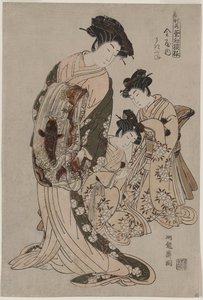
isoda koryūsai 磯田湖龍斎
1735 - 1790 , Japan
基本情報
- Artistic Movement Or Style: Ukiyo-e
- Artists Or Movements Influenced By This Artist: ['Harunobu']
- Artists Who Influenced This Artist: ['Suzuki Harunobu']
- Date Of Birth: Tokyo, Japan (1735)
- Full Name: Isoda Koryūsai
- Nationality: Japanese
- Notable Artworks:
- The Courtesan Sugawara of the Tsuruya and Her Attendant
- Begging for Alms
- Gibbon snatching sake pot from flower-viewing party
- Place Of Birth: Tokyo
関連記事
Ukiyo-e: Exploring Japan's Floating World & Enduring Artistic Legacy
Explore the captivating world of Ukiyo-e – Japan's iconic woodblock prints! Discover masters like Hokusai & Hiroshige, learn about Edo period culture, and find expert art collecting guidance at ArtsDot.

葛飾北斎:25の傑作が語る浮世絵の世界 - ArtsDot
葛飾北斎の25選:『神奈川沖浪裏』や『富嶽三十六景』など、浮世絵の世界を深く探求。木版画の技法と日本美術の美をArtsDotで。高品質なアートプリントで空間に感動を。コレクションはこちら。
Suzuki Harunobu: Pioneering Ukiyo-e & the Refinement of Edo Period Printmaking
Discover the revolutionary world of Suzuki Harunobu, a pioneer of ukiyo-e printmaking. Explore his exquisite nishiki-e techniques, diverse subjects & lasting impact on Japanese art history. Learn more at ArtsDot.
Floating World: The Captivating Art and Legacy of Japanese Ukiyo-e
Explore the profound beauty of Japanese Ukiyo-e. Discover the history, masters like Hokusai, and the enduring legacy of the 'Floating World' through an expert art-historical lens.
Ukiyo-e's Poetic Visionary: Hiroshige Ando & the Transformation of Landscape in 19th-Century Japan
Explore the life & art of Ando Hiroshige, Japan's last great ukiyo-e master. Discover his iconic landscapes, poetic style, and profound influence on Western Impressionism. Learn about The Fifty-Three Stations & more!

