

 プレビュー
プレビュー
 プリントを購入
 シェアする
シェアする シェアする
シェアする
 詳細を見る
詳細を見る

 ダウンロード
 似ている作品
 X線調査
X線調査 スライドショー
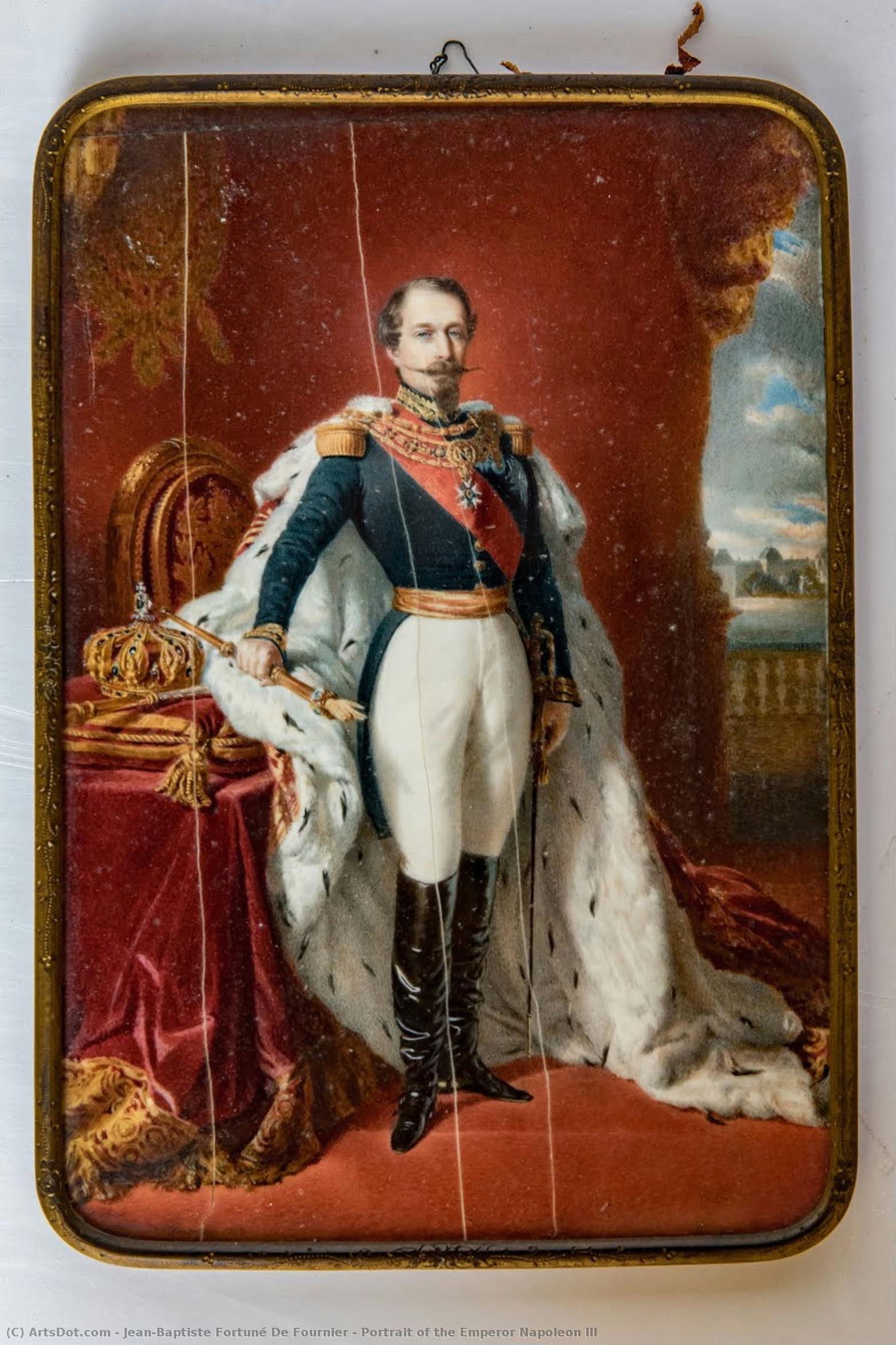
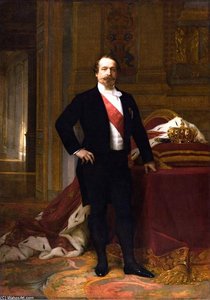
Portrait of the Emperor Napoleon III


 詳細を見る
詳細を見る




































作品のオリジナル比率に合わせた、当店の規定サイズからお選びください。

特定のフレームやスペースに合わせて、ご希望のサイズをご入力いただけます。選択されたサイズが元の画像の比率と異なる場合、アートワークをトリミングするか、手描きで要素を追加して絵画を拡張いたします。デジタルモックアップ を制作し、制作開始前にご確認(承認)をいただきます。
画面上のプレビューは、実際のトリミングや拡張を正確に反映しているものではありません。最終的な構図は、モックアップによってのみ正確にご確認いただけます。
カスタムサイズもご利用いただけますが、元の比率を維持するためには、あらかじめ用意されたリストからサイズを選択することをお勧めいたします。
ご注文後、ArtsDot.com チームより詳細な指示をお送りするとともに、仕上がりイメージ(モックアップ)をご提供いたします。


 ガラスオプションは、110cm未満のサイズでのみご利用いただけます。

Portrait of the Emperor Napoleon III
複製技法
複製画のサイズ
-


合計金額
$ 263
関連作品
![[reproduction Of Napoleon On The Battlefield Of Eylau By Antoine-jean Gros] — アントワーヌ=ジャン・グロ, Romanticism](/media/artworks/images-thumb/71/d6/71d675b2075901060e862865eec8e2f4.jpg)
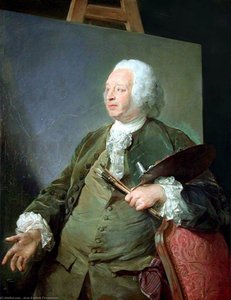
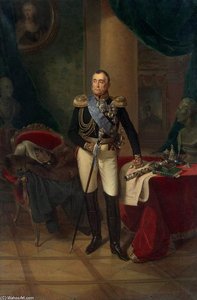
アーティストの略歴
Jean-Baptiste Fortuné de Fournier: Capturing Imperial Elegance Through Watercolor
Jean-Baptiste Fortuné de Fournier (1797 – 1864) stands as a significant figure in French watercolor painting during the Second Empire, specifically renowned for his meticulous depictions of castle interiors—a genre that offers invaluable insight into the opulent tastes and decorative arts prevalent at the time. Born in Nice, France, he descended from Luigi Antonio Fournier, an Italian diplomat, establishing him within a milieu steeped in artistic patronage and intellectual curiosity. His early life fostered a passion for art, culminating in formal training and a dedication to mastering watercolor techniques—a medium favored by artists seeking subtlety and luminosity.- Early Influences & Artistic Training: Fournier’s formative years coincided with the burgeoning Romantic movement, exposing him to dramatic landscapes and emotive narratives. However, he swiftly gravitated towards the neoclassical ideals championed by Jacques-Nicolas Paillot Guérard and Alexandre Cabanel, absorbing their emphasis on idealized forms and precise draughtsmanship.
- Castle Interiors: A Defining Genre Fournier’s artistic breakthrough arrived with his fascination for capturing the grandeur of French castles—Saint-Cloud, Fontainebleau, and Villa San Donato being among his most celebrated subjects. Unlike grand canvases portraying historical events or mythological tales, these watercolors focused on intimate spaces—drawing rooms adorned with sumptuous fabrics, dining halls illuminated by candlelight, and corridors reflecting the aristocratic lifestyle of the era.
- Technique & Aesthetic Considerations: Fournier’s watercolor style was characterized by a remarkable level of detail and tonal gradation. He skillfully employed layering techniques to achieve depth and atmosphere, meticulously rendering textures—from velvet drapery to polished marble floors—with astonishing accuracy. His palette favored muted hues—primarily blues, greens, and golds—creating an ambiance that conveyed both elegance and tranquility.
Notable Works & Recognition
Fournier’s artistic output yielded several noteworthy pieces that continue to captivate collectors and scholars alike. Among his most acclaimed commissions were watercolors of Saint-Cloud Palace, meticulously documenting the royal residence during Napoleon III's reign. Similarly, Villa San Donato—the papal summer villa in Florence—became a subject of fascination, showcasing Fournier’s ability to convey the grandeur and refinement of Italian aristocratic culture. His works are preserved in prestigious institutions such as the Louvre Museum’s Drawing Cabinet and the Musée du Second Empire in Compiègne Palace, cementing his legacy as an artist who faithfully documented the visual landscape of his time.Historical Significance & Legacy
Fournier's contribution to art history extends beyond mere aesthetic appreciation; he served as a crucial recorder of social and cultural trends during the Second Empire—a period marked by imperial ambition, artistic innovation, and lavish displays of wealth. His watercolors offer invaluable documentation for historians studying decorative arts and interior design—providing tangible evidence of the stylistic preferences that shaped Parisian society. Furthermore, Fournier’s meticulous observation of naturalistic detail—particularly in depictions of flora and fauna—reflects a broader intellectual movement concerned with scientific inquiry and artistic representation.Further Exploration
For those interested in delving deeper into Jean-Baptiste Fortuné de Fournier's oeuvre, the British Museum’s collection features a portrait of Napoleon III by this artist (https://www.britishmuseum.org/collection/term/BIOG27664). Examining his artistic influences and comparing his style with contemporaries like Alexandre Cabanel provides valuable context for understanding the broader artistic landscape of 19th-century France. Finally, exploring reproductions of his castle interiors—available on platforms such as ArtsDot—allows viewers to experience firsthand the beauty and sophistication of Fournier’s vision.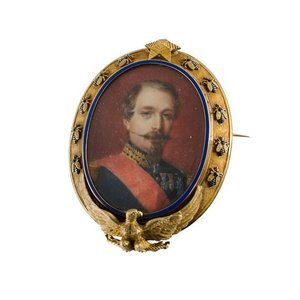
jean-baptiste fortuné de fournier
1797 - 1864 , France
基本情報
- Artistic Movement Or Style: Watercolor
- Artists Or Movements Influenced By This Artist: ['Rococo']
- Artists Who Influenced This Artist: ['Jean Baptiste Oudry']
- Date Of Birth: May 16, 1797
- Date Of Death: February 17, 1864
- Full Name: Jean Baptiste Fortuné de Fournier
- Nationality: French
- Notable Artworks:
- Saint-Cloud Interior
- Fontainebleau Interior
- Tuileries Interior
- Place Of Birth: Nice, France
関連記事
Jean-Baptiste Carpeaux: Sculpting Passion & Controversy in 19th-Century France
Explore the passionate life & controversial works of Jean-Baptiste Carpeaux, a leading French sculptor of the Second Empire. Discover his realism, iconic sculptures like 'Ugolino,' and lasting legacy as a precursor to Rodin.

19th Century Masterpieces: 10 Paintings That Defined an Era | ArtsDot
Journey through 19th century art with ArtsDot! Explore 10 iconic paintings – from Monet & Renoir to Courbet – and discover the stories behind Romanticism, Realism & Impressionism. Find museum-quality reproductions for your home decor. Explore the full collection online!
Émile Jean Horace Vernet: Romantic Realism & Depicting 19th-Century Life
Explore the life & art of Émile Jean Horace Vernet, a master of Romantic Realism. Discover his captivating battle scenes, portraits, and Orientalist works – a window into 19th-century France. Learn about his techniques & enduring legacy.
至高の芸術:新古典主義を象徴する10選 – 華麗なる巨匠と時代を彩る傑作の世界
新古典主義を代表する10選!ダビッド、アンジェリカーら巨匠の傑作を紐解き、時代を超えた美と知性を探求。油絵、版画など高精細なアートプリントで、お部屋を華やかに彩りませんか?ArtsDot.comで至高の芸術を体験してください。
Jean-Baptiste Debret: Witnessing Brazil’s Emergence Through Art & Identity
Explore the captivating art of Jean-Baptiste Debret, a key witness to Brazil’s imperial era. Discover his iconic portraits, historical scenes & insightful depictions of Brazilian life. Learn about his legacy and find museum-quality reproductions at ArtsDot.