

 プレビュー
プレビュー
 プリントを購入
 シェアする
シェアする シェアする
シェアする
 詳細を見る
詳細を見る

 ダウンロード
 似ている作品
 X線調査
X線調査 スライドショー
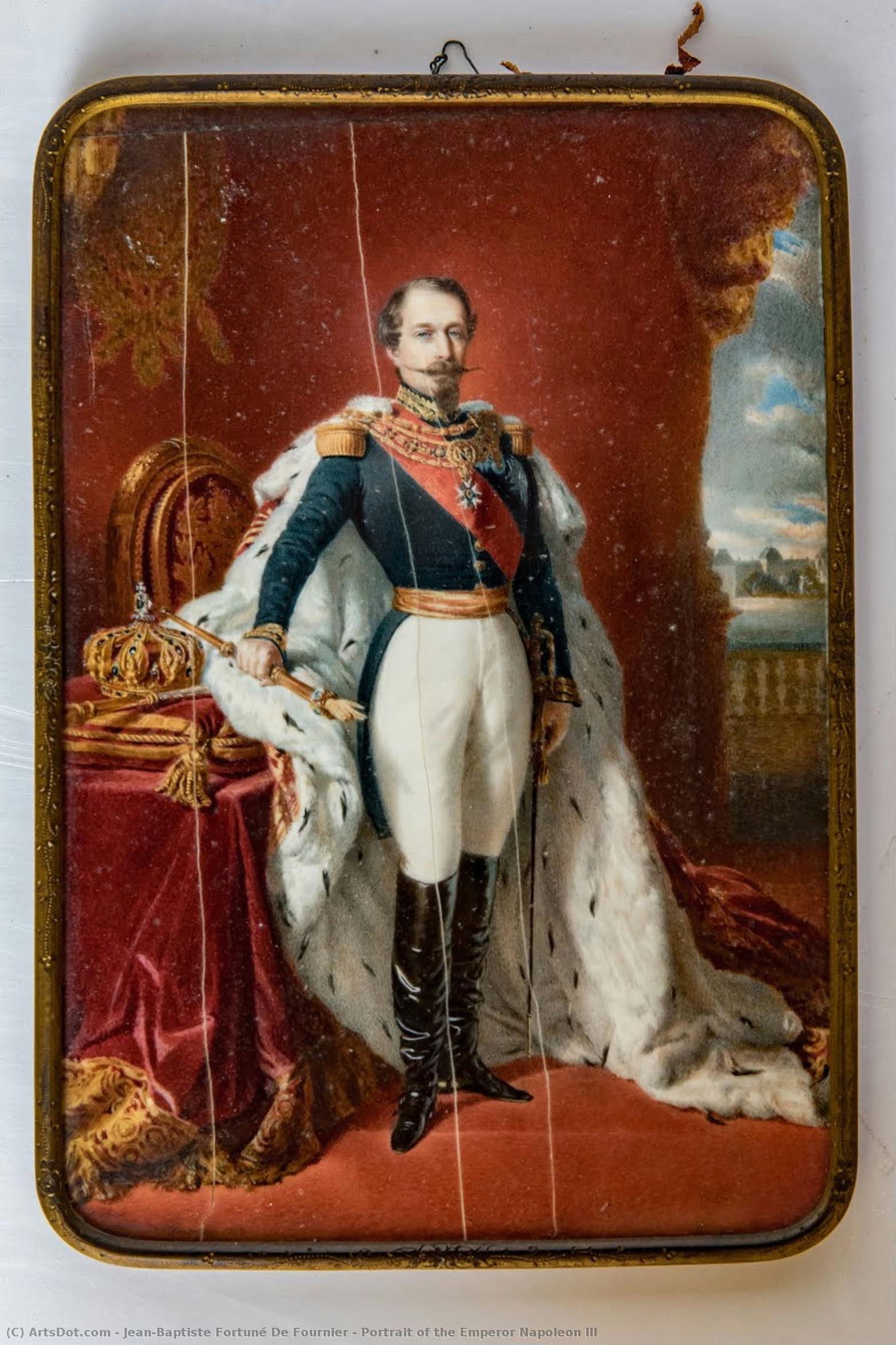
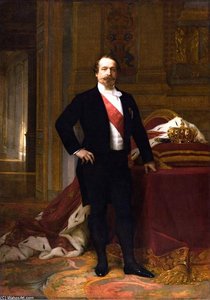
Portrait of the Emperor Napoleon III


 詳細を見る
詳細を見る
オンラインプレビューをはるかに凌ぐ、高解像度で鮮明なデジタル画像をご購入いただけます。
各ファイルは、社内の専門家が高度なツールと熟練した手作業によるレタッチを用いて、細心の注意を払って準備されています。すべての画像において、卓越した鮮明度、正確な色彩再現性、そして繊細なディテールを保証いたします。
最終ファイルは、プロフェッショナルな編集・印刷環境ですぐにご利用いただけるよう最適化された状態で、72時間以内にメールにてお届けいたします。これは、一流のデザインスタジオ、出版社、ギャラリーから信頼されているものと同等の品質です。
デジタル画像のご注文に付随する特典
高品質なデジタル画像配信を、確かな品質で。
ArtsDot.com を選ぶことは、単に画像を手に入れることではありません。それは、プロの手によって精密に仕上げられ、満足保証が付いた高品質なデジタルアートワークを受け取ることを意味します。ご注文いただいた際に自動的に付随する内容は、以下の通りです:

メールですぐにお届け
ご注文から72時間以内に、高解像度のデジタル画像ファイルがメールでお手元に届きます。すぐにそのままご利用いただけます。

AI技術で最適化されたデジタルファイル
お客様の作品は、高度なAIツールと専門家による手作業の編集を組み合わせてプロフェッショナルに最適化されており、細部のディテール、鮮明さ、そして正確な色再現性を最大限に引き出しています。

一生涯無料の再送サービス
ファイルを誤って削除したり、紛失してしまったりしましたか?ご安心ください。いつでも無料で再送いたします。

輸入手数料は一切かかりません
関税や手数料、配送料を気にすることなく、お気に入りのアートワークをすぐにお楽しみいただけます。デジタルダウンロードは常に免税です。

色彩再現の保証
プロ仕様のツールとカラーマネジメント技術を用いることで、デジタル画像が元の色を最大限に忠実に再現することを保証いたします。

100日間満足保証
ご購入いただいたデジタル画像にご満足いただけない場合は、100日以内であれば、修正または100%の返金(理由を問う必要はありません)をさせていただきます。

100% 返金保証
ご満足いただけない場合は、デジタルファイルを受け取ってから100日以内であれば、理由を問わず全額返金いたします。

まとめ買い割引
3枚購入で10%OFF - 5枚購入で15%OFF - 10枚以上購入で20%OFF。クリエイティブなプロジェクト、ギャラリー、エージェンシーに最適です。
関連作品
![[reproduction Of Napoleon On The Battlefield Of Eylau By Antoine-jean Gros] — アントワーヌ=ジャン・グロ, Romanticism](/media/artworks/images-thumb/71/d6/71d675b2075901060e862865eec8e2f4.jpg)
作家の略歴
Jean-Baptiste Fortuné de Fournier: Capturing Imperial Elegance Through Watercolor
Jean-Baptiste Fortuné de Fournier (1797 – 1864) stands as a significant figure in French watercolor painting during the Second Empire, specifically renowned for his meticulous depictions of castle interiors—a genre that offers invaluable insight into the opulent tastes and decorative arts prevalent at the time. Born in Nice, France, he descended from Luigi Antonio Fournier, an Italian diplomat, establishing him within a milieu steeped in artistic patronage and intellectual curiosity. His early life fostered a passion for art, culminating in formal training and a dedication to mastering watercolor techniques—a medium favored by artists seeking subtlety and luminosity.- Early Influences & Artistic Training: Fournier’s formative years coincided with the burgeoning Romantic movement, exposing him to dramatic landscapes and emotive narratives. However, he swiftly gravitated towards the neoclassical ideals championed by Jacques-Nicolas Paillot Guérard and Alexandre Cabanel, absorbing their emphasis on idealized forms and precise draughtsmanship.
- Castle Interiors: A Defining Genre Fournier’s artistic breakthrough arrived with his fascination for capturing the grandeur of French castles—Saint-Cloud, Fontainebleau, and Villa San Donato being among his most celebrated subjects. Unlike grand canvases portraying historical events or mythological tales, these watercolors focused on intimate spaces—drawing rooms adorned with sumptuous fabrics, dining halls illuminated by candlelight, and corridors reflecting the aristocratic lifestyle of the era.
- Technique & Aesthetic Considerations: Fournier’s watercolor style was characterized by a remarkable level of detail and tonal gradation. He skillfully employed layering techniques to achieve depth and atmosphere, meticulously rendering textures—from velvet drapery to polished marble floors—with astonishing accuracy. His palette favored muted hues—primarily blues, greens, and golds—creating an ambiance that conveyed both elegance and tranquility.
Notable Works & Recognition
Fournier’s artistic output yielded several noteworthy pieces that continue to captivate collectors and scholars alike. Among his most acclaimed commissions were watercolors of Saint-Cloud Palace, meticulously documenting the royal residence during Napoleon III's reign. Similarly, Villa San Donato—the papal summer villa in Florence—became a subject of fascination, showcasing Fournier’s ability to convey the grandeur and refinement of Italian aristocratic culture. His works are preserved in prestigious institutions such as the Louvre Museum’s Drawing Cabinet and the Musée du Second Empire in Compiègne Palace, cementing his legacy as an artist who faithfully documented the visual landscape of his time.Historical Significance & Legacy
Fournier's contribution to art history extends beyond mere aesthetic appreciation; he served as a crucial recorder of social and cultural trends during the Second Empire—a period marked by imperial ambition, artistic innovation, and lavish displays of wealth. His watercolors offer invaluable documentation for historians studying decorative arts and interior design—providing tangible evidence of the stylistic preferences that shaped Parisian society. Furthermore, Fournier’s meticulous observation of naturalistic detail—particularly in depictions of flora and fauna—reflects a broader intellectual movement concerned with scientific inquiry and artistic representation.Further Exploration
For those interested in delving deeper into Jean-Baptiste Fortuné de Fournier's oeuvre, the British Museum’s collection features a portrait of Napoleon III by this artist (https://www.britishmuseum.org/collection/term/BIOG27664). Examining his artistic influences and comparing his style with contemporaries like Alexandre Cabanel provides valuable context for understanding the broader artistic landscape of 19th-century France. Finally, exploring reproductions of his castle interiors—available on platforms such as ArtsDot—allows viewers to experience firsthand the beauty and sophistication of Fournier’s vision.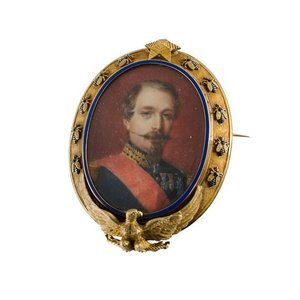
jean-baptiste fortuné de fournier
1797 - 1864 , France
プロフィール概要
- Artistic Movement Or Style: Watercolor
- Artists Or Movements Influenced By This Artist: ['Rococo']
- Artists Who Influenced This Artist: ['Jean Baptiste Oudry']
- Date Of Birth: May 16, 1797
- Date Of Death: February 17, 1864
- Full Name: Jean Baptiste Fortuné de Fournier
- Nationality: French
- Notable Artworks:
- Saint-Cloud Interior
- Fontainebleau Interior
- Tuileries Interior
- Place Of Birth: Nice, France