

 プレビュー
プレビュー
 シェアする
シェアする シェアする
シェアする
 詳細を見る
詳細を見る

 ダウンロード
 似ている作品
 X線調査
X線調査 スライドショー
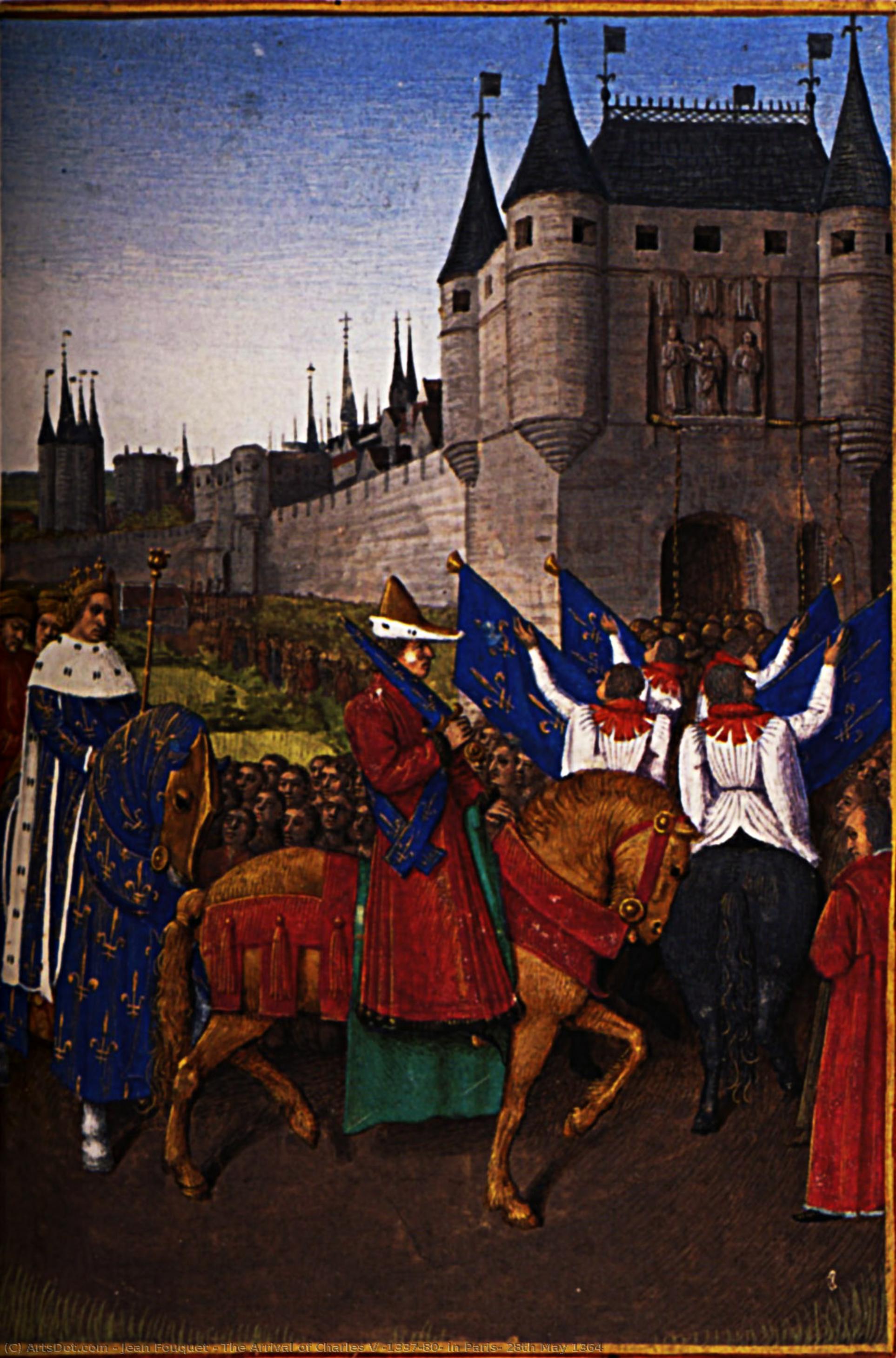
The Arrival of Charles V (1337-80) in Paris, 28th May 1364


 詳細を見る
詳細を見る
ジークレー/アートプリント
迅速な制作と多彩な仕上げオプションを備えた、ミュージアムクオリティのジークレーまたはキャンバスプリント。 ( 手描きの絵画を購入 画像を購入)




P118B $10

P118H $10

P118W $10

P438Z $10

P508JH $12

P508YH $12

P805H $10

P805Z $10

P919BZ $10

P919G $10

P919XJ $10

P959ZH $10

P968JZ $12

W106C $8

W218G $10

W218JH $8

W218Y $10

W307PJ $10

W316G $10

W316PJ $8

W316Y $10

W398PJ $8

W4111J $10

W500HY $15

W500JH $15

W692G $12

W849H $8

W940BG $15

W953PJ $8




作品のオリジナル比率に合わせた、当店の規定サイズからお選びください。

特定のフレームやスペースに合わせて、ご自身でサイズを指定することも可能です。選択されたサイズが元の画像の比率と一致しない場合、作品をトリミングするか、鏡面反射または単色での塗りつぶしによって画像を拡張いたします。制作を開始する前に、ご確認用のデジタルモックアップをお送りいたします。
画面上のプレビューには、実際のトリミングや拡張は反映されませんのでご注意ください。最終的な構図を正確に確認できるのは、モックアップのみとなります。
カスタムサイズも承っておりますが、元の比率を維持するためには、あらかじめ用意されたリストからサイズを選択することをお勧めいたします。


 ガラスオプションは、110cm未満のサイズでのみご利用いただけます。

The Arrival of Charles V (1337-80) in Paris, 28th May 1364
ジークレー/アートプリント
複製画のサイズ
-


合計金額
$ 62
A Royal Arrival: Jean Fouquet’s “The Arrival of Charles V in Paris”
Jean Fouquet's "The Arrival of Charles V in Paris, 28th May 1364," a captivating work created around 1460, transcends the simple depiction of a historical event. It’s a vibrant tableau brimming with symbolic weight and executed with an unprecedented blend of Gothic formality and burgeoning Renaissance innovation – a testament to Fouquet's pivotal role as a bridge between artistic traditions in late medieval France. The painting isn’t merely a record of Charles V’s triumphant entry into the city; it’s a carefully constructed narrative, rich in visual cues that speak to power, piety, and the nascent spirit of a nation asserting itself.
The scene unfolds on a bustling Parisian street, rendered with remarkable detail despite the somewhat stylized approach. The central figure, Charles V himself, is depicted astride a magnificent warhorse, his posture radiating authority and confidence. He’s not presented as a divine ruler, but rather as a strong, capable leader – a man actively engaged in governing his realm. Surrounding him are a throng of figures: dignitaries, courtiers, soldiers, and citizens, all rendered with varying degrees of realism and expressive detail. Fouquet masterfully uses light and shadow to create depth and drama, drawing the eye towards the central action while subtly hinting at the complexities beneath the surface of this seemingly celebratory event.
A Masterclass in Technique: Fouquet’s Hybrid Style
Fouquet's artistic style is immediately recognizable as a unique synthesis. He inherited the meticulous detail and elegant compositions characteristic of the French Gothic tradition, particularly evident in the refined drapery and the careful observation of human anatomy. However, he boldly incorporated elements borrowed from the Italian Renaissance – looser brushwork, flattened perspective, and an emphasis on capturing fleeting expressions—creating a style that is both distinctly French and undeniably forward-looking. The use of tempera paint on vellum (vellum) contributes to the painting’s luminous quality and remarkable preservation, allowing for subtle gradations of color and a delicate sheen.
Notably, Fouquet's technique diverges from the prevalent conventions of his time. He eschews the rigid adherence to linear perspective favored by some contemporary artists, opting instead for a more atmospheric approach that prioritizes capturing the overall mood and dynamism of the scene. This deliberate departure suggests an independent spirit and a willingness to experiment – qualities that would become increasingly valued in the evolving artistic landscape of 15th-century France.
Symbolism Woven into the Scene
Beyond its immediate depiction, “The Arrival of Charles V” is laden with symbolic meaning. The flags prominently displayed represent not just royal authority but also the burgeoning power and prestige of the French monarchy. The presence of religious figures – likely representing St. Stephen, a patron saint of soldiers – underscores the importance of faith in shaping the nation’s destiny. Even the arrangement of the figures contributes to the overall narrative; Charles V is positioned as the focal point, commanding attention and asserting his dominance over the assembled crowd.
The inclusion of details like the heraldic banners and the elaborate clothing further reinforces the painting's symbolic function. Each element serves as a visual shorthand, communicating complex ideas about power, piety, and national identity. Fouquet’s skill lies in his ability to seamlessly integrate these symbols into a visually compelling composition that is both informative and emotionally resonant.
A Window into a Moment: Historical Context & Legacy
The painting captures a pivotal moment in French history – the arrival of Charles V, a shrewd and ambitious ruler who played a crucial role in consolidating royal power. His visit to Paris marked a significant step towards establishing a centralized state and asserting France’s independence on the European stage. Fouquet's depiction provides valuable insight into the political and social dynamics of the era, offering a glimpse into the rituals and ceremonies that shaped the lives of French royalty and nobility.
Fouquet’s work is particularly significant because it represents a transitional period in French art history. He was one of the last major artists working in the Gothic style, yet he embraced the innovations of the Renaissance, paving the way for future generations of French painters. “The Arrival of Charles V” stands as a testament to his artistic genius and his enduring legacy as a pivotal figure in the development of European painting.
関連作品
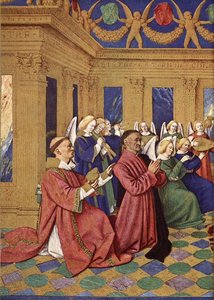
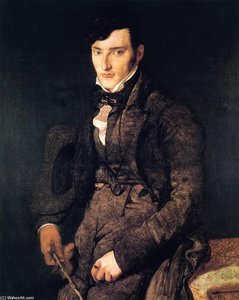
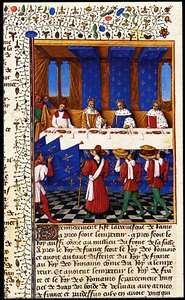
アーティストの略歴
二つの世界の架け橋:ジャン・フーケの芸術
1420年頃、フランスのトゥールに生を受けたジャン・フーケは、フランス絵画史において極めて重要でありながら、今なお議論の絶えない位置を占めています。彼は単なる「過渡期の画家」ではありませんでした。衰退しつつあったゴシック様式の優雅さと、胎動し始めたイタリア・ルネサンスの革新性を融合させ、後世に多大な影響を与える独自のフランス的視覚言語を築き上げた、ダイナミックな創造者だったのです。彼の初期の生涯については、今なお謎に包まれた部分が多く、かつてはベドフォード・マスターの下での修行説が有力でしたが、現在ではナントのジュヴナール・マスターの工房で基礎を学んだ可能性へと研究の焦点が移っています。しかし、その芸術的旅路が残した衝撃は否定しようもありません。フーケの物語は、単なる様式の変遷ではなく、15世紀ヨーロッパの変わりゆきゆく文化的潮流に対する、意図的かつ深い関わりそのものなのです。イタリアの残響とフランス的洗練
フーケの芸術的発展における決定的な瞬間は、1445年から1447年にかけてのイタリア滞在でした。これは単なる受動的な観察ではなく、彼の芸術的手法を根本から変容させた没入的な体験でした。ローマにおいて、彼はフラ・アンジェリコやフィラレーテといった巨匠たちの作品に触れ、クワトロチェント(15世紀)様式を定義づけ始めた遠近法の習熟、形態の明晰さ、そして自然主義的な表現を吸収していきました。しかし、フーケはこれらのイタリア的革新を単に模倣したわけではありません。彼はそれらを自身の芸術的感性というフィルターに通し、後期ゴシック美術の特徴である緻密なディテール、豊かな色彩、そして装飾的な華やかさと融合させたのです。この融合によって、驚くほどモダンでありながら、フランスの伝統に深く根ざした独自のスタイルが誕生しました。彼は単なる技法だけでなく、芸術がいかにして地位や信仰心、そして政治的正統性を伝える強力な道具となり得るかという深い洞察を持ち帰り、それをその後のキャリアを通じて見事に昇華させていきました。宮廷生活と精神的献身の傑作
フーケの芸術活動は、シャルル7世、エティエンヌ・シュヴァリエ、ギヨーム・ジュヴネル・デ・ウルサン、そして後のルイ11世といったフランス宮廷のパトロンたちと密接に結びついていました。この繋がりは、彼の最も名高い作品群の中に鮮明に描き出されています。1450年頃に制作された革新と優雅さの遺産
パネル画や写本の彩飾を超えて、フーケは「肖像ミニチュール」の先駆者としても知られています。これは極めて詳細に描かれた小規模な肖察画であり、持ち運びのしやすさと親密さを兼ね備えたものでした。この革新は絶大な人気を博し、数世紀にわたって後世の芸術家たちに影響を与え続けることになります。細部への執拗なまでのこだわり、優雅な構図、そして被写体に対する繊細な心理的洞察は、彼を同時代の画家たちから際立たせていました。彼は単に外見を記録していたのではありません。人物の性格、感情、そしてその本質を捉えようとしていたのです。ジャン・フーケの歴史的な重要性は、異なる芸術的影響を統合し、一貫性のある独自のフランス様式へと昇華させた能力にあります。彼はゴシックの洗練とルネサンスの自然主義を融合させた新しい美学を確立し、後世の芸術家たちの礎を築きました。二つの世界を繋いだ巨匠として、彼は今もなお、永遠の美と革新という遺産を残し続けています。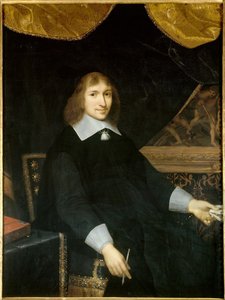
ジャン・フーケ
1420 - 1481 , フランス
基本情報
- Artistic Movement Or Style: 初期ルネサンス
- Artists Or Movements Influenced By This Artist: ['フランス・ルネサンス美術']
- Artists Who Influenced This Artist:
- フラ・アンジェリコ
- フィラレーテ
- Date Of Birth: 1420年頃
- Date Of Death: 1481年
- Full Name: ジャン・フーケ
- Nationality: フランス
- Notable Artworks:
- メルーンのディプティック
- 東方三博士の一人としてのシャルル7世
- エティエンヌ・シュヴァリエの時祷書
- Place Of Birth: フランス、トゥール
関連記事
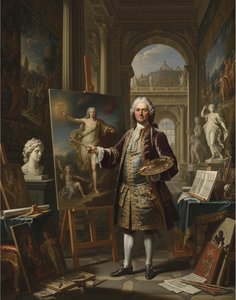
Charles Le Brun: Master of French Baroque Classicism & His Enduring Legacy
Explore the life & art of Charles Le Brun, master of French Baroque Classicism. Discover his royal commissions, influence on Versailles, and enduring legacy through detailed analysis & stunning artworks.
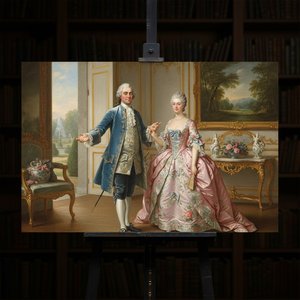
Charles-André van Loo: A Study in Rococo Portraiture & the French Court's Artistic Dynamics
Explore the elegant world of Charles-André van Loo, a master of Rococo portraiture at the French court. Discover his life, techniques, and enduring influence on 18th-century art. Hand-painted reproductions available.
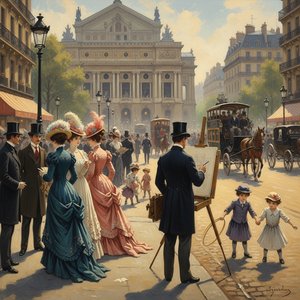
Jean-Georges Béraud: Capturing Parisian Life in the Belle Époque
Explore the captivating world of Jean-Georges Béraud, master painter of Belle Époque Paris. Discover his iconic scenes, artistic evolution, and social commentary. A deep dive into 19th-century French art.
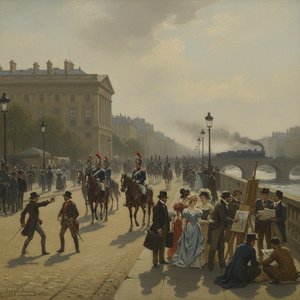
Émile Jean Horace Vernet: Romantic Realism & Depicting 19th-Century Life
Explore the life & art of Émile Jean Horace Vernet, a master of Romantic Realism. Discover his captivating battle scenes, portraits, and Orientalist works – a window into 19th-century France. Learn about his techniques & enduring legacy.
Jean-Marc Nattier: Rococo Portraiture & Aristocratic Patronage
Explore the exquisite Rococo portraits of Jean-Marc Nattier, favored by French aristocracy. Discover his artistic techniques, patronage network, and lasting legacy – a guide for discerning collectors.

