

 プレビュー
プレビュー
 シェアする
シェアする シェアする
シェアする
 詳細を見る
詳細を見る

 ダウンロード
 似ている作品
 X線調査
X線調査 スライドショー
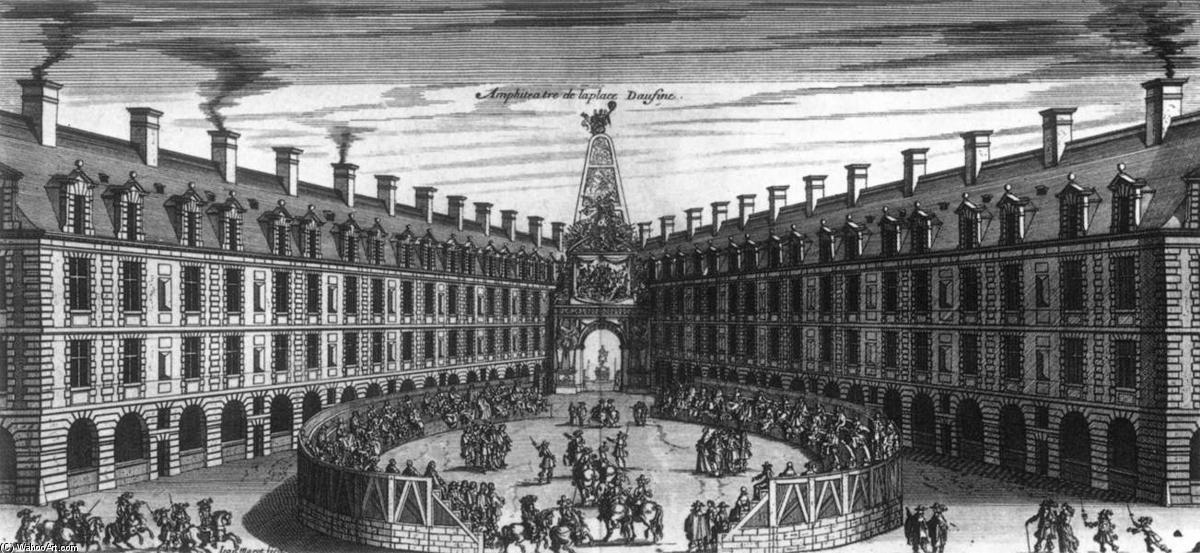
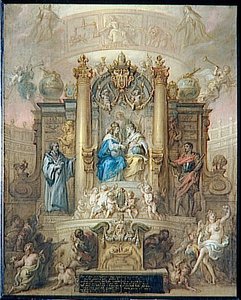
The Ceremonial Entry of Louis XIV and Marie-Thérèse into Paris in 1660

 詳細を見る
詳細を見る
ジークレー/アートプリント
迅速な制作と多彩な仕上げオプションを備えた、ミュージアムクオリティのジークレーまたはキャンバスプリント。 ( 手描きの絵画を購入 画像を購入)




































作品のオリジナル比率に合わせた、当店の規定サイズからお選びください。

特定のフレームやスペースに合わせて、ご自身でサイズを指定することも可能です。選択されたサイズが元の画像の比率と一致しない場合、作品をトリミングするか、鏡面反射または単色での塗りつぶしによって画像を拡張いたします。制作を開始する前に、ご確認用のデジタルモックアップをお送りいたします。
画面上のプレビューには、実際のトリミングや拡張は反映されませんのでご注意ください。最終的な構図を正確に確認できるのは、モックアップのみとなります。
カスタムサイズも承っておりますが、元の比率を維持するためには、あらかじめ用意されたリストからサイズを選択することをお勧めいたします。


 ガラスオプションは、110cm未満のサイズでのみご利用いただけます。

The Ceremonial Entry of Louis XIV and Marie-Thérèse into Paris in 1660
ジークレー/アートプリント
複製画のサイズ
-


合計金額
$ 62
関連作品
アーティストの略歴
Jean Marot: The Architect of Royal Grace
Jean Marot (1463 – 1526), a name often overshadowed by the grander narratives of Renaissance France, was nonetheless a pivotal figure in shaping the aesthetic landscape of Parisian architecture and design. More than simply an architect, he was a meticulous observer, a skilled engraver, and a subtle yet powerful voice within the courtly circles of Francis I. His legacy isn’t defined by towering monuments alone, but rather by the elegant details, refined proportions, and humanist sensibilities that permeated his designs for hôtels, churches, and even the imposing Feuillants Monastery – a testament to his ability to blend practicality with artistic vision.
Born in Mathieu, near Caen, into a family steeped in literary tradition—his father, Jean des Mares, held the prestigious position of poet laureate to Anne of Brittany—Marot’s early life was marked by a grounding in both poetry and craftsmanship. Unlike many of his contemporaries who pursued formal academic training, Marot’s education centered around the vibrant world of courtly entertainment and artistic patronage. This unconventional upbringing instilled within him a deep appreciation for beauty, a keen eye for detail, and an understanding of how art could serve as a powerful tool for expressing power and prestige. He quickly found his place at the French court, becoming a favored entertainer and eventually, a trusted architect.
The Architect of the Court
Marot’s career truly blossomed during the reign of Francis I, a period characterized by an unprecedented enthusiasm for Italian Renaissance art and architecture. The king, captivated by the elegance and grandeur of Rome, commissioned Marot to transform Paris into a mirror image of its illustrious counterpart. While he didn't design sprawling palaces in the manner of Bramante or Michelangelo, Marot’s influence was profound. He meticulously crafted hôtels – luxurious townhouses that served as both residences and symbols of wealth and status—with an emphasis on symmetry, proportion, and refined ornamentation. These buildings weren’t merely functional structures; they were carefully orchestrated displays of power, designed to impress visitors and reinforce the king's authority.
His work at the Feuillants Monastery stands as a particularly compelling example of Marot’s artistic sensibilities. The portal, in particular, is a masterpiece of restrained elegance—a harmonious blend of Gothic and Renaissance elements that speaks volumes about his ability to synthesize diverse influences. The façade's intricate detailing, the carefully chosen materials, and the overall sense of balance demonstrate a deep understanding of classical principles and a commitment to creating spaces that were both beautiful and spiritually uplifting. The building itself, with its refined proportions and subtle ornamentation, reflects Marot’s belief that architecture should serve as a vehicle for expressing human values and aspirations.
Engravings and the Preservation of Vision
Beyond his architectural commissions, Marot was also a prolific engraver, meticulously documenting the works of other leading architects. His engravings—published in volumes like the *Petit Marot* and *Grand Marot*—became invaluable resources for understanding Renaissance architecture in France. These prints weren’t simply technical drawings; they were artistic interpretations that captured the essence of each building, revealing the architect's design intentions and highlighting the beauty of their creations. Marot’s engravings played a crucial role in disseminating architectural knowledge and preserving the legacy of some of France’s most important buildings.
It is important to note that Marot’s engravings were not without imperfections—some scholars have pointed out inaccuracies and distortions in his depictions. However, these flaws only serve to underscore the challenges he faced as an engraver working with limited technology. Despite these limitations, Marot's engravings remain among the most significant sources of information about French architecture up to the early years of Louis XIV’s reign.
A Legacy of Refinement
Jean Marot’s influence extends beyond his individual projects and engravings. He embodied a key aspect of the Renaissance ideal—the belief that art should be both beautiful and instructive. His designs were not merely aesthetically pleasing; they were also imbued with humanist values, reflecting a deep appreciation for classical learning and a commitment to creating spaces that fostered intellectual and spiritual growth. While he may not have achieved widespread fame during his lifetime, Jean Marot’s contributions to French architecture and design are undeniable. He was a master of subtlety, a meticulous craftsman, and a discerning observer—a true architect of royal grace.
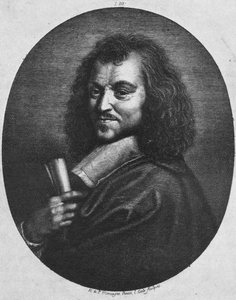
jean i marot
1450 - 1526 , France
基本情報
- Artistic Movement Or Style: Renaissance, Gothic
- Artists Or Movements Influenced By This Artist:
- Palladio
- Calvinism
- Artists Who Influenced This Artist:
- Gianlorenzo Bernini
- Salomon de Brosse
- Date Of Birth: 1619
- Date Of Death: 1679
- Full Name: Jean Marot I
- Nationality: French
- Notable Artworks:
- Architecture Françoise
- Château de Richelieu
- Façade Feuillants
- Place Of Birth: Paris, France