

 プレビュー
プレビュー
 プリントを購入
 シェアする
シェアする シェアする
シェアする
 詳細を見る
詳細を見る

 ダウンロード
 似ている作品
 X線調査
X線調査 スライドショー
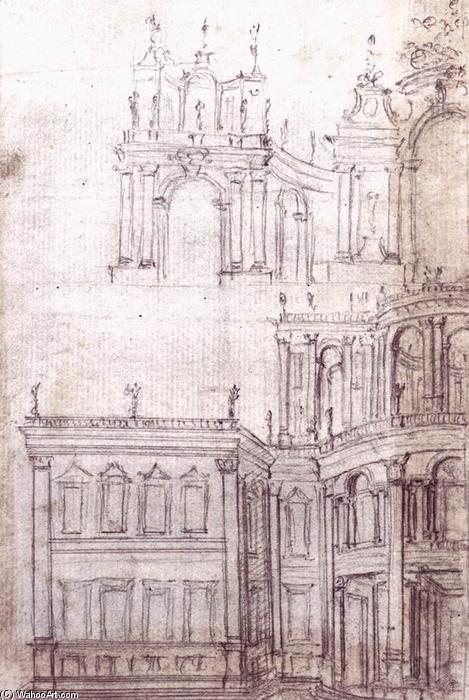
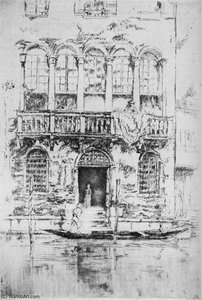
庭園パビリオンのファサード図


 詳細を見る
詳細を見る
オンラインプレビューをはるかに凌ぐ、高解像度で鮮明なデジタル画像をご購入いただけます。
各ファイルは、社内の専門家が高度なツールと熟練した手作業によるレタッチを用いて、細心の注意を払って準備されています。すべての画像において、卓越した鮮明度、正確な色彩再現性、そして繊細なディテールを保証いたします。
最終ファイルは、プロフェッショナルな編集・印刷環境ですぐにご利用いただけるよう最適化された状態で、72時間以内にメールにてお届けいたします。これは、一流のデザインスタジオ、出版社、ギャラリーから信頼されているものと同等の品質です。
デジタル画像のご注文に付随する特典
高品質なデジタル画像配信を、確かな品質で。
ArtsDot.com を選ぶことは、単に画像を手に入れることではありません。それは、プロの手によって精密に仕上げられ、満足保証が付いた高品質なデジタルアートワークを受け取ることを意味します。ご注文いただいた際に自動的に付随する内容は、以下の通りです:

メールですぐにお届け
ご注文から72時間以内に、高解像度のデジタル画像ファイルがメールでお手元に届きます。すぐにそのままご利用いただけます。

AI技術で最適化されたデジタルファイル
お客様の作品は、高度なAIツールと専門家による手作業の編集を組み合わせてプロフェッショナルに最適化されており、細部のディテール、鮮明さ、そして正確な色再現性を最大限に引き出しています。

一生涯無料の再送サービス
ファイルを誤って削除したり、紛失してしまったりしましたか?ご安心ください。いつでも無料で再送いたします。

輸入手数料は一切かかりません
関税や手数料、配送料を気にすることなく、お気に入りのアートワークをすぐにお楽しみいただけます。デジタルダウンロードは常に免税です。

色彩再現の保証
プロ仕様のツールとカラーマネジメント技術を用いることで、デジタル画像が元の色を最大限に忠実に再現することを保証いたします。

100日間満足保証
ご購入いただいたデジタル画像にご満足いただけない場合は、100日以内であれば、修正または100%の返金(理由を問う必要はありません)をさせていただきます。

100% 返金保証
ご満足いただけない場合は、デジタルファイルを受け取ってから100日以内であれば、理由を問わず全額返金いたします。

まとめ買い割引
3枚購入で10%OFF - 5枚購入で15%OFF - 10枚以上購入で20%OFF。クリエイティブなプロジェクト、ギャラリー、エージェンシーに最適です。
フッシャー・フォン・エルラッヒの「庭園パヴィリオンの眺め」:バロックとルネサンスの融合が生み出す美しさ
フッシャー・フォン・エルラッヒ(1656-1723)は、オーストリアンバロコック建築家として知られる人物であり、カールスブルン宮殿やマルクス教会などの傑作を遺した芸術家です。彼の作品は単なる美しい建物だけでなく、当時の美術思想と技術を結びつけ、見る人に深い感動を与えます。「庭園パヴィリオンの眺め」は、まさにその代表的な作品と言えるでしょう。この絵画は1687年に制作され、繊細な線描と陰影によって表現された建築物の詳細な設計図です。エルラッヒの作品は、バロック美術の影響を受けながらも、ルネサンス美術の厳格さを取り入れ、洗練された美しさを追求しています。- 絵画の詳細: この絵画はモノクロで描かれ、パヴィリオンの正面を詳細に表現しています。エルラッヒは卓越した線技法を用い、特にハッチングとクロスハッチングによって陰影を作り出し、建物の立体感を効果的に表現しています。この技術はバロック美術の特徴であり、光と影のコントラストによって奥行きと動きを感じさせます。
- スタイルと時代背景: 「庭園パヴィリオンの眺め」はバロコック美術の影響を受けながらも、ルネサンス美術の厳格さを取り入れました。エルラッヒは当時のオーストリアにおける建築家としての地位を確立し、宮廷建築や宗教建築において革新的なアイデアと技術を駆使しました。この絵画が制作された時代は、ヨーロッパにおけるバロック美術の黄金期であり、壮麗な宮殿や教会などの建築物が次々と建設されました。
- 構図と視覚効果: 絵画の構図は、複数のレベルで構成されており、遠くからの眺めから近くまでの詳細まで、視覚的な階層構造を持っています。エルラッヒは perspektive を巧みに使いこなし、建物の高さや奥行きを正確に表現しています。この視覚効果は見る人に建築物の壮大さを感じさせると同時に、芸術家の技術と創造性を示しています。
- 象徴性と精神性: パヴィリオンというモチーフは、庭園における休息と美の空間を表しており、エルラッヒが表現した人間の知性と精神性を反映しています。この絵画は単なる建築物の設計図ではなく、芸術家が追求した理想的な美しさや調和を象徴しています。
- 感情への訴えかけ: 「庭園パヴィリオンの眺め」は見る人に静謐さと洗練された感動を与えます。エルラッヒの作品は、その繊細な線描と陰影によって表現された美しい建築物を通して、人間の創造性と芸術的な美しさを称えるとともに、見る人の心を豊かにします。
関連作品
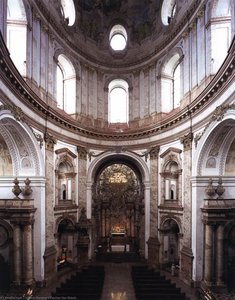
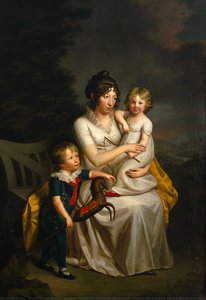
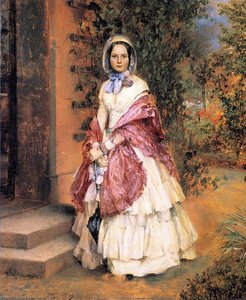
作家の略歴
Nicolas de Largillière: The Master of Subtle Grace
Born in Paris in 1656 and passing away in the same city in 1746, Nicolas de Largillière stands as a pivotal figure in the history of French portraiture. While often overshadowed by his more flamboyant contemporaries like Rigaud, Largillière cultivated a unique style characterized by an exquisite sensitivity to light, texture, and the quiet dignity of his subjects. His career spanned nearly fifty years, during which he established himself as one of the leading portraitists of his time, particularly renowned for capturing the refined elegance of the French middle class – a demographic largely overlooked by the grander commissions favored by the aristocracy.
Largillière’s early artistic development unfolded in Antwerp and London. He began his training with Antoine Goubeau in Antwerp, absorbing the Flemish tradition of meticulous detail and realistic representation. A subsequent period working for Lely in England exposed him to the burgeoning influence of Caravaggio's dramatic use of light and shadow, a technique that would profoundly shape his own artistic approach. This early exposure to both Flemish realism and Italian drama provided a rich foundation upon which he built his distinctive style.
A Portraitist for the Rising Middle Class
Returning to Paris in 1679, Largillière swiftly established himself as a sought-after portraitist. Unlike many of his contemporaries who primarily catered to royal and aristocratic clientele, Largillière focused on depicting members of the wealthy merchant class – individuals whose fortunes were rising alongside the prosperity of Louis XIV’s France. This shift in focus offered him a steady stream of commissions and allowed him to develop a nuanced understanding of his subjects' personalities and social standing. His portraits weren’t merely representations of appearance; they aimed to convey character, refinement, and a sense of inner composure.
His success was remarkable, particularly considering the competitive landscape of Parisian art at the time. Largillière’s ability to capture subtle expressions – a fleeting smile, a thoughtful gaze – set him apart. He employed a technique of *sfumato*, softening outlines and blending colors to create an atmosphere of hazy beauty and intimacy. This approach, combined with his masterful use of light, resulted in portraits that possess a remarkable sense of realism and psychological depth.
Technique and Artistic Influences
Largillière’s technical skill was honed through years of diligent observation and practice. He meticulously studied the anatomy of the human form, paying particular attention to the play of light on skin and fabric. His brushwork is characterized by a delicate layering of colors, creating a sense of texture and volume that brings his subjects to life. The influence of Caravaggio is undeniable in Largillière’s use of chiaroscuro – the dramatic contrast between light and shadow – which he employed not for theatrical effect but to heighten the emotional impact of his portraits.
Furthermore, Largillière drew inspiration from Flemish masters like Anthony van Dyck, whose elegant compositions and refined portraiture served as a model for many French artists. However, Largillière’s style evolved beyond mere imitation; he synthesized these influences into a uniquely personal vision, characterized by an understated elegance and a profound sensitivity to human emotion.
Legacy and Historical Significance
Throughout his long career, Largillière produced an astonishing number of portraits – contemporary sources estimate around 1,500. While he also engaged in religious works, still lifes, and landscapes, it is his portraiture that remains his most enduring legacy. He was appointed director of the Académie Royale in his eighties (1734–5 and 1738–42), a testament to his continued influence and respect within the artistic community.
Largillière’s portraits offer a valuable glimpse into the social and cultural landscape of 18th-century France. They reveal the aspirations, values, and anxieties of the rising middle class – a group that played an increasingly important role in shaping the nation's destiny. His work continues to be admired for its exquisite beauty, technical mastery, and profound understanding of human nature. He is often considered the French equivalent of Van Dyck, a title he certainly deserved.
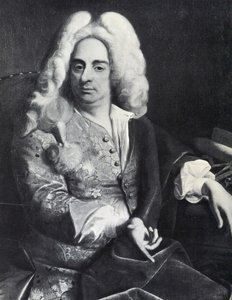
johann bernhard fischer von erlach
1656 - 1723 , Austria
プロフィール概要
- Artistic Movement Or Style: Portraiture
- Artists Or Movements Influenced By This Artist: ['Van Dyck']
- Artists Who Influenced This Artist:
- Lely
- Verrio
- Date Of Birth: 1656
- Date Of Death: 1746
- Full Name: Nicolas de Largillière
- Nationality: French
- Notable Artworks:
- The Apotheosis of Homer
- Portrait of a Young Man
- Portrait of a Woman
- Place Of Birth: Paris, France