

 プレビュー
プレビュー
 プリントを購入
 シェアする
シェアする シェアする
シェアする
 詳細を見る
詳細を見る

 ダウンロード
 似ている作品
 X線調査
X線調査 スライドショー
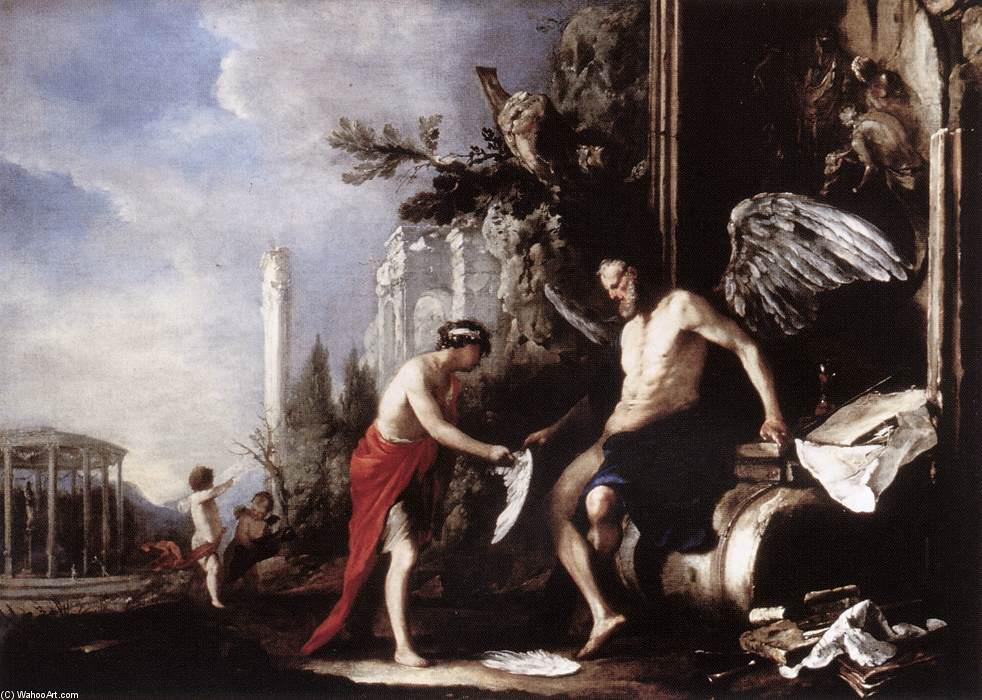
Allegory of Time (Chronos and Eros)
 Oil On Canvas
- WallArt
- Baroque Art
 1630
1630 94.0 x 129.0 cm
 ギャラリー・ナショナル・ド・アート・アンティカ
 詳細を見る
詳細を見る




P118B $10

P118H $10

P118W $10

P438Z $10

P508JH $12

P508YH $12

P805H $10

P805Z $10

P919BZ $10

P919G $10

P919XJ $10

P959ZH $10

P968JZ $12

W106C $8

W218G $10

W218JH $8

W218Y $10

W307PJ $10

W316G $10

W316PJ $8

W316Y $10

W398PJ $8

W4111J $10

W500HY $15

W500JH $15

W692G $12

W849H $8

W940BG $15

W953PJ $8




作品のオリジナル比率に合わせた、当店の規定サイズからお選びください。

特定のフレームやスペースに合わせて、ご希望のサイズをご入力いただけます。選択されたサイズが元の画像の比率と異なる場合、アートワークをトリミングするか、手描きで要素を追加して絵画を拡張いたします。デジタルモックアップ を制作し、制作開始前にご確認(承認)をいただきます。
画面上のプレビューは、実際のトリミングや拡張を正確に反映しているものではありません。最終的な構図は、モックアップによってのみ正確にご確認いただけます。
カスタムサイズもご利用いただけますが、元の比率を維持するためには、あらかじめ用意されたリストからサイズを選択することをお勧めいたします。
ご注文後、ArtsDot.com チームより詳細な指示をお送りするとともに、仕上がりイメージ(モックアップ)をご提供いたします。


 ガラスオプションは、110cm未満のサイズでのみご利用いただけます。

Allegory of Time (Chronos and Eros)
複製技法
複製画のサイズ
-


合計金額
$ 263
A Timeless Dance of Time and Desire: Johann Heinrich Schönfeld’s “Allegory of Time”
Within the hallowed halls of the Galleria Nazionale d'Arte Antica in Rome resides a painting that transcends mere representation, offering instead a profound meditation on humanity’s relationship with time itself. Johann Heinrich Schönfeld’s “Allegory of Time (Chronos and Eros),” completed in 1630, is not simply a depiction; it’s an experience—a carefully constructed tableau brimming with symbolism, rendered in the rich, dramatic style characteristic of the Baroque period. Measuring a substantial 94 x 129 centimeters, this oil on canvas invites viewers to linger and unravel its layers of meaning, revealing a complex interplay between the relentless march of time and the enduring power of human desire.
Schönfeld’s masterful composition immediately draws the eye to two central figures. On the left, we encounter Chronos, personified as an older man seated in contemplative repose. His posture suggests a weighty burden—the responsibility of overseeing the passage of time. He holds an hourglass, a potent symbol of mortality and the inevitable decay that governs all earthly endeavors. Beside him stands Eros, youthful and vibrant, reaching out to mirror the older figure’s face within a hand-held mirror. This gesture is not one of simple reflection; it's an active engagement with time, a yearning for connection and perhaps even a challenge to its dominion.
Baroque Drama: Light, Shadow, and Color
The painting’s power lies not only in its symbolic content but also in Schönfeld’s skillful execution. He was deeply influenced by the Venetian Renaissance tradition of color and light, particularly the work of Titian and Veronese, adapting it to the dramatic conventions of Baroque art. The palette is dominated by earthy tones—ochres, siennas, and browns—creating a sense of groundedness and timelessness. However, these muted hues are punctuated by striking contrasts: the vibrant red garments worn by both figures immediately draw attention, symbolizing passion, desire, and perhaps even the fleeting nature of earthly pleasures. Schönfeld’s use of chiaroscuro – the dramatic interplay of light and shadow – is particularly noteworthy. Deep shadows envelop Chronos, emphasizing his age and the weight of his role, while carefully placed highlights illuminate Eros, suggesting the vitality and potential for renewal that he embodies.
A Classical Foundation: Architecture and Symbolism
The backdrop to this intimate scene is a meticulously rendered architectural setting—classical columns, crumbling ruins, and hints of a distant landscape. These elements are not merely decorative; they serve as potent symbols themselves. The classical architecture evokes the grandeur of antiquity, representing the enduring legacy of civilization and the cyclical nature of time. The ruins suggest the transience of earthly power and the inevitable decay that awaits all things. Furthermore, the inclusion of elements like a mirror speaks to introspection, self-reflection, and the human desire to understand our place within the grand scheme of existence.
A Legacy in Rome: Schönfeld’s Artistic Significance
“Allegory of Time” stands as a significant work in the history of art, reflecting Schönfeld's position within the vibrant artistic community of 17th-century Rome. He was part of the Schildersbent, a group of artists who helped to disseminate the Venetian style throughout Italy. His ability to seamlessly blend classical influences with Baroque drama is evident in this painting, showcasing his mastery of composition, symbolism, and technique. It’s a piece that invites contemplation—a reminder of time's relentless flow and the enduring human quest for meaning and connection. Today, it continues to be admired at the Galleria Nazionale d'Arte Antica, offering viewers an opportunity to engage with this timeless masterpiece.
Resources for Further Exploration
- Original Artwork Image: View the original painting on Wikimedia Commons
- Artist Biography: Learn more about Johann Heinrich Schönfeld at the Web Gallery of Art
- Related Research: Explore further details on 1st Art Gallery
関連作品

関連記事

バロックのドラマ:現代のインテリアに壮麗さと情感を取り込む
バロック様式の歴史、絵画、家具の魅力をご紹介。ArtsDotでは、高品質な油絵複製やカスタムポートレートをご提供し、現代のインテリアに壮麗さと情感を取り入れます。アートコンサルテーションも承ります。

The Dramatic Flourish: Exploring the Baroque Movement's Enduring Legacy in Art History
Explore the dramatic world of Baroque art! Discover iconic artists like Caravaggio & Rubens, defining techniques, and its lasting impact on art history. Expert insights for collectors & enthusiasts at ArtsDot.

バロック美術を極めた至宝:時代を彩る10大名作の世界
バロック美術の華!カラヴァッジョ、ベルニーニら巨匠が創り上げた10大名作を徹底解剖。ドラマチックな色彩と豪華絢爛の世界観に触れ、至宝のアートプリントで空間を彩ろう。ArtsDot.comで美術館品質の複製と洗練されたインテリアを見つけましょう!

The Visceral Stage: Exploring Dramatic Narratives & Emotional Intensity in Baroque Art
Explore the dramatic world of Baroque art! Discover iconic masters like Caravaggio & Rembrandt, their techniques, and the movement's lasting impact. Expert insights for collectors & enthusiasts at ArtsDot.
Pietro da Cortona: Baroque Grandeur & the Synthesis of Roman Painting
Explore the life & masterpieces of Pietro da Cortona, a defining figure of the Italian Baroque. Discover his stunning frescoes at Palazzo Barberini and lasting influence on Roman art history. Learn more with ArtsDot.


_-_WGA21053.jpg)