

 プレビュー
プレビュー
 プリントを購入
 シェアする
シェアする シェアする
シェアする
 詳細を見る
詳細を見る

 ダウンロード
 似ている作品
 X線調査
X線調査 スライドショー
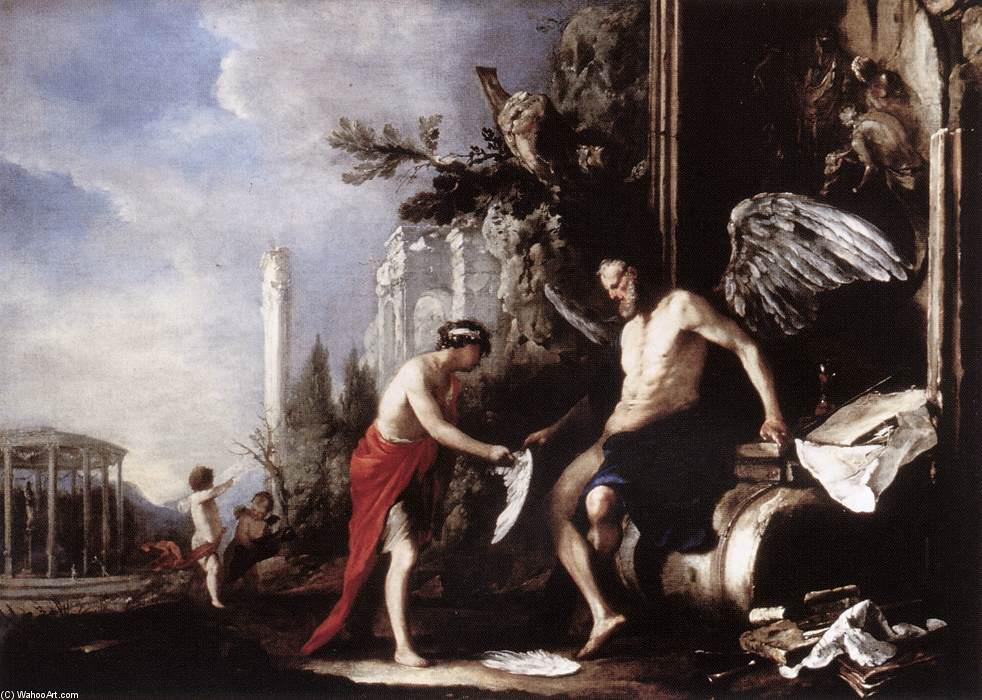
Allegory of Time (Chronos and Eros)
 Oil On Canvas
- WallArt
- Baroque Art
 1630
1630 94.0 x 129.0 cm
 ギャラリー・ナショナル・ド・アート・アンティカ
 詳細を見る
詳細を見る
オンラインプレビューをはるかに凌ぐ、高解像度で鮮明なデジタル画像をご購入いただけます。
各ファイルは、社内の専門家が高度なツールと熟練した手作業によるレタッチを用いて、細心の注意を払って準備されています。すべての画像において、卓越した鮮明度、正確な色彩再現性、そして繊細なディテールを保証いたします。
最終ファイルは、プロフェッショナルな編集・印刷環境ですぐにご利用いただけるよう最適化された状態で、72時間以内にメールにてお届けいたします。これは、一流のデザインスタジオ、出版社、ギャラリーから信頼されているものと同等の品質です。
デジタル画像のご注文に付随する特典
高品質なデジタル画像配信を、確かな品質で。
ArtsDot.com を選ぶことは、単に画像を手に入れることではありません。それは、プロの手によって精密に仕上げられ、満足保証が付いた高品質なデジタルアートワークを受け取ることを意味します。ご注文いただいた際に自動的に付随する内容は、以下の通りです:

メールですぐにお届け
ご注文から72時間以内に、高解像度のデジタル画像ファイルがメールでお手元に届きます。すぐにそのままご利用いただけます。

AI技術で最適化されたデジタルファイル
お客様の作品は、高度なAIツールと専門家による手作業の編集を組み合わせてプロフェッショナルに最適化されており、細部のディテール、鮮明さ、そして正確な色再現性を最大限に引き出しています。

一生涯無料の再送サービス
ファイルを誤って削除したり、紛失してしまったりしましたか?ご安心ください。いつでも無料で再送いたします。

輸入手数料は一切かかりません
関税や手数料、配送料を気にすることなく、お気に入りのアートワークをすぐにお楽しみいただけます。デジタルダウンロードは常に免税です。

色彩再現の保証
プロ仕様のツールとカラーマネジメント技術を用いることで、デジタル画像が元の色を最大限に忠実に再現することを保証いたします。

60日間満足保証
ご購入いただいたデジタル画像にご満足いただけない場合は、60日以内であれば、修正または100%の返金(理由を問う必要はありません)をさせていただきます。

100% 返金保証
ご満足いただけない場合は、デジタルファイルを受け取ってから60日以内であれば、理由を問わず全額返金いたします。

まとめ買い割引
3枚購入で10%OFF - 5枚購入で15%OFF - 10枚以上購入で20%OFF。クリエイティブなプロジェクト、ギャラリー、エージェンシーに最適です。
A Timeless Dance of Time and Desire: Johann Heinrich Schönfeld’s “Allegory of Time”
Within the hallowed halls of the Galleria Nazionale d'Arte Antica in Rome resides a painting that transcends mere representation, offering instead a profound meditation on humanity’s relationship with time itself. Johann Heinrich Schönfeld’s “Allegory of Time (Chronos and Eros),” completed in 1630, is not simply a depiction; it’s an experience—a carefully constructed tableau brimming with symbolism, rendered in the rich, dramatic style characteristic of the Baroque period. Measuring a substantial 94 x 129 centimeters, this oil on canvas invites viewers to linger and unravel its layers of meaning, revealing a complex interplay between the relentless march of time and the enduring power of human desire.
Schönfeld’s masterful composition immediately draws the eye to two central figures. On the left, we encounter Chronos, personified as an older man seated in contemplative repose. His posture suggests a weighty burden—the responsibility of overseeing the passage of time. He holds an hourglass, a potent symbol of mortality and the inevitable decay that governs all earthly endeavors. Beside him stands Eros, youthful and vibrant, reaching out to mirror the older figure’s face within a hand-held mirror. This gesture is not one of simple reflection; it's an active engagement with time, a yearning for connection and perhaps even a challenge to its dominion.
Baroque Drama: Light, Shadow, and Color
The painting’s power lies not only in its symbolic content but also in Schönfeld’s skillful execution. He was deeply influenced by the Venetian Renaissance tradition of color and light, particularly the work of Titian and Veronese, adapting it to the dramatic conventions of Baroque art. The palette is dominated by earthy tones—ochres, siennas, and browns—creating a sense of groundedness and timelessness. However, these muted hues are punctuated by striking contrasts: the vibrant red garments worn by both figures immediately draw attention, symbolizing passion, desire, and perhaps even the fleeting nature of earthly pleasures. Schönfeld’s use of chiaroscuro – the dramatic interplay of light and shadow – is particularly noteworthy. Deep shadows envelop Chronos, emphasizing his age and the weight of his role, while carefully placed highlights illuminate Eros, suggesting the vitality and potential for renewal that he embodies.
A Classical Foundation: Architecture and Symbolism
The backdrop to this intimate scene is a meticulously rendered architectural setting—classical columns, crumbling ruins, and hints of a distant landscape. These elements are not merely decorative; they serve as potent symbols themselves. The classical architecture evokes the grandeur of antiquity, representing the enduring legacy of civilization and the cyclical nature of time. The ruins suggest the transience of earthly power and the inevitable decay that awaits all things. Furthermore, the inclusion of elements like a mirror speaks to introspection, self-reflection, and the human desire to understand our place within the grand scheme of existence.
A Legacy in Rome: Schönfeld’s Artistic Significance
“Allegory of Time” stands as a significant work in the history of art, reflecting Schönfeld's position within the vibrant artistic community of 17th-century Rome. He was part of the Schildersbent, a group of artists who helped to disseminate the Venetian style throughout Italy. His ability to seamlessly blend classical influences with Baroque drama is evident in this painting, showcasing his mastery of composition, symbolism, and technique. It’s a piece that invites contemplation—a reminder of time's relentless flow and the enduring human quest for meaning and connection. Today, it continues to be admired at the Galleria Nazionale d'Arte Antica, offering viewers an opportunity to engage with this timeless masterpiece.
Resources for Further Exploration
- Original Artwork Image: View the original painting on Wikimedia Commons
- Artist Biography: Learn more about Johann Heinrich Schönfeld at the Web Gallery of Art
- Related Research: Explore further details on 1st Art Gallery
関連作品

作家の略歴
The Flourishing Brushstrokes of Johann Heinrich Schönfeld
To gaze upon the works of Johann Heinrich Schönfeld is to step directly into the vibrant, dramatic heart of the German Baroque period. Born in Biberach (Riss), Germany, in 1609, this painter emerged during an era when art was deeply intertwined with religious fervor and burgeoning classical revivalism. His career spanned a time of immense cultural transformation, allowing him to absorb influences from across the continent while forging a distinctly German voice within the grand tradition of European painting.
Schönfeld’s artistic journey suggests a profound dedication to mastering both narrative grandeur and delicate execution. While his life saw him active through the mid-17th century, it is his surviving body of work that continues to whisper tales of mythological encounters and solemn religious devotion. He was not merely a chronicler of scenes; he seemed intent on capturing the very moment of divine or human epiphany.
Mastering Baroque Drama and Classical Form
The hallmark of Schönfeld’s style lies in its masterful blend of dramatic tension characteristic of the High Baroque, tempered by an adherence to classical compositional structures. His compositions rarely feel static; instead, they pulse with implied movement. Whether depicting a celestial event or a pastoral gathering, one senses the energy coiled just beneath the surface.
His affinity for Italianate landscapes is particularly noteworthy. These backgrounds are never mere backdrops; they are active participants in the drama unfolding before them. Lush, dramatic skies often mirror the emotional turmoil or sublime peace of the figures below. This integration of setting and subject matter elevates his pieces beyond simple portraiture or narrative illustration.
Furthermore, his handling of light is breathtaking. He employed a technique that seems to illuminate key moments—a divine ray piercing through storm clouds, or a single shaft of sunlight catching the folds of drapery—drawing the viewer's eye inexorably toward the central theological or mythological point of focus.
Themes of Piety and Mythology
The thematic scope of Schönfeld’s oeuvre reveals a painter deeply engaged with the grand narratives that shaped European thought. Religious paintings form a significant pillar of his output, reflecting the enduring power of faith during his time. These works invite contemplation on sacrifice, martyrdom, and divine grace.
Equally compelling are his mythological scenes. Here, the classical gods and heroes engage in dramas that echo human passions—love, betrayal, triumph, and fate. He possessed a remarkable ability to imbue these pagan subjects with a sense of profound spiritual weight, making them resonate with contemporary Christian sensibilities.
Allegory painting was a favored vehicle for his deeper commentary. Through the careful arrangement of figures and symbols—a wilting flower representing transience, or an outstretched hand symbolizing divine intervention—he wove complex philosophical arguments into visually accessible narratives for his patrons.
Historical Resonance and Legacy
Johann Heinrich Schönfeld stands as a vital figure in understanding the transition between Mannerist echoes and the full bloom of Baroque naturalism in German art. His commitment to narrative clarity, combined with an undeniable flair for the dramatic, secured his place among painters who helped define the visual language of the 17th century.
While the sheer volume of his work speaks to a prolific career, it is the consistent quality—the ability to balance technical virtuosity with emotional depth—that endures. His legacy invites us not just to admire skill, but to participate in the contemplation of belief, beauty, and the sublime power inherent in both nature and the divine.
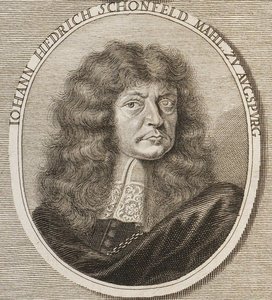
johann heinrich schönfeld
1609 - 1684


_-_WGA21053.jpg)