

 プレビュー
プレビュー
 シェアする
シェアする シェアする
シェアする
 詳細を見る
詳細を見る

 ダウンロード
 似ている作品
 X線調査
X線調査 スライドショー
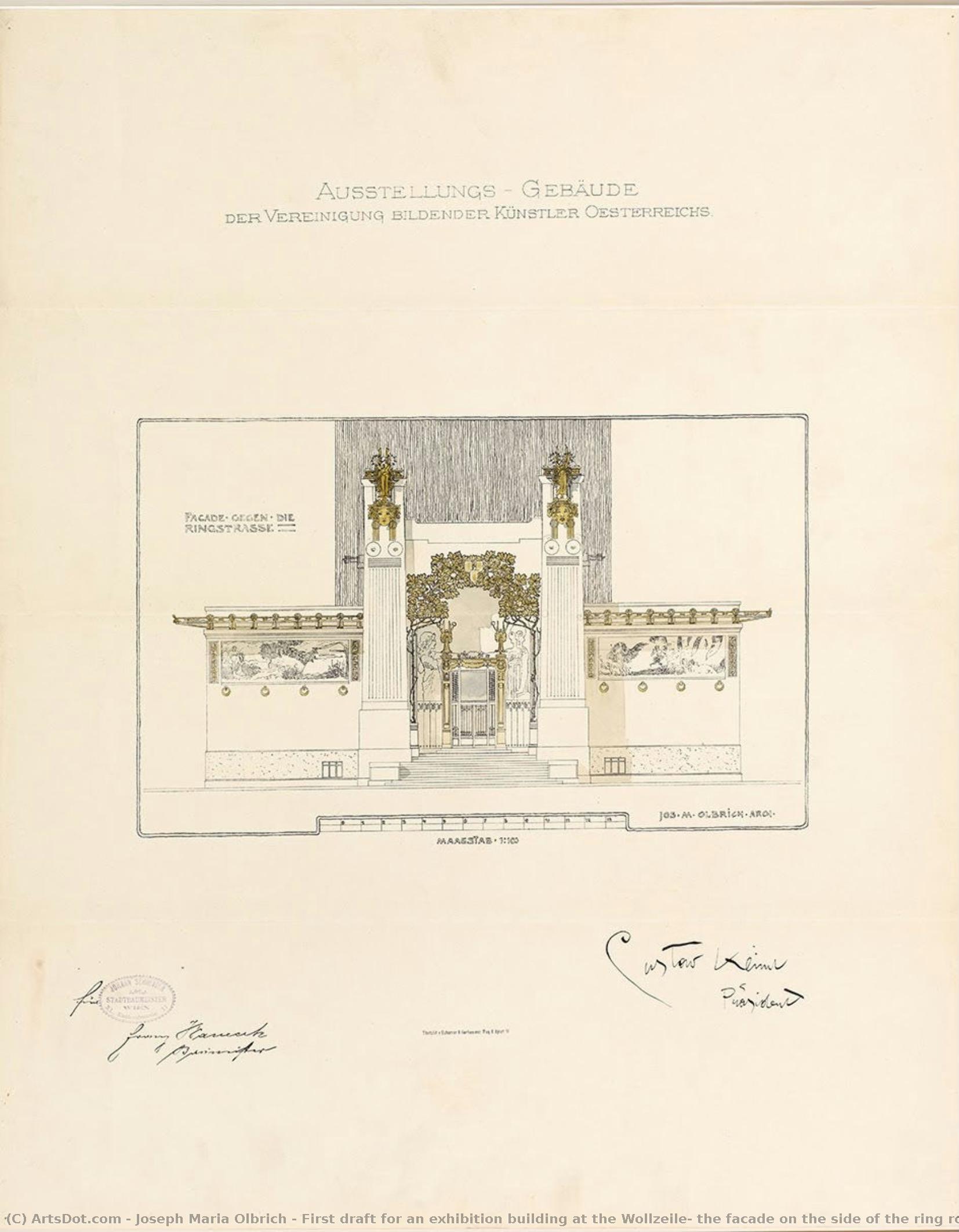
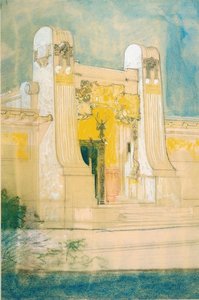
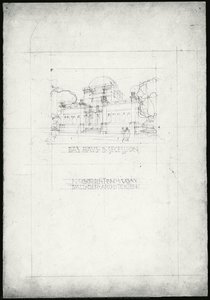
First draft for an exhibition building at the Wollzeile, the facade on the side of the ring road


 詳細を見る
詳細を見る
ジークレー/アートプリント
迅速な制作と多彩な仕上げオプションを備えた、ミュージアムクオリティのジークレーまたはキャンバスプリント。 ( 手描きの絵画を購入 画像を購入)




P118B $10

P118H $10

P118W $10

P438Z $10

P508JH $12

P508YH $12

P805H $10

P805Z $10

P919BZ $10

P919G $10

P919XJ $10

P959ZH $10

P968JZ $12

W106C $8

W218G $10

W218JH $8

W218Y $10

W307PJ $10

W316G $10

W316PJ $8

W316Y $10

W398PJ $8

W4111J $10

W500HY $15

W500JH $15

W692G $12

W849H $8

W940BG $15

W953PJ $8




作品のオリジナル比率に合わせた、当店の規定サイズからお選びください。

特定のフレームやスペースに合わせて、ご自身でサイズを指定することも可能です。選択されたサイズが元の画像の比率と一致しない場合、作品をトリミングするか、鏡面反射または単色での塗りつぶしによって画像を拡張いたします。制作を開始する前に、ご確認用のデジタルモックアップをお送りいたします。
画面上のプレビューには、実際のトリミングや拡張は反映されませんのでご注意ください。最終的な構図を正確に確認できるのは、モックアップのみとなります。
カスタムサイズも承っておりますが、元の比率を維持するためには、あらかじめ用意されたリストからサイズを選択することをお勧めいたします。


 ガラスオプションは、110cm未満のサイズでのみご利用いただけます。

First draft for an exhibition building at the Wollzeile, the facade on the side of the ring road
ジークレー/アートプリント
複製画のサイズ
-


合計金額
$ 62
作品詳細説明
A Pioneer of Viennese Modernism: Exploring Joseph Maria Olbrich’s Vision for the Secession Building
The Vienna Secession, established in 1897, represents more than just an artistic movement; it embodies a radical reimagining of architectural aesthetics and a decisive break from the ornate traditions of Historicism. At its core stood Joseph Maria Olbrich (1867-1908), a visionary architect whose groundbreaking Secession Building—a monumental edifice overlooking Wollzeile—became the emblem of this transformative era. This article delves into Olbrich’s life, artistic philosophy, and the enduring legacy of his masterpiece.Early Influences and Academic Training
Born in Troppau (modern-day Opava), Czech Republic, Olbrich's formative years were steeped in the practical realities of his father’s construction business. This early exposure instilled a profound understanding of building processes—a grounding that would prove invaluable as he pursued formal education at Vienna School of Arts and Crafts and subsequently at the Academy of Fine Arts Vienna under Carl von Hasenauer. Despite embracing traditional architectural principles, Olbrich wasn't merely replicating past glories; he actively sought to synthesize them with burgeoning modernist ideas, recognizing the need for innovation while honoring established forms. His travels to Italy and North Africa during his Prix de Rome scholarship further broadened his artistic horizons, exposing him to classical grandeur alongside exotic influences that would subtly permeate his later designs.The Birth of Secessionism: A Revolt Against Convention
The Secession’s founding in 1897 was fueled by a collective dissatisfaction with the prevailing stylistic trends—particularly the increasingly elaborate ornamentation favored by Otto Wagner and other prominent Viennese architects. Driven by a desire to forge a new artistic language, Olbrich spearheaded the movement's ambition to construct its own exhibition hall – a bold declaration of independence from established institutions and aesthetic norms. The Secessionists envisioned a building that defied convention, prioritizing geometric clarity and expansive floral ornamentation—a deliberate juxtaposition designed to provoke contemplation and challenge viewers’ perceptions.The Secession Building: Form Follows Function - Yet Embraces Emotion
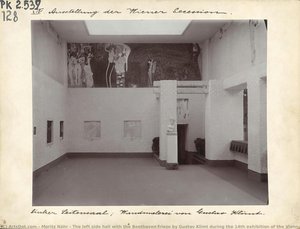
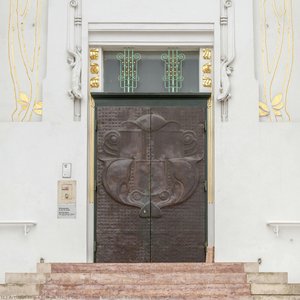
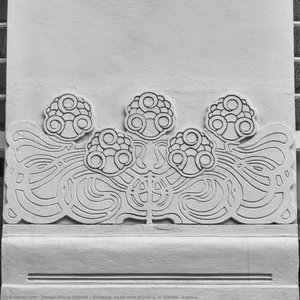
Olbrich's Secession Building exemplifies this revolutionary approach. Rejecting Wagnerian restraint, Olbrich experimented with combining classical paragons with an emotive aesthetic – a conscious effort to liberate architecture from mere practicality and imbue it with spiritual resonance. The building’s façade—characterized by its monumental archway adorned with columns—immediately captivated audiences and cemented Olbrich's reputation as a pioneer of Viennese Modernism. Inside, the warehouse-like exhibition space contrasted sharply with the church-like entrance hall, creating a dynamic interplay between light and shadow that mirrored the Secession’s artistic ethos. The meticulous detailing – particularly the floral motifs incorporated into the interior walls – underscored Olbrich's commitment to elevating architecture beyond mere structural necessity.A Lasting Legacy: Influence Beyond Vienna
Olbrich’s architectural explorations extended far beyond the Secession Building, encompassing projects like Darmstadt Colony and the St. Louis World’s Fair pavilion. His designs consistently prioritized elegance and innovation, establishing him as a pivotal figure in shaping the Art Nouveau movement's visual vocabulary. Today, reproductions of Olbrich’s Secession Building continue to inspire interior designers and collectors alike—a testament to his enduring vision for architecture as both form and expression. His work stands as a beacon of artistic courage and intellectual curiosity – a reminder that true beauty resides not only in adherence to tradition but also in daring to reimagine its possibilities.関連作品
アーティストの略歴
ウィーン分離派の先駆者
1867年12月22日、トロパウ(現オパヴァ、チェコ共和国)に生まれたヨーゼフ・マリア・オルブリヒは、19世紀の歴史主義から近代建築の夜明けへと移行する過程における極めて重要な人物として輝いています。彼の生涯は、悲劇的な若さで幕を閉じましたが、その時間は新しい美学言語を創造することに捧げられました。それはウィーン分離派やより広範なアール・ヌーヴォー運動と不可分なものとなる芸術的ビジョンでした。オルブリヒが幼少期から父親の建設事業に触れた経験は、彼に建築プロセスに対する実践的な理解を植え付けました。この基盤は、後にウィーン美術工芸学校での正式な教育、そしてカール・フォン・ハスナウアーのもとでのウィーン美術アカデミーでの学びを通じて洗練されていきました。この学術的訓練は彼に伝統的な建築原理の習熟をもたらしましたが、真に彼の芸術的視野を広げたのは、権威あるローマ賞によって可能になったイタリアや北アフリカへの旅でした。そこでの多様な影響が、後に彼の独自のスタイルを形作る糧となったのです。彼の成長における決定的な時期は、オットー・ヴァグナーのもとでの徒弟期間に訪れました。この経験の中で、彼は野心的なウィーン都市鉄道計画に大きく貢献しました。この出来事は転機となり、オルブリヒは歴史主義の制約から脱却し始め、有機的なフォルムと流れるような線によって特徴づけられるドイツ版アール・ヌーヴォーであるユゲントシュティルという新たな美学を受け入れるようになったのです。分離派建築:芸術的理想の具現化
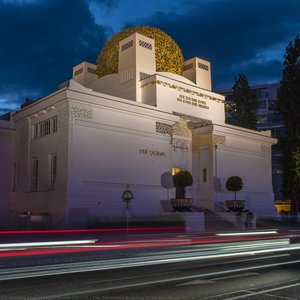
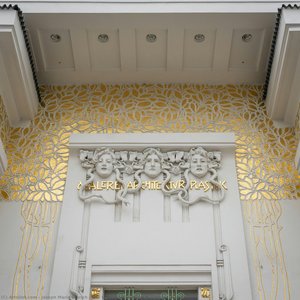
オルブリヒの最も永続的な遺産は、間違いなく1898年に完成したウィーンの分離派建築です。この象徴的な建造物は単なる建物ではありませんでした。それはマニフェストであり、保守的な芸術界に反逆した芸術家集団であるウィーン分離派が掲げた理想を物理的に体現したものでした。この建物の最も目を引く特徴は、打出し金箔で作られた月桂樹の葉からなる、愛称「黄金のカブ」と呼ばれる独特な鍍金ドームです。この大胆な装飾は、伝統的な建築規範からの逸脱を即座に示し、革新への分離派のコミットメントを宣言していました。外観の壮麗さだけでなく、内部空間も同様に革命的でした。オルブリヒは、美学と機能性の両方を優先する環境の中で、画家、彫刻家、デザイナーといった分離派の多様な作品を展示するために設計された、適応性のある展示空間を見事に創り出しました。この建物は運動の本部としてだけでなく、従来の芸術的な境界に挑戦する画期的な展覧会の活気ある場としても機能したのです。彼の初期の「ヴォルツァイレの展示館のための初稿」は、実用的な配慮と芸術的ビジョンを統合する彼の能力を示しており、それ自体が分離派建築の成功を予感させていました。ダルムシュタットとその先:芸術的視野の拡大
分離派建築から得た評価は、彼にドイツのダルムシュタットでの重要な委嘱へと繋がりました。ヘッセン大公エルンスト・ルートヴィヒは、芸術家と職人との協働を育むことを目指した野心的なプロジェクト、「ダルムシュタット芸術家コロニー」への貢献を彼に呼びかけました。ここでオルブリヒは、歴史的影響とアール・ヌーヴォーの装飾という彼の代名詞的な融合を反映した、数多くの住居や展示館を設計しました。彼は1900年にヘッセン市民権を獲得し、大公から教授に任命されることで、ヨーロッパの芸術界における指導的な地位を確固たるものにしました。ダルムシュタットでのプロジェクトは、彼が建築という枠を超え、家具、陶芸、製本、さらには楽器といった分野へとデザインを探求することを可能にしました。この芸術創造に対する全体論的なアプローチは、芸術の統一性への彼の信念を裏付けるものであり、それはアール・ヌーヴォー哲学の中核を成す教義でした。1904年のセントルイス万国博覧会のための中庭と内装は、さらにこの多才さを際立たせ、彼に展示会での最高賞と国際的な喝采をもたらしました。影響、遺産、そして永続する意義
オルブリヒの芸術的発展は、いくつかの重要な影響によって深く形作られました。オットー・ヴァグナーからは機能主義への献身と過剰な装飾を拒否する精神を受け継ぎました。一方、グスタフ・クリムトやウィーン分離派の他のメンバーとの協働は、幾何学的なフォルム、装飾的な要素、そして遊び心のある実験精神を特徴とする共通の美学的言語を育みました。しかし、オルブリヒが歴史的先例を完全に捨て去ったわけではありません。彼はそれらをアール・ヌーヴォーのレンズを通して巧みに再解釈し、様々な時代からインスピレーションを得ながらも、同時に明確に近代的なスタイルを築き上げたのです。1908年8月8日、ルーマチ川沿いの都市で白血病により早世したことは、芸術界から先見の明を持つ才能を奪い去りました。それにもかかわらず、彼の貢献はウィーン分離派をヨーロッパの芸術と建築における主要な勢力として確立する上で極めて重要でした。機能的な簡素さ、革新的なデザイン、そして工芸と芸術の統合に対する彼の強調は、今日に至るまで建築家やデザイナーにインスピレーションを与え続けています。オーストリア美術博物館(Österreichische Galerie Belvedere)がオルブリヒの作品を保存することで、彼の遺産が未来の世代へと受け継がれているのです。彼は間違いなく近代建築の初期の先駆者として認められており、19世紀の華美な歴史主義とモダニズム運動の洗練された美学を結ぶ架け橋なのです。彼の作品は、芸術的ビジョンの力と、革新から生まれる美しさの永続的な魅力の証しであり続けています。
ヨーゼフ・マリア・オルブリヒ
1867 - 1908 , チェコ共和国
基本情報
- Artistic Movement Or Style: ウィーン分離派、アール・ヌーヴォー
- Artists Or Movements Influenced By This Artist: ['モダニズム建築']
- Artists Who Influenced This Artist: ['オットー・ヴァグナー']
- Date Of Birth: 1867年12月22日
- Date Of Death: 1908年8月8日
- Full Name: ヨーゼフ・マリア・オルブリヒ
- Nationality: オーストリア人
- Notable Artworks:
- 分離派会館
- 最初の展示館の草案
- ダルムシュタット植民地建築
- Place Of Birth: トロペア、チェコ共和国
関連記事
The Vienna Secession: A Rebellion of Form & Spirit in Fin-de-Siècle Art
Discover the revolutionary Vienna Secession art movement! Explore Klimt, Olbrich & more. Learn about its history, characteristics & lasting influence on modern art. High-quality reproductions available.
Koloman Moser: A Synthesis of Art Nouveau, Secessionism & the Gesamtkunstwerk Ideal
Explore the life & work of Koloman Moser, a pivotal figure in the Vienna Secession & Wiener Werkstätte. Discover his stunning graphic design, architecture, and applied arts – a true pioneer of Viennese Art Nouveau. Learn more at ArtsDot.
アール・ヌーヴォーを彩る至宝:10の傑作が語る芸術と装飾の世界
アール・ヌーヴォーの魅力を再発見!ムンロ、ドレ、ガウディ…10の傑作が織りなす曲線美の世界。芸術と装飾が融合した至高のアートをArtsDotで堪能し、お部屋に新たな彩りを。コレクションをオンラインで探索しましょう。
グスタフ・クリムト傑作25選:華麗なる装飾性と象徴が織りなす世界 | ArtsDot
グスタフ・クリムトの傑作25選。華麗なる装飾性と象徴が織りなす世界を紐解きます。キス、ポートレートなど、美術史に残る名画の物語と技法をArtsDotで。高品質複製画やインテリアアートも豊富に。今すぐコレクションをご覧ください。
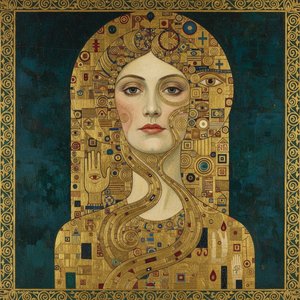
Gustav Klimt: A Golden Legacy of Sensuality & Symbolism in Viennese Art
Explore the captivating world of Gustav Klimt with ArtsDot. Discover his iconic paintings, the Vienna Secession movement, & enduring legacy. High-quality reproductions available.

