

 プリントを購入
 シェアする
シェアする シェアする
シェアする
 詳細を見る
詳細を見る

 ダウンロード
 似ている作品
 スライドショー
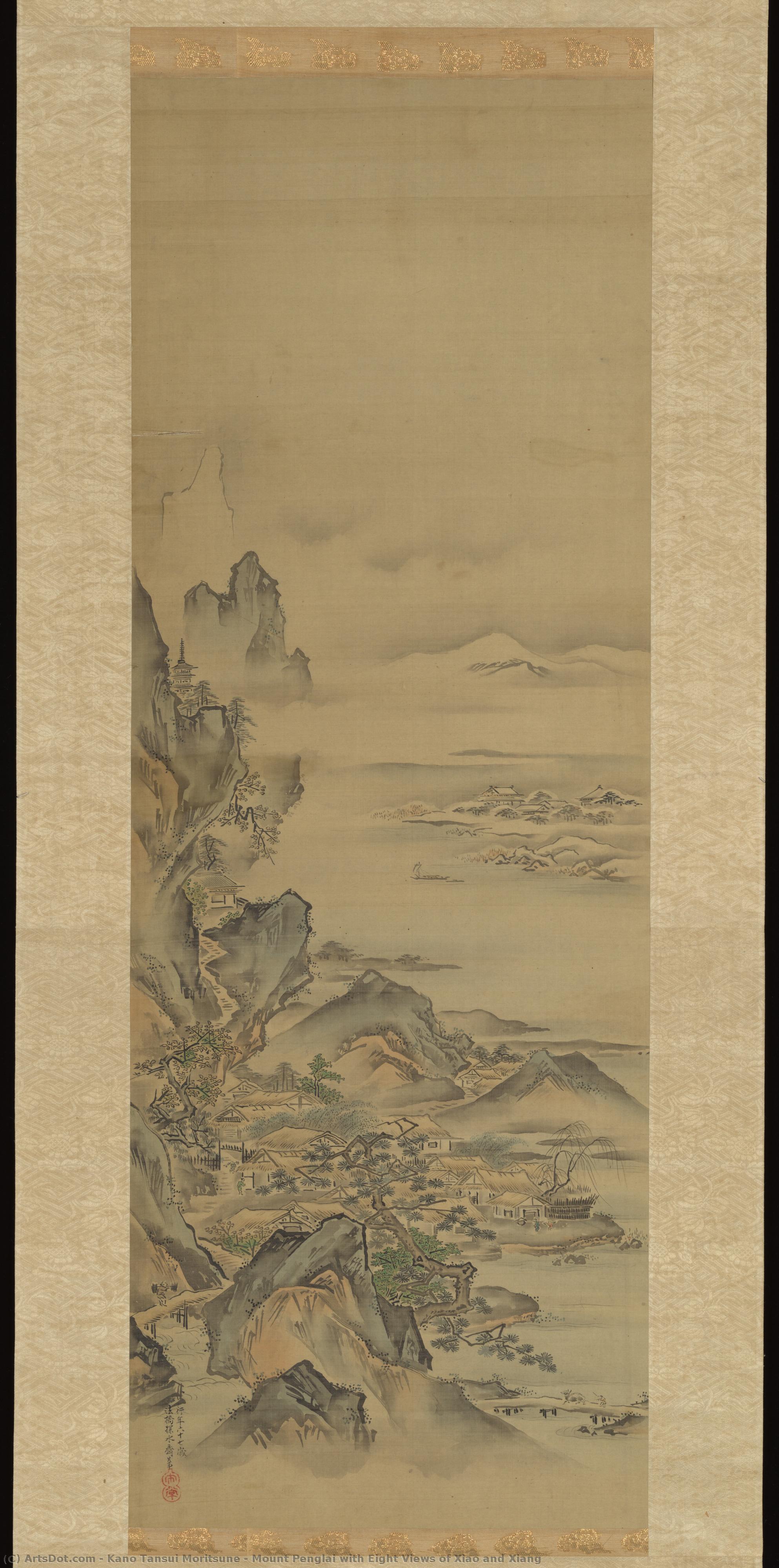
Mount Penglai with Eight Views of Xiao and Xiang
 Silk
Silk- Textile
- Baroque
 801
801- Early Modern
 187.0cm x 54.0cm
 メトロポリタン美術館
 詳細を見る
詳細を見る




































作品のオリジナル比率に合わせた、当店の規定サイズからお選びください。

特定のフレームやスペースに合わせて、ご希望のサイズをご入力いただけます。選択されたサイズが元の画像の比率と異なる場合、アートワークをトリミングするか、手描きで要素を追加して絵画を拡張いたします。デジタルモックアップ を制作し、制作開始前にご確認(承認)をいただきます。
画面上のプレビューは、実際のトリミングや拡張を正確に反映しているものではありません。最終的な構図は、モックアップによってのみ正確にご確認いただけます。
カスタムサイズもご利用いただけますが、元の比率を維持するためには、あらかじめ用意されたリストからサイズを選択することをお勧めいたします。
ご注文後、ArtsDot.com チームより詳細な指示をお送りするとともに、仕上がりイメージ(モックアップ)をご提供いたします。


 ガラスオプションは、110cm未満のサイズでのみご利用いただけます。

Mount Penglai with Eight Views of Xiao and Xiang
複製技法
複製画のサイズ
-


合計金額
$ 263
A Symphony of Symbolism: Exploring Kano Tansui Moritsune’s Mount Penglai
The artwork “Mount Penglai with Eight Views of Xiao and Xiang,” attributed to Kano Tansui Moritsune, stands as a testament to the zenith of Edo period Japanese art – specifically, the vibrant aesthetic championed by the Kano school. Executed in silk, this monumental triptych transcends mere depiction; it embodies profound philosophical concepts interwoven with masterful artistic execution. Created around 1801, during Japan’s seclusionist era, the painting reflects a yearning for harmony between humanity and nature, underpinned by Buddhist ideals of longevity and enlightenment.- Subject Matter & Inspiration: The central panel portrays Mount Penglai, considered one of Japan's most sacred mountains and a potent symbol of paradise – a visual echo of Chinese landscape painting traditions that had profoundly influenced Kano artists. Moritsune meticulously rendered the mountain’s rugged peaks and serene valleys, drawing inspiration from the famed “Eight Views of Xiao and Xiang” poems by Wang Wei, which championed contemplative observation and appreciation for the natural world.
- Style & Technique: Characteristic of the Kano school's distinctive style is Moritsune’s bold use of color – particularly crimson and gold – applied with meticulous detail. The artist employed a technique known as “gosyoku-yo,” or six-color painting, utilizing pigments derived from mineral oxides to achieve astonishing luminosity and depth. Firm outlines delineate forms with unwavering precision, creating an image that is both visually arresting and intellectually stimulating.
- Historical Context: Produced during the Edo period (1615–1868), “Mount Penglai” reflects Japan’s cultural engagement with China despite its official policy of isolation. The Kano school's artistic endeavors served as a conduit for disseminating Confucian and Buddhist values, reinforcing social order and spiritual contemplation.
- Symbolism: Beyond the mountain itself, Moritsune incorporated symbolic elements that resonate with Buddhist cosmology. A tortoise symbolizes longevity – mirroring the belief in reincarnation and eternal life – while cranes represent immortality and auspiciousness. Pine trees embody resilience and steadfast virtue, symbolizing perseverance through adversity.
- Size: 187.0cm x 53.7cm
- Provenance: Unknown
関連作品
関連記事

葛飾北斎:25の傑作が語る浮世絵の世界 - ArtsDot
葛飾北斎の25選:『神奈川沖浪裏』や『富嶽三十六景』など、浮世絵の世界を深く探求。木版画の技法と日本美術の美をArtsDotで。高品質なアートプリントで空間に感動を。コレクションはこちら。
Serenity on Canvas: A Guide to the Timeless Beauty of Japanese Landscape Painting
Discover the serene beauty of Japanese landscape painting. From Hokusai's iconic woodblock prints to meditative sumi-e ink washes, explore a visual journey through the 'floating world' and learn how to bring this timeless Zen aesthetic into your modern home decor.
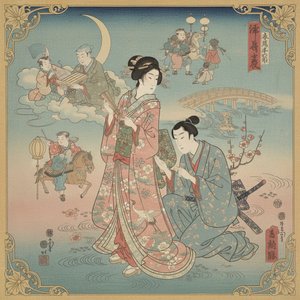
Suzuki Harunobu: Pioneering Ukiyo-e & the Refinement of Edo Period Printmaking
Discover the revolutionary world of Suzuki Harunobu, a pioneer of ukiyo-e printmaking. Explore his exquisite nishiki-e techniques, diverse subjects & lasting impact on Japanese art history. Learn more at ArtsDot.
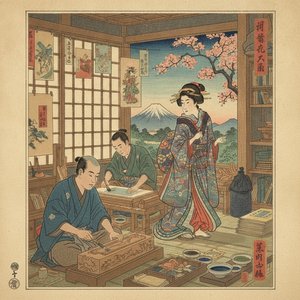
Floating World: The Captivating Art and Legacy of Japanese Ukiyo-e
Explore the profound beauty of Japanese Ukiyo-e. Discover the history, masters like Hokusai, and the enduring legacy of the 'Floating World' through an expert art-historical lens.
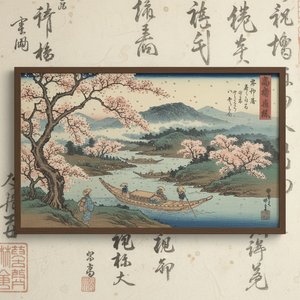
Ephemeral Landscapes: Hiroshige's Poetics of Transient Beauty in Edo Japan
Explore the captivating world of Utagawa Hiroshige's ukiyo-e landscapes. Discover his artistic innovations, influence on Western art, and the poetics of transient beauty in Edo period Japan. A guide for collectors & enthusiasts.

