 プリントを購入
 シェアする
シェアする シェアする
シェアする
 詳細を見る
詳細を見る

 ダウンロード
 似ている作品
 スライドショー
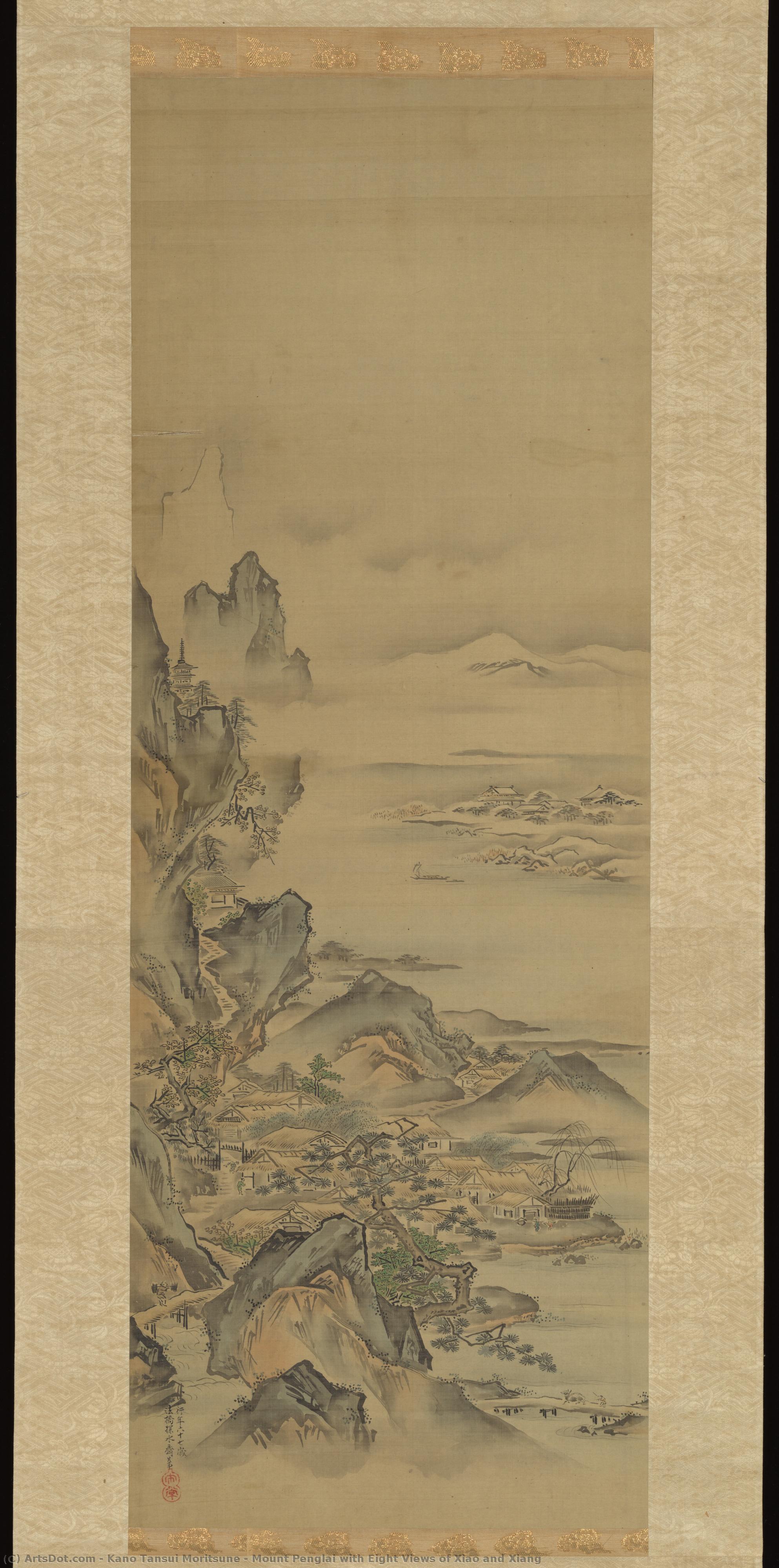
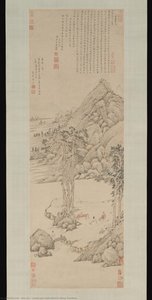
Mount Penglai with Eight Views of Xiao and Xiang
 Silk
Silk- Textile
- Baroque
 801
801- Early Modern
 187.0cm x 54.0cm
 メトロポリタン美術館
 詳細を見る
詳細を見る
オンラインプレビューをはるかに凌ぐ、高解像度で鮮明なデジタル画像をご購入いただけます。
各ファイルは、社内の専門家が高度なツールと熟練した手作業によるレタッチを用いて、細心の注意を払って準備されています。すべての画像において、卓越した鮮明度、正確な色彩再現性、そして繊細なディテールを保証いたします。
最終ファイルは、プロフェッショナルな編集・印刷環境ですぐにご利用いただけるよう最適化された状態で、72時間以内にメールにてお届けいたします。これは、一流のデザインスタジオ、出版社、ギャラリーから信頼されているものと同等の品質です。
デジタル画像のご注文に付随する特典
高品質なデジタル画像配信を、確かな品質で。
ArtsDot.com を選ぶことは、単に画像を手に入れることではありません。それは、プロの手によって精密に仕上げられ、満足保証が付いた高品質なデジタルアートワークを受け取ることを意味します。ご注文いただいた際に自動的に付随する内容は、以下の通りです:

メールですぐにお届け
ご注文から72時間以内に、高解像度のデジタル画像ファイルがメールでお手元に届きます。すぐにそのままご利用いただけます。

AI技術で最適化されたデジタルファイル
お客様の作品は、高度なAIツールと専門家による手作業の編集を組み合わせてプロフェッショナルに最適化されており、細部のディテール、鮮明さ、そして正確な色再現性を最大限に引き出しています。

一生涯無料の再送サービス
ファイルを誤って削除したり、紛失してしまったりしましたか?ご安心ください。いつでも無料で再送いたします。

輸入手数料は一切かかりません
関税や手数料、配送料を気にすることなく、お気に入りのアートワークをすぐにお楽しみいただけます。デジタルダウンロードは常に免税です。

色彩再現の保証
プロ仕様のツールとカラーマネジメント技術を用いることで、デジタル画像が元の色を最大限に忠実に再現することを保証いたします。

60日間満足保証
ご購入いただいたデジタル画像にご満足いただけない場合は、60日以内であれば、修正または100%の返金(理由を問う必要はありません)をさせていただきます。

100% 返金保証
ご満足いただけない場合は、デジタルファイルを受け取ってから60日以内であれば、理由を問わず全額返金いたします。

まとめ買い割引
3枚購入で10%OFF - 5枚購入で15%OFF - 10枚以上購入で20%OFF。クリエイティブなプロジェクト、ギャラリー、エージェンシーに最適です。
A Symphony of Symbolism: Exploring Kano Tansui Moritsune’s Mount Penglai
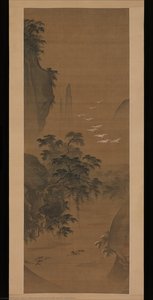
The artwork “Mount Penglai with Eight Views of Xiao and Xiang,” attributed to Kano Tansui Moritsune, stands as a testament to the zenith of Edo period Japanese art – specifically, the vibrant aesthetic championed by the Kano school. Executed in silk, this monumental triptych transcends mere depiction; it embodies profound philosophical concepts interwoven with masterful artistic execution. Created around 1801, during Japan’s seclusionist era, the painting reflects a yearning for harmony between humanity and nature, underpinned by Buddhist ideals of longevity and enlightenment.- Subject Matter & Inspiration: The central panel portrays Mount Penglai, considered one of Japan's most sacred mountains and a potent symbol of paradise – a visual echo of Chinese landscape painting traditions that had profoundly influenced Kano artists. Moritsune meticulously rendered the mountain’s rugged peaks and serene valleys, drawing inspiration from the famed “Eight Views of Xiao and Xiang” poems by Wang Wei, which championed contemplative observation and appreciation for the natural world.
- Style & Technique: Characteristic of the Kano school's distinctive style is Moritsune’s bold use of color – particularly crimson and gold – applied with meticulous detail. The artist employed a technique known as “gosyoku-yo,” or six-color painting, utilizing pigments derived from mineral oxides to achieve astonishing luminosity and depth. Firm outlines delineate forms with unwavering precision, creating an image that is both visually arresting and intellectually stimulating.
- Historical Context: Produced during the Edo period (1615–1868), “Mount Penglai” reflects Japan’s cultural engagement with China despite its official policy of isolation. The Kano school's artistic endeavors served as a conduit for disseminating Confucian and Buddhist values, reinforcing social order and spiritual contemplation.
- Symbolism: Beyond the mountain itself, Moritsune incorporated symbolic elements that resonate with Buddhist cosmology. A tortoise symbolizes longevity – mirroring the belief in reincarnation and eternal life – while cranes represent immortality and auspiciousness. Pine trees embody resilience and steadfast virtue, symbolizing perseverance through adversity.
- Size: 187.0cm x 53.7cm
- Provenance: Unknown
関連作品
作家の略歴
The Legacy of Kano Tansui Moritsune
In the vibrant tapestry of Japan's Edo period, few names resonate with the prestige and technical mastery of Kano Tansui Moritsune. As a prominent figure within the illustrious Kano school, Moritsune carried the weight of a profound artistic lineage. Born into a world of disciplined brushwork and refined aesthetics, he was the son and dedicated pupil of Kano Tan'en Morizane, a relationship that served as the foundation for his lifelong devotion to the craft. Upon ascending to the position of the ninth-generation head of the prestigious Kajibashi Kano atelier, Moritsune became a custodian of a tradition that blended the rigorous structural integrity of Chinese ink painting with the delicate, emotive sensibilities unique to Japanese artistry.
The life of Moritsune, while shrouded in the quiet mysteries of the 17th century, is illuminated by the brilliance of his surviving works. His career was defined by a seamless integration of heritage and innovation. While he remained deeply rooted in the teachings of the Kano school—a style celebrated for its firm outlines and commanding presence—he breathed new life into these ancient forms. His mastery over ink and color on silk allowed him to create compositions that felt both monumental and intimately detailed, capturing the ephemeral beauty of the natural world with a permanence that has endured through the centuries.
Mastery of Color and Composition
To behold a work by Moritsune is to witness a breathtaking dialogue between light and shadow, color and void. His technique was characterized by an extraordinary use of bold colors and strong, decisive outlines that gave his subjects a sculptural quality. One of the most striking elements of his repertoire was his sophisticated application of gold leaf. This luxurious addition did more than merely decorate; it transformed the silk surface into a luminous stage, where landscapes, birds, and flowers seemed to glow from within, reflecting the prestige of the era's high culture.
His thematic focus often drifted toward the sublime wonders of nature, rendered with a precision that suggests both scientific observation and poetic reverence. His compositions frequently explored:
- Majestic Landscapes: Vast vistas that utilized atmospheric perspective to create depth and grandeur.
- Avian and Floral Studies: Intimate depictions of birds and blossoms that celebrated the fleeting seasons of Japan.
- Mythological Narratives: Works such as his Mount Penglai series, which drew upon classical Chinese motifs to evoke a sense of timelessness and spiritual longing.
Historical Significance and Enduring Influence
The historical importance of Kano Tansui Moritsune extends far beyond the walls of the Kajibashi Kano atelier. As a key practitioner of the Kano school during its influential period, he helped solidify a visual language that would define Japanese aesthetics for generations. His ability to synthesize the heavy, structured influence of Chinese painting with the more fluid and decorative Japanese traditions created a stylistic bridge that allowed the Kano school to remain relevant amidst changing cultural tides.
Today, Moritsune’s legacy is preserved in some of the world's most esteemed institutions, such as the Metropolitan Museum of Art. His works serve as vital historical documents, offering contemporary viewers a window into the soul of the Edo period. Through his meticulous use of pigment, gold, and ink, Moritsune did not merely paint scenes; he captured the very essence of a civilization's aesthetic peak, ensuring that his vision of nature’s splendor remains as striking today as it was centuries ago.