

 プリントを購入
 シェアする
シェアする シェアする
シェアする
 詳細を見る
詳細を見る

 ダウンロード
 似ている作品
 スライドショー
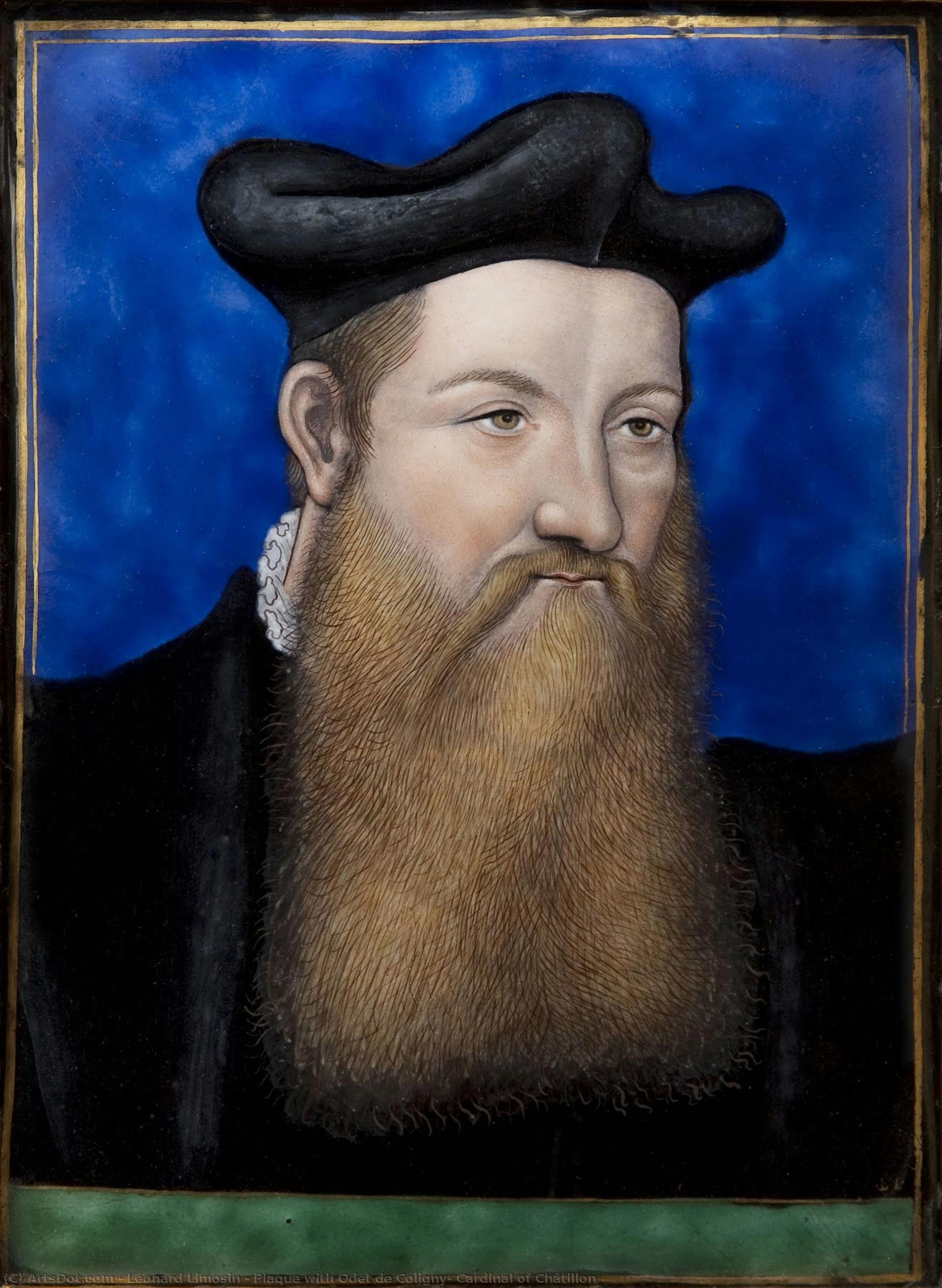
Plaque with Odet de Coligny, Cardinal of Châtillon
 Enamel
- Decor
- French Renaissance
 1567
1567- Renaissance
 18.0 x 13.0 cm
 Taft Museum of Art
 詳細を見る
詳細を見る
オンラインプレビューをはるかに凌ぐ、高解像度で鮮明なデジタル画像をご購入いただけます。
各ファイルは、社内の専門家が高度なツールと熟練した手作業によるレタッチを用いて、細心の注意を払って準備されています。すべての画像において、卓越した鮮明度、正確な色彩再現性、そして繊細なディテールを保証いたします。
最終ファイルは、プロフェッショナルな編集・印刷環境ですぐにご利用いただけるよう最適化された状態で、72時間以内にメールにてお届けいたします。これは、一流のデザインスタジオ、出版社、ギャラリーから信頼されているものと同等の品質です。
デジタル画像のご注文に付随する特典
高品質なデジタル画像配信を、確かな品質で。
ArtsDot.com を選ぶことは、単に画像を手に入れることではありません。それは、プロの手によって精密に仕上げられ、満足保証が付いた高品質なデジタルアートワークを受け取ることを意味します。ご注文いただいた際に自動的に付随する内容は、以下の通りです:

メールですぐにお届け
ご注文から72時間以内に、高解像度のデジタル画像ファイルがメールでお手元に届きます。すぐにそのままご利用いただけます。

AI技術で最適化されたデジタルファイル
お客様の作品は、高度なAIツールと専門家による手作業の編集を組み合わせてプロフェッショナルに最適化されており、細部のディテール、鮮明さ、そして正確な色再現性を最大限に引き出しています。

一生涯無料の再送サービス
ファイルを誤って削除したり、紛失してしまったりしましたか?ご安心ください。いつでも無料で再送いたします。

輸入手数料は一切かかりません
関税や手数料、配送料を気にすることなく、お気に入りのアートワークをすぐにお楽しみいただけます。デジタルダウンロードは常に免税です。

色彩再現の保証
プロ仕様のツールとカラーマネジメント技術を用いることで、デジタル画像が元の色を最大限に忠実に再現することを保証いたします。

60日間満足保証
ご購入いただいたデジタル画像にご満足いただけない場合は、60日以内であれば、修正または100%の返金(理由を問う必要はありません)をさせていただきます。

100% 返金保証
ご満足いただけない場合は、デジタルファイルを受け取ってから60日以内であれば、理由を問わず全額返金いたします。

まとめ買い割引
3枚購入で10%OFF - 5枚購入で15%OFF - 10枚以上購入で20%OFF。クリエイティブなプロジェクト、ギャラリー、エージェンシーに最適です。
作品の詳細
A Glimpse into Renaissance Grandeur
In the intimate scale of this exquisite enamel plaque, we encounter the commanding presence of Odet de Coligny, Cardinal of Châtillon. Created in 1567 by the master Léonard Limosin, this work serves as more than a mere portrait; it is a window into the profound dignity of the French Renaissance. The subject gazates outward with a gaze that is both piercing and contemplative, his features rendered with such precision that one can almost sense the weight of his ecclesiastical responsibilities. Clad in the somber, dignified black of his station, the Cardinal’s attire contrasts sharply against a deep, ethereal blue background. This choice of color does not merely provide depth but creates a celestial atmosphere, lifting the sitter from the earthly realm and placing him within a space of timeless importance.
The artistry of Limosin is most evident in the meticulous rendering of texture and light. Every strand of the Cardinal’s flowing beard and the fine details of his mustache are captured with an almost microscopic attention to detail, showcasing the incredible skill required for enamel painting. The play of light across the facial features suggests a lifelike vitality, making the portrait feel less like a static object and more like a living encounter. For the discerning collector or interior designer, this piece offers a sophisticated focal point, bringing a sense of historical gravity and intellectual depth to any curated space.
The Mastery of Limoges Enamel
To appreciate this plaque, one must understand the prestigious tradition of Limoges enamel from which it emerged. Léonard Limosin was a titan of this medium, a technique that involves applying colored vitreous enamel to a metal base and firing it at high temperatures to create a glass-like, permanent finish. This process demands an unparalleled level of control; once the pigment is fired, it cannot be altered. Limosin’s ability to translate the soft nuances of human skin and the heavy folds of fabric into this hard, luminous medium is nothing short of miraculous. His lineage in the enameling families of Limoges allowed him to push the boundaries of the craft, blending the precision of German Renaissance influences—such as those of Albrecht Dürer—with a uniquely French elegance.
The emotional impact of such a work lies in its ability to command attention through subtlety. There is no need for grand scale when the mastery of technique is this profound. The plaque invites the viewer to lean in, to study the subtle transitions of shadow and the brilliant clarity of the blue backdrop. It is an ideal acquisition for those who appreciate art that rewards close inspection and offers a quiet, powerful resonance. Whether placed in a private library or as part of a larger gallery collection, this reproduction of Limosin’s masterpiece serves as a testament to the enduring allure of Renaissance portraiture and the exquisite craftsmanship of a bygone era.
関連作品

作家の略歴
Biography
Léonard Limosin (b. ca. 1505, Limoges, d. ca. 1575/77) stands as one of the most celebrated enamel painters of Renaissance France, a figure whose legacy continues to inspire admiration for his masterful technique and profound artistic vision. Born in Limoges – a city renowned for its vibrant enamel tradition – he descended from a family of seven skilled enamellers, establishing him within a lineage deeply rooted in this distinctive art form. While precise details surrounding his early life remain elusive, scholarly consensus suggests that Limosin honed his craft under the tutelage of Jean Nardon Pénaud, a prominent Limoges artist whose influence undoubtedly shaped his formative years.- Early Influences: Limosin’s artistic journey commenced with an undeniable connection to German Renaissance art. His inaugural authenticated work, dated 1532, comprises eighteen enamel plaques depicting the Passion of Christ – a direct adaptation of prints by Albrecht Dürer. This stylistic debt underscores the pervasive impact of Northern European artistic sensibilities on French painters during this period.
- The Fontainebleau School: Recognizing the importance of broadening his artistic horizons, Limosin actively sought inspiration from the Italian masters residing at Fontainebleau Palace. Artists such as Primaticcio, Rosso Fiorentino, Giulio Romano and Andrea Solari captivated him with their innovative use of arabesque ornament and their exploration of mythological subjects—elements that would subsequently permeate his own oeuvre.
- Service to Royalty: In 1530 Limosin entered the service of Francis I as painter and valet de chambre, a position he maintained throughout Henry II’s reign. This patronage afforded him unparalleled access to royal commissions, resulting in numerous portraits executed in enamel—among them striking depictions of Diane de Poitiers, who served as Henry II's mistress, and elaborate decorative works adorning the palaces of Versailles and Fontainebleau.
Major Achievements & Legacy
Limosin’s contribution to art history is undeniable, primarily evidenced by his monumental achievement: the creation of approximately two thousand enamels—a staggering number that testifies to his prolific creativity and unwavering dedication to his craft. Among his most enduring masterpieces are the two votive tablets commissioned for Sainte Chapelle in Paris – a breathtaking assemblage of twenty-three plaques meticulously crafted according to Dürer’s designs, symbolizing faith and devotion. These tablets remain treasured relics of Gothic art, captivating visitors with their exquisite artistry and symbolic grandeur. Furthermore, Limosin's portraits—including depictions of Henry II, Marguerite de Valois, the Duke of Guise and Cardinal Lorraine—are considered cornerstones of Renaissance portraiture, capturing the dignity and complexity of royal figures with unparalleled skill. His works continue to be exhibited at prestigious institutions such as the Louvre Museum, ensuring that his artistic legacy persists for generations to come.Notable Works
Limosin’s oeuvre encompasses a diverse range of projects—from monumental enamel plaques to intimate miniature paintings—each reflecting his distinctive stylistic sensibilities and technical prowess. His most celebrated achievements include:- The Sainte Chapelle Votive Tablets
- Portraits of Henry II, Marguerite de Valois, Duke of Guise & Cardinal Lorraine
- Enamel Plaques Depicting Diane de Poitiers
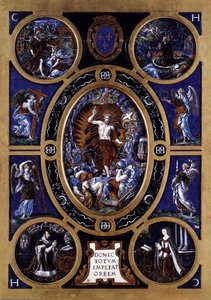
léonard limosin
1505 - 1575 , France
プロフィール概要
- Artistic Movement Or Style: Renaissance enamel art
- Artists Or Movements Influenced By This Artist: ['Italian Mannerists']
- Artists Who Influenced This Artist:
- Albrecht Dürer
- Francesco Primaticcio
- Rosso
- Date Of Birth: c. 1505
- Date Of Death: c. 1575
- Full Name: Léonard Limosin
- Nationality: French
- Notable Artworks:
- Crucifixion
- Resurrection
- Portrait of Galiot de Genouillac
- Place Of Birth: Limoges, France

