

 シェアする
シェアする シェアする
シェアする
 詳細を見る
詳細を見る

 ダウンロード
 似ている作品
 スライドショー
 Stats
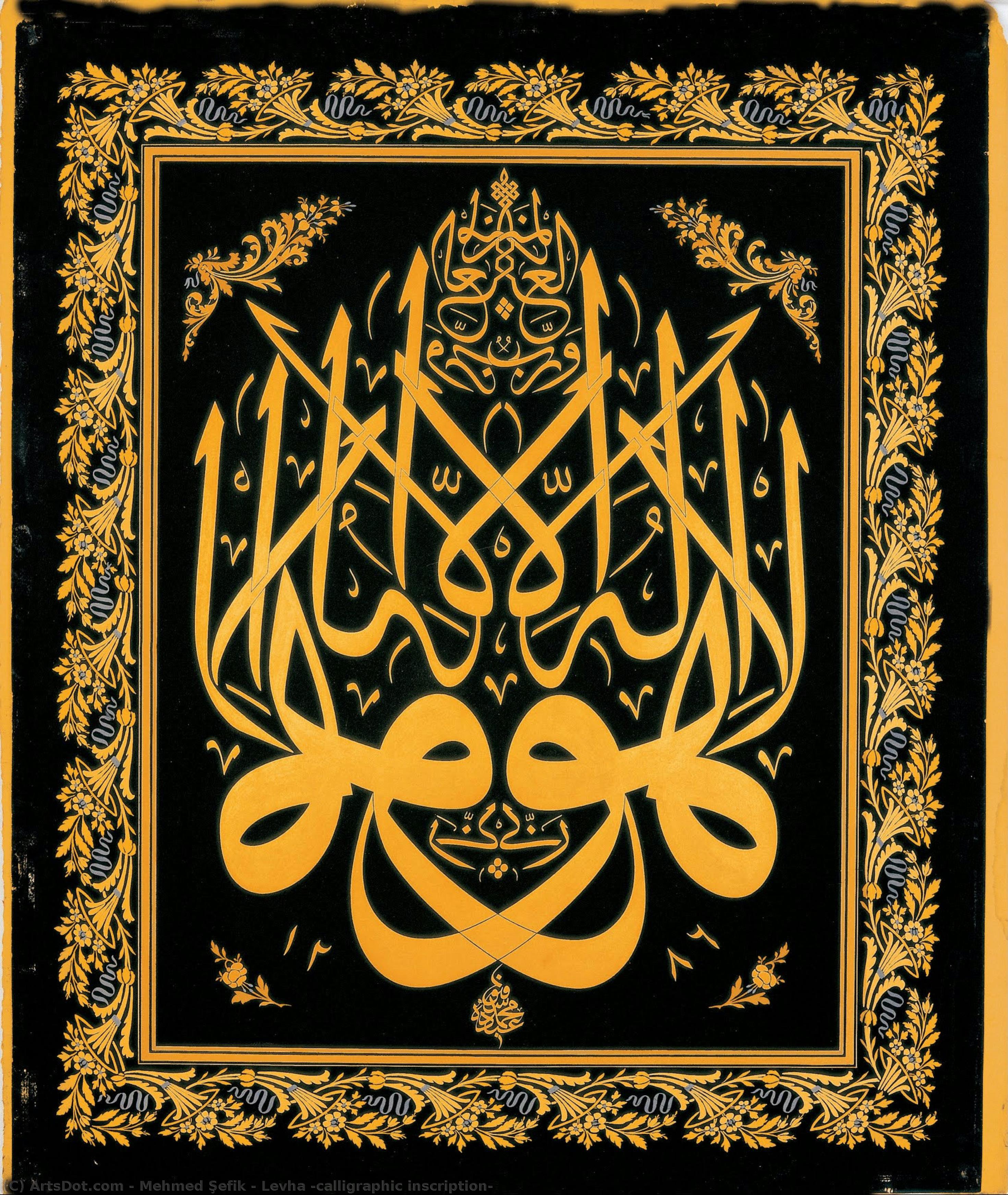
StatsLevha (calligraphic inscription)
 Gold Leaf
- Sculpture
- Islamic Calligraphy
 1869
1869- 19th Century
 51.0 x 62.0 cm
 Sakıp Sabancı Museum
 詳細を見る
詳細を見る
ジークレー/アートプリント
迅速な制作と多彩な仕上げオプションを備えた、ミュージアムクオリティのジークレーまたはキャンバスプリント。 ( 手描きの絵画を購入 Switch to Digital Image)




































作品のオリジナル比率に合わせた、当店の規定サイズからお選びください。

特定のフレームやスペースに合わせて、ご自身でサイズを指定することも可能です。選択されたサイズが元の画像の比率と一致しない場合、作品をトリミングするか、鏡面反射または単色での塗りつぶしによって画像を拡張いたします。制作を開始する前に、ご確認用のデジタルモックアップをお送りいたします。
画面上のプレビューには、実際のトリミングや拡張は反映されませんのでご注意ください。最終的な構図を正確に確認できるのは、モックアップのみとなります。
カスタムサイズも承っておりますが、元の比率を維持するためには、あらかじめ用意されたリストからサイズを選択することをお勧めいたします。


 ガラスオプションは、110cm未満のサイズでのみご利用いただけます。

Levha (calligraphic inscription)
ジークレー/アートプリント
複製画のサイズ
-


合計金額
$ 62
A Golden Radiance: The Divine Calligraphy of Mehmed Şefik
In the quiet intersection of devotion and artistry lies Levha (calligraphic inscription), a breathtaking masterpiece from 1869 that transcends mere decoration to become a spiritual experience. At first glance, the viewer is struck by the profound contrast of its composition: a deep, velvety black background that serves as an infinite void, from which the luminous, golden Arabic calligraphy emerges with celestial authority. The central focus is the stylized name of Muhammad, rendered in sweeping, rhythmic strokes that command the eye and anchor the soul. This is not merely writing; it is a visual hymn, where every curve and flourish of the gold leaf carries the weight of reverence and the elegance of Ottoman tradition.
The artistry of Mehmed Şefik shines through in the meticulous execution of the surrounding ornamentation. Encircling the central sacred text is an intricate tapestry of golden floral and geometric patterns that frame the piece with a sense of eternal order. These motifs, characteristic of the late Ottoman era, weave together organic beauty and mathematical precision, suggesting the lushness of paradise and the structured harmony of the universe. The interplay between the flowing, liquid lines of the calligraphy and the rigid, disciplined geometry of the border creates a dynamic tension that keeps the gaze moving, discovering new details within the gilded labyrinth with every glance.
To possess or display a reproduction of this Levha is to invite a sense of profound tranquility and historical grandeur into a contemporary space. For the discerning collector or interior designer, this piece offers more than just aesthetic value; it provides a focal point of immense cultural depth. The limited yet powerful palette of gold and black allows it to integrate seamlessly into both opulent, classical settings and sleek, modern minimalist interiors, where its shimmering textures can act as a source of light and contemplation. It is an artwork that does not merely occupy a wall but transforms the atmosphere of a room, evoking the timeless splendor of a bygone era through its masterful use of light, shadow, and sacred geometry.
関連作品
アーティストの略歴
The Enigmatic Brush of Mehmed Şefik: A Pioneer of Turkish Realism
Mehmed Şefik, a name often whispered with reverence in the annals of Turkish painting, remains an artist shrouded in intriguing mystery. Born in Istanbul during a period of profound societal transformation – the late 19th century – his life and work are inextricably linked to the waning days of the Ottoman Empire and the burgeoning modernization efforts that followed. While precise biographical details remain elusive, piecing together fragments from art historical records and contemporary accounts reveals a figure deeply committed to capturing the essence of Turkish life with an unprecedented level of realism. Şefik wasn’t merely documenting his surroundings; he was actively constructing a visual identity for a nation grappling with its past and tentatively reaching towards a new future. His paintings, often depicting scenes of everyday life – bustling markets, intimate family portraits, serene landscapes – offer a poignant glimpse into the soul of a changing society.Early Influences and Artistic Formation
Şefik’s artistic journey began with traditional Ottoman art forms, likely receiving initial training within the established guild system. However, his exposure to European painting proved pivotal in shaping his distinctive style. The influx of Western artists into Istanbul during this period – particularly those associated with Realism and Impressionism – had a profound impact on young Turkish painters eager to embrace new techniques and perspectives. While he didn’t formally study abroad like many of his contemporaries, Şefik diligently absorbed the principles of naturalistic representation, light and shadow play, and atmospheric perspective through observation and engagement with imported artworks and publications. His early works demonstrate a clear synthesis of Ottoman aesthetic sensibilities – characterized by intricate detail and decorative elements – with the burgeoning European emphasis on objective observation. This fusion is what sets him apart; he wasn’t simply imitating Western styles but rather adapting them to reflect uniquely Turkish subjects and cultural nuances. The influence of artists like Jean-Léon Gérôme, known for his meticulously detailed Orientalist paintings, can be detected in Şefik's early compositions, though he quickly moved beyond mere imitation towards a more personal and nuanced vision.A Master of Genre Painting: Depicting Turkish Life
Şefik’s most significant contribution lies in his mastery of genre painting – the depiction of scenes from everyday life. He eschewed grand historical narratives or idealized portraits, instead focusing on the ordinary lives of Turks from all walks of society. His paintings are populated with merchants haggling in vibrant bazaars, women engaged in domestic activities, children playing in sun-drenched courtyards, and laborers toiling away in their respective trades. These scenes aren’t romanticized or exoticized; they are presented with a remarkable degree of authenticity and empathy. He possessed an exceptional ability to capture the subtle nuances of human emotion – the weariness of a working man, the quiet dignity of a mother, the playful innocence of children. His palette is typically warm and earthy, reflecting the colors of the Turkish landscape and architecture. The light in his paintings is often soft and diffused, creating a sense of intimacy and realism.- His depictions of Istanbul’s markets are particularly noteworthy, capturing the energy and chaos of these bustling commercial hubs.
- Portraits of women within their domestic spheres offer rare glimpses into the private lives of Turkish families during this period.
- Landscapes often serve as backdrops for his genre scenes, providing a sense of place and context.
Historical Significance and Lasting Legacy
Mehmed Şefik’s work occupies a unique position in Turkish art history. He emerged during a critical period when the Ottoman Empire was undergoing rapid modernization and Westernization, and his paintings reflect this complex interplay of tradition and change. By focusing on everyday life, he helped to establish a distinctly Turkish visual identity that wasn't solely defined by Orientalist tropes or idealized representations. His commitment to realism paved the way for subsequent generations of Turkish painters who sought to capture the essence of their nation with authenticity and nuance. While his work was not widely exhibited during his lifetime – due in part to the political and social upheavals of the era – it has gained increasing recognition in recent decades as scholars have begun to appreciate its historical significance and artistic merit. Today, Mehmed Şefik is celebrated as a pioneer of Turkish Realism, an artist who dared to look beyond grand narratives and find beauty and meaning in the ordinary lives of his fellow countrymen. His paintings serve as invaluable visual documents of a bygone era, offering a poignant glimpse into the soul of a nation on the cusp of transformation.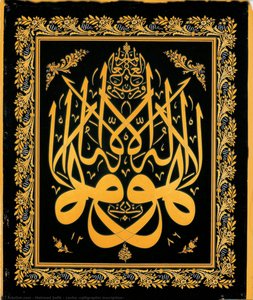
基本情報
- Artistic Movement Or Style: Ottoman Literature
- Date Of Death: Living
- Full Name: Mehmed Şefik
- Nationality: Turkish
- Notable Artworks:
- Hikaye-i Hayat
- Yadigâr-ı Şefik
関連記事
グスタフ・クリムト傑作25選:華麗なる装飾性と象徴が織りなす世界 | ArtsDot
グスタフ・クリムトの傑作25選。華麗なる装飾性と象徴が織りなす世界を紐解きます。キス、ポートレートなど、美術史に残る名画の物語と技法をArtsDotで。高品質複製画やインテリアアートも豊富に。今すぐコレクションをご覧ください。

Golden Masterpieces: 10 Paintings That Define Art History | ArtsDot
Explore 10 breathtaking paintings where gold leaf shines! From Klimt to Byzantine icons, discover art history’s most gilded masterpieces. Find museum-quality reproductions & elevate your home decor with ArtsDot. Explore the full collection online.
Cy Twombly: Scribbles of Emotion – Deconstructing Post-War Expressionism Through Calligraphy & Abstraction
Explore the captivating world of Cy Twombly with ArtsDot. Discover the emotional depth & artistic significance behind his abstract calligraphy. Expert insights for collectors.
Golden Glow: How to Use Metallic Gold Artworks to Elevate Your Home Decor with Timeless Luxury
Discover how to elevate your home with the timeless elegance of metallic gold artworks. From sculptural metal pieces to gilded oil paintings, learn expert interior design tips for integrating luxurious gold accents into your space with sophistication and grace.
The Allure of Gold in Art History: Symbolism, Technique & Cultural Significance
Explore the rich history of gold in art! Discover symbolism, techniques & cultural significance from ancient civilizations to Klimt's masterpieces. Expert insights for collectors at ArtsDot.