

 プレビュー
プレビュー
 プリントを購入
 シェアする
シェアする シェアする
シェアする
 詳細を見る
詳細を見る

 ダウンロード
 似ている作品
 X線調査
X線調査 スライドショー
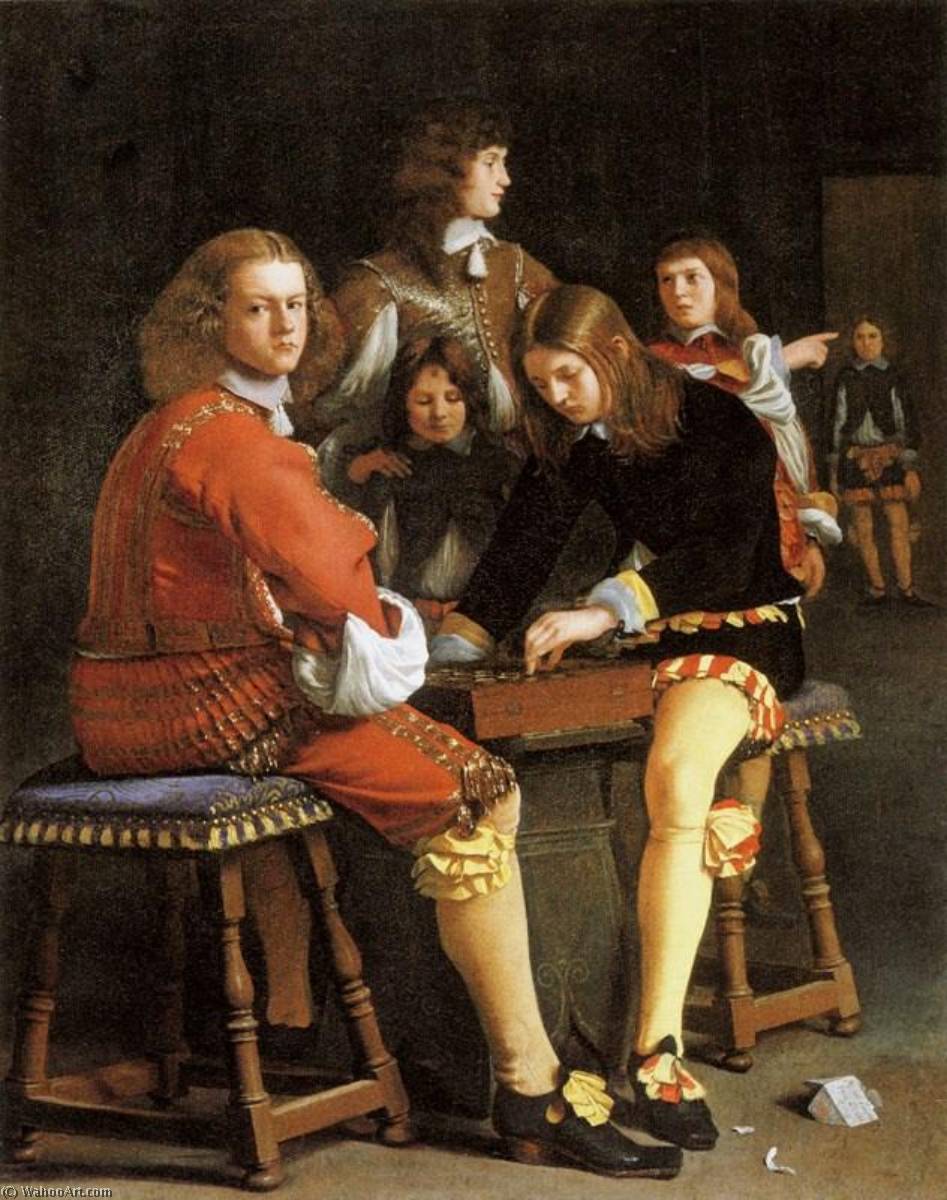
A Game of Draughts
 Acrylic On Canvas
- WallArt
- Baroque Painting
 1652
1652 48.0 x 38.0 cm
 国立美術館 (Rijksmuseum)
 詳細を見る
詳細を見る




P118B $10

P118H $10

P118W $10

P438Z $10

P508JH $12

P508YH $12

P805H $10

P805Z $10

P919BZ $10

P919G $10

P919XJ $10

P959ZH $10

P968JZ $12

W106C $8

W218G $10

W218JH $8

W218Y $10

W307PJ $10

W316G $10

W316PJ $8

W316Y $10

W398PJ $8

W4111J $10

W500HY $15

W500JH $15

W692G $12

W849H $8

W940BG $15

W953PJ $8




作品のオリジナル比率に合わせた、当店の規定サイズからお選びください。

特定のフレームやスペースに合わせて、ご希望のサイズをご入力いただけます。選択されたサイズが元の画像の比率と異なる場合、アートワークをトリミングするか、手描きで要素を追加して絵画を拡張いたします。デジタルモックアップ を制作し、制作開始前にご確認(承認)をいただきます。
画面上のプレビューは、実際のトリミングや拡張を正確に反映しているものではありません。最終的な構図は、モックアップによってのみ正確にご確認いただけます。
カスタムサイズもご利用いただけますが、元の比率を維持するためには、あらかじめ用意されたリストからサイズを選択することをお勧めいたします。
ご注文後、ArtsDot.com チームより詳細な指示をお送りするとともに、仕上がりイメージ(モックアップ)をご提供いたします。


 ガラスオプションは、110cm未満のサイズでのみご利用いただけます。

A Game of Draughts
複製技法
複製画のサイズ
-


合計金額
$ 263
作品解説
A Game of Draughts: A Window into Baroque Society by Michiel Sweerts
Michiel Sweerts’ “A Game of Draughts,” painted in 1652, is more than just a depiction of a leisurely pastime; it's a meticulously crafted snapshot of 17th-century social life and artistic innovation. This captivating work, measuring a modest 48 x 38 cm, resides within the esteemed Mauritshuis collection in The Hague, offering viewers an intimate glimpse into the world of the Dutch Golden Age. Sweerts, a remarkably itinerant artist born in Brussels and deeply influenced by both Flemish realism and Italianate grandeur, masterfully captures not just the scene itself but also the subtle nuances of human interaction and the prevailing social atmosphere.
The painting immediately draws the eye to the group gathered around the table – men and women dressed in opulent fabrics, indicative of their status and wealth. The man on the left, sporting a vibrant red jacket, is likely the host, radiating an air of confident leadership. Sweerts’ skill lies not merely in his accurate rendering of clothing and facial features but in his ability to convey personality through gesture and expression. Note the slight tilt of heads, the focused gaze, and the subtle smiles – each element contributing to a sense of lively engagement. The composition is carefully balanced, with the table acting as a central anchor, drawing the viewer into the scene.
The Bamboccianti and the Depiction of Everyday Life
Sweerts’ work firmly places him within the circle of the Bamboccianti – a group of Northern European painters who distinguished themselves by portraying scenes from everyday life in Italy. Unlike their predecessors, who often focused on religious or mythological subjects, the Bamboccianti sought to capture the realities of urban existence, depicting street vendors, artisans, and commoners with remarkable detail and social commentary. “A Game of Draughts” embodies this spirit perfectly; it’s not a grand historical narrative but a quiet observation of a domestic scene, offering insight into the leisure activities of the upper classes.
The choice of draughts (a form of chess) as the subject matter is significant. The game itself was a popular pastime among the wealthy and educated, serving as both an intellectual challenge and a social connector. Sweerts’ depiction suggests a relaxed, convivial atmosphere – a space for conversation, strategy, and perhaps even a bit of friendly rivalry. The inclusion of details like the ornate table setting, the richly colored clothing, and the carefully rendered faces all contribute to this sense of refined enjoyment.
Technique and Artistic Style
Sweerts’ technique is characterized by a masterful blend of realism and dramatic lighting. He employs a rich palette of colors – deep reds, blues, and golds – to create a visually sumptuous effect. The use of chiaroscuro (the contrast between light and dark) adds depth and drama to the scene, highlighting key figures and creating a sense of three-dimensionality. Sweerts’ brushwork is remarkably smooth and refined, reflecting his meticulous attention to detail.
The painting's style reflects the influence of both Flemish realism and Italianate grandeur. Sweerts skillfully incorporates elements of both traditions, resulting in a unique artistic voice that is both grounded in observation and imbued with a sense of theatricality. The figures are rendered with a degree of naturalism, yet they possess an almost idealized quality, suggesting a desire to elevate the scene beyond mere representation.
Symbolism and Historical Context
Beyond its immediate depiction of a game of draughts, “A Game of Draughts” offers clues about the social and cultural values of 17th-century Europe. The presence of women in the scene suggests a degree of openness and acceptance that was relatively uncommon at the time. The emphasis on leisure activities reflects the growing importance of secular pursuits during the Renaissance and Baroque periods.
Furthermore, the painting provides valuable insight into the artistic practices of the era. Sweerts’ work exemplifies the rise of portraiture as a popular genre, reflecting the increasing wealth and social mobility of the time. His association with the Bamboccianti demonstrates the growing interest in depicting everyday life and capturing the nuances of human experience. “A Game of Draughts” stands as a testament to Sweerts' artistic skill and his ability to capture the essence of a bygone era, inviting viewers to contemplate the complexities of social interaction and the enduring appeal of art’s capacity to illuminate the human condition.
関連作品

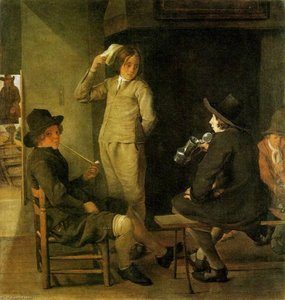
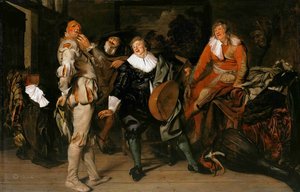
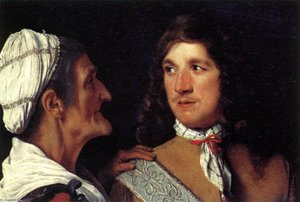
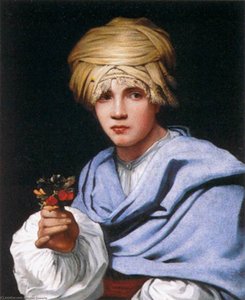
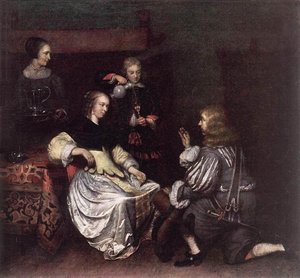
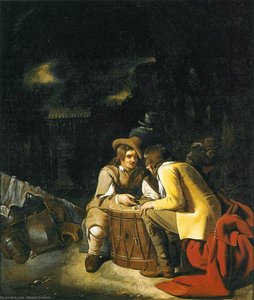
アーティストの略歴
国境を越えた生涯:謎に包まれたミヒール・スウェルツの真実
1618年、ブリュッセルに生を受けたミヒール・スウェルツは、活気あふれるバロック美術界において、非常に魅力的でありながらも、しばしば見過ごされてきた存在でした。彼の人生は驚くべき移動の連続であり、イタリア、ベルギー、アムステルダムといった文化的な風景を渡り歩き、さらにはペルシャやインドという異国情緒あふれる領域にまで足を踏み入れました。単一の伝統に固執した多くの画家とは異なり、スウェルツは多様な影響を吸収し、フランドルの写実主義にイタリア的な壮大さとオランダの風俗画的な感性を融合させた、独自のスタイルを築き上げました。初期の修行についてはほとんど分かっていませんが、彼は1646年頃にはすでに完成された芸術家としてローマに現れ、即座に「バンボッチャンティ」として知られる画家集団の一員となりました。主に北欧出身のこれらの画家たちは、活気ある街角、慎ましい工房、そしてローマ社会を彩る個性豊かな人々といったイタリアの日常風景を描くことを得意とし、故郷のコレクターたちの間で高まっていた風俗画への需要に応えていたのです。ローマとバンボッキャンティ:写実主義の礎
スウェルツはこのグループの中で瞬く間に地位を確立しましたが、単なる絵画的な美しさにとどまらない、高度な様式的習熟と底流にある社会的な批評眼によって、他の画家たちと一線を画していました。表面的な魅力に終始した他の画家たちに対し、スウェルツは人間性の鋭い観察と、日々の生活の複雑さをその情景に吹き込みました。特に、厳格な訓練とともに創造性が花開いた場所である「芸術家の工房」を描いた作品は非常に洞察に満ちており、当時の芸術的プロセスを垣間見せてくれます。彼は単に目に見えるものを記録していたのではありません。彼はそれらを分析し、確立された規範に密かに疑問を投げかけ、芸術教育や知的探求というテーマを探究していたのです。この時期、スウェルツは魅力的な肖像画や、「トローニ」と呼ばれる作品も手がけました。これらは必ずしも正確な似顔絵としてではなく、表情や類型的な人間像を探求するための習作でした。彼の高まる名声は、ドゥーツ家やカンッィッロ・パンフィーリ公といった有力者たちの庇護を引き寄せ、ローマの芸術界における彼の地位を確固たるものにしました。放浪する芸術家:広がりゆく地平
しかし、ローマがスウェルツにとって永遠の故郷となることはありませんでした。1655年頃、彼は一時的にブリュッセルへと戻り、そこでデッサン・アカデミーを設立しました。これは、彼がいかに芸術的才能の育成に情熱を注いでいたかを示す証左といえます。この試みは短期間に終わりましたが、彼の教育的な志向と知識を共有したいという願いを物語っています。その後、彼の旅は1660年代初頭のアムステルダムへと彼を導き、繁栄を極めるオランダ黄金時代の芸術シーンへと没入させました。オランダの巨匠たちが持つ緻密な写実主義、卓越した光の操り方、そして風俗的な主題への集中は、彼の後期の作品に鮮明に表れています。しかし、スウェルツにとって最も驚くべき旅は、その先に待ち受けていました。それはペルシャとインド(ゴア)への航海です。この時期に関する詳細は謎に包まれており、乏しいものですが、この旅が彼の文化的視野を広げ、芸術的語彙に新たな視点や異国的な要素をもたらしたことは疑いようもありません。この旅の最中の具体的な活動内容は、今なお彼のキャリアにおける永続的な謎の一つとして残っています。再発見された遺産:新時代のためのバロックの巨匠
1664年に没したミヒエール・スウェルツは、生前には高く評価されていたものの、その作品群は次第に忘却の彼方へと消えていきました。彼のバロック美術への貢献が再発見され、再評価されるようになったのは、20世紀になってからのことでした。今日、彼の絵画はロンドンのナショナル・ギャラリー、デトロイト美術館をはじめ、ヨーロッパやアメリカの数多くの名高い美術館に収蔵されており、その不朽の芸術的価値を証明しています。スウェルツの重要性は、単なる技術的な巧みさだけでなく、イタリア・バロックのドラマ、オランダの写実主義、そして東洋の異国的な魅力という多様な影響を見事に融合させた能力にあります。彼は、相互に繋がり始めた17世紀の芸術界を体現した、真に国際的な芸術家でした。彼の作品は単なる視覚的な愉悦を超え、鋭い観察と繊細な批評を反映し、当時の社会構造を洞察する窓を提供してくれます。ジャン・ドゥーツの肖像であると信じられている赤いマントを纏った男の肖像は、彼の肖像画における卓越した技量を象徴しており、一方でその風俗画は、生き生きとした細部描写と物語的な深みによって、今なお観る者を魅了し続けています。ミヒール・スウェルツは謎に満ちた人物であり続けていますが、その芸術的遺産は、独自のビジョンと人間体験を捉えようとする揺るぎない献身によってバロック時代を豊かにした多才な巨匠として、ようやくふさわしい評価を受けようとしているのです。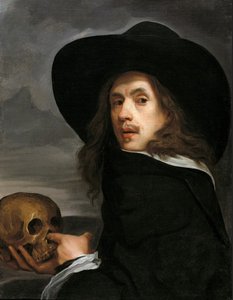
ミヒール・スウェールツ
1618 - 1664 , ベルギー
基本情報
- Artistic Movement Or Style: バロック、バンボッチャーンティ
- Artists Or Movements Influenced By This Artist:
- 風俗画
- バンボッチャーンティの伝統
- Artists Who Influenced This Artist:
- イタリア・バロックの画家
- バンボッチャーンティ
- オランダの巨匠
- Date Of Birth: 1618年
- Date Of Death: 1664年
- Full Name: ミヒール・スウェールツ
- Nationality: フランドル
- Notable Artworks:
- 赤いマントを着た男の肖像
- デッサン教室
- 青年と女衒
- 少年の肖像
- Place Of Birth: ベルギー、ブリュッセル
関連記事
The Grandeur of Baroque Portraiture: Power, Emotion & Artistic Innovation
Explore the grandeur of Baroque portraiture! Discover Rubens, Van Dyck & the masters of 17th-century art. Uncover symbolism, techniques & lasting influence. Expert insights for collectors and enthusiasts.
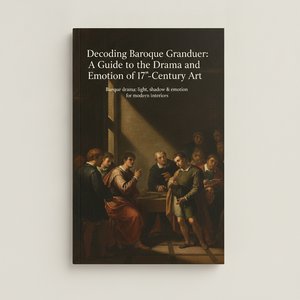
Decoding Baroque Grandeur: A Guide to the Drama and Emotion of 17th-Century Art
Explore the breathtaking drama of 17th-century Baroque art. Our expert guide decodes the use of chiaroscuro, emotional intensity, and historical grandeur to help you appreciate and curate timeless masterpieces for your collection.
Baroque Classicism: Reconciling Drama & Order in 17th-Century Art
Explore the captivating world of Baroque Classicism! Discover its history, key artists like Caravaggio & Rubens, and defining characteristics. Expert insights & high-quality reproductions at ArtsDot.

The Dramatic Flourish: Exploring the Baroque Movement's Enduring Legacy in Art History
Explore the dramatic world of Baroque art! Discover iconic artists like Caravaggio & Rubens, defining techniques, and its lasting impact on art history. Expert insights for collectors & enthusiasts at ArtsDot.

The Visceral Stage: Exploring Dramatic Narratives & Emotional Intensity in Baroque Art
Explore the dramatic world of Baroque art! Discover iconic masters like Caravaggio & Rembrandt, their techniques, and the movement's lasting impact. Expert insights for collectors & enthusiasts at ArtsDot.

