

 プレビュー
プレビュー
 プリントを購入
 シェアする
シェアする シェアする
シェアする
 詳細を見る
詳細を見る

 ダウンロード
 似ている作品
 X線調査
X線調査 スライドショー
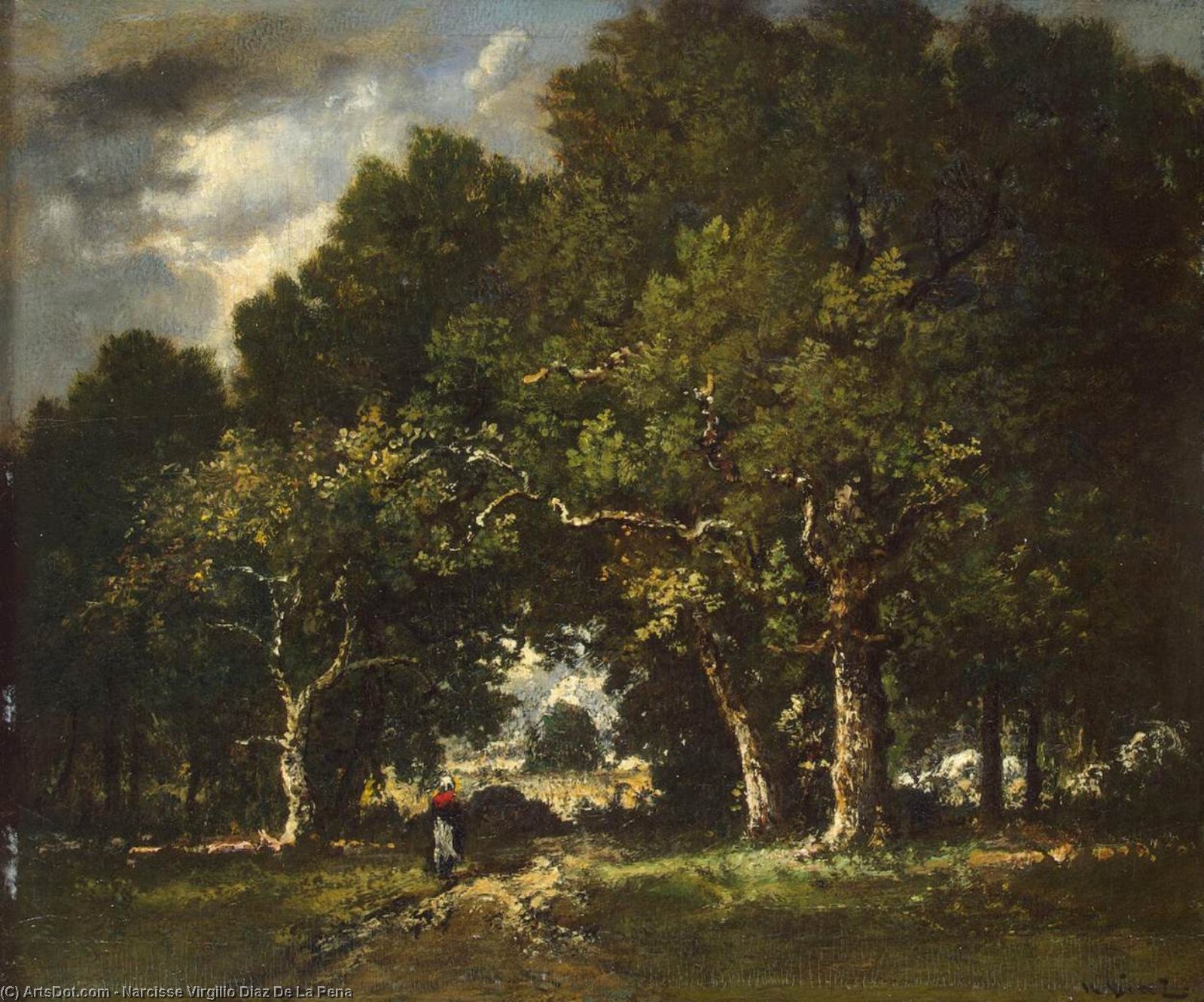
Road in the Wood
 Acrylic On Canvas
- WallArt
- Barbizon School
 1850
1850- 19th Century
 29.0 x 35.0 cm
 エルミタージュ美術館
 詳細を見る
詳細を見る




P118B $10

P118H $10

P118W $10

P438Z $10

P508JH $12

P508YH $12

P805H $10

P805Z $10

P919BZ $10

P919G $10

P919XJ $10

P959ZH $10

P968JZ $12

W106C $8

W218G $10

W218JH $8

W218Y $10

W307PJ $10

W316G $10

W316PJ $8

W316Y $10

W398PJ $8

W4111J $10

W500HY $15

W500JH $15

W692G $12

W849H $8

W940BG $15

W953PJ $8




作品のオリジナル比率に合わせた、当店の規定サイズからお選びください。

特定のフレームやスペースに合わせて、ご希望のサイズをご入力いただけます。選択されたサイズが元の画像の比率と異なる場合、アートワークをトリミングするか、手描きで要素を追加して絵画を拡張いたします。デジタルモックアップ を制作し、制作開始前にご確認(承認)をいただきます。
画面上のプレビューは、実際のトリミングや拡張を正確に反映しているものではありません。最終的な構図は、モックアップによってのみ正確にご確認いただけます。
カスタムサイズもご利用いただけますが、元の比率を維持するためには、あらかじめ用意されたリストからサイズを選択することをお勧めいたします。
ご注文後、ArtsDot.com チームより詳細な指示をお送りするとともに、仕上がりイメージ(モックアップ)をご提供いたします。


 ガラスオプションは、110cm未満のサイズでのみご利用いただけます。

Road in the Wood
複製技法
複製画のサイズ
-


合計金額
$ 263
作品解説
A Journey into Verdant Tranquility
To gaze upon Narcisse Diaz de la Peña’s "Road in the Wood" is to step across the threshold of everyday life and into a realm steeped in profound, pastoral peace. This painting is more than just a depiction of a dirt path winding through an ancient forest; it is an immersion into the very breath of nature. The composition immediately draws the eye down the unpaved road, inviting the viewer to follow the figures—the solitary man, the companion figure, and the steady presence of the horse—into the heart of the woods. Diaz de la Peña masterfully captures that quintessential moment when humanity pauses amidst the grandeur of the natural world, finding solace in its quiet rhythms.
Mastery of Light and Shadow: The Barbizon Influence
The technical brilliance evident in this piece speaks directly to the sensibilities of the Barbizon school. Here, the artist eschews the polished drama of academic history painting for something far more immediate and emotionally resonant: the landscape itself. Observe how the light filters through the dense canopy; it is not a uniform glow but a dappled, ethereal quality that plays across the figures and illuminates patches of mossy ground. This handling of chiaroscuro lends an almost palpable depth to the scene, making the woods feel both enveloping and breathable. The careful rendering of the foliage suggests a deep understanding of natural light diffusion, transforming mere paint application into an atmospheric event.
Symbolism of the Woodland Path
Throughout art history, the road through the wood has served as a potent symbol—a liminal space representing transition, introspection, and the journey of the soul. In "Road in the Wood," this symbolism is richly layered. The path itself suggests a life's journey, while the surrounding trees act as silent witnesses to human experience. The presence of multiple figures hints at shared companionship or perhaps individual quests undertaken within a collective setting. It speaks to that universal yearning for escape—a desire to shed the noise of civilization and reconnect with something elemental and enduring.
Creating an Atmosphere of Serene Reflection
For the collector or designer, this artwork offers more than mere decoration; it offers an emotional anchor. The overall atmosphere is one of profound tranquility. When considering a reproduction for your home, imagine this scene brought into your drawing-room or study—a visual balm against the clamor of modern life. Diaz de la Peña’s ability to evoke such deep peacefulness means that owning this piece is akin to curating a permanent moment of quiet contemplation. It invites one to slow down, to breathe deeply, and to find the gentle rhythm echoing through the trees.
関連作品
アーティストの略歴
初期の生涯と芸術的始まり
ナルシース・ビルヒオ・ディアス・デ・ラ・ペーニャの人生は、逆境に打ち勝ち続けた証であり、彼の芸術的な道のりは、幼少期を彩った困難にもかかわらず花開きました。1807年にスペイン人の両親のもとにボルドーで生まれましたが、彼は幼い頃から深い喪失を経験し、十歳で孤児となりました。この脆弱さと試練の時期は、さらに悲劇的な事故――爬虫類の咬傷による切断という形で重くのしかかりました。しかし、ディアスは逆境に屈するのではなく、自身の経験を芸術への熱烈な探求へと昇華させたのです。
彼の初期の芸術訓練は、ルーヴル美術館での名画の模写から始まり、コレッジョやプルドン、ワトーといった巨匠たちの作品群に身を浸しました。これらの初期の学びは、彼の技術的な基礎を築き上げるとともに、古典的な美とロマンチックな感受性への深い理解を彼の中に植え付けました。彼の最初の絵画もその影響を色濃く反映し、神話的な場面や「陽気な祝祭」を描いたことが多く、18世紀の優雅な世界を響かせていました。しかし、運命的な転機が訪れたのは1836年、ディアスが勃興しつつあったバルビゾン派と出会い、それによって彼の芸術的発展の軌道は永遠に変わることになります。
自然との抱擁:バルビゾンの時代
バルビゾン派との関わりは、ディアスにとって変革的なものでした。彼は彼らの「戸外制作(アン・プレイン・アール)」という哲学を心から受け入れ、観察を通して直接自然の本質を捉えるため、野外へと足を踏み出しました。これは、それまで芸術実践を支配していたアトリエ中心の伝統からの大きな脱却でした。
この時期のディアスの作品は、特にウジェーヌ・ドラクロワやテオドール・ローゾーといった同時代人たちから深く影響を受けました。ドラクロワからは異国情緒あふれるテーマと鮮やかな色彩パレットへの関心を吸収し、一方ローゾーからはフランスの風景に対する深い畏敬の念を植え付けられました。彼は森の中の空間に焦点を当て始め、厚く塗られた絵具を用いて光と影の劇的な対比を見事に描き出すようになり、この技法こそが彼の代名詞となるスタイルとなったのです。
彼の献身と才能は看過されるものではなく、ディアスはサロンで定期的に作品を展示し、パリの芸術界において着実に評価を高めていきました。これらの展覧会は彼に決定的な露出を提供し、バルビゾン派の台頭する星としての評判を確立する助けとなったのです。
成熟と認知
1851年までに、ナルシース・ディアス・デ・ラ・ペーニャはパリにアトリエを構え、活気ある芸術コミュニティの不可欠な一員となりました。この時期は、長年にわたる献身と実験が結実した時でした。彼は、その絵画が持つ喚起的な雰囲気と光と質感の巧みな扱いによって特徴づけられる、独自のスタイルを磨き続けます。
彼の才能は数々の栄誉をもって公式に認められ、サロン金メダル三冠や名誉勲章騎士への任命など、芸術界における彼の地位を確固たるものにした権威ある栄誉に浴しました。1870年代が進むにつれて、ディアスの絵画はますます人気と価値を高め、彼の独自のビジョンに対する認識の高まりを反映していました。
職業的な功績を超えても、ディアスは充実した私生活を送り、エミールとユジェーヌという二人の息子を育てました。彼の家族は、彼が芸術への情熱を追求し続ける上での安定と支えとなりました。
バルビゾン巨匠の遺産
ナルシース・ビルヒオ・ディアス・デ・ラ・ペーニャは、19世紀美術史において重要な位置を占めています。彼は単にバルビゾン派の著名な代表者であるだけでなく、「戸外制作」の先駆者でもありました。自然の美しさと真実性を捉えようとする彼の献身は、印象派を含む後の世代の芸術家たちへの道を開いたのです。
その影響力は彼自身の輪を越えて広がり、芸術家たちに自然界とのより直接的で親密な関係を受け入れるよう促しました。ルノワールが彼を「私の英雄」と呼んだことは有名であり、ディアスが自身の芸術的発展に与えた深い影響を認めるものでした。今日、彼の絵画はルーヴル美術館やメトロポリタン美術館など世界中の名高いコレクションに所蔵されており、その不朽の遺産を物語っています。
ディアスの作品は今もなお鑑賞者の心に響き続け、フランスの風景の魂と、逆境を乗り越えて永続的な評価を勝ち得た一人の人間の芸術精神の一端を垣間見せてくれます。彼の喚起的な森の光景と劇的な構図は、自然の美しさと力強さという力強い記念碑として立ち続け、これからも何世代にもわたってインスピレーションを与え続けるでしょう。
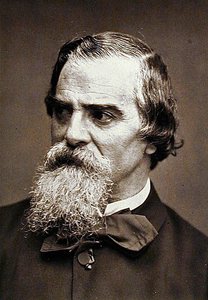
ナルシスカ・ディアス・デ・ラ・ペーニャ
1807 - 1876 , フランス
基本情報
- Artistic Movement Or Style: バルビゾン派
- Artists Or Movements Influenced By This Artist:
- 印象派
- ルノワール
- Artists Who Influenced This Artist:
- コレッジョ
- プルドン
- ワトー
- ドラクロワ
- ロゾー
- Date Of Birth: 1807年
- Date Of Death: 1876年
- Full Name: ナルシスの・ディアス・デ・ラ・ペニャ
- Nationality: フランス・スペイン
- Notable Artworks:
- ダイアナ
- トルコ人捕虜
- 人物と犬…
- Place Of Birth: ボルドー、フランス
関連記事
Narcisso Díaz de la Peña: Realism, Spanish Identity & Artistic Authenticity
Explore the life & work of Narcisso Díaz de la Peña, a key figure of the Barbizon school. Discover his captivating realism, Spanish influences, and enduring legacy in 19th-century art. Expert insights at ArtsDot.

ゴヤ傑作25選:スペインの魂を揺さぶる、深遠な芸術の世界 | ArtsDot
ゴヤ傑作25選:ロマン主義を代表するスペインの巨匠、フランシスコ・デ・ゴヤの世界へ。黒衣の女からマハまで、魂を揺さぶる絵画の物語と技法を紐解きます。ArtsDotで高品質なアートレプリカを見つけ、インテリアに深みと風格を。今すぐコレクションをご覧ください。
Águeda Ruiz de la Prada: A Study of Eclecticism & Emotional Resonance in Contemporary Spanish Painting
Discover the vibrant world of Ágatha Ruiz de la Prada, a leading figure in contemporary Spanish art. Explore her eclectic style, emotional depth & legacy – a must-read for discerning collectors.

About Us
Discover our story! We bring world-class art into your life through expert curation, personalized creations, and free previews. Trusted by individuals and businesses since 2000.
Maurice Quentin de La Tour: Light, Shadow & the Rococo Portrait
Explore the captivating world of Maurice Quentin de La Tour, a master of Rococo portraiture. Discover his innovative pastel techniques, intimate depictions of French aristocracy, and lasting artistic legacy. Learn more at ArtsDot.

