
- ホーム

- キャンバスプリント用
- National Park Service, Eastern Museum Laboratory, Albert Mcclure (1903-1986), Lee Roland Warthen (1893-1949)
 シェアする
シェアする シェアする
シェアする
 詳細を見る
詳細を見る

 ダウンロード
 似ている作品
 スライドショー
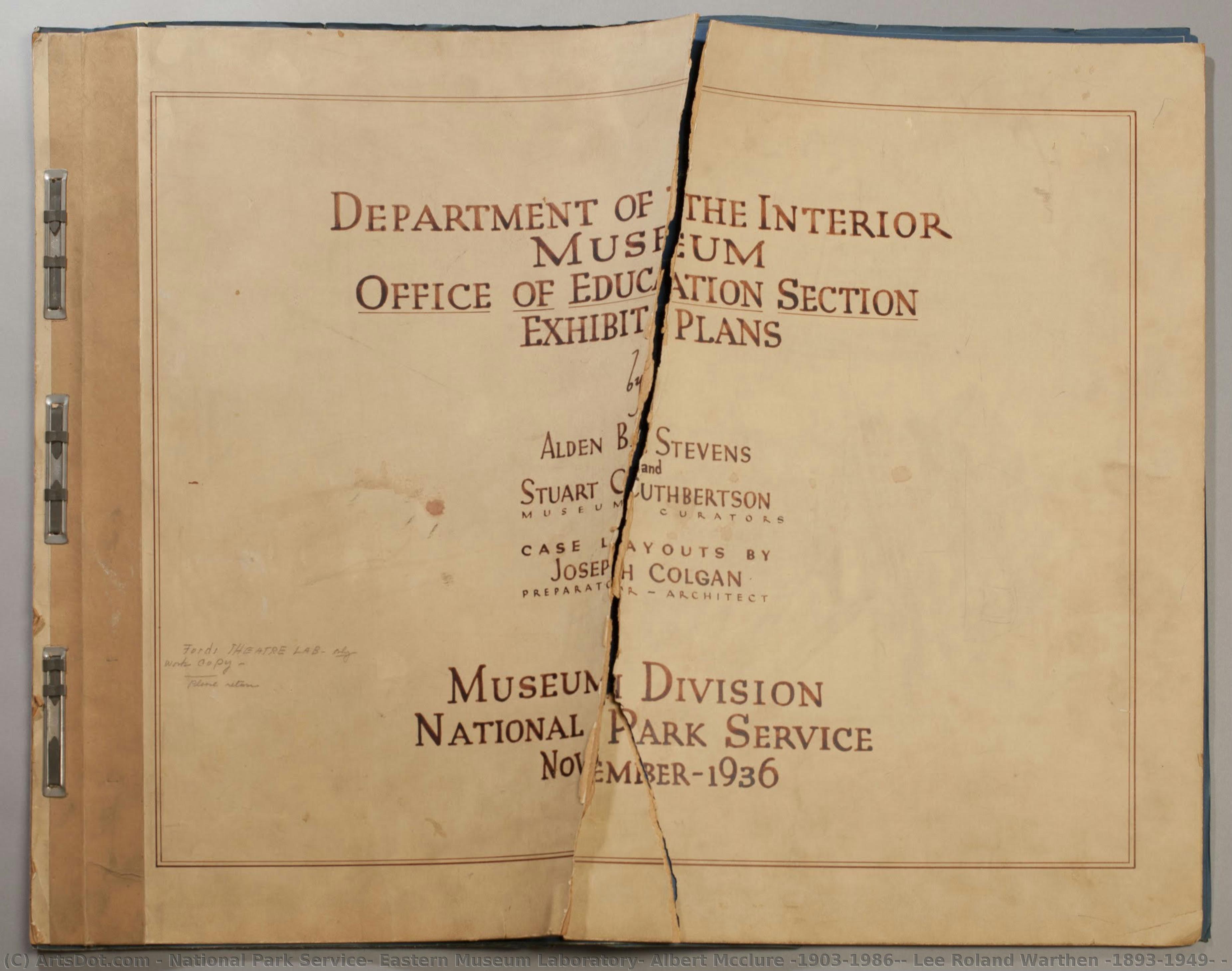
Exhibit Plans for U.S. Department of the Interior Museum


 詳細を見る
詳細を見る
ジークレー/アートプリント
迅速な制作と多彩な仕上げオプションを備えた、ミュージアムクオリティのジークレーまたはキャンバスプリント。 ( 手描きの絵画を購入 画像を購入)




































作品のオリジナル比率に合わせた、当店の規定サイズからお選びください。

特定のフレームやスペースに合わせて、ご自身でサイズを指定することも可能です。選択されたサイズが元の画像の比率と一致しない場合、作品をトリミングするか、鏡面反射または単色での塗りつぶしによって画像を拡張いたします。制作を開始する前に、ご確認用のデジタルモックアップをお送りいたします。
画面上のプレビューには、実際のトリミングや拡張は反映されませんのでご注意ください。最終的な構図を正確に確認できるのは、モックアップのみとなります。
カスタムサイズも承っておりますが、元の比率を維持するためには、あらかじめ用意されたリストからサイズを選択することをお勧めいたします。


 ガラスオプションは、110cm未満のサイズでのみご利用いただけます。

Exhibit Plans for U.S. Department of the Interior Museum
ジークレー/アートプリント
複製画のサイズ
-


合計金額
$ 62
A Window into the New Deal Era
To hold the Exhibit Plans for the U.S. Department of the Interior Museum is to touch the very pulse of 1936 America, a moment when the nation was striving to reconstruct its identity amidst the shadows of the Great Depression. This evocative collection of assembled plans serves as more than just a bureaucratic guide; it is a profound visual testament to the New Deal era's commitment to public engagement and national storytelling. Through the meticulous work of the Eastern Museum Laboratory, these pages reveal a deliberate attempt by the National Park Service to bring the vast, rugged landscapes of the American wilderness into the intimate, controlled environments of Washington D.C. museums.
The artistry contained within these plans, featuring the evocative contributions of artists such as Albert Mcclure and Lee Roland Warthen, transcends simple documentation. The imagery captured in these historical records often utilizes a sepia-toned, nostalgic palette that evokes a sense of longing and reverence for a disappearing way of life. As one wanders through the pages, the textures of the original paintings—often presented as if mounted on metal surfaces within the guide—create a layered, tactile experience. This technique bridges the gap between the industrial progress of the 1930s and the organic, pastoral beauty of the American landscape, offering a sophisticated interplay of light and shadow that continues to captivate the modern eye.
The Art of Diorama and National Identity
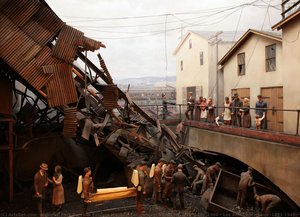
At the heart of this work lies the mastery of the diorama, a medium used by the Eastern Museum Laboratory to foster a deep connection between the citizenry and their natural heritage. These were not merely displays; they were carefully constructed worlds designed to evoke emotion and instill a sense of stewardship for the land. The technique involves an incredible level of detail, where every miniature element—from the way light hits a painted rock to the placement of a tiny historical figure—is orchestrated to tell a story of resilience and reconstruction. For the collector or the interior designer, these plans represent a unique intersection of historical documentation and fine art technique.
The symbolism embedded in these exhibit plans is deeply rooted in the concept of American continuity. By documenting scenes of reconstruction and daily life, the artists were able to weave a narrative of hope during a period of profound economic uncertainty. The presence of names like Mcclure and Warthen reminds us of the skilled hands that labored to make the vastness of America accessible to all, turning museum halls into gateways for national pride. For those looking to adorn a space with pieces that spark conversation, this work offers an unparalleled depth of historical significance and aesthetic grace.
A Timeless Inspiration for Modern Interiors
Incorporating a high-quality reproduction of these historic plans into a contemporary setting provides an instant infusion of character and intellectual depth. The muted tones and sepia hues are remarkably versatile, complementing both minimalist modern aesthetics and more traditional, classic decor. An artistically rendered reproduction allows the textures of the 1936 era—the weathered paper, the metallic sheen of the original displays, and the soft, painterly strokes of the New Deal artists—to breathe within a modern room.
For the discerning decorator, this piece acts as an anchor, providing a sense of permanence and historical weight. It is not merely a decoration but a window into a pivotal moment in art history, inviting guests to contemplate the enduring spirit of American conservation and the delicate art of public engagement. Whether placed in a scholarly study, a sophisticated gallery, or a curated living space, these exhibit plans serve as a poignant reminder of the power of art to shape a nation's soul.
関連作品
アーティストの略歴
The Dioramas of a Nation: National Park Service, Eastern Museum Laboratory & the Art of Public Engagement
The story of the National Park Service’s (NPS) early foray into museum work, specifically through the efforts of the Eastern Museum Laboratory and artists like Albert Mcclure and Lee Roland Warthen, is a fascinating chapter in American art history—one often overshadowed by more traditional narratives. It speaks to a deliberate effort during the New Deal era to connect citizens with their national heritage, not through grand monuments alone, but through intimate, meticulously crafted dioramas that brought landscapes and historical scenes directly into the heart of Washington D.C. This wasn’t simply about display; it was about constructing a national identity, fostering appreciation for conservation, and making the vastness of America accessible to all. The genesis of this initiative lies with Harold L. Ickes, Secretary of the Interior in 1935. Recognizing that the Department's growing responsibilities were poorly understood by the public, he envisioned a museum within the new headquarters building as a tool for “government public relations.” The Eastern Museum Laboratory, established in Morristown, New Jersey, became the workshop where this vision took shape. Ned J. Burns, recruited as superintendent, assembled a team of skilled preparators, carpenters, and curators to translate complex ideas into tangible exhibits. This wasn’t about showcasing existing collections; it was largely about *creating* those collections—building miniature worlds that captured the essence of America's natural and historical treasures.Crafting Miniature Realities: The Work of Mcclure & Warthen
Albert Mcclure (1903-1986) and Lee Roland Warthen (1893-1949), though their individual biographies remain somewhat elusive, were central figures in this endeavor. Their work wasn’t about personal artistic expression in the traditional sense; it was a collaborative process deeply rooted in documentary precision and pedagogical intent. The dioramas they helped create weren't simply pretty scenes—they were meticulously researched reconstructions of specific environments and moments in time. Warthen, with his experience in museum work, likely played a key role in the initial planning and conceptualization of exhibits. Mcclure’s expertise seems to have focused on the technical execution – bringing these plans to life through detailed modeling, painting backdrops, and incorporating realistic elements. The surviving photographs reveal scenes ranging from military life to domestic interiors, all rendered with a remarkable attention to detail. A 1938 publicity photo showcases Betty Buzzard amidst a formal scene of military & domestic life, capturing a slice of American society during that period. Another exhibit plan details the meticulous assembly of components in November 1936, highlighting the painstaking effort involved. These weren’t just static displays; they were designed to tell stories—to evoke a sense of place and time, and to connect viewers with the people and events that shaped the nation. The use of black and white photography further lends a documentary feel, emphasizing authenticity and historical accuracy.Influences & Techniques: A Blend of Art Forms
The dioramas produced by the Eastern Museum Laboratory drew upon a diverse range of artistic influences. Traditional landscape painting provided a foundation for creating realistic backdrops and capturing atmospheric effects. The techniques employed in theatrical set design informed the construction of three-dimensional environments, while documentary photography emphasized accuracy and detail. There’s also a clear influence from scientific illustration—a desire to accurately represent natural forms and ecological systems.- Landscape Painting: The use of perspective, light, and shadow to create depth and realism in the backdrops.
- Theatrical Set Design: Techniques for constructing three-dimensional environments and creating a sense of immersion.
- Documentary Photography: Emphasis on accuracy, detail, and capturing authentic moments in time.
- Scientific Illustration: A desire to accurately represent natural forms and ecological systems.
Historical Significance & Legacy
The work of the National Park Service’s Eastern Museum Laboratory represents a unique moment in American art history—a time when artists were actively employed by the government to shape public understanding of national heritage. While the dioramas themselves may not be widely known today, their impact was significant. They helped to establish the NPS as a vital educational resource and fostered a greater appreciation for conservation and historical preservation. Stories in Miniature, a Google Arts & Culture feature dedicated to these exhibits, offers a glimpse into this fascinating past. The surviving photographs and exhibit plans serve as a testament to the skill and dedication of artists like Mcclure and Warthen—artists who understood that art could be a powerful tool for public engagement and national identity formation. Their legacy lies not in individual masterpieces, but in the collective impact of their work—in the countless Americans who were inspired by these miniature worlds to connect with their nation's past and embrace its future. The dioramas stand as a reminder that even small-scale representations can have a profound effect on how we perceive and understand the world around us.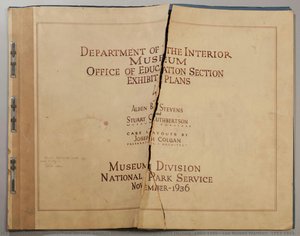
基本情報
- Artistic Movement Or Style: Diorama creation, Public art
- Full Name: National Park Service & collaborators
- Nationality: American
- Notable Artworks:
- Exhibit Plans for US Interior Museum
- Publicity Image (1938)
- Stories in Miniature Dioramas
関連記事
Grahame Sydney: Evoking Otago's Soul Through Light & Landscape
Explore the captivating landscapes of Sir Grahame Sydney, a leading New Zealand artist renowned for his magic realism & evocative depictions of Otago's beauty. Discover key works and delve into his artistic legacy.
Howard Cook: American Regionalism's Pursuit of Artistic Authenticity
Explore the life & art of Howard Cook, a pivotal figure in American Regionalism. Discover his stunning woodcuts, New Deal murals, and evolution from Expressionism – a deep dive for art enthusiasts.
The Magic of Drawing: How Simple Lines and Timeless Art Transform Your New Home into a Curated Sanctuary
Discover how simple lines and timeless art transform your new home into a curated sanctuary. From custom wedding portraits to historical reproductions, learn to decorate with meaning and elegance through the magic of fine art.
ヴェネツィア・ビエンナーレ厳選25作品:芸術と歴史が織りなす至高のコレクション | ArtsDot
ヴェネツィア・ビエンナーレの至宝25選。印象派から現代アートまで、名画の背景にある物語と芸術家の情熱を紐解きます。ArtsDotで、キャンバスアートや油絵複製をお楽しみください。今すぐコレクションをご覧ください。
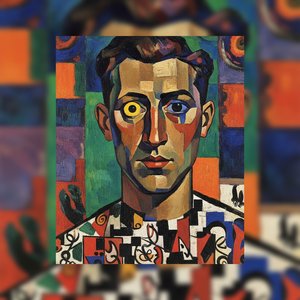
Alfred Henry Maurer: Reassessing the Pioneer of American Modernist Abstraction
Explore the groundbreaking work of Alfred Henry Maurer, a pivotal figure in American Modernism. Discover his Fauvist & Cubist paintings and understand his lasting influence on abstract art. Expert analysis for collectors.

