

 プレビュー
プレビュー
 プリントを購入
 シェアする
シェアする シェアする
シェアする
 詳細を見る
詳細を見る

 ダウンロード
 似ている作品
 X線調査
X線調査 スライドショー
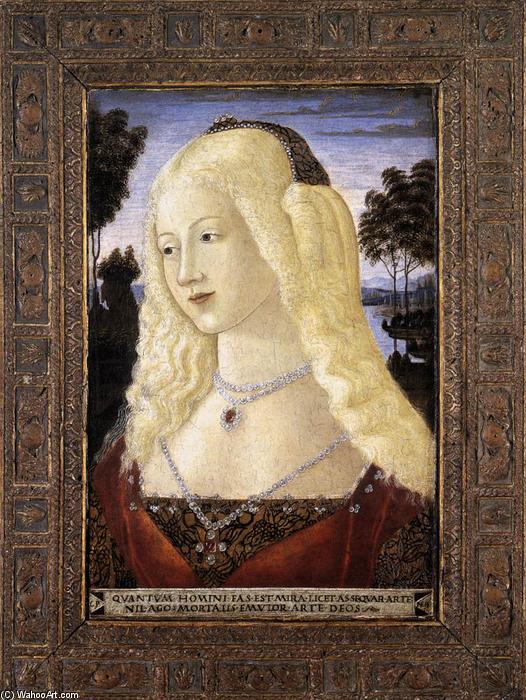
Portrait of a Lady
 Acrylic On Canvas
- WallArt
- Early Renaissance
 1480
1480 47.0 x 31.0 cm
 ナショナル・ギャラリー・オブ・アート
 詳細を見る
詳細を見る
オンラインプレビューをはるかに凌ぐ、高解像度で鮮明なデジタル画像をご購入いただけます。
各ファイルは、社内の専門家が高度なツールと熟練した手作業によるレタッチを用いて、細心の注意を払って準備されています。すべての画像において、卓越した鮮明度、正確な色彩再現性、そして繊細なディテールを保証いたします。
最終ファイルは、プロフェッショナルな編集・印刷環境ですぐにご利用いただけるよう最適化された状態で、72時間以内にメールにてお届けいたします。これは、一流のデザインスタジオ、出版社、ギャラリーから信頼されているものと同等の品質です。
デジタル画像のご注文に付随する特典
高品質なデジタル画像配信を、確かな品質で。
ArtsDot.com を選ぶことは、単に画像を手に入れることではありません。それは、プロの手によって精密に仕上げられ、満足保証が付いた高品質なデジタルアートワークを受け取ることを意味します。ご注文いただいた際に自動的に付随する内容は、以下の通りです:

メールですぐにお届け
ご注文から72時間以内に、高解像度のデジタル画像ファイルがメールでお手元に届きます。すぐにそのままご利用いただけます。

AI技術で最適化されたデジタルファイル
お客様の作品は、高度なAIツールと専門家による手作業の編集を組み合わせてプロフェッショナルに最適化されており、細部のディテール、鮮明さ、そして正確な色再現性を最大限に引き出しています。

一生涯無料の再送サービス
ファイルを誤って削除したり、紛失してしまったりしましたか?ご安心ください。いつでも無料で再送いたします。

輸入手数料は一切かかりません
関税や手数料、配送料を気にすることなく、お気に入りのアートワークをすぐにお楽しみいただけます。デジタルダウンロードは常に免税です。

色彩再現の保証
プロ仕様のツールとカラーマネジメント技術を用いることで、デジタル画像が元の色を最大限に忠実に再現することを保証いたします。

60日間満足保証
ご購入いただいたデジタル画像にご満足いただけない場合は、60日以内であれば、修正または100%の返金(理由を問う必要はありません)をさせていただきます。

100% 返金保証
ご満足いただけない場合は、デジタルファイルを受け取ってから60日以内であれば、理由を問わず全額返金いたします。

まとめ買い割引
3枚購入で10%OFF - 5枚購入で15%OFF - 10枚以上購入で20%OFF。クリエイティブなプロジェクト、ギャラリー、エージェンシーに最適です。
A Portrait of Quietude: Neroccio de’ Landi's “Portrait of a Lady”
Within the hushed galleries of the National Gallery of Art, and now meticulously reproduced for discerning collectors, resides "Portrait of a Lady" by Neroccio de’ Landi – a painting that transcends mere likeness to embody an exquisite distillation of Renaissance ideals. Completed in Siena around 1480, this work isn't merely a depiction of a young woman; it’s a carefully constructed meditation on beauty, grace, and the subtle complexities of human expression. De’ Landi, a student of the renowned Vecchietta and later collaborating with Francesco di Giorgio, masterfully employed the techniques honed during his formative years to create an image that continues to resonate centuries later.
The painting itself is remarkably intimate, presenting the sitter – whose identity remains tantalizingly unknown – from the chest upwards. This close-quarters perspective, a convention borrowed from Flemish portraiture, immediately draws the viewer into a direct engagement with her features. Her face, bathed in soft light, reveals a delicate balance of youthful innocence and quiet contemplation. Note the subtle curve of her lips, barely hinting at a smile, and the gentle downward tilt of her eyes – gestures that speak volumes about her inner life. The artist’s meticulous attention to detail is evident in the rendering of her skin, which possesses a luminous quality achieved through careful layering of glazes, and the luxurious texture of her golden hair, cascading over her shoulders with an almost ethereal grace.
The Siena Renaissance: A World of Symbolism
To fully appreciate “Portrait of a Lady,” it’s crucial to understand the artistic landscape in which it was created – Siena during the early 15th century. This period, often overshadowed by the grandeur of Florence, nonetheless nurtured a vibrant and independent artistic tradition. Sienese painting, characterized by its rich colors, intricate details, and a penchant for depicting religious subjects alongside secular portraits, reflected the city’s proud civic identity and its deep-rooted connection to the Catholic Church. De’ Landi's work exemplifies this synthesis, blending classical influences with distinctly Sienese sensibilities.
The background landscape – a distant lake or river framed by feathery trees – serves as more than just an atmospheric element; it subtly reinforces the painting’s themes of serenity and contemplation. The use of aerial perspective, achieved through variations in color intensity and detail, creates a sense of depth and distance, drawing the viewer's eye towards the central figure. The Latin inscription at the bottom of the painting – “Quanta cura habuit artifici” (“How much care did the artist have”) and “Nihil mortalium ævum est” (“Nothing of the mortals is eternal”) – adds a layer of philosophical reflection, prompting us to consider the artist’s dedication and the fleeting nature of earthly beauty.
Technique and Materials: A Masterful Blend
De’ Landi's skill lay not only in his ability to capture likeness but also in his mastery of oil painting techniques. He employed a layering approach, building up color gradually through multiple thin glazes – a method that allowed him to achieve remarkable luminosity and depth. The use of tempera on panel, a common medium during this period, contributed to the painting’s rich colors and subtle tonal variations. The artist's careful observation of light and shadow is particularly evident in the way he renders the folds of the woman’s gown and the play of light on her skin.
Emotional Resonance: A Portrait of Timeless Grace
“Portrait of a Lady” isn’t simply a beautiful image; it's an invitation to contemplate the essence of human beauty and the complexities of inner life. The woman’s serene expression, combined with the painting’s harmonious composition, evokes a sense of quiet dignity and timeless grace. It is a testament to De’ Landi’s ability to capture not just outward appearance but also the subtle nuances of personality – a rare achievement in portraiture. Today, reproductions of this captivating work continue to inspire admiration for its elegance, technical skill, and profound emotional resonance, offering a glimpse into the artistic spirit of the early Renaissance.
関連作品

作家の略歴
Early Life and Apprenticeship in Sienese Tradition
Neroccio di Bartolomeo de' Landi, born in Siena in 1447, emerged from a distinguished patrician family at a pivotal moment for the city. While Siena’s golden age of medieval splendor had passed, a vibrant artistic spirit still pulsed within its walls. Neroccio inherited this legacy, beginning his formal training under Lorenzo di Pietro, known as Il Vecchietta—a master who effectively served as the central figure in shaping nearly all Sienese artists of the second half of the 15th century. This apprenticeship instilled in him a deep respect for established traditions and a meticulous approach to craftsmanship. The influence of Vecchietta is palpable in Neroccio’s early works, characterized by precise detail and a refined sense of form.
Collaboration with Francesco di Giorgio and Emerging Style
Around 1468, Neroccio entered into a significant collaboration with Francesco di Giorgio Martini, an architect, painter, and engineer who would become a lifelong associate. Their partnership proved fruitful, resulting in commissions such as the scenes from the life of Saint Benedict now housed in the Uffizi Gallery. While working alongside di Giorgio, Neroccio began to develop his own distinct style—one that subtly diverged from the prevailing trends. He demonstrated an inclination towards elegant compositions and a focus on portraying the nobility of human expression. This period saw him explore both panel painting and polychrome sculpture, showcasing a versatility that would become a hallmark of his career.
Mature Works: Devotional Panels and Portraiture
By the 1470s, Neroccio had established himself as an independent artist in Siena. He received numerous commissions for altarpieces, including the *Madonna and Child with Saints* (Pinacoteca Nazionale, Siena) and the *Annunciation* lunette (Yale University Art Gallery). These works reveal a growing sophistication in his use of color and composition. However, it was his portraiture that truly set him apart. The *Portrait of a Lady* (National Gallery of Art, Washington D.C.), dating from around 1485, is considered a rare and exceptional example of Quattrocento Sienese portraiture—a captivating depiction of serene beauty and intricate detail. Neroccio’s ability to capture the inner life of his subjects, combined with his refined technique, made him highly sought after by the Sienese aristocracy.
Later Commissions and Artistic Legacy
The 1480s and 90s saw Neroccio undertake increasingly ambitious projects. In 1483, he designed the *Hellespontine Sybil* for the mosaic pavement of Siena Cathedral—a testament to his skill as a designer and draftsman. He also created the tomb for Bishop Tommaso Piccolomini del Testa, further solidifying his reputation as a leading artist in the region. Throughout his career, Neroccio consistently produced small-scale devotional paintings characterized by delicately outlined figures set within lyrical atmospheres. His sophisticated forms, refined chromaticism, and ability to work with diverse materials cemented his position as one of the most coveted artists in Siena.
Historical Significance and Rediscovery
Neroccio de' Landi’s art reflects a conscious effort to connect with the artistic traditions of earlier Sienese masters like Simone Martini. While he acknowledged innovations in perspective and modeling, he prioritized harmonious composition and the rich beauty of detail over strict realism. His work offers a fascinating glimpse into the unique character of Renaissance painting outside of Florence—a style that valued elegance, refinement, and devotional piety. For centuries, Neroccio’s contributions were somewhat overshadowed by the dominance of Florentine art history. However, in recent decades, scholars have increasingly recognized his importance as a key figure in the Sienese Quattrocento, appreciating his distinctive voice and enduring artistic legacy.
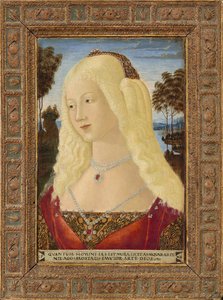
neroccio de landi
1447 - 1500 , Italy
プロフィール概要
- Artistic Movement Or Style: Early Renaissance
- Artists Who Influenced This Artist:
- Vecchietta
- Francesco di Giorgio
- Date Of Birth: 1447
- Date Of Death: 1500
- Full Name: Neroccio di Bartolomeo de' Landi
- Nationality: Italian
- Notable Artworks:
- St. Benedict scenes
- Madonna and Child
- Hellespontine Sybil
- Place Of Birth: Siena, Italy

