

 プレビュー
プレビュー
 プリントを購入
 シェアする
シェアする シェアする
シェアする
 詳細を見る
詳細を見る

 ダウンロード
 似ている作品
 X線調査
X線調査 スライドショー
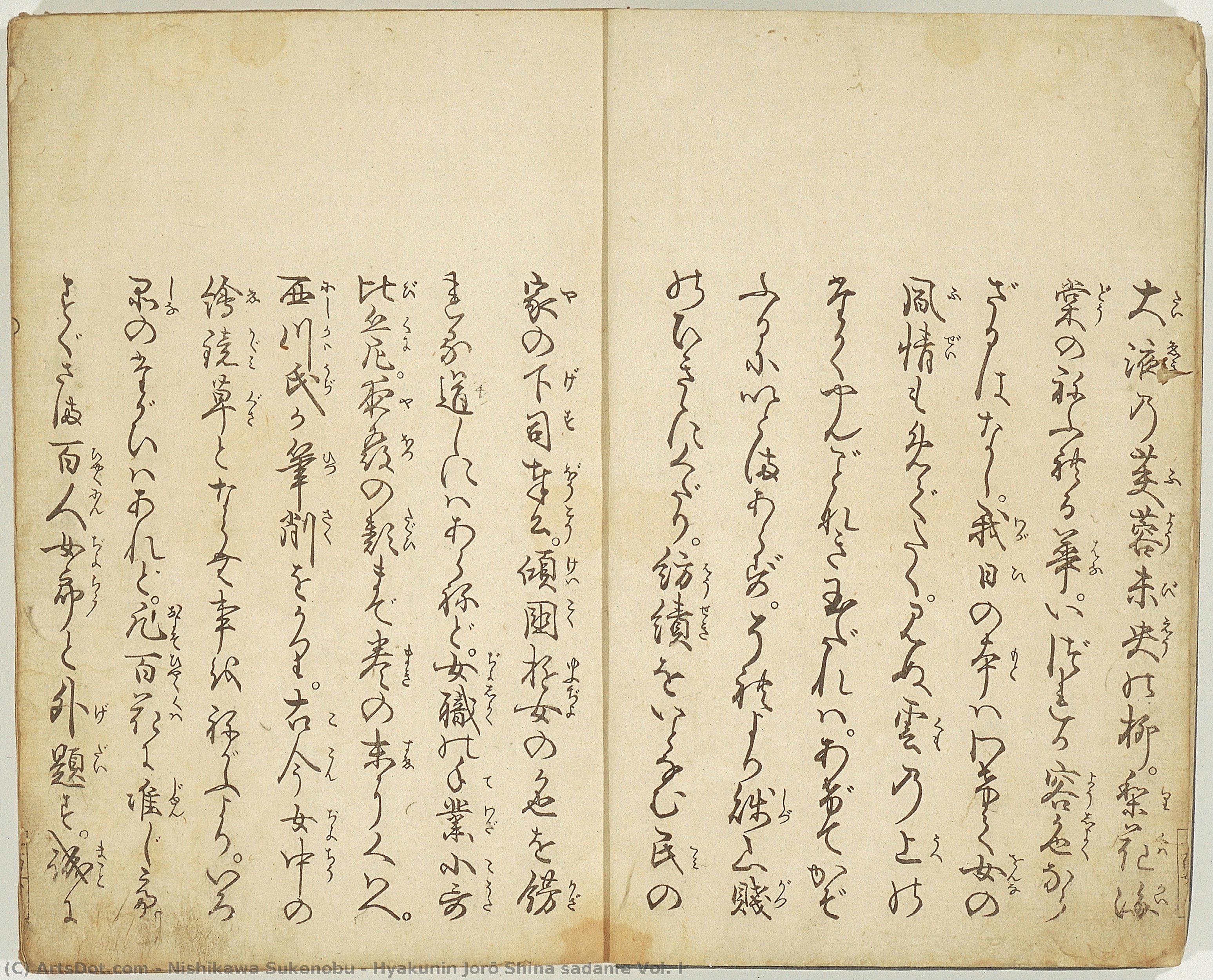
Hyakunin Jorō Shina sadame Vol. I
 Woodblock Print
- Ukiyo-e
 1723
1723- Early Modern
 30.0 x 21.0 cm
 Kyoto Prefectural Library and Archives
 詳細を見る
詳細を見る
オンラインプレビューをはるかに凌ぐ、高解像度で鮮明なデジタル画像をご購入いただけます。
各ファイルは、社内の専門家が高度なツールと熟練した手作業によるレタッチを用いて、細心の注意を払って準備されています。すべての画像において、卓越した鮮明度、正確な色彩再現性、そして繊細なディテールを保証いたします。
最終ファイルは、プロフェッショナルな編集・印刷環境ですぐにご利用いただけるよう最適化された状態で、72時間以内にメールにてお届けいたします。これは、一流のデザインスタジオ、出版社、ギャラリーから信頼されているものと同等の品質です。
デジタル画像のご注文に付随する特典
高品質なデジタル画像配信を、確かな品質で。
ArtsDot.com を選ぶことは、単に画像を手に入れることではありません。それは、プロの手によって精密に仕上げられ、満足保証が付いた高品質なデジタルアートワークを受け取ることを意味します。ご注文いただいた際に自動的に付随する内容は、以下の通りです:

メールですぐにお届け
ご注文から72時間以内に、高解像度のデジタル画像ファイルがメールでお手元に届きます。すぐにそのままご利用いただけます。

AI技術で最適化されたデジタルファイル
お客様の作品は、高度なAIツールと専門家による手作業の編集を組み合わせてプロフェッショナルに最適化されており、細部のディテール、鮮明さ、そして正確な色再現性を最大限に引き出しています。

一生涯無料の再送サービス
ファイルを誤って削除したり、紛失してしまったりしましたか?ご安心ください。いつでも無料で再送いたします。

輸入手数料は一切かかりません
関税や手数料、配送料を気にすることなく、お気に入りのアートワークをすぐにお楽しみいただけます。デジタルダウンロードは常に免税です。

色彩再現の保証
プロ仕様のツールとカラーマネジメント技術を用いることで、デジタル画像が元の色を最大限に忠実に再現することを保証いたします。

60日間満足保証
ご購入いただいたデジタル画像にご満足いただけない場合は、60日以内であれば、修正または100%の返金(理由を問う必要はありません)をさせていただきます。

100% 返金保証
ご満足いただけない場合は、デジタルファイルを受け取ってから60日以内であれば、理由を問わず全額返金いたします。

まとめ買い割引
3枚購入で10%OFF - 5枚購入で15%OFF - 10枚以上購入で20%OFF。クリエイティブなプロジェクト、ギャラリー、エージェンシーに最適です。
作品の詳細
A Window into the Elegance of Kyoto
In the delicate folds of Hyakunin Jorō Shina sadame Vol. I, we encounter more than just an ancient text; we step into the refined atmosphere of early 18th-century Japan. Created in 1723 by the esteemed Kyoto master Nishikawa Sukenability, this work serves as a profound testament to the Ukiyo-e tradition, specifically through the lens of the imperial capital's sophisticated aesthetic. Unlike the more boisterous and energetic prints emerging from Edo, Sukenobu’s artistry is characterized by a quiet, rhythmic grace. The piece captures an intimate moment within a historical manuscript, where the weathered texture of the paper and the rhythmic flow of Japanese calligraphy invite the viewer to contemplate a bygone era of scholarly devotion and artistic precision.
The visual narrative of this work is deeply intertwined with the concept of bijin-ga, or the depiction of beautiful people, though here it manifests through the exquisite design of the book itself. The composition focuses on the tactile reality of history—the warm, sepia tones of aged parchment and the meticulous arrangement of characters that suggest a deep connection to classical Chinese and Japanese literary traditions. Every stroke of the brush reflects Sukenobu’s training under the prestigious Kanō school, blending the grandeur of formal techniques with a sensitive, humanistic touch that makes the ancient text feel vibrantly alive.
Mastery of Line and Timeless Atmosphere
Technically, the work is a masterclass in the use of line and subtle tonal variation. The artist utilizes a delicate hand to guide the eye across the page, creating a sense of movement that mimics the natural flow of reading. For collectors and interior designers, the emotional impact of this piece lies in its ability to evoke nostalgia and tranquility. It does not demand attention through loud colors, but rather commands respect through its understated elegance and the profound sense of peace it radiates. The interplay between the dark ink and the light, aged background creates a soft contrast that is perfect for creating a focal point in a space dedicated to reflection or classical study.
Integrating a high-quality reproduction of such a significant work into a modern interior offers an opportunity to bridge the gap between contemporary living and historical depth. Whether placed in a curated gallery wall or used as a standalone statement piece in a minimalist setting, Hyakunin Jorō Shina sadame Vol. I brings with it the soul of Kyoto. It serves as a reminder of the enduring power of the printed word and the artistry required to transform a simple book into a timeless treasure of Japanese heritage.
関連作品
作家の略歴
Nishikawa Sukenobu: A Kyoto Master of Female Beauty
Nishikawa Sukenobu (西川祐信; 1671 – August 20, 1750), often referred to simply as “sukenobu,” stands apart from many of his contemporaries in the Ukiyo-e movement. Unlike most artists who flocked to Edo (modern Tokyo), sukenobu remained rooted in Kyoto—the imperial capital—a distinction that profoundly shaped his artistic vision and enduring legacy. He wasn’t merely a printmaker; he was a meticulous book designer, capturing the essence of Japanese culture through exquisitely rendered images. His fame rests primarily on his captivating depictions of women, particularly those portraying them in everyday life – a subject rarely explored with such sensitivity and nuance during his era.- Early Life & Training: Sukenobu’s formative years were spent studying painting under the tutelage of prominent masters from two influential schools: Kanō Einō, championing Chinese artistic traditions and techniques emphasizing grandeur and symbolism, and Tosa Mitsusuke, who favored a more humanist approach rooted in Japanese aesthetics. This dual training instilled in him a sophisticated understanding of both Eastern and Western artistic principles.
- Early Works & Style: Sukenobu’s artistic journey commenced around 1699 with book illustrations—a hallmark of his style—demonstrating an early mastery of composition and color palettes. Notably, his signed print “Seven-Volume Shin Kanninki” (“New Patience Story”) exemplifies his distinctive aesthetic: serene landscapes interwoven with graceful figures, reflecting a profound appreciation for natural beauty.
The Hyakunin Joro Series & Its Impact
Sukenobu’s magnum opus—the Hyakunin Joro shinasadame (appreciating 100 women)—published in two volumes in 1723, cemented his reputation as a pioneer in portraying female subjects. This ambitious project aimed to celebrate the diversity of femininity across social strata, ranging from empresses to courtesans. The series’ remarkable success underscored the public's fascination with depictions of women and established sukenobu as a pivotal figure in shaping Ukiyo-e conventions concerning female representation. It showcased his ability to convey emotion and psychological depth—a rare accomplishment for printmakers of his time.- Technique & Aesthetic Considerations: Sukenobu’s technique involved meticulous attention to detail, utilizing subtle gradations of color and masterful brushwork to achieve unparalleled realism. He skillfully employed perspective and shading to create immersive scenes that captured the atmosphere of daily life—a stylistic hallmark distinguishing him from many other artists.
- Influence on Subsequent Artists: Sukenobu’s influence extended far beyond his own lifetime, inspiring subsequent generations of printmakers like Suzuki Harunobu and Kitao Shigemasa. His approach to portraying women – prioritizing psychological realism and capturing the nuances of human emotion—became a cornerstone of Japanese art history.
Notable Paintings & Beyond Printmaking
Beyond his celebrated prints, Sukenobu produced an impressive array of paintings encompassing kimono patterns, samurai portraits, illustrations of classical literature, and landscapes. These works demonstrate his versatility as an artist and underscore his commitment to exploring diverse artistic mediums—a testament to his intellectual curiosity and artistic ambition.- Legacy & Recognition: Nishikawa Sukenobu’s enduring legacy resides in his contribution to Japanese art history, particularly his groundbreaking portrayal of women. His Hyakunin Joro series continues to captivate audiences today, serving as a poignant reflection on the beauty and complexity of human experience.
Concluding Thoughts
Nishikawa Sukenobu’s unwavering dedication to capturing the essence of Japanese culture through his art—particularly his masterful depictions of women—solidifies his position as one of Ukiyo-e's most influential and aesthetically profound figures. His work transcends mere visual representation; it embodies a deep understanding of human psychology and an exquisite appreciation for the subtleties of natural beauty, ensuring his place in the annals of Japanese artistic achievement.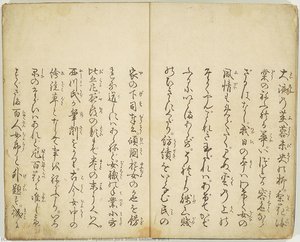
nishikawa sukenobu
1671 - 1750
プロフィール概要
- Artistic Movement Or Style: Ukiyo-e
- Artists Or Movements Influenced By This Artist:
- Suzuki Harunobu
- Kitao Shigemasa
- Artists Who Influenced This Artist:
- Kanō Einō
- Tosa Mitsusuke
- Date Of Death: August 20, 1750
- Full Name: Nishikawa Sukenobu
- Nationality: Japanese
- Notable Artworks:
- Woman and Attendant
- The God Izanagi and Goddess Izanami
- Place Of Birth: Kyoto

