

 プレビュー
プレビュー
 シェアする
シェアする シェアする
シェアする
 詳細を見る
詳細を見る

 ダウンロード
 似ている作品
 X線調査
X線調査 スライドショー
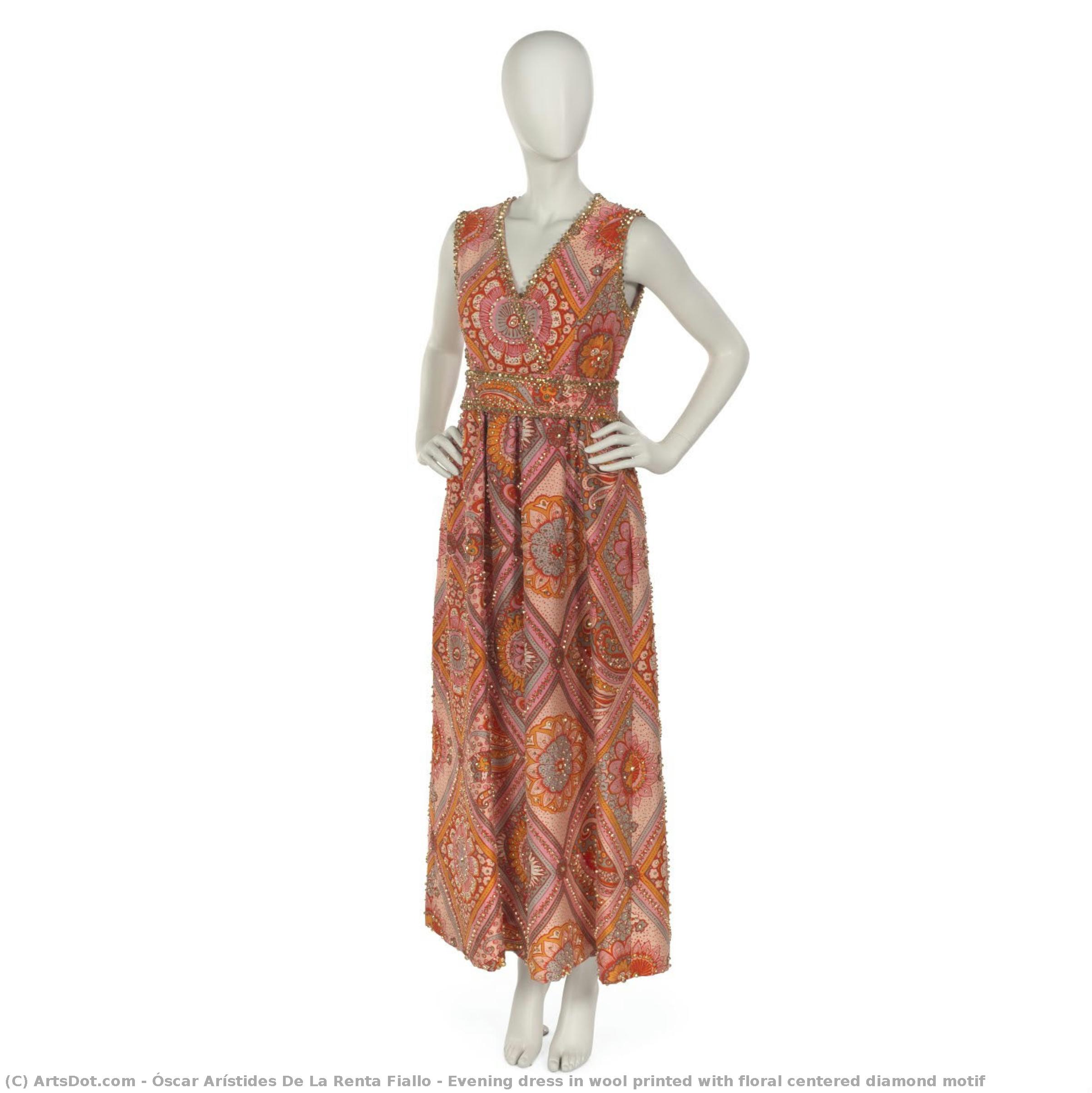
Evening dress in wool printed with floral centered diamond motif


 詳細を見る
詳細を見る
ジークレー/アートプリント
迅速な制作と多彩な仕上げオプションを備えた、ミュージアムクオリティのジークレーまたはキャンバスプリント。 ( 手描きの絵画を購入 画像を購入)




P118B $10

P118H $10

P118W $10

P438Z $10

P508JH $12

P508YH $12

P805H $10

P805Z $10

P919BZ $10

P919G $10

P919XJ $10

P959ZH $10

P968JZ $12

W106C $8

W218G $10

W218JH $8

W218Y $10

W307PJ $10

W316G $10

W316PJ $8

W316Y $10

W398PJ $8

W4111J $10

W500HY $15

W500JH $15

W692G $12

W849H $8

W940BG $15

W953PJ $8




作品のオリジナル比率に合わせた、当店の規定サイズからお選びください。

特定のフレームやスペースに合わせて、ご自身でサイズを指定することも可能です。選択されたサイズが元の画像の比率と一致しない場合、作品をトリミングするか、鏡面反射または単色での塗りつぶしによって画像を拡張いたします。制作を開始する前に、ご確認用のデジタルモックアップをお送りいたします。
画面上のプレビューには、実際のトリミングや拡張は反映されませんのでご注意ください。最終的な構図を正確に確認できるのは、モックアップのみとなります。
カスタムサイズも承っておりますが、元の比率を維持するためには、あらかじめ用意されたリストからサイズを選択することをお勧めいたします。


 ガラスオプションは、110cm未満のサイズでのみご利用いただけます。

Evening dress in wool printed with floral centered diamond motif
ジークレー/アートプリント
複製画のサイズ
-


合計金額
$ 62
A Glimpse into the Glamour of 1969: De La Renta’s Floral Embrace
Oscar de la Renta's "Evening dress in wool printed with floral centered diamond motif" isn’t merely a garment; it’s a captured moment of mid-century elegance, a testament to the designer’s mastery of color and pattern. Created in 1969, this piece embodies the optimistic spirit of the late 1960s – a time of burgeoning social change alongside an enduring fascination with luxury and refined style. The dress speaks volumes about the era's embrace of bold florals, intricate detailing, and a distinctly feminine silhouette, all rendered in a luxurious wool fabric that whispers of quality and sophistication.
The design itself is immediately striking. A large floral motif, centered within a diamond shape, dominates the fabric – a sophisticated arrangement of pink, orange, grey, and red hues punctuated by touches of gold. This isn’t a simple, repetitive pattern; instead, it feels meticulously crafted, each petal and curve rendered with careful attention to detail. The diamond structure provides a formal counterpoint to the exuberance of the floral design, creating a visual tension that elevates the piece beyond mere decoration. The use of these specific colors – the blush pinks and oranges evoking a sense of warmth and romance, while the greys and reds add depth and intrigue – suggests an awareness of color theory and a desire to create a visually harmonious whole.
Craftsmanship and Technique: A Symphony of Detail
The dress’s construction reveals a remarkable level of skill. The full-length design, fitted bodice, and surplice neckline are hallmarks of classic couture, indicative of the meticulous tailoring that defined de la Renta's work. The high waistline with self-fabric belt cinches the figure beautifully, emphasizing the wearer’s form while adding a touch of understated elegance. The straight skirt, gathered at the waist, ensures a flattering drape and allows for graceful movement. Crucially, the gold tone nailheads outlining the print aren't just decorative; they add a subtle textural element, enhancing the tactile quality of the fabric and drawing attention to the intricate pattern.
The choice of wool as the primary material is significant. Wool’s inherent drape and luxurious feel were highly prized by designers during this period, lending itself perfectly to creating flowing silhouettes and rich textures. The use of a printed wool technique – likely block printing or screen printing – demonstrates a commitment to handcrafted detail, a counterpoint to the increasing prevalence of mass-produced fabrics in the fashion industry at the time. The pale pink silk lining further elevates the dress, providing both comfort and a subtle hint of opulence.
A Reflection of an Era: De La Renta and the 1960s
Oscar de la Renta’s rise to prominence coincided with a period of significant social and cultural shifts. The 1960s were marked by a loosening of traditional norms, a growing emphasis on individual expression, and an explosion of creativity in all fields – including fashion. De la Renta skillfully captured this spirit, creating designs that were both elegant and playful, sophisticated and daring. His work for Jacqueline Kennedy, in particular, cemented his reputation as a designer of impeccable taste and timeless style.
The dress’s label—featuring the names Oscar de la Renta, Martha, New York, Palm Beach, Miami Beach, Union Made / ILGWU / AFL-CIO / Int Ladies Garment Workers Union—provides valuable context. It highlights the garment's production within a unionized environment, reflecting the labor practices of the time and emphasizing its quality and craftsmanship. The inclusion of “Made in USA” underscores the dress’s origins and adds to its appeal for collectors and enthusiasts.
Beyond Reproduction: Capturing the Essence
Reproductions strive to replicate the original's beauty, but they can never fully capture the spirit of a garment that has witnessed decades of history. This particular piece represents more than just fashion; it’s a tangible link to a specific time and place – a moment when glamour, artistry, and social change converged in the world of high fashion. When commissioning a reproduction, consider not only the visual accuracy but also the opportunity to own a piece that embodies the elegance and sophistication of an iconic designer.
関連作品
アーティストの略歴
Early Life and Education
- Born: Viriato Alberto Fiallo Rodríguez, 28 October 1895
- Family Background: Son of Alberto Fiallo Cabral and Ramona Rodríguez Germes. Descendant of Fidel Rodríguez Urdaneta, a key figure in the 1876 Dominican junta.
- Early Education: Details scarce but likely received standard education for his social class in Santo Domingo.
Professional Career as Physician and Civic Leader
- Medical Practice: Initially worked as a physician, notably associated with the Vicini family's sugar mills. This provided him exposure to business and political circles.
- Dominican-German Committee: Chaired this committee, indicating early involvement in international relations and cultural exchange.
- Opposition to Trujillo: Became a prominent voice against Rafael Trujillo’s dictatorship. Faced repeated imprisonment for his outspoken criticism. His courage and unwavering commitment earned him respect among the Dominican people.
Founding of the National Civic Union (UCN)
- Post-Trujillo Era: Following Trujillo's assassination in 1961, Fiallo founded the UCN, a nonpartisan movement aimed at dismantling Trujillo’s legacy and excluding his associates from power.
- Transformation into Political Party: The UCN evolved into a political party with the goal of participating in the 1962 presidential elections.
- Presidential Candidacy (1962): Viriato Fiallo ran for President, launching an unprecedented campaign that mobilized widespread public interest and activism. His campaign was marked by its focus on democratic principles and social justice.
Personal Life and Family
- Marriage: Married his cousin Prudencia Fiallo Lluberes in 1920.
- Children: Two children, Fabio Alberto & Rafael Arístides Fiallo Fiallo.
- Family Connections: Cousin of the renowned fashion designer Óscar de la Renta Fiallo. This highlights his connection to a prominent Dominican family known for its contributions in various fields.
Legacy and Historical Significance
- Symbol of Opposition: Viriato Fiallo is remembered as a courageous opponent of Trujillo’s dictatorship, representing the spirit of resistance against authoritarian rule.
- Advocate for Democracy: His founding of the UCN and his presidential campaign demonstrated his commitment to democratic principles and social justice in the Dominican Republic.
- Inspiring Figure: He inspired a generation of Dominicans to participate in political activism and fight for a more equitable society. His legacy continues to inspire those who strive for democracy and human rights.
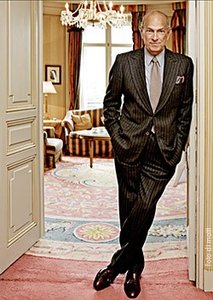
óscar arístides de la renta fiallo
1932 - 2014 , Dominican Republic
基本情報
- Date Of Birth: 28 October 1895
- Date Of Death: 4 October 1983
- Full Name: Viriato Alberto Fiallo Rodríguez
- Nationality: Dominican
- Place Of Birth: Dominican Republic
関連記事

ゴヤ傑作25選:スペインの魂を揺さぶる、深遠な芸術の世界 | ArtsDot
ゴヤ傑作25選:ロマン主義を代表するスペインの巨匠、フランシスコ・デ・ゴヤの世界へ。黒衣の女からマハまで、魂を揺さぶる絵画の物語と技法を紐解きます。ArtsDotで高品質なアートレプリカを見つけ、インテリアに深みと風格を。今すぐコレクションをご覧ください。
Águeda Ruiz de la Prada: A Study of Eclecticism & Emotional Resonance in Contemporary Spanish Painting
Discover the vibrant world of Ágatha Ruiz de la Prada, a leading figure in contemporary Spanish art. Explore her eclectic style, emotional depth & legacy – a must-read for discerning collectors.
Maurice Quentin de La Tour: Light, Shadow & the Rococo Portrait
Explore the captivating world of Maurice Quentin de La Tour, a master of Rococo portraiture. Discover his innovative pastel techniques, intimate depictions of French aristocracy, and lasting artistic legacy. Learn more at ArtsDot.

About Us
Discover our story! We bring world-class art into your life through expert curation, personalized creations, and free previews. Trusted by individuals and businesses since 2000.
Georges de La Tour: Luminosity, Spirituality & Realism in Baroque Painting
Discover the captivating world of Georges de La Tour, a Baroque master renowned for his dramatic chiaroscuro & spiritual realism. Explore key works, influences, and his remarkable rediscovery. Learn more at ArtsDot.

