


 プレビュー
プレビュー
 プリントを購入
 シェアする
シェアする シェアする
シェアする
 詳細を見る
詳細を見る

 ダウンロード
 似ている作品
 X線調査
X線調査 スライドショー
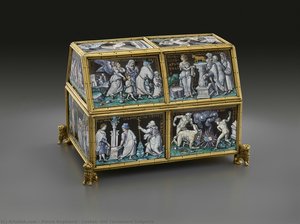
Casket: Scenes from the Story of Joseph


 詳細を見る
詳細を見る
オンラインプレビューをはるかに凌ぐ、高解像度で鮮明なデジタル画像をご購入いただけます。
各ファイルは、社内の専門家が高度なツールと熟練した手作業によるレタッチを用いて、細心の注意を払って準備されています。すべての画像において、卓越した鮮明度、正確な色彩再現性、そして繊細なディテールを保証いたします。
最終ファイルは、プロフェッショナルな編集・印刷環境ですぐにご利用いただけるよう最適化された状態で、72時間以内にメールにてお届けいたします。これは、一流のデザインスタジオ、出版社、ギャラリーから信頼されているものと同等の品質です。
デジタル画像のご注文に付随する特典
高品質なデジタル画像配信を、確かな品質で。
ArtsDot.com を選ぶことは、単に画像を手に入れることではありません。それは、プロの手によって精密に仕上げられ、満足保証が付いた高品質なデジタルアートワークを受け取ることを意味します。ご注文いただいた際に自動的に付随する内容は、以下の通りです:

メールですぐにお届け
ご注文から72時間以内に、高解像度のデジタル画像ファイルがメールでお手元に届きます。すぐにそのままご利用いただけます。

AI技術で最適化されたデジタルファイル
お客様の作品は、高度なAIツールと専門家による手作業の編集を組み合わせてプロフェッショナルに最適化されており、細部のディテール、鮮明さ、そして正確な色再現性を最大限に引き出しています。

一生涯無料の再送サービス
ファイルを誤って削除したり、紛失してしまったりしましたか?ご安心ください。いつでも無料で再送いたします。

輸入手数料は一切かかりません
関税や手数料、配送料を気にすることなく、お気に入りのアートワークをすぐにお楽しみいただけます。デジタルダウンロードは常に免税です。

色彩再現の保証
プロ仕様のツールとカラーマネジメント技術を用いることで、デジタル画像が元の色を最大限に忠実に再現することを保証いたします。

60日間満足保証
ご購入いただいたデジタル画像にご満足いただけない場合は、60日以内であれば、修正または100%の返金(理由を問う必要はありません)をさせていただきます。

100% 返金保証
ご満足いただけない場合は、デジタルファイルを受け取ってから60日以内であれば、理由を問わず全額返金いたします。

まとめ買い割引
3枚購入で10%OFF - 5枚購入で15%OFF - 10枚以上購入で20%OFF。クリエイティブなプロジェクト、ギャラリー、エージェンシーに最適です。
作品の詳細
関連作品



作家の略歴
Pierre Courteys: A Master of French Mannerism
Pierre Courteys (c. 1520 – c. 1602) stands as a significant, yet often overlooked, figure in the rich tapestry of 16th-century French art. Primarily known for his exquisite enamel work and meticulously rendered religious scenes and portraits, Courteys’s legacy resides within the vibrant world of Mannerism, a style characterized by its dramatic compositions, elongated figures, and sophisticated use of color – elements that profoundly shaped the artistic landscape of France during this period. While overshadowed by some of his contemporaries, Courteys's contributions to French art are undeniable, offering a glimpse into the refined artistry flourishing within the workshops of Limoges.
Born around 1520, little is definitively known about Courteys’s early life and artistic training. He was likely apprenticed to Pierre Reymond, one of the most celebrated enamel painters of his time in Limoges, a city renowned for its prestigious enamel workshops. Reymond's influence is evident in Courteys’s style – particularly in his masterful use of color and intricate detailing. The practice of attributing work to master artisans during this era was common; pieces bearing Reymond’s initials were frequently produced by his disciples, including Courteys. This collaborative nature highlights the importance of workshops and apprenticeships within the artistic community.
A Life Dedicated to Enamel
Courteys dedicated his career almost entirely to the art of enamel painting. This specialized craft involved applying thin layers of colored glass to metal, creating shimmering surfaces that were both durable and visually stunning. The process was incredibly demanding, requiring immense skill, patience, and a deep understanding of materials. Courteys’s work extended beyond simple decorative pieces; he produced elaborate medallions for the façade of the Château de Madrid in Paris, commissioned by Francis I and Henry II. These monumental works – nine of which are now housed in the Hôtel de Cluny – demonstrate his ability to execute large-scale projects with exceptional precision and artistic flair.
His output included a diverse range of subjects, primarily focused on religious themes and portraits. The “Adoration of Psyche” (circa 1568), now part of the collection at the Louvre, exemplifies his dramatic style – figures are rendered with elongated limbs and expressive gestures, conveying intense emotion and spiritual fervor. Similarly, his depictions of biblical scenes showcase a sophisticated understanding of composition and color theory, creating visually arresting images that were highly sought after by wealthy patrons.
The Influence of Mannerism
Courteys’s work is firmly rooted in the principles of Mannerism, a style that emerged in Italy during the High Renaissance and spread throughout Europe. Mannerist artists rejected the idealized forms and harmonious compositions of their predecessors, favoring instead dynamic poses, distorted perspectives, and an emphasis on elegance and sophistication. Courteys embraced these stylistic elements wholeheartedly, incorporating them into his own distinctive visual language.
Key characteristics of Courteys’s Mannerist style include: a heightened sense of drama; the use of artificial colors to create vibrant effects; elongated figures with exaggerated proportions; and an overall atmosphere of tension and emotional intensity. His compositions often feature complex arrangements of figures, creating a sense of movement and dynamism. The influence of Pierre Reymond is also apparent in Courteys’s work, particularly in his meticulous attention to detail and his masterful use of color.
Legacy and Historical Significance
Despite the relative obscurity surrounding his life, Pierre Courteys remains an important figure in French art history. His enamel paintings are prized for their technical brilliance, expressive power, and exquisite beauty. They provide valuable insights into the artistic practices of Limoges during the 16th century and demonstrate the enduring appeal of Mannerist aesthetics. His work is a testament to the skill and artistry of the artisans who worked in France’s renowned enamel workshops.
Courteys's contribution lies not only in his individual works but also in his role as a key figure within the Limoges enamel workshop system, where artistic innovation and collaboration thrived. His legacy continues to inspire artists today, reminding us of the power of color, form, and emotion in creating truly memorable art.
pierre courteys
1520 - 1591
プロフィール概要
- Artistic Movement Or Style: Mannerism
- Artists Who Influenced This Artist: ['Pierre Reymond']
- Date Of Birth: 1520
- Date Of Death: 1591
- Full Name: Pierre Courteys
- Nationality: French
- Notable Artworks:
- Adoration of Psyche
- Seven Sorrows of Mary
- Fall of Troy
- Place Of Birth: Limoges, France

