

 プレビュー
プレビュー
 プリントを購入
 シェアする
シェアする シェアする
シェアする
 詳細を見る
詳細を見る

 ダウンロード
 似ている作品
 X線調査
X線調査 スライドショー
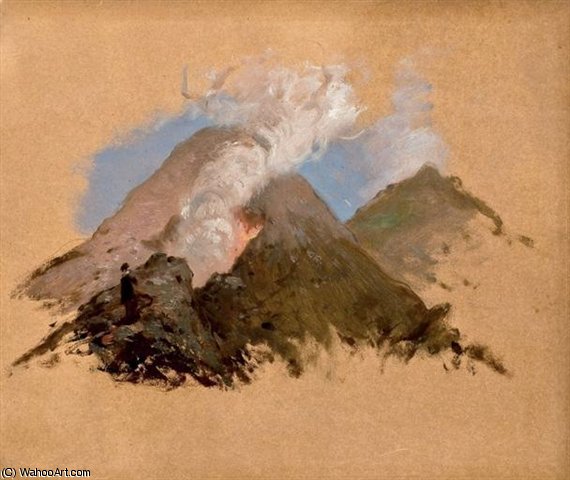
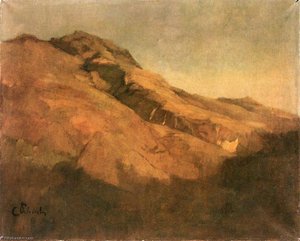
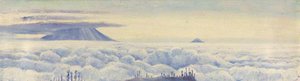
Etude De Volcan

 詳細を見る
詳細を見る




P118B $10

P118H $10

P118W $10

P438Z $10

P508JH $12

P508YH $12

P805H $10

P805Z $10

P919BZ $10

P919G $10

P919XJ $10

P959ZH $10

P968JZ $12

W106C $8

W218G $10

W218JH $8

W218Y $10

W307PJ $10

W316G $10

W316PJ $8

W316Y $10

W398PJ $8

W4111J $10

W500HY $15

W500JH $15

W692G $12

W849H $8

W940BG $15

W953PJ $8




作品のオリジナル比率に合わせた、当店の規定サイズからお選びください。

特定のフレームやスペースに合わせて、ご希望のサイズをご入力いただけます。選択されたサイズが元の画像の比率と異なる場合、アートワークをトリミングするか、手描きで要素を追加して絵画を拡張いたします。デジタルモックアップ を制作し、制作開始前にご確認(承認)をいただきます。
画面上のプレビューは、実際のトリミングや拡張を正確に反映しているものではありません。最終的な構図は、モックアップによってのみ正確にご確認いただけます。
カスタムサイズもご利用いただけますが、元の比率を維持するためには、あらかじめ用意されたリストからサイズを選択することをお勧めいたします。
ご注文後、ArtsDot.com チームより詳細な指示をお送りするとともに、仕上がりイメージ(モックアップ)をご提供いたします。


 ガラスオプションは、110cm未満のサイズでのみご利用いただけます。

Etude De Volcan
複製技法
複製画のサイズ
-


合計金額
$ 263
関連作品

アーティストの略歴
Pierre Olivier Joseph Coomans: A Belgian Painter of Worlds
Born in Brussels in 1816, Pierre Olivier Joseph Coomans emerged as a significant figure in 19th-century European art, renowned for his evocative historical scenes, captivating Orientalist depictions inspired by Algeria, and exquisitely rendered Neo-Pompeian genre paintings. His life was marked by both artistic triumph and personal tragedy, shaping the unique trajectory of his oeuvre. Coomans’s work reflects a deep engagement with classical antiquity, military history, and the exotic allure of North Africa – themes he masterfully interwoven to create images that continue to resonate with viewers today.
Early influences were rooted in traditional academic training. He began his artistic journey under Pieter van Hanselaere in Ghent, quickly demonstrating a remarkable talent for draftsmanship, evidenced by his early exhibition piece, “A Young Greek Shepherd.” Further studies at the Antwerp Academy solidified his technical skills, preparing him to tackle ambitious historical subjects and complex compositions. Coomans’s artistic development was significantly shaped by the tutelage of esteemed artists like Nicaise de Keyser and Gustave Wappers, masters known for their romantic interpretations of history and classical themes. These influences instilled in him a meticulous approach to detail, a strong sense of narrative, and an appreciation for dramatic lighting – qualities that would become hallmarks of his distinctive style.
The Algerian Years: Orientalism and Military Service
A pivotal moment in Coomans’s artistic life arrived in 1843 when he was commissioned by Queen Louise-Marie of Orleans to accompany the French army in Algeria. This marked a profound shift, introducing him to the vibrant culture and landscapes of North Africa – an experience that would irrevocably alter his artistic vision. Attached to Marshal Thomas-Robert Bugeaud’s General Staff, Coomans immersed himself in the realities of military life, meticulously documenting battles, tribal customs, and the daily routines of soldiers. He wasn't merely a recorder; he actively sought to capture the essence of this world, producing a series of paintings that offered a nuanced perspective beyond simplistic stereotypes.
These Algerian years yielded some of his most celebrated works – “The Deluge,” “Landscape in the Province of Constantine,” “Emigration of Arab Tribes,” and numerous portraits of Arab figures and scenes of military life. He was deeply influenced by Horace Vernet, a contemporary military painter who had already established a reputation for capturing the drama and intensity of warfare. Coomans’s paintings are characterized by their rich color palettes, dynamic compositions, and meticulous attention to detail – reflecting his desire to authentically portray the sights and sounds of Algeria. His work during this period demonstrated an early embrace of Orientalism, a trend that would become increasingly prominent in 19th-century European art.
Pompeii and the Neo-Pompeian Style
Following his time in Algeria, Coomans’s artistic focus shifted to the ancient city of Pompeii. The excavations underway at Herculaneum and Pompeii in the mid-1850s ignited a fascination with this lost Roman world, inspiring artists across Europe to explore its ruins and recreate scenes from daily life. Coomans, along with artists like Jean-Léon Gérôme, became deeply immersed in this trend, developing what came to be known as the Neo-Pompeian style. This style was characterized by a meticulous attention to detail, a focus on recreating the atmosphere of ancient Rome, and an emphasis on portraying intimate scenes of everyday life – often with a romantic or idealized quality.
His time in Italy and Palestine led to his fascination with the ruins of Pompeii. He married Adélaïde Lacroix in Albania in 1856 and the couple moved to Naples where they lived until 1860. There, he was profoundly influenced by the archaeological discoveries, leading him to create a series of genre paintings depicting scenes from ancient Rome – a style that became his most enduring legacy. These works are notable for their meticulous realism, evocative lighting, and subtle emotional depth. His depictions of Roman families, merchants, and artisans offer a glimpse into the lives of people who lived centuries before, imbued with a sense of timeless beauty and melancholy.
Later Years and Legacy
Coomans continued to paint throughout his life, producing works in both historical and Neo-Pompeian styles. He established a studio in Paris and exhibited regularly at the Salon, achieving considerable international recognition. His paintings were highly sought after by European collectors, contributing to his financial success and allowing him to build a lavish Pompeian villa near Paris – a testament to his passion for the ancient world. Despite personal tragedies—the loss of his wife and son—Coomans remained dedicated to his art until his death in 1889.
Pierre Olivier Joseph Coomans’s artistic legacy extends beyond his individual works. He played a significant role in popularizing the Neo-Pompeian style, influencing generations of artists with his meticulous technique and evocative depictions of ancient Rome. His paintings continue to be admired for their beauty, historical accuracy, and emotional resonance – offering a captivating window into a bygone era.
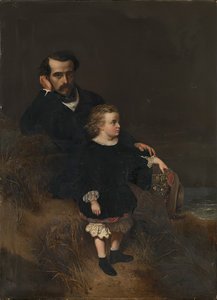
pierre olivier joseph coomans
1816 - 1889
基本情報
- Artistic Movement Or Style: Neo-Pompeian, Academic
- Artists Or Movements Influenced By This Artist:
- Horace Vernet
- Neo-Pompeianism
- Artists Who Influenced This Artist:
- Pieter van Hanselaere
- Nicaise de Keyser
- Gustave Wappers
- Date Of Birth: June 28, 1816
- Date Of Death: December 31, 1889
- Full Name: Pierre Olivier Joseph Coomans
- Nationality: Belgian
- Notable Artworks:
- Attila's Last Charge
- The Harp Player
- Her Favorite Pet
- Odalisque
- Place Of Birth: Brussels, Belgium
関連記事

Oil on Canvas: A Historical & Technical Exploration of a Timeless Artistic Medium
Explore the rich history & enduring techniques of oil painting on canvas. Discover the science behind its longevity, conservation practices, and contemporary relevance. Expert insights for art enthusiasts.

The Enduring Legacy of Oil on Canvas: Technique, History & Aesthetic Impact
Explore the rich history & techniques of oil painting – from Renaissance masters to Impressionism. Discover pigments, layering methods, and why this timeless medium endures. Expert insights for artists & art enthusiasts.

油彩のキャンバス:技法、歴史、そして現代の実践 - 古典美術愛好家へ
油彩の技法、歴史、巨匠たちの秘密を徹底解説。古典美術愛好家向けに、初期フランドル絵画から現代の実践まで深く掘り下げます。ArtsDotで高品質な複製画やカスタムオーダーも承ります。
Oil on Canvas Masters: 10 Paintings That Redefined Art History |
Journey through art history with our guide to 10 legendary oil on canvas masterpieces! Explore iconic works by Van Gogh, Monet & Rembrandt. Find museum-quality reproductions and elevate your home decor at . Discover all masterpieces online.

The Enduring Power of Painting: A Historical & Contemporary Exploration of Form and Emotion
Explore the rich history & enduring techniques of oil painting with ArtsDot. Discover masterpieces, learn about art collecting, and find authentic handmade reproductions crafted by skilled artists.

