

 プレビュー
プレビュー
 プリントを購入
 シェアする
シェアする シェアする
シェアする
 詳細を見る
詳細を見る

 ダウンロード
 似ている作品
 X線調査
X線調査 スライドショー
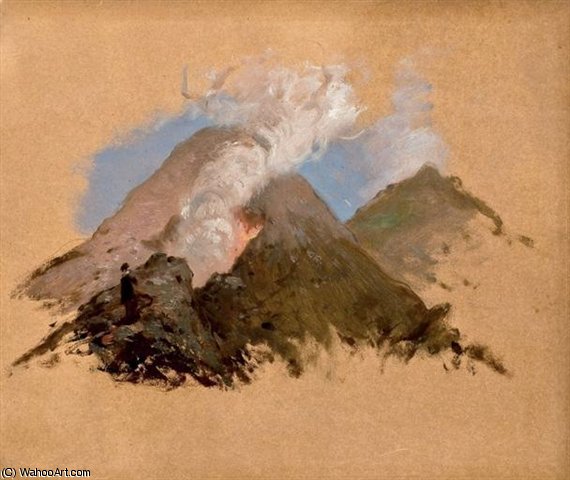
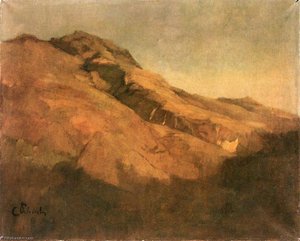
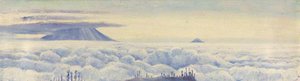
Etude De Volcan

 詳細を見る
詳細を見る
オンラインプレビューをはるかに凌ぐ、高解像度で鮮明なデジタル画像をご購入いただけます。
各ファイルは、社内の専門家が高度なツールと熟練した手作業によるレタッチを用いて、細心の注意を払って準備されています。すべての画像において、卓越した鮮明度、正確な色彩再現性、そして繊細なディテールを保証いたします。
最終ファイルは、プロフェッショナルな編集・印刷環境ですぐにご利用いただけるよう最適化された状態で、72時間以内にメールにてお届けいたします。これは、一流のデザインスタジオ、出版社、ギャラリーから信頼されているものと同等の品質です。
デジタル画像のご注文に付随する特典
高品質なデジタル画像配信を、確かな品質で。
ArtsDot.com を選ぶことは、単に画像を手に入れることではありません。それは、プロの手によって精密に仕上げられ、満足保証が付いた高品質なデジタルアートワークを受け取ることを意味します。ご注文いただいた際に自動的に付随する内容は、以下の通りです:

メールですぐにお届け
ご注文から72時間以内に、高解像度のデジタル画像ファイルがメールでお手元に届きます。すぐにそのままご利用いただけます。

AI技術で最適化されたデジタルファイル
お客様の作品は、高度なAIツールと専門家による手作業の編集を組み合わせてプロフェッショナルに最適化されており、細部のディテール、鮮明さ、そして正確な色再現性を最大限に引き出しています。

一生涯無料の再送サービス
ファイルを誤って削除したり、紛失してしまったりしましたか?ご安心ください。いつでも無料で再送いたします。

輸入手数料は一切かかりません
関税や手数料、配送料を気にすることなく、お気に入りのアートワークをすぐにお楽しみいただけます。デジタルダウンロードは常に免税です。

色彩再現の保証
プロ仕様のツールとカラーマネジメント技術を用いることで、デジタル画像が元の色を最大限に忠実に再現することを保証いたします。

60日間満足保証
ご購入いただいたデジタル画像にご満足いただけない場合は、60日以内であれば、修正または100%の返金(理由を問う必要はありません)をさせていただきます。

100% 返金保証
ご満足いただけない場合は、デジタルファイルを受け取ってから60日以内であれば、理由を問わず全額返金いたします。

まとめ買い割引
3枚購入で10%OFF - 5枚購入で15%OFF - 10枚以上購入で20%OFF。クリエイティブなプロジェクト、ギャラリー、エージェンシーに最適です。
関連作品

作家の略歴
Pierre Olivier Joseph Coomans: A Belgian Painter of Worlds
Born in Brussels in 1816, Pierre Olivier Joseph Coomans emerged as a significant figure in 19th-century European art, renowned for his evocative historical scenes, captivating Orientalist depictions inspired by Algeria, and exquisitely rendered Neo-Pompeian genre paintings. His life was marked by both artistic triumph and personal tragedy, shaping the unique trajectory of his oeuvre. Coomans’s work reflects a deep engagement with classical antiquity, military history, and the exotic allure of North Africa – themes he masterfully interwoven to create images that continue to resonate with viewers today.
Early influences were rooted in traditional academic training. He began his artistic journey under Pieter van Hanselaere in Ghent, quickly demonstrating a remarkable talent for draftsmanship, evidenced by his early exhibition piece, “A Young Greek Shepherd.” Further studies at the Antwerp Academy solidified his technical skills, preparing him to tackle ambitious historical subjects and complex compositions. Coomans’s artistic development was significantly shaped by the tutelage of esteemed artists like Nicaise de Keyser and Gustave Wappers, masters known for their romantic interpretations of history and classical themes. These influences instilled in him a meticulous approach to detail, a strong sense of narrative, and an appreciation for dramatic lighting – qualities that would become hallmarks of his distinctive style.
The Algerian Years: Orientalism and Military Service
A pivotal moment in Coomans’s artistic life arrived in 1843 when he was commissioned by Queen Louise-Marie of Orleans to accompany the French army in Algeria. This marked a profound shift, introducing him to the vibrant culture and landscapes of North Africa – an experience that would irrevocably alter his artistic vision. Attached to Marshal Thomas-Robert Bugeaud’s General Staff, Coomans immersed himself in the realities of military life, meticulously documenting battles, tribal customs, and the daily routines of soldiers. He wasn't merely a recorder; he actively sought to capture the essence of this world, producing a series of paintings that offered a nuanced perspective beyond simplistic stereotypes.
These Algerian years yielded some of his most celebrated works – “The Deluge,” “Landscape in the Province of Constantine,” “Emigration of Arab Tribes,” and numerous portraits of Arab figures and scenes of military life. He was deeply influenced by Horace Vernet, a contemporary military painter who had already established a reputation for capturing the drama and intensity of warfare. Coomans’s paintings are characterized by their rich color palettes, dynamic compositions, and meticulous attention to detail – reflecting his desire to authentically portray the sights and sounds of Algeria. His work during this period demonstrated an early embrace of Orientalism, a trend that would become increasingly prominent in 19th-century European art.
Pompeii and the Neo-Pompeian Style
Following his time in Algeria, Coomans’s artistic focus shifted to the ancient city of Pompeii. The excavations underway at Herculaneum and Pompeii in the mid-1850s ignited a fascination with this lost Roman world, inspiring artists across Europe to explore its ruins and recreate scenes from daily life. Coomans, along with artists like Jean-Léon Gérôme, became deeply immersed in this trend, developing what came to be known as the Neo-Pompeian style. This style was characterized by a meticulous attention to detail, a focus on recreating the atmosphere of ancient Rome, and an emphasis on portraying intimate scenes of everyday life – often with a romantic or idealized quality.
His time in Italy and Palestine led to his fascination with the ruins of Pompeii. He married Adélaïde Lacroix in Albania in 1856 and the couple moved to Naples where they lived until 1860. There, he was profoundly influenced by the archaeological discoveries, leading him to create a series of genre paintings depicting scenes from ancient Rome – a style that became his most enduring legacy. These works are notable for their meticulous realism, evocative lighting, and subtle emotional depth. His depictions of Roman families, merchants, and artisans offer a glimpse into the lives of people who lived centuries before, imbued with a sense of timeless beauty and melancholy.
Later Years and Legacy
Coomans continued to paint throughout his life, producing works in both historical and Neo-Pompeian styles. He established a studio in Paris and exhibited regularly at the Salon, achieving considerable international recognition. His paintings were highly sought after by European collectors, contributing to his financial success and allowing him to build a lavish Pompeian villa near Paris – a testament to his passion for the ancient world. Despite personal tragedies—the loss of his wife and son—Coomans remained dedicated to his art until his death in 1889.
Pierre Olivier Joseph Coomans’s artistic legacy extends beyond his individual works. He played a significant role in popularizing the Neo-Pompeian style, influencing generations of artists with his meticulous technique and evocative depictions of ancient Rome. His paintings continue to be admired for their beauty, historical accuracy, and emotional resonance – offering a captivating window into a bygone era.
pierre olivier joseph coomans
1816 - 1889
プロフィール概要
- Artistic Movement Or Style: Neo-Pompeian, Academic
- Artists Or Movements Influenced By This Artist:
- Horace Vernet
- Neo-Pompeianism
- Artists Who Influenced This Artist:
- Pieter van Hanselaere
- Nicaise de Keyser
- Gustave Wappers
- Date Of Birth: June 28, 1816
- Date Of Death: December 31, 1889
- Full Name: Pierre Olivier Joseph Coomans
- Nationality: Belgian
- Notable Artworks:
- Attila's Last Charge
- The Harp Player
- Her Favorite Pet
- Odalisque
- Place Of Birth: Brussels, Belgium

