

 プレビュー
プレビュー
 シェアする
シェアする シェアする
シェアする
 詳細を見る
詳細を見る

 ダウンロード
 似ている作品
 X線調査
X線調査 スライドショー
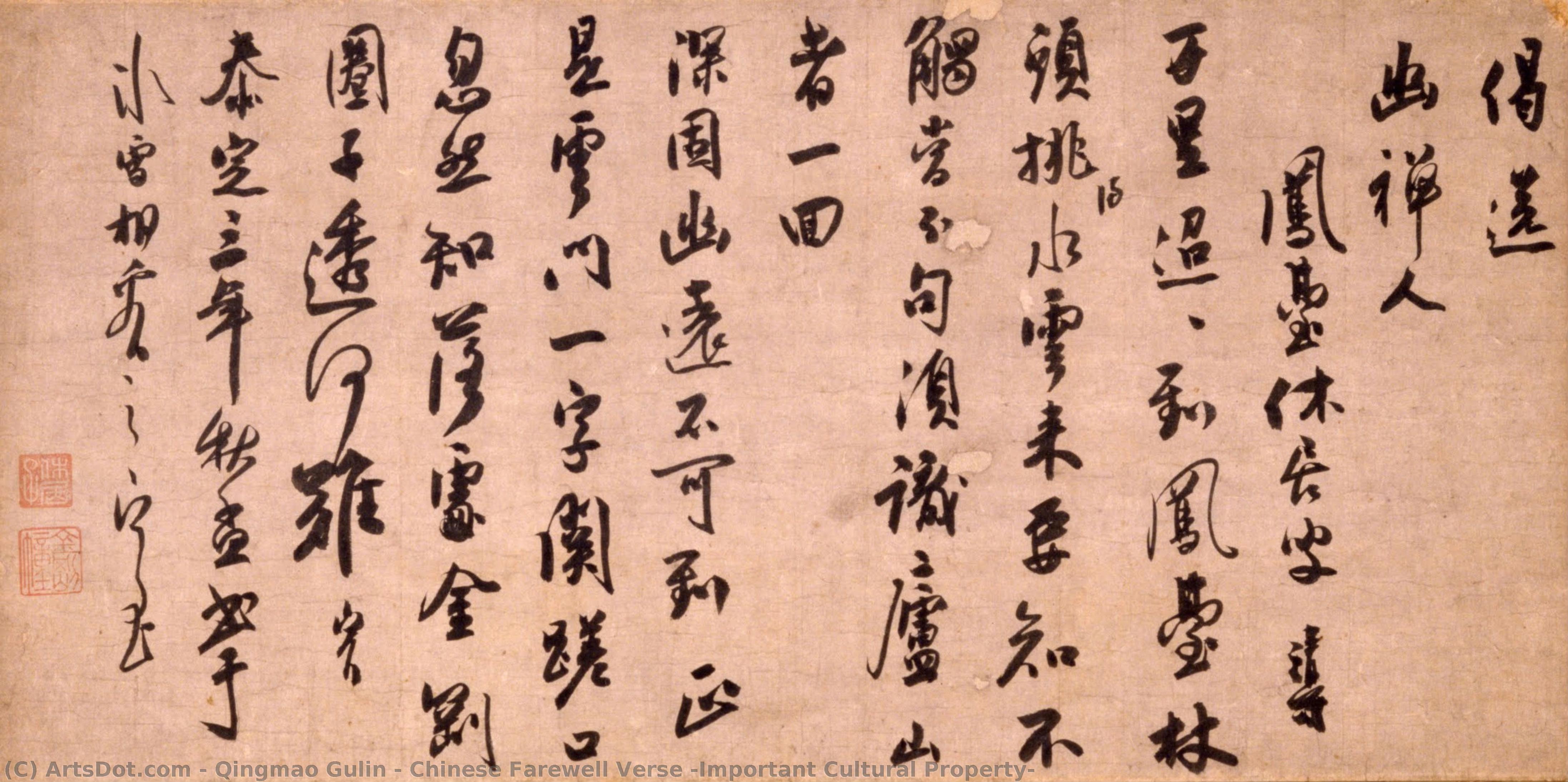
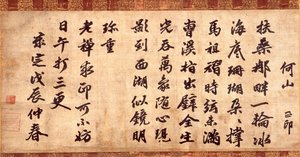
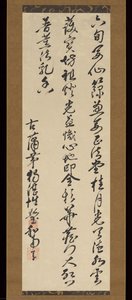
Chinese Farewell Verse (Important Cultural Property)
 Zen Buddhism
 68.0 x 34.0 cm
 Fukuoka Art Museum
 詳細を見る
詳細を見る
ジークレー/アートプリント
迅速な制作と多彩な仕上げオプションを備えた、ミュージアムクオリティのジークレーまたはキャンバスプリント。 ( 手描きの絵画を購入 画像を購入)




































作品のオリジナル比率に合わせた、当店の規定サイズからお選びください。

特定のフレームやスペースに合わせて、ご自身でサイズを指定することも可能です。選択されたサイズが元の画像の比率と一致しない場合、作品をトリミングするか、鏡面反射または単色での塗りつぶしによって画像を拡張いたします。制作を開始する前に、ご確認用のデジタルモックアップをお送りいたします。
画面上のプレビューには、実際のトリミングや拡張は反映されませんのでご注意ください。最終的な構図を正確に確認できるのは、モックアップのみとなります。
カスタムサイズも承っておりますが、元の比率を維持するためには、あらかじめ用意されたリストからサイズを選択することをお勧めいたします。


 ガラスオプションは、110cm未満のサイズでのみご利用いただけます。

Chinese Farewell Verse (Important Cultural Property)
ジークレー/アートプリント
複製画のサイズ
-


合計金額
$ 62
作品詳細説明
関連作品

アーティストの略歴
Qingmao Gulin: A Life in Zen and Calligraphy
Qingmao Gulin (1262-1329), also known as Gulin Qingmao, stands as a pivotal figure in Chinese art history, renowned for his powerful calligraphy and connection to the Zen Buddhist tradition. Born Leying, China, he embodied the spirit of the Wanshi-ha poetry movement and left an indelible mark on both artistic and spiritual landscapes.
Early Life, Training, and Spiritual Development
- Monastic Beginnings: Qingmao Gulin entered monastic life at the young age of ten, embarking on a rigorous path of study and discipline within various prominent monasteries across China.
- Diverse Masters: His training involved studying under numerous masters, absorbing diverse perspectives and refining his understanding of Zen principles.
- Seal of Transmission: A significant moment in his spiritual journey was receiving the seal of transmission from a master, solidifying his position within the lineage. This event highlights the importance of direct transmission in Zen Buddhism.
- Zen Influence: His life as a monk deeply informed his artistic practice, imbuing his calligraphy with a profound sense of spirituality and meditative reflection.
Artistic Style and Contributions
- Bold Brushstrokes: Qingmao Gulin’s signature style is characterized by its bold and expressive brushstrokes. These weren't merely aesthetic choices; they reflected the intensity of his spiritual practice and emotional depth.
- Zen Calligraphy Master: He is widely considered to be the most distinguished Zen calligrapher of his time, elevating calligraphy beyond mere aesthetics into a form of spiritual expression.
- Wanshi-ha Poetry Movement: Qingmao Gulin was an integral part of the Wanshi-ha poetry movement, known for its unique writing style influenced by the Sōtō monk-poet Hongzhi Zhengjue. This association demonstrates his engagement with a broader literary and artistic community.
- Elegance and Beauty: Despite the boldness of his strokes, his calligraphy is also celebrated for its elegance and beauty, serving as an inspiration to subsequent generations of artists.
Major Works and Historical Significance
- Chinese Farewell Verse: His most famous work, the "Chinese Farewell Verse," (measuring 68 x 34 cm) currently housed at the Fukuoka Art Museum in Japan, is considered an important cultural property. It exemplifies his mastery of Chinese calligraphy and offers a glimpse into his spiritual world.
- Cultural Property: The recognition of “Chinese Farewell Verse” as an Important Cultural Property underscores its historical and artistic value within China and beyond.
- Influence on Later Generations: Qingmao Gulin’s influence extends far beyond his own lifetime, shaping the development of Chinese calligraphy and inspiring countless artists to explore the intersection of art and spirituality.
Legacy and Impact
Qingmao Gulin's legacy is multifaceted. He not only produced stunning works of art but also contributed significantly to the intellectual and artistic landscape of his time through his involvement in the Wanshi-ha poetry movement. His emphasis on expressive brushwork and spiritual depth continues to resonate with artists and scholars today, solidifying his position as a pivotal figure in Chinese Zen calligraphy.
qingmao gulin
1262 - 1329 , China
基本情報
- Artistic Movement Or Style: Zen Calligraphy, Wanshi-ha Poetry
- Artists Who Influenced This Artist: ['Hongzhi Zhengjue']
- Date Of Birth: 1262
- Date Of Death: 1329
- Full Name: Qingmao Gulin
- Nationality: Chinese
- Notable Artworks: ['Chinese Farewell Verse']
- Place Of Birth: Leying, China
関連記事
Xie Zhiliu: A Legacy of Ink Wash Painting & Modern Chinese Literati Tradition
Explore the legacy of Xie Zhiliu, a master of Chinese ink wash painting & prominent figure in modern art. Discover his techniques, influences, and contributions to literati tradition. A guide for discerning collectors.
Pu Xinyu's 'Puru': A Legacy of Literati Painting & Emotional Resonance
Explore the captivating world of Pu Xinyu (Puru), the last great literati painter. Discover his imperial heritage, masterful ink wash techniques & enduring legacy – a valuable addition to any discerning art collection.
Ephemeral Expressions: Exploring the Nuances of Ink on Paper Through History & Contemporary Art
Explore the captivating world of ink wash painting – from its ancient origins to contemporary masters. Discover techniques, symbolism & conservation insights with ArtsDot.com.
Cy Twombly: Scribbles of Emotion – Deconstructing Post-War Expressionism Through Calligraphy & Abstraction
Explore the captivating world of Cy Twombly with ArtsDot. Discover the emotional depth & artistic significance behind his abstract calligraphy. Expert insights for collectors.

Serene Visions: Exploring Tranquility in Art History & Contemporary Practice
Explore the history of serene art & discover how landscape paintings evoke tranquility. From Shan Shui to Ukiyo-e, find artwork for a peaceful home at ArtsDot.

