

 プレビュー
プレビュー
 プリントを購入
 シェアする
シェアする シェアする
シェアする
 詳細を見る
詳細を見る

 ダウンロード
 似ている作品
 X線調査
X線調査 スライドショー
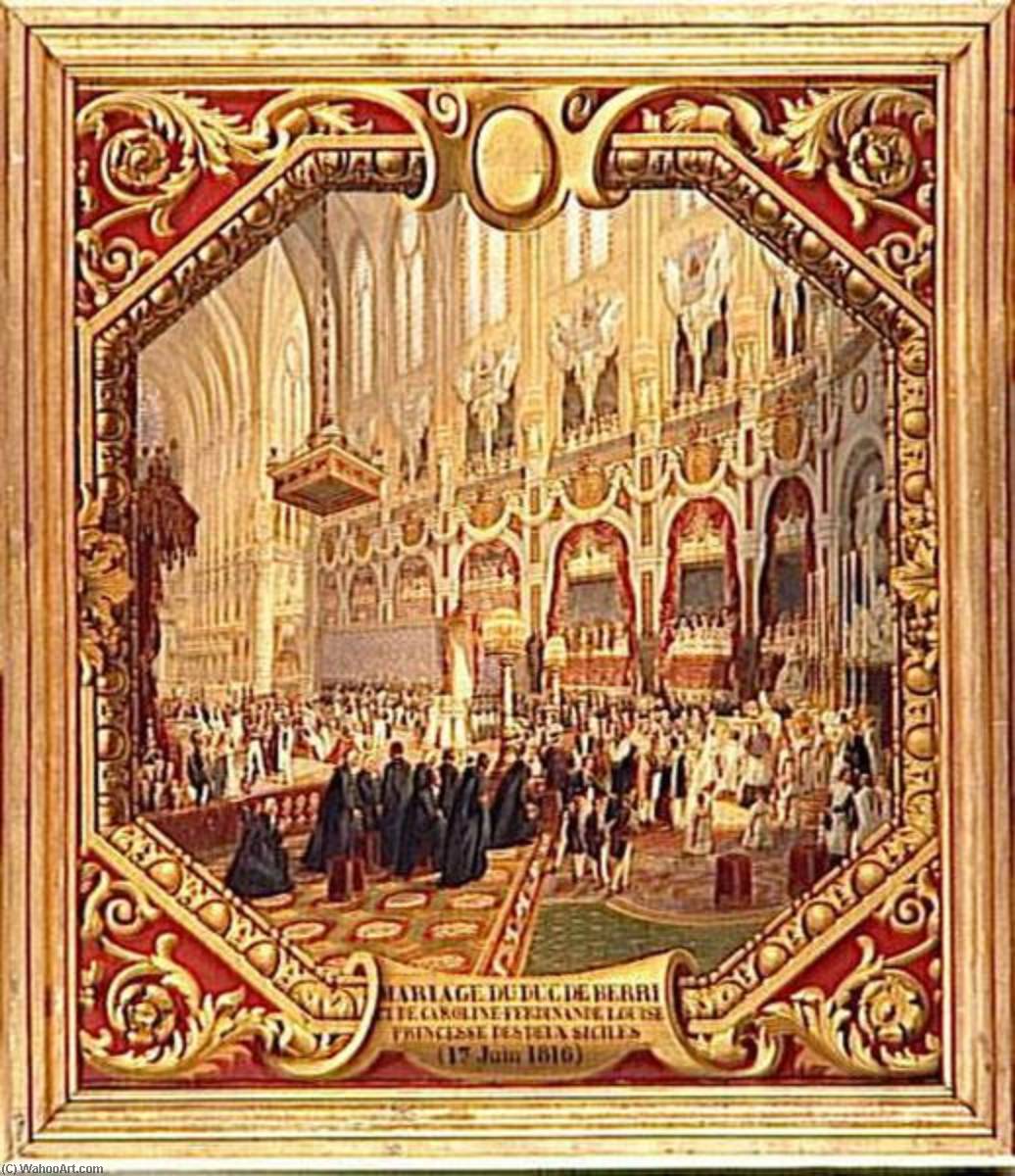
MARIAGE DU DUC DE BERRY ET DE CAROLINE, PRINCESSE DES DEUX SICILES.17 JUIN 1816

 詳細を見る
詳細を見る




P118B $10

P118H $10

P118W $10

P438Z $10

P508JH $12

P508YH $12

P805H $10

P805Z $10

P919BZ $10

P919G $10

P919XJ $10

P959ZH $10

P968JZ $12

W106C $8

W218G $10

W218JH $8

W218Y $10

W307PJ $10

W316G $10

W316PJ $8

W316Y $10

W398PJ $8

W4111J $10

W500HY $15

W500JH $15

W692G $12

W849H $8

W940BG $15

W953PJ $8




作品のオリジナル比率に合わせた、当店の規定サイズからお選びください。

特定のフレームやスペースに合わせて、ご希望のサイズをご入力いただけます。選択されたサイズが元の画像の比率と異なる場合、アートワークをトリミングするか、手描きで要素を追加して絵画を拡張いたします。デジタルモックアップ を制作し、制作開始前にご確認(承認)をいただきます。
画面上のプレビューは、実際のトリミングや拡張を正確に反映しているものではありません。最終的な構図は、モックアップによってのみ正確にご確認いただけます。
カスタムサイズもご利用いただけますが、元の比率を維持するためには、あらかじめ用意されたリストからサイズを選択することをお勧めいたします。
ご注文後、ArtsDot.com チームより詳細な指示をお送りするとともに、仕上がりイメージ(モックアップ)をご提供いたします。


 ガラスオプションは、110cm未満のサイズでのみご利用いただけます。

MARIAGE DU DUC DE BERRY ET DE CAROLINE, PRINCESSE DES DEUX SICILES.17 JUIN 1816
複製技法
複製画のサイズ
-


合計金額
$ 738
関連作品
アーティストの略歴
The Romantic Vision of Charles-Caïus Renoux
In the heart of nineteenth-century Paris, a period defined by both revolutionary upheaval and a profound longing for the past, Charles-Caïus Renoux emerged as a master of historical memory. Born in 1795, Renoux did not merely paint scenes; he resurrected eras. His artistic journey was deeply intertwined with the Romantic movement, a period that sought to find beauty in the melancholic decay of antiquity and the dramatic tension of human history. While much of his early life remains shrouded in the quiet shadows of history, his training at the prestigious École Royale Supimeure des Beaux-Arts provided him with the technical foundation necessary to translate grand historical narratives onto canvas with both precision and passion.
Renoux’s early career was marked by a poignant fascination with the architectural remnants of France. He found profound inspiration in the ruins of cloisters and monasteries—structures that had been ravaged during the French Revolution. Through his brush, these broken stones and hollowed arches were imbued with a spiritual weight, capturing the Troubadour style that would become his hallmark. His ability to render the solemn beauty of ruined churches allowed him to tap into a collective national nostalgia, making him a vital voice in an era obsessed with reclaiming its medieval heritage.
Mastery of Light and the Diorama
The technical brilliance of Renoux lay in his sophisticated use of atmospheric lighting and a muted, evocative palette. He possessed a rare ability to manipulate light to suggest the passage of time or the weight of a historical moment. This mastery was not limited to traditional oil painting; Renoux was also a skilled lithographer and illustrator, talents that allowed him to explore different textures and scales of storytelling. His work often balanced meticulous architectural detail with an emotional intensity that prioritized the "feeling" of a scene over mere photographic realism.
As his career progressed, Renoux pushed the boundaries of visual storytelling by venturing into the creation of spectacular dioramas. These large-scale, immersive works were essentially the "moving pictures" of his age, offering audiences a theatrical experience that blended painting with light and shadow to create an illusion of depth and motion. This transition from static canvas to dynamic spectacle demonstrated his evolution from a painter of ruins to a creator of entire worlds. His work in this medium was uniquely prepared by his earlier experiences painting large-scale battle scenes and landscapes, which taught him the complexities of compositional grandeur.
Legacy and Artistic Influence
The influence of Renoux can be traced through the lineage of French Romanticism, drawing strength from the expressive brushwork of Eugène Delacroix and the naturalistic sensibilities of Théodore Rousseau. He was a bridge between the classical traditions of the past and the burgeoning theatricality of the nineteenth century. His role as an educator at the École des Beaux-Arts further cemented his legacy, as he passed his technical expertise to notable students such as Narcisse Berable and Hector Hanoteau.
Renoux’s contributions to art can be summarized through several key pillars of his career:
- Historical Preservation: His paintings served as visual chronicles of medieval architecture, preserving the memory of structures lost to revolution.
- The Troubadour Aesthetic: He perfected a style that blended historical accuracy with romanticized, emotional narratives.
- Innovation in Media: Through his dioramas, he pioneered immersive, multi-sensory art forms that predated modern cinematic techniques.
- Educational Impact: As a professor, he helped shape the next generation of French painters, ensuring the continuity of classical and romantic techniques.
Though his life was relatively short, ending in 1846, Charles-Caïus Renoux left behind a body of work that continues to haunt and inspire. His ability to find life within ruins and drama within the stillness of a cloister ensures that his name remains etched in the annals of French art history, reminding us that even in decay, there is an enduring, magnificent beauty.
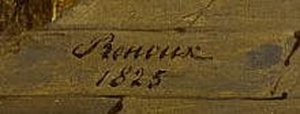
renoux charles caius
1795 - 1846
基本情報
- Artistic Movement Or Style: Romantic Troubadour Style
- Artists Who Influenced This Artist:
- Eugène Delacroix
- Caspar David Friedrich
- Date Of Birth: 1795
- Date Of Death: 1846
- Full Name: Charles Caius Renoux
- Nationality: French
- Notable Artworks:
- Siege de Luxembourg
- Mariage du Duc de Berry et de Caroline
- Traité conclu entre les Croises et les Venitiens dans l’Église de Saint Marc
- Place Of Birth: Paris, France
関連記事
Romantic Realism's Finest: 10 Masterpieces for Your Home | ArtsDot
Explore 10 defining masterpieces of Romantic Realism! Discover Courbet, Millet & Daumier's powerful paintings—capturing emotion and social realities. Find museum-quality reproductions for your home at ArtsDot.com.

ロマン派ランドスケープ:時代を彩る巨匠の10選|アートとインテリアの世界
ロマン派絵画の時代を彩る10選。巨匠たちの風景が織りなす感動の世界へ。ターナー、ルーベンスなど、名作の裏話と高精細複製でアートをお部屋に。ArtsDot.comで至福のアート体験を。

Charles Marion Russell: Capturing the American West Through a Romantic Lens
Explore the captivating world of Charles Marion Russell, 'the cowboy artist.' Discover his life, iconic paintings, advocacy for Native Americans, and investment potential. A guide for discerning art collectors.
Charles Robert Leslie: Navigating Romantic Ideals & Academic Tradition
Explore the life & art of Charles Robert Leslie, a key figure bridging Romantic ideals with Victorian academic tradition. Discover his captivating portraits, literary scenes, and enduring legacy as Constable’s biographer.
Romantic Masterpieces: 10 Artworks for a Timeless Home Decor Aesthetic
Fall in love with art! Explore 10 iconic romantic paintings – from Monet & Bouguereau to Fragonard. Discover the stories behind these masterpieces and find museum-quality reproductions for your home decor at .

